Knowledge Base
Water, mold and fire guides for DC homeowners
Straight answers to the questions people ask us on the phone and on the job, written for the rowhouses, condos and suburban homes around Washington.
Edited by Winifred Larkin, Knowledge Base Editor

All 13 guides
Newest first. Each guide links to the services it relates to.
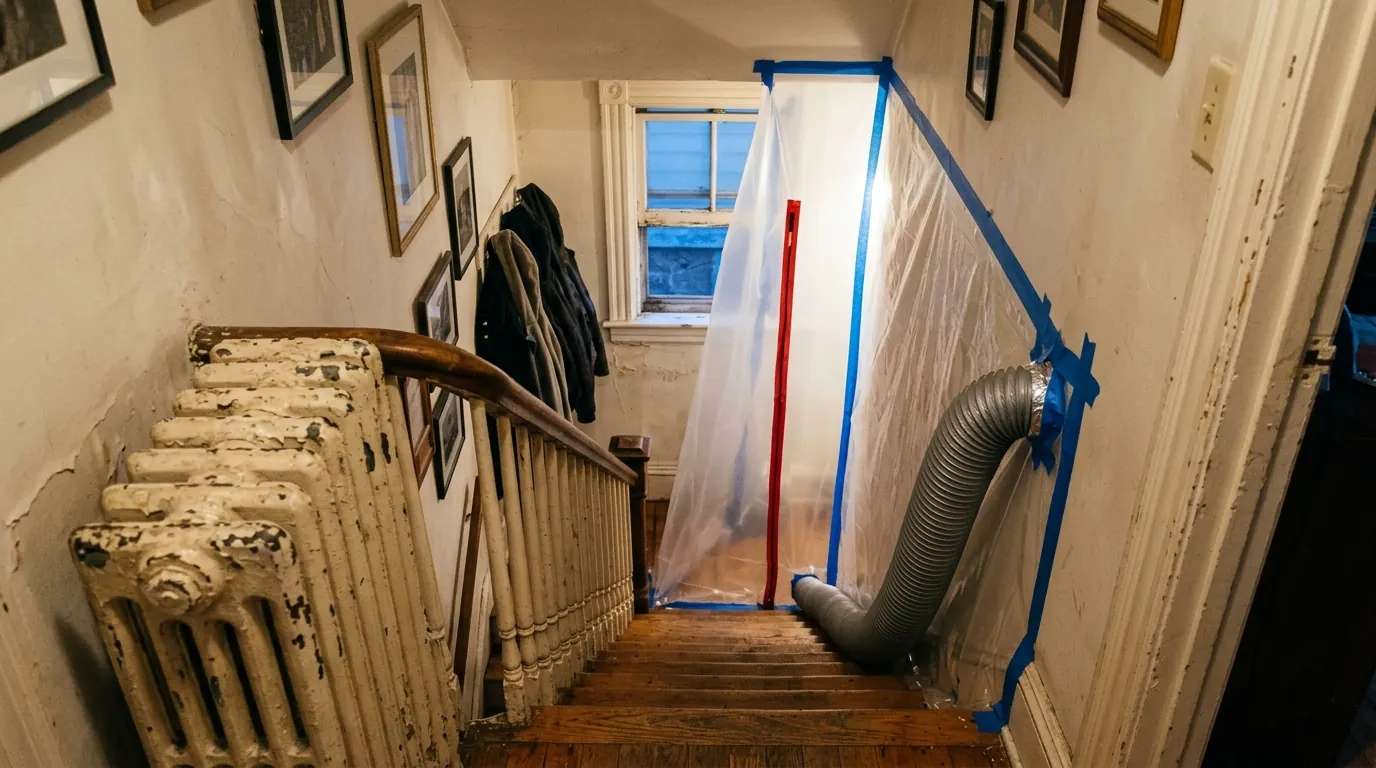
Can you stay in your home during mold remediation?
Most households stay put while a mold job runs. Whether yours should depends on where the work is, how big it is, what it does to your heating and cooling, and who lives in the house.
Read the guide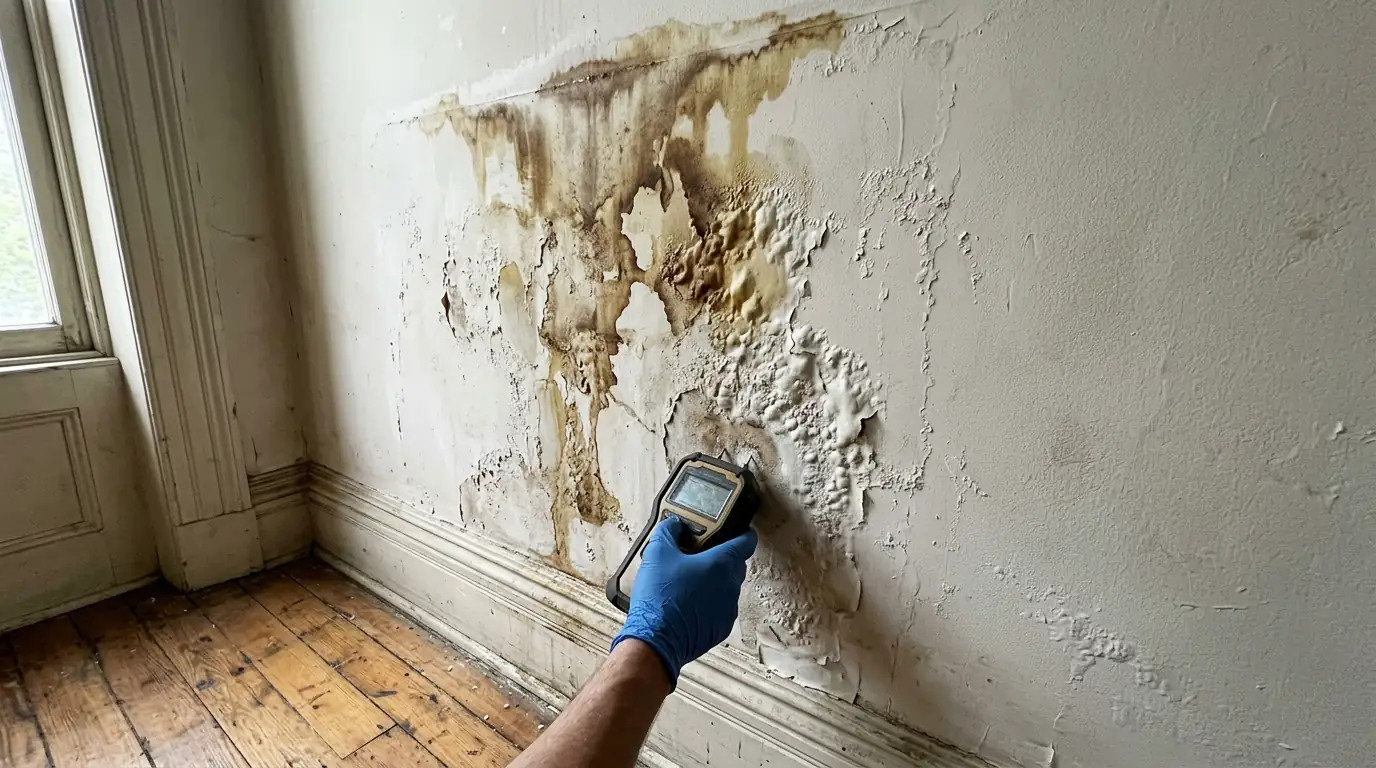
Water coming through a shared rowhouse wall: whose side is it?
A damp patch on a party wall puts two households in the same problem. Before anyone talks about blame, the wall itself can usually show which way the water is moving.
Read the guide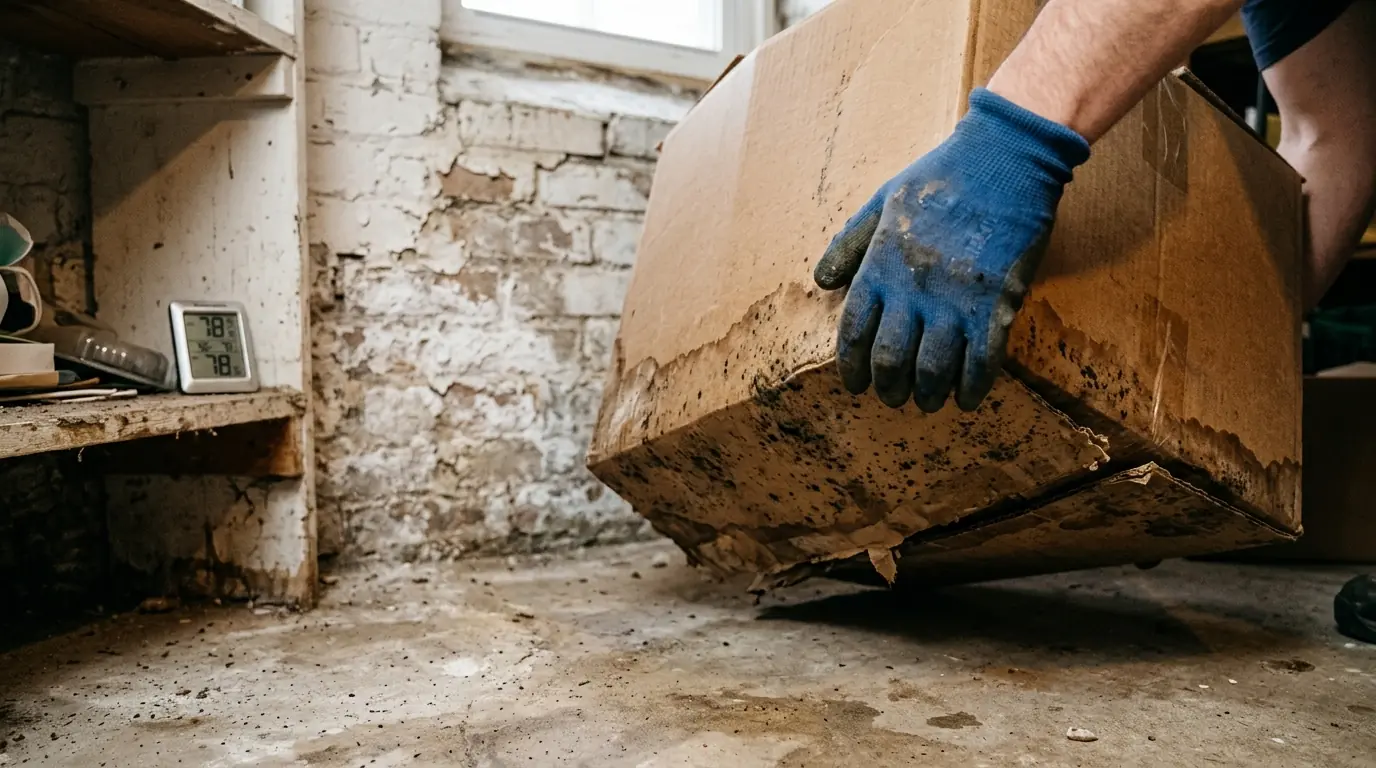
Is that musty basement smell mold?
Stale basement air has several possible causes, and only some of them involve hidden mold. A few cheap checks, done in order, usually narrow it down before you spend money.
Read the guide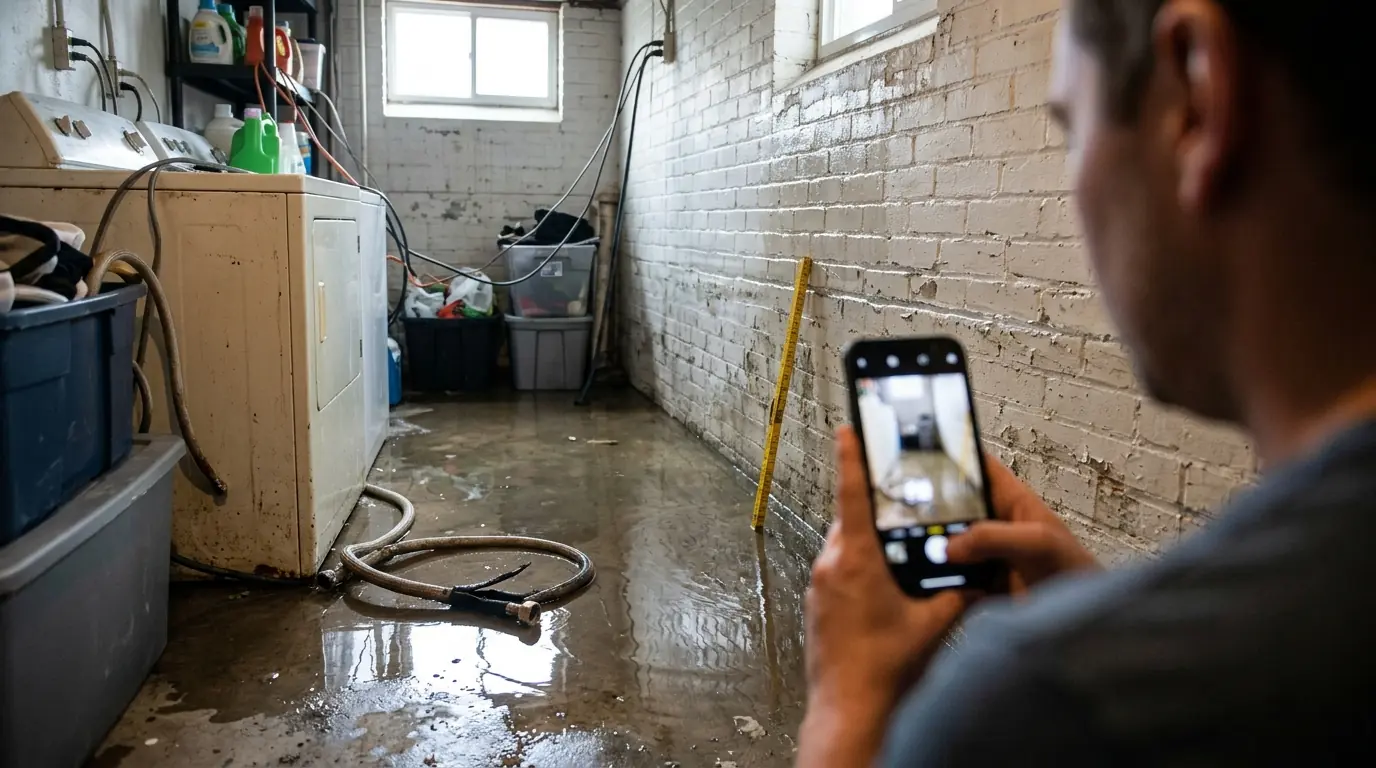
Water damage insurance claims: photos, receipts and timing
A water claim usually turns on a few simple things: when you reported it, what you documented before cleanup, and whether the damage was sudden or gradual. Here is how to keep a clear record from the first hour, without promising yourself anything your policy does not say.
Read the guide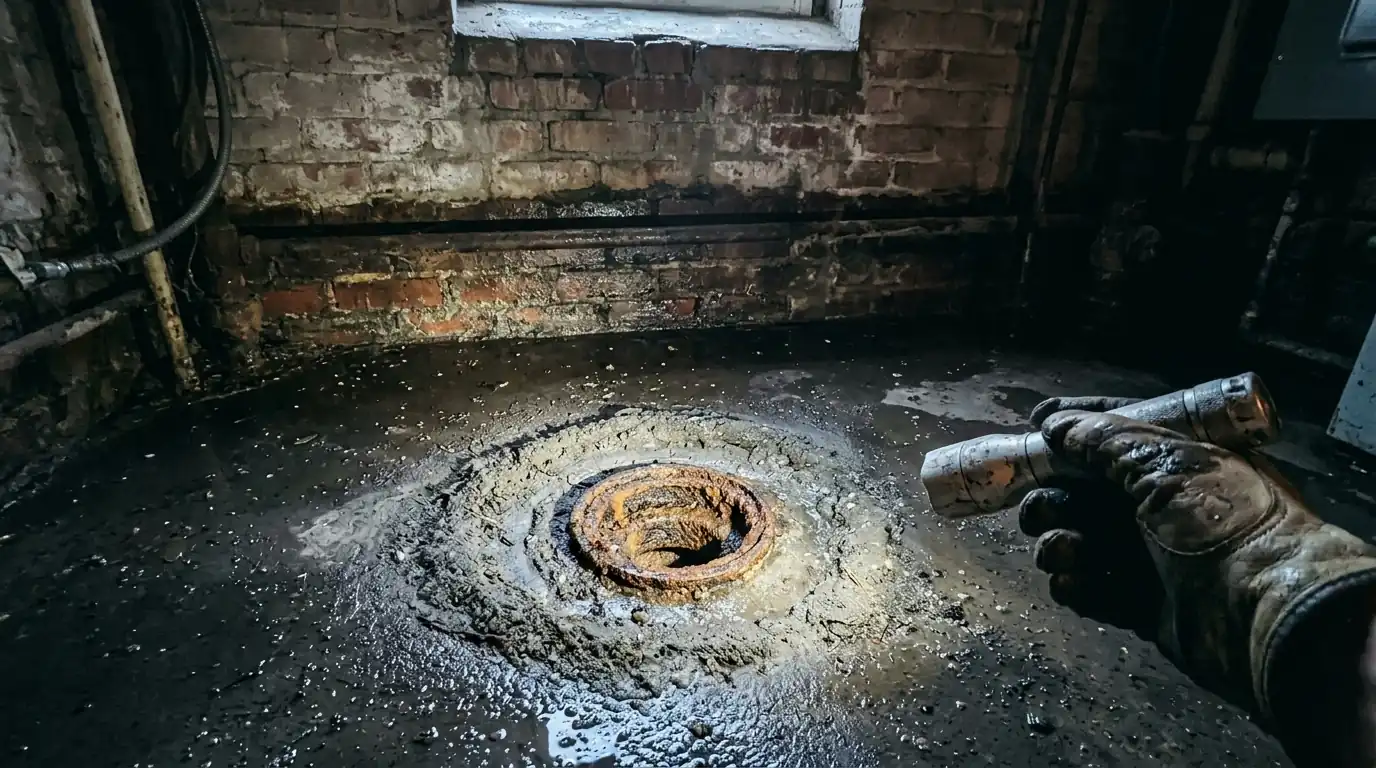
Sewer backup or groundwater? How to tell in your basement
Both show up after heavy rain, both leave a wet floor, and both get called a flooded basement. The difference decides how the water has to be cleaned up, what can be saved and which part of your insurance policy might apply.
Read the guide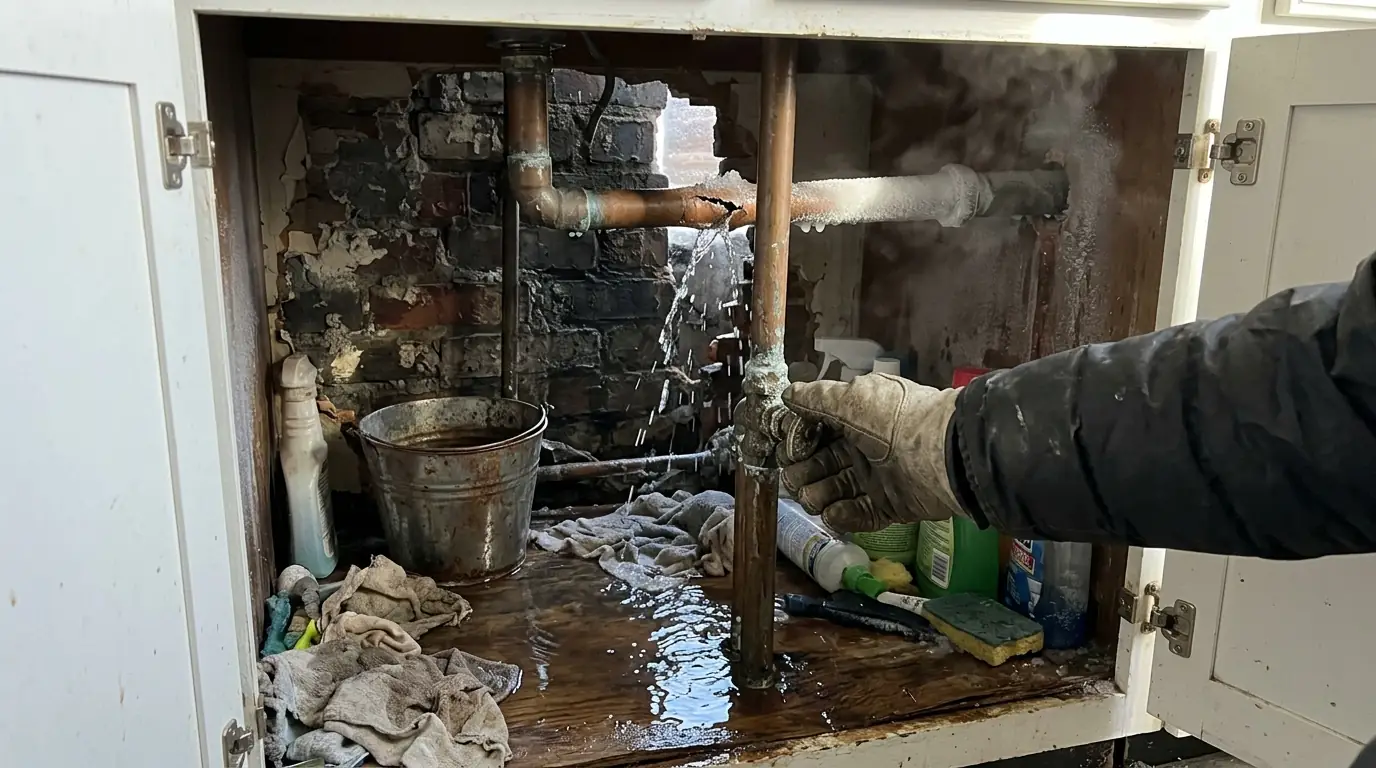
Frozen pipes in older DC homes: where they freeze and burst
A January cold snap finds the same weak spots in older DC houses year after year. Knowing where they are, and where your main shut-off is, turns a flooded kitchen into a wet towel and a plumber visit.
Read the guide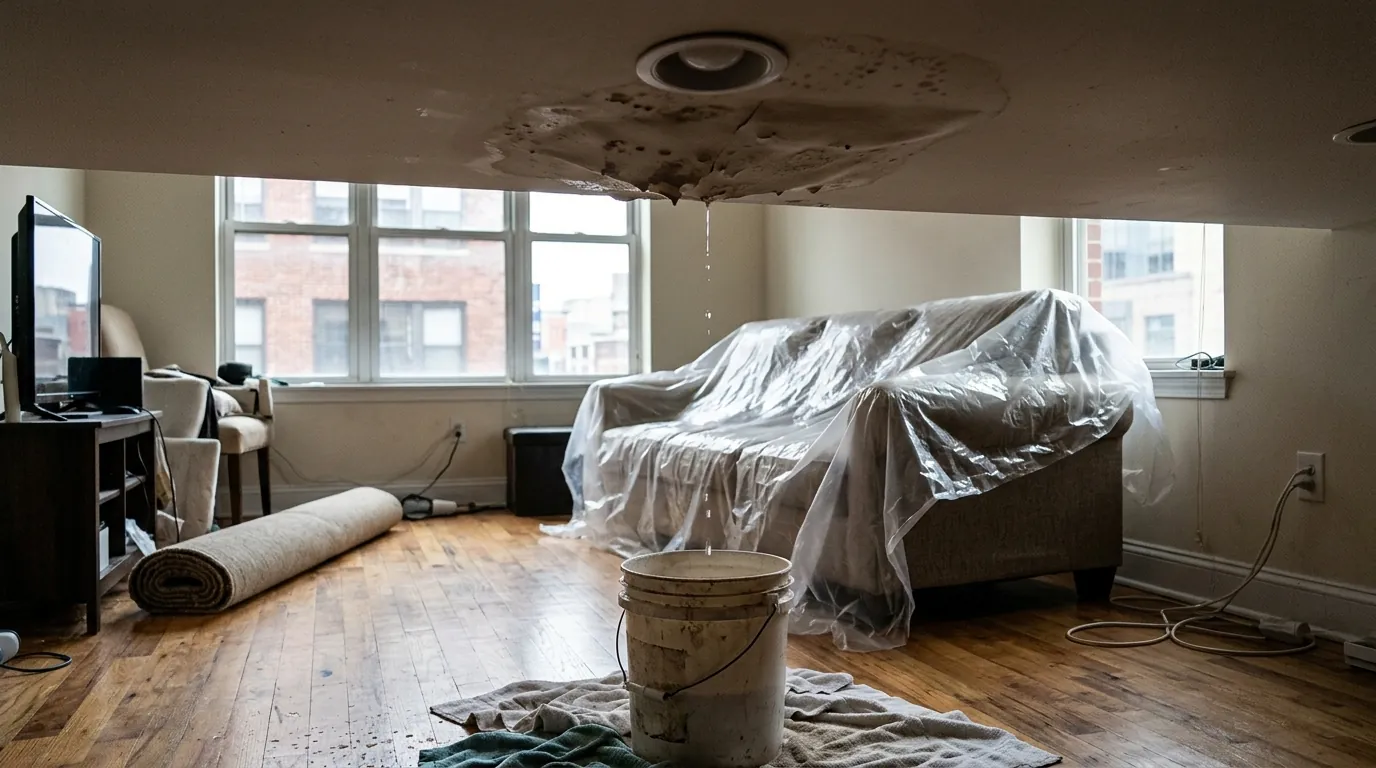
Water from the condo above: what to do first
A drip from the ceiling light, a bulge in the drywall, water running down the kitchen cabinets. In a DC condo building the leak almost always starts in someone else's unit, which changes who you call and in what order.
Read the guide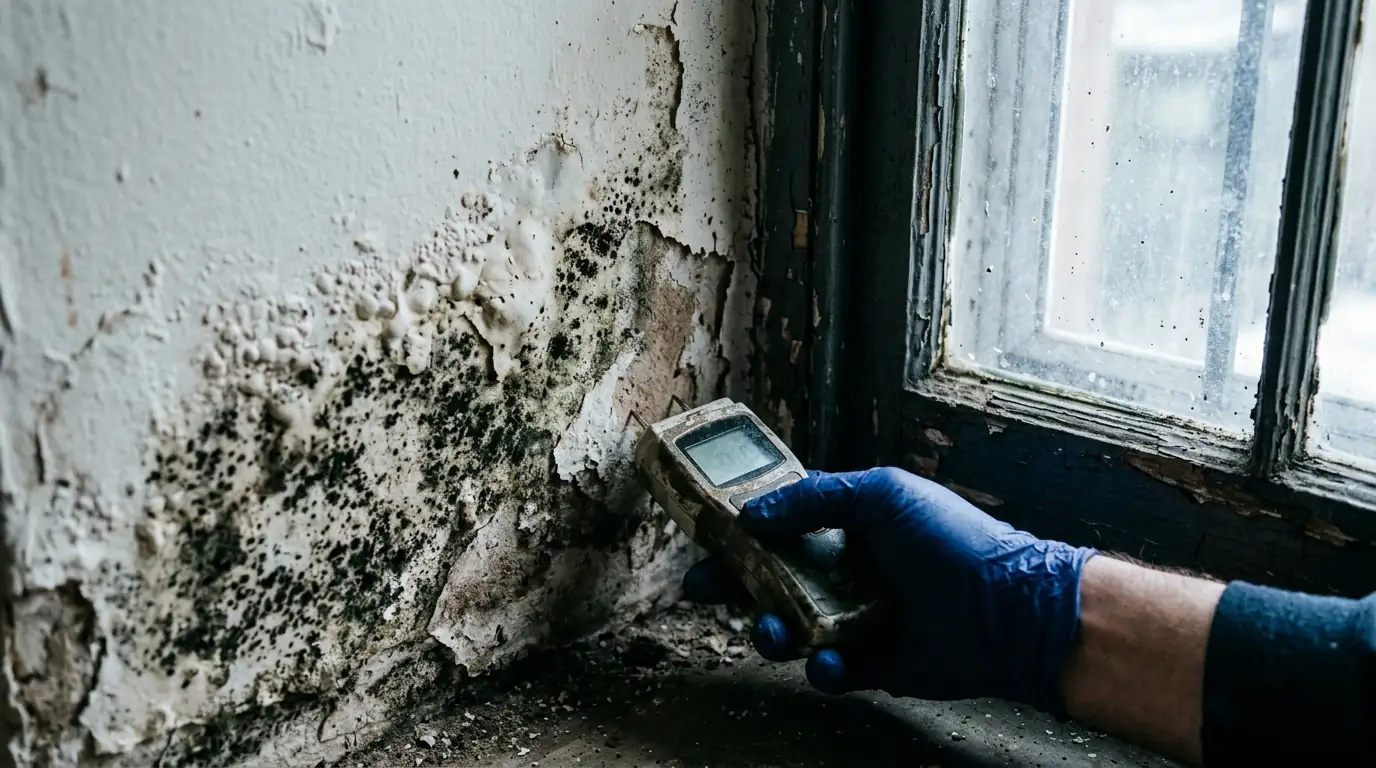
Black mold myths that cost DC homeowners money
Most of the fear around mold, and most of the money wasted on it, comes from a handful of stubborn ideas. Here is what holds up, what does not, and what actually decides how big the fix needs to be.
Read the guide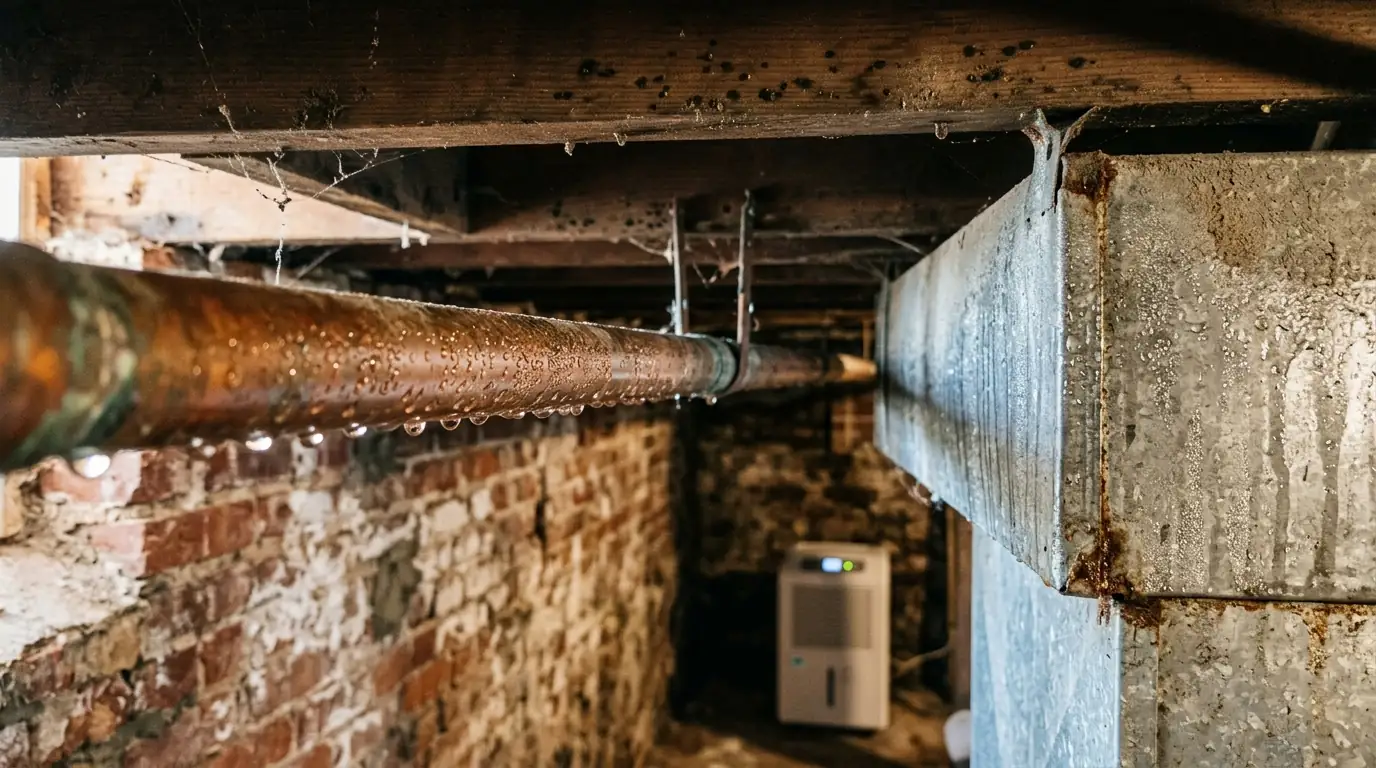
Mold after a humid DC summer: what is normal and what is not
By late August, plenty of DC basements smell musty and a few have spots on the joists or the back of a bookcase. Some of that is a humidity problem you can manage. Some of it points to water that needs a closer look.
Read the guide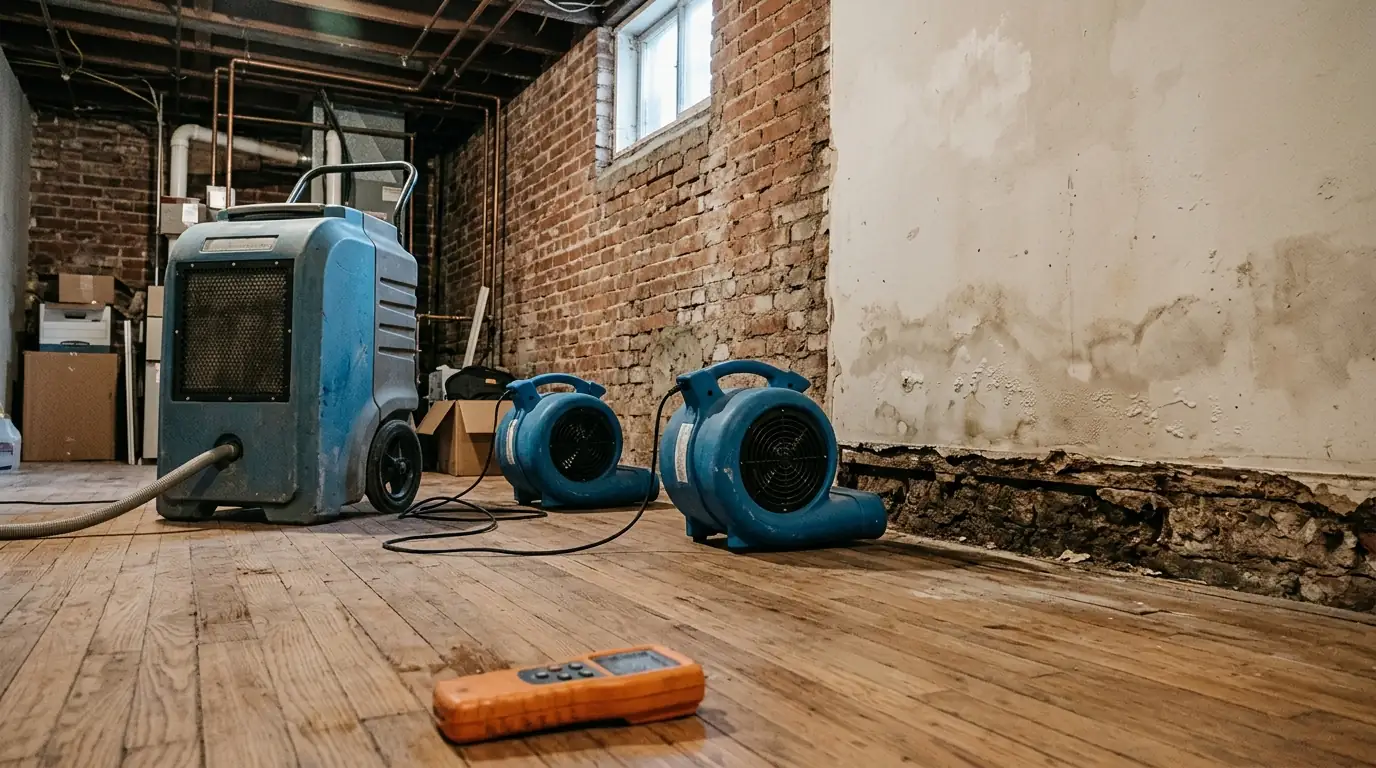
How long water damage drying really takes in a DC home
Wet drywall and carpet usually dry in a few days, but plaster, hardwood, brick and concrete each run on their own clock. Here is what sets the pace and how you can tell when a room is actually dry.
Read the guide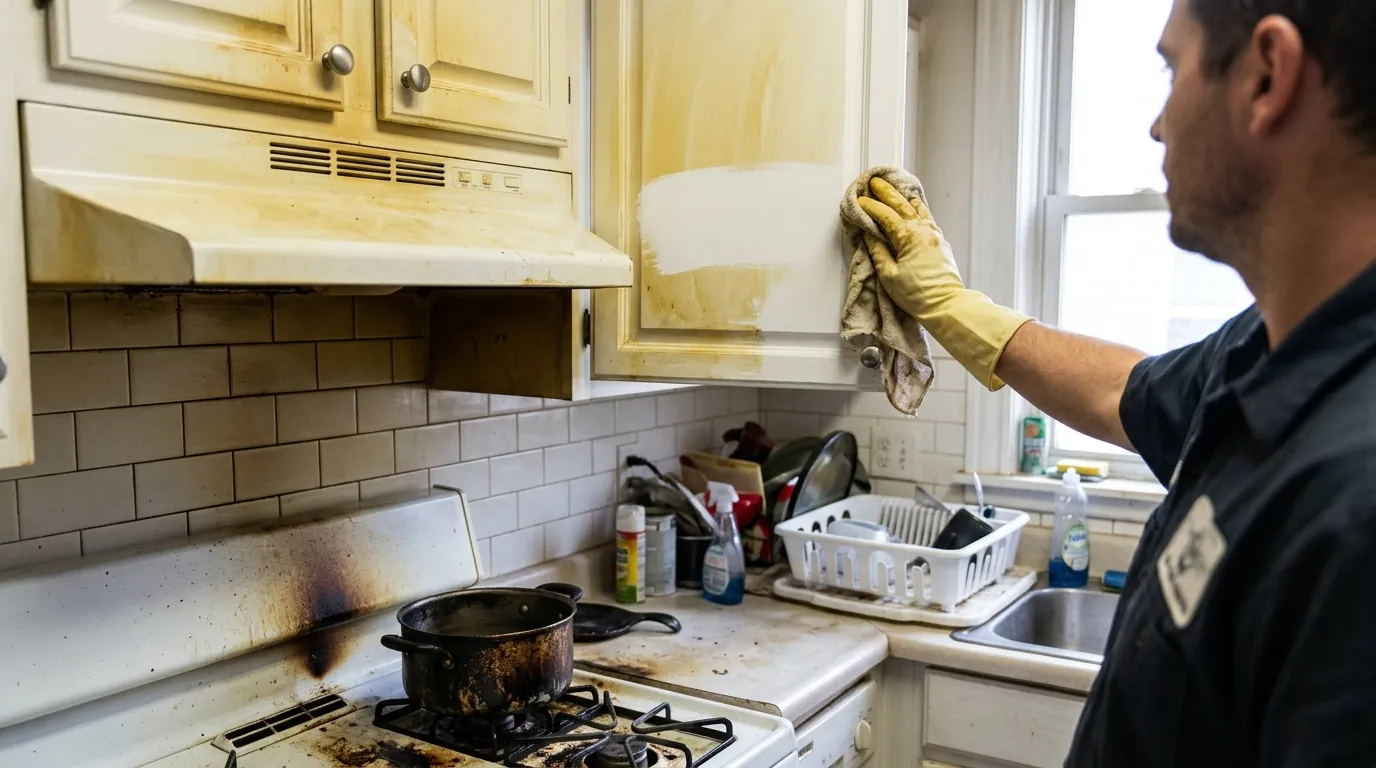
Why smoke odor lingers after a kitchen fire
A pot of beans left on the burner can leave a smell that outlasts the fire by weeks. Here is why kitchen smoke odor is so stubborn, how to clean it in the right order, and when it takes more than a mop and a candle.
Read the guide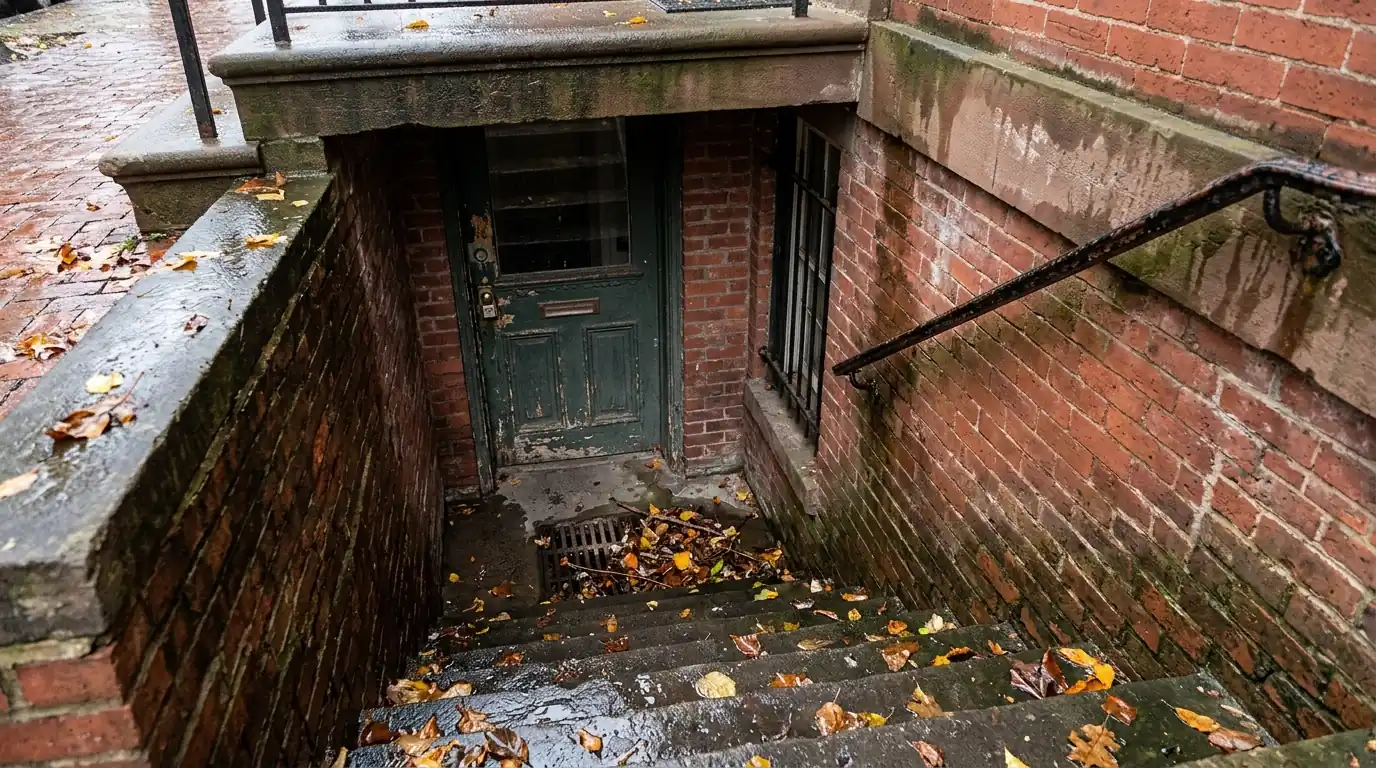
English basement leaks: where water gets in
An English basement sits half below the sidewalk, with its own door under the stoop and brick walls that were never meant to stay dry. Most leaks come through a short list of weak spots, and each one leaves a different clue.
Read the guide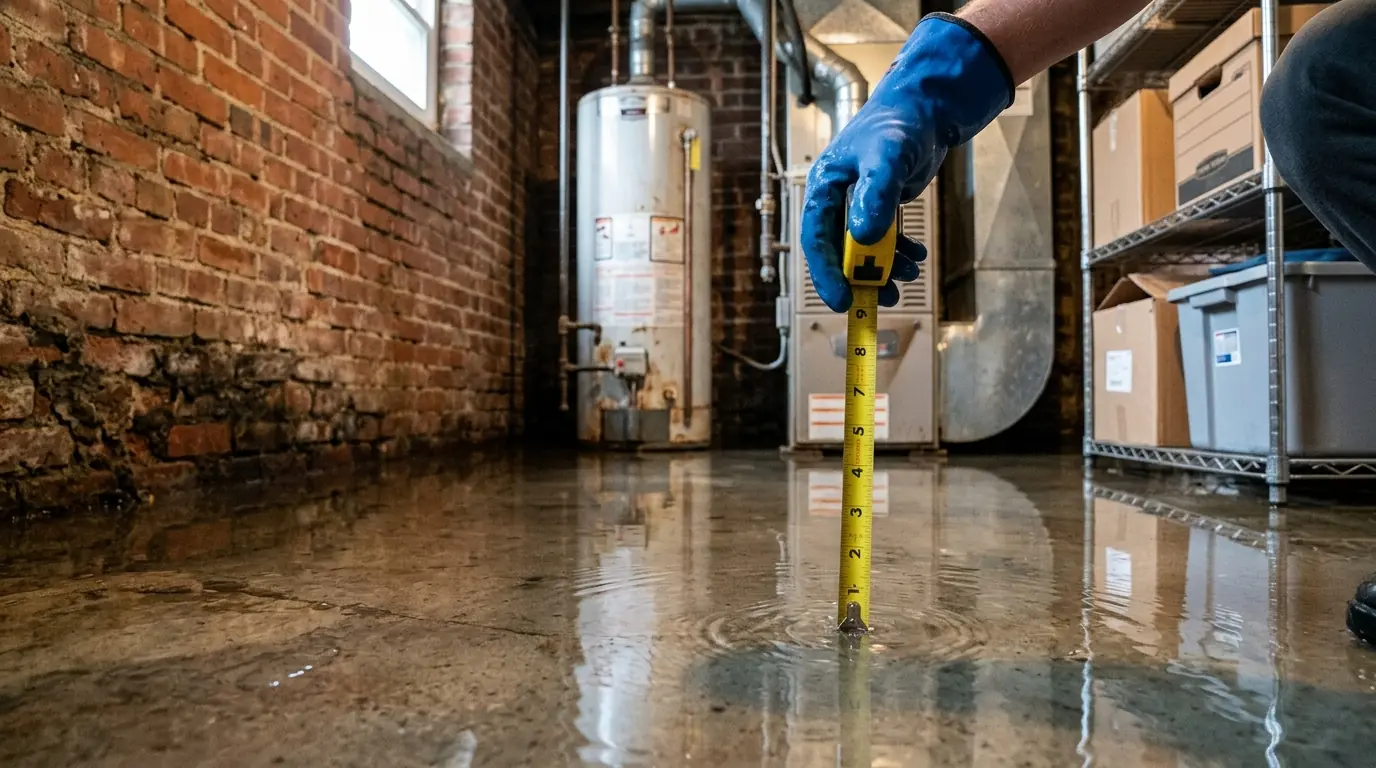
The first hour after a basement floods in a DC rowhouse
Water on the basement floor makes everyone want to grab towels and a shop vac. Slow down for two minutes, because the order of the first steps matters more than speed.
Read the guideWho writes these guides
Winifred Larkin, Knowledge Base Editor. She turns the questions our technicians hear every week into plain guides, checks them against how DC houses are actually built, and updates them when practice changes.
Water in the house or a musty room you can't explain?
Call JEC Restoration any time. We answer 24/7 and talk through what you are seeing before anyone touches a wall.