Fire & Smoke
Fire damage restoration in Washington, DC
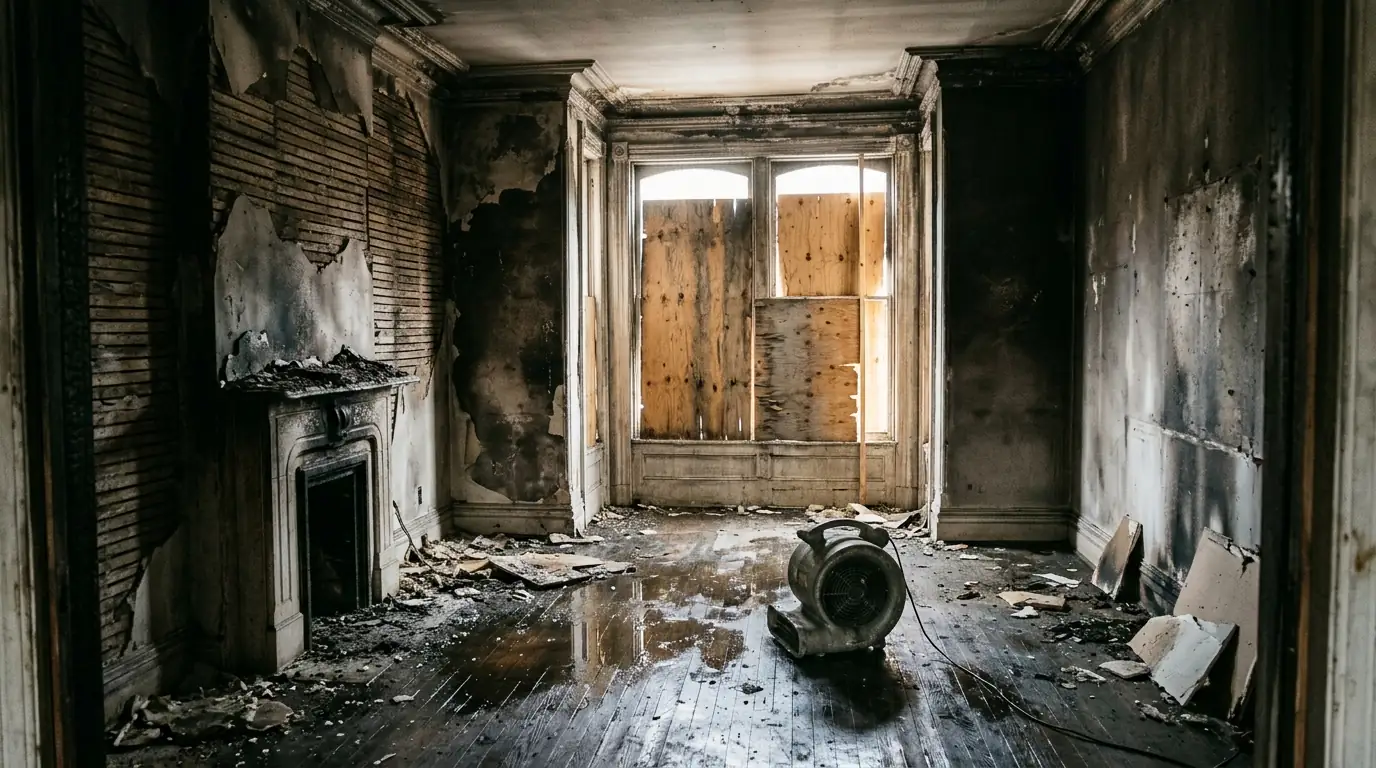
After the fire trucks leave, a house is usually open to the weather, soaked from the hoses and coated in soot. We secure the openings, pull out the water, clean the smoke residue and get the structure ready to rebuild.
Drying, air and detection equipment on our jobs comes from names like
- Dri-Eaz
- Phoenix
- B-Air
- Abatement Technologies
- Protimeter
- Delmhorst
- FLIR
- Benefect
- Concrobium
- Omnitec
- Sapphire Scientific
- Tramex
Fire damage restoration is the full recovery of a home after a fire: boarding and tarping openings, removing firefighting water, cleaning soot and smoke residue, treating odor, handling contents and preparing for repairs. You need it any time a fire leaves more than a light film on one surface, because smoke residue spreads through the house and keeps damaging finishes for days. Call (202) 989-3053, day or night.
What has to happen in the first day after a house fire?
The first priority is keeping the house from getting worse. Firefighters break windows and cut holes in roofs to vent heat and smoke, which is the right call, but it leaves the building open to rain, cold and anyone walking by. We board window and door openings with plywood, tarp roof cuts and broken skylights, and set temporary lighting if the power is off. Once the fire department releases the building, our technicians walk it with you and photograph every room before anything is moved.
The second priority is the water. A single hose line can put hundreds of gallons into a rowhouse, and that water runs down through floors, into plaster ceilings and toward the basement. Left alone, it soaks subfloors, cups oak strip flooring and sets up mold growth. We extract standing water, pull wet insulation from opened ceilings and set dehumidifiers and air movers the same way we would for any large water removal job, with moisture readings logged room by room.
How can you tell the damage reaches past the burned room?
Small fires fool people because the worst of the damage is spread thin across the whole house.
Gray film on upper walls
Smoke rises before it settles, so a shadow along the ceiling line in rooms away from the fire means residue traveled through the house.
Soaked ceilings below
Firefighting water collects above plaster and drywall ceilings on lower floors. Sagging, brown rings or dripping light fixtures need attention right away.
Sharp odor in closed spaces
Open a closet or a drawer two rooms away. If it smells like the fire, smoke reached the contents and probably the wall cavities too.
Broken glass and a vented roof
If firefighters broke windows or cut the roof, the house is open to rain and needs boarding and tarping before anything else.
Tacky residue on surfaces
A sticky film that smears when touched points to burned plastics or food, which need different cleaning than dry soot.
Heat-warped fixtures
Melted switch plates, bubbled paint or sagging blinds mean the room got hot enough to affect wiring and finishes behind the walls.
What happens between board-up and a house ready for repairs?
Every fire job follows the same order, though the time each stage takes depends on how far smoke and water spread.
Secure and document
We board openings, tarp the roof where it was cut and photograph every room before anything moves. Utilities stay off until the fire department and the utility say otherwise.
Remove the water
Standing water is extracted, wet ceilings and insulation are opened where needed, and drying equipment is set. Our technicians take moisture readings daily until materials reach normal levels.
Pack and protect contents
Salvageable belongings are inventoried and boxed, or moved to a clean room in the house on smaller jobs. Items that can't be saved are photographed and listed before disposal.
Remove, clean and seal
Charred and soaked materials come out. Remaining surfaces are HEPA vacuumed, dry sponged and wet cleaned, then sealed with a stain and odor blocking primer where residue soaked in.
Deodorize and verify
Thermal fogging or hydroxyl treatment addresses odor left in the structure. We close the house overnight, check for odor and residue again, and hand over a written scope for rebuilding.
Why does smoke damage keep spreading after the fire is out?
Smoke residue is acidic, and it keeps working on surfaces after the flames are gone. Within hours it can yellow plastics and discolor grout. Over the following days it tarnishes metal fixtures, etches glass and sets into paint and wood finishes, which turns a cleaning job into a refinishing job. That's why we start cleaning the rooms closest to the fire early, even while drying is still running elsewhere.
Smoke also travels well past the burned area. Hot gases rise and push into closets, behind outlet covers, inside cabinets and up stairwells, so a fire in a basement kitchen can leave film on a third-floor bedroom ceiling. We test surfaces in every room with dry sponge swipes to map how far residue reached, then plan the cleaning room by room. The methods for each residue type are laid out on our smoke damage cleanup page.
Which materials can be cleaned and which have to come out?
Not everything in a burned room is lost, and not everything that looks fine can stay. Framing with shallow char is cleaned back to sound wood and sealed; deeper burns mean the piece is cut out and replaced. Drywall and plaster that were heated, soaked by hoses or heavily coated usually come out, while walls in rooms farther from the fire often clean up and take a sealing primer. Insulation that smoke passed through holds odor for years, so in affected cavities we remove it rather than try to treat it.
We make these calls with you in the room, and we write them down. Each removal is photographed before and after, with a note on why it came out, so the scope makes sense to anyone who reads it later. Dishes, metal and glass generally clean well. Soft goods, electronics and paper need a closer look, and in most serious fires we box them up for off-site cleaning and storage so the structure can be worked on without them in the way.
How does the job move from cleanup into rebuilding?
Restoration ends with a house that is dry, clean, deodorized and opened up where it had to be. At that point the walls are ready to close. We record final moisture readings, check odor after the house has been shut overnight, and walk you through what was removed and what stays. That record becomes the starting point for repairs and rebuilding: framing, drywall or plaster, trim, flooring, cabinets and paint.
Keeping both phases on one plan matters because they overlap. Sealing primer has to go on before finish paint, wiring in burned areas has to be checked before walls close, and contents shouldn't come home until drywall sanding dust is gone. We sequence the work so finished rooms aren't dirtied again by work still going on next door.
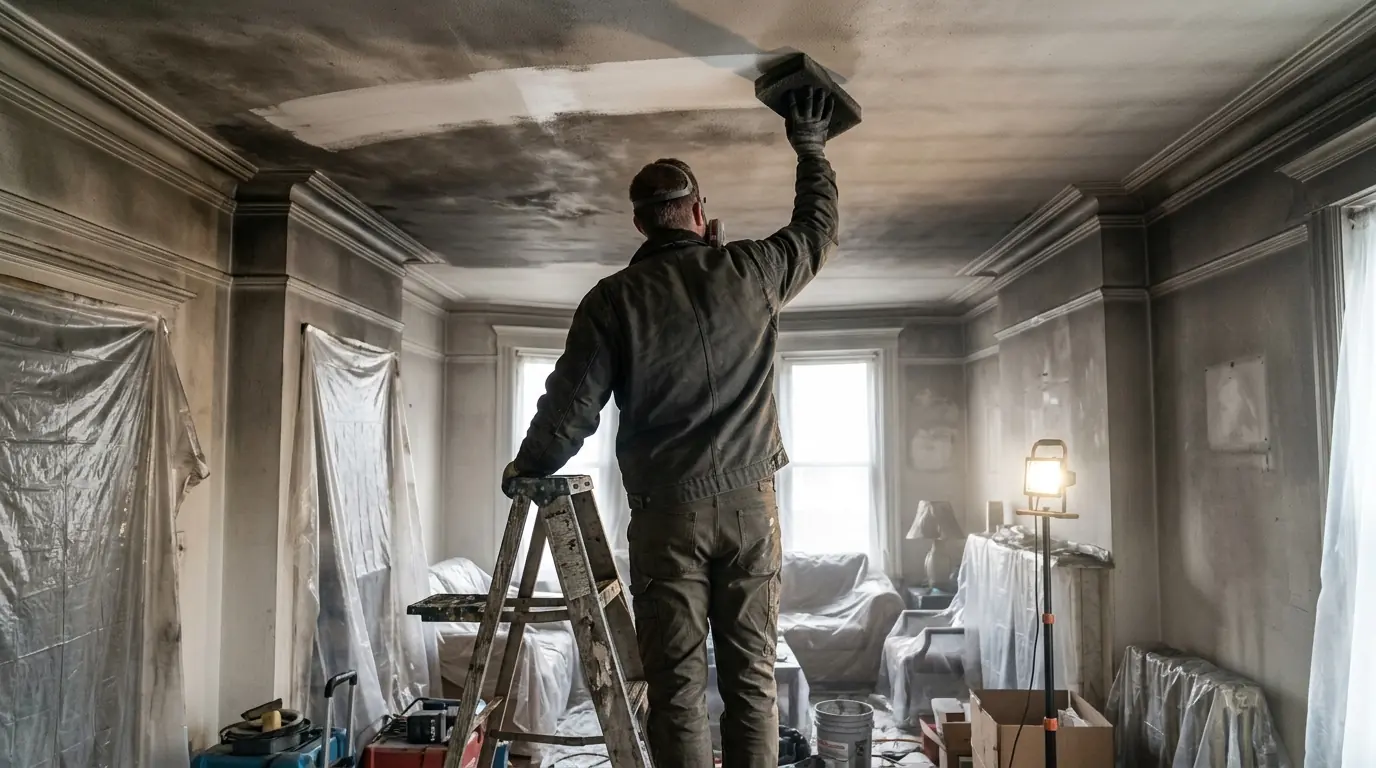
Dry-sponge soot cleanup on a rowhouse ceiling
How do DC rowhouses and condo buildings change a fire cleanup?
Fire behaves differently in a city of attached houses. In a brick rowhouse on Capitol Hill or in Shaw, the party wall usually keeps flames out of the house next door, but firefighters still vent the roof and may open walls on both sides to check for hidden fire, so neighbors often need board-up and drying too. Plaster on wood lath holds up to heat better than drywall, though it soaks up hose water and can sag or let go from the lath days later, so we check ceilings carefully before anyone works under them. Condo fires bring another layer: units below take the firefighting water, building management controls access to corridors and elevators, and the cleanup has to fit around neighbors who are still living there. Detached houses in upper Northwest and the Maryland suburbs see more attic and chimney fires, and that work centers on roof decking, attic insulation and the second-floor ceilings that took the water.
Where we do this work: Washington, DC and nearby Maryland and Virginia, including:
What does fire damage restoration usually cost in DC?
Fire jobs vary more than any other loss we handle, because the burned area is only one part of the bill. Water, smoke spread and contents often cost more than the charred room.
| Board-up and roof tarp only | $640-$2,350 |
|---|---|
| Small fire, one room, light smoke elsewhere | $3,150-$9,400 |
| Moderate fire with hose water, 2 to 4 rooms | $12,800-$38,600 |
| Major fire, whole-house cleanup before rebuild | $41,500-$126,000 |
These are typical DC-area ranges, not quotes; we price each job after walking the house with you. Compare ranges across all 40 services.
What moves the price
- How far smoke traveled
- Volume of firefighting water
- Contents to pack out
- Plaster or drywall construction
- Depth of odor treatment
Related work we often do on the same job
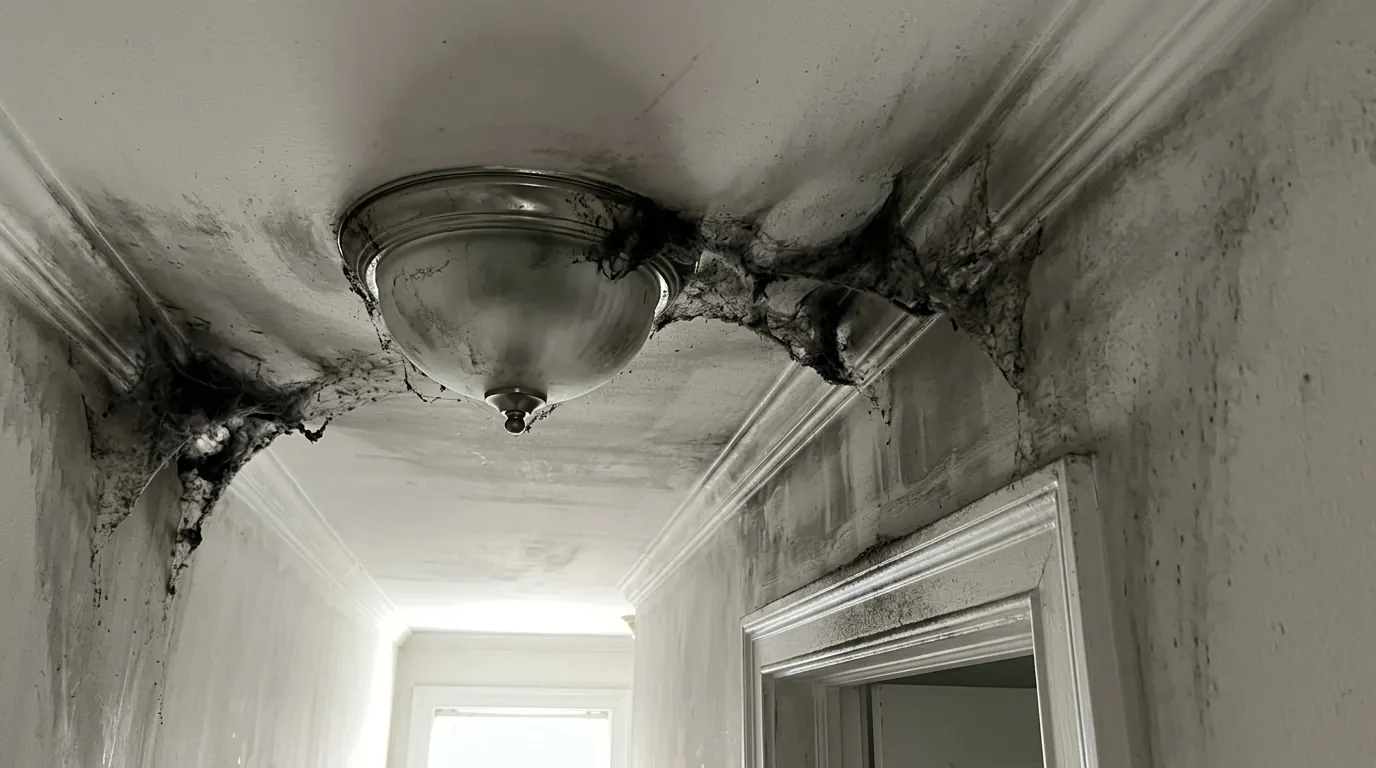
Smoke Damage Cleanup
Smoke damage cleanup removes the residue a fire leaves on walls, ceilings, ducts and belongings, then neutralizes the odor tied to it.
How we handle it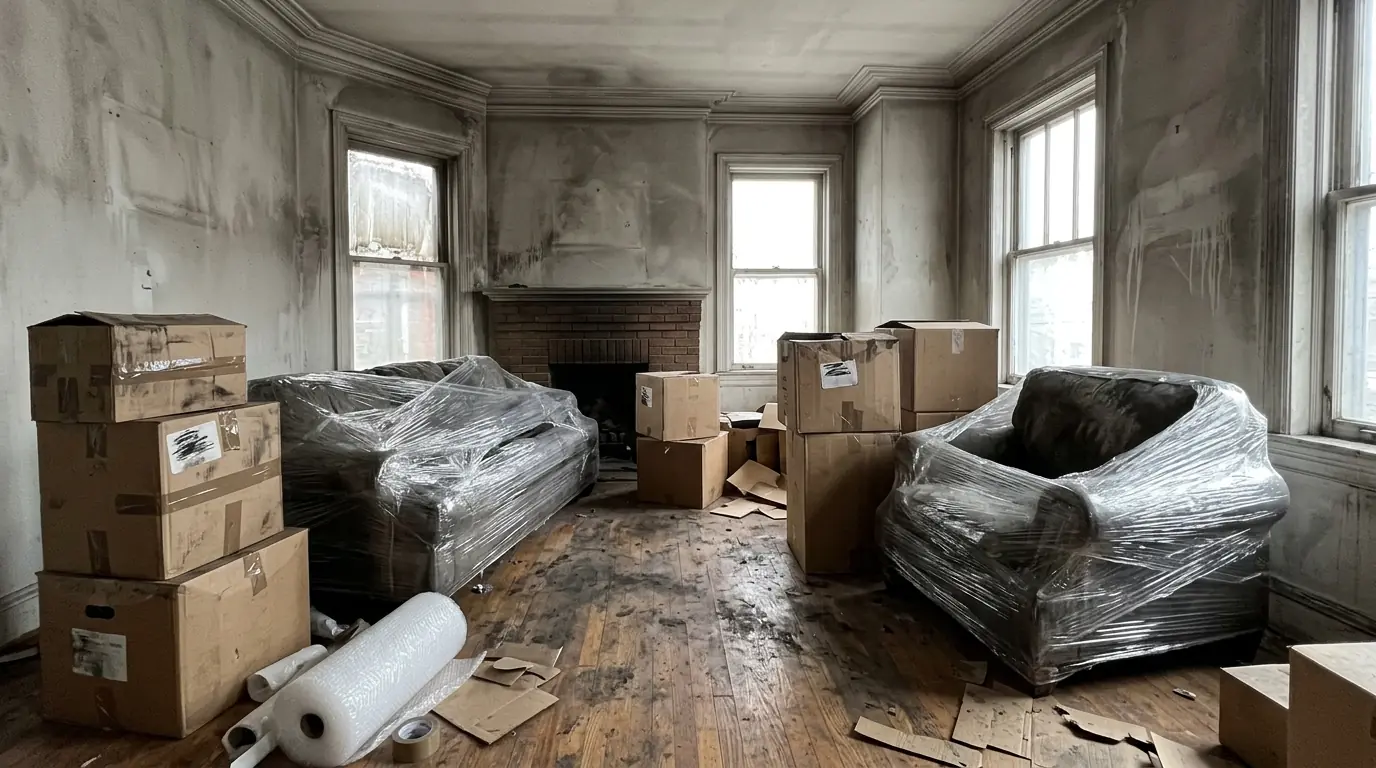
Contents Cleaning & Pack-Out
A contents pack-out is the inventory, packing and removal of belongings from a home damaged by fire, smoke, water or sewage, so the structure can be cleaned and repaired while items are cleaned and stored elsewhere.
How we handle it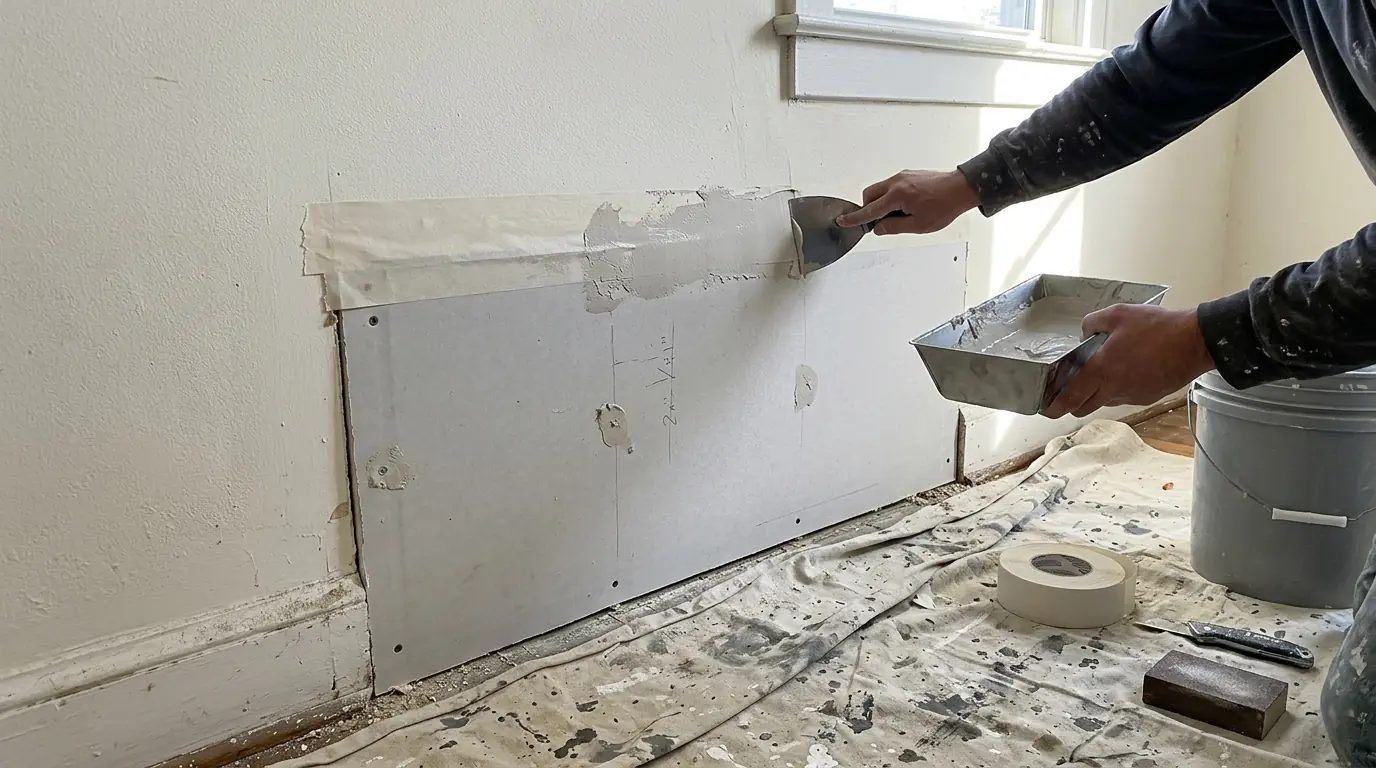
Damage Repair & Rebuild
Damage repair and rebuild is the work that restores a room after water, mold or fire mitigation is finished.
How we handle it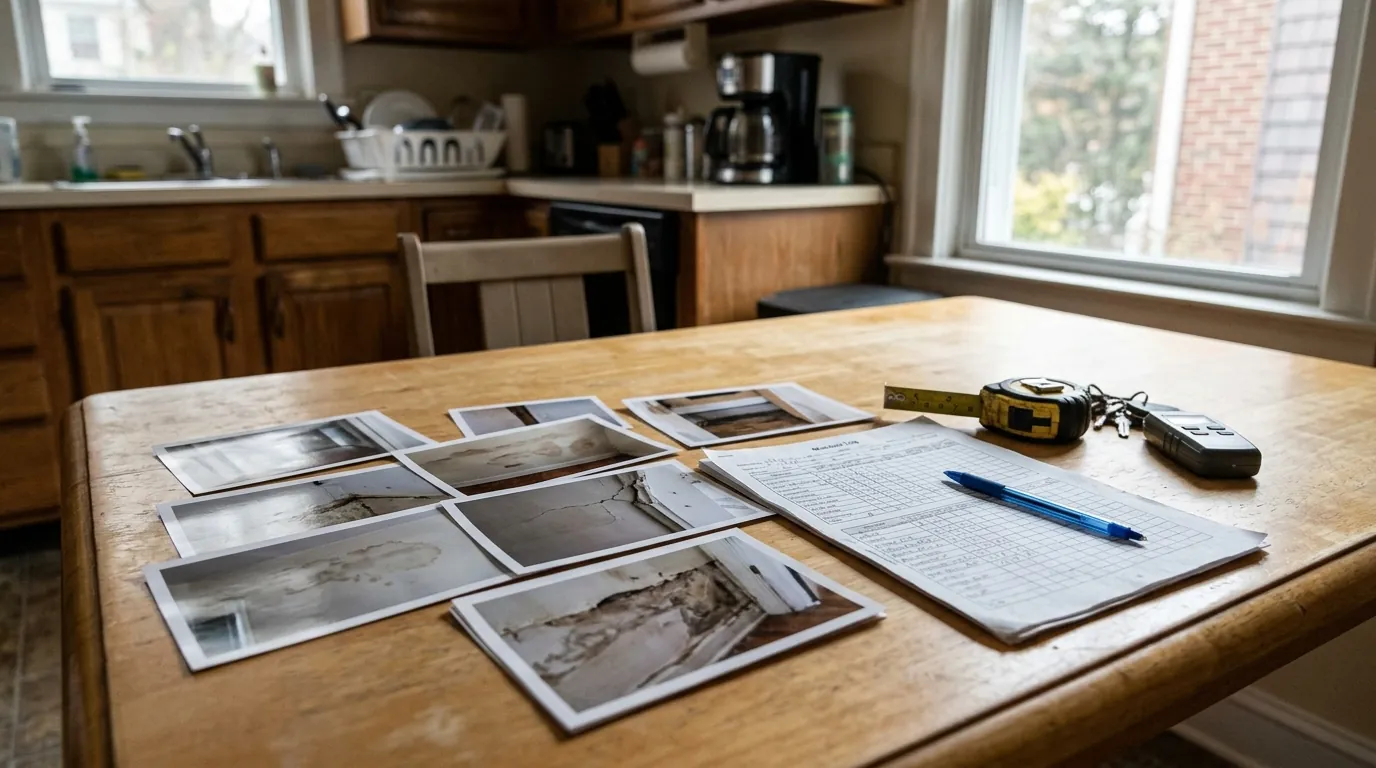
Insurance Claim Help
Insurance claim help, as we provide it, means documenting the damage and the work so you have what your insurer asks for: dated photos, moisture readings, daily drying logs, equipment records and an itemized repair scope.
How we handle itQuestions homeowners ask about fire damage restoration
Can I go back into my house after the fire department leaves?
Only when the fire department or building officials say the structure is safe, and even then keep visits short. Soot particles are fine enough to irritate your lungs, so wear an N95 mask, avoid touching walls and don't run the heating or cooling system, which spreads residue. Take photos, collect medications and documents, and leave the cleaning to us.
Is fire damage covered by homeowners insurance?
Fire is a covered cause of loss on most standard homeowners and renters policies, but limits, deductibles, contents coverage and living expense coverage vary widely. Check your policy and call your carrier early. Our photos, moisture logs and itemized scope are organized so you can share them with your adjuster, and our claim documentation help covers what adjusters typically ask for.
How long does fire damage restoration take?
A small kitchen fire with light smoke spread often takes one to two weeks of cleaning and deodorizing. A fire that brought in hose water adds drying time, usually three to five days once wet areas are opened. Larger fires that need demolition, a full contents pack-out and odor sealing can run several weeks before rebuilding starts. We give you a written schedule after the first walkthrough.
Will the water from the fire hoses cause mold?
It can if it isn't dried. Hose water soaks into subfloors, wall cavities and insulation, and the EPA notes that mold can begin growing on wet materials within 24 to 48 hours. That's why extraction and drying start as soon as the house is secured, running alongside smoke cleanup. Our technicians check framing and subfloors with pin meters until readings return to normal.
Do you have to remove all the drywall after a house fire?
Rarely all of it. Drywall that was charred, soaked by hoses or heavily coated with wet smoke residue usually comes out. Rooms farther from the fire often have only a light film that cleans off, and stains that bleed through can be sealed with a stain-blocking primer before repainting. We test each room and show you the readings and photos behind every removal.
Water in the house or a musty room you can't explain?
Call JEC Restoration any time. We answer 24/7 and talk through what you are seeing before anyone touches a wall.