Montgomery County, MD
Wet basement & mold removal in Silver Spring, MD 20910
Silver Spring's brick colonials and Cape Cods sit on basements that take on groundwater after long rains, and garden apartments share walls and pipes. We dry those basements, remove mold, and clean up after backups.
Homeowners, landlords and condo residents in Silver Spring call JEC Restoration for basement water, mold, smoke damage and sewage backups, from Downtown Silver Spring and East Silver Spring out to Four Corners and White Oak. Our Landover headquarters is a short drive around the Beltway. The number is (202) 989-3053, answered around the clock.
What goes wrong in a 1940s Silver Spring colonial or Cape Cod?
Much of Silver Spring was built out in the 1930s through the 1950s, and the neighborhoods around Sligo Creek, Woodside and Indian Spring show it: brick center-hall colonials, story-and-a-half Cape Cods with dormers, and a few Tudor revivals. Most have full basements with cinder block or poured concrete walls, steel or cast-iron drain lines, and a floor drain near the laundry tub. Original plaster survives upstairs in many of them, while the basements were finished later with paneling, drywall and wall-to-wall carpet.
These houses fail at the bottom. Block walls wick groundwater through their hollow cores, and the joint where the wall meets the slab lets water in after a soaking rain even when the gutters work. Cape Cods add a second weak point at the top: the knee walls and dormer cheeks under the roof, where flashing ages and leaks show up as stains on the sloped upstairs ceiling. In the garden apartment complexes along the main corridors, the usual call is a leak from one unit into the next through shared walls and stacked bathrooms.
Most-called services in Silver Spring
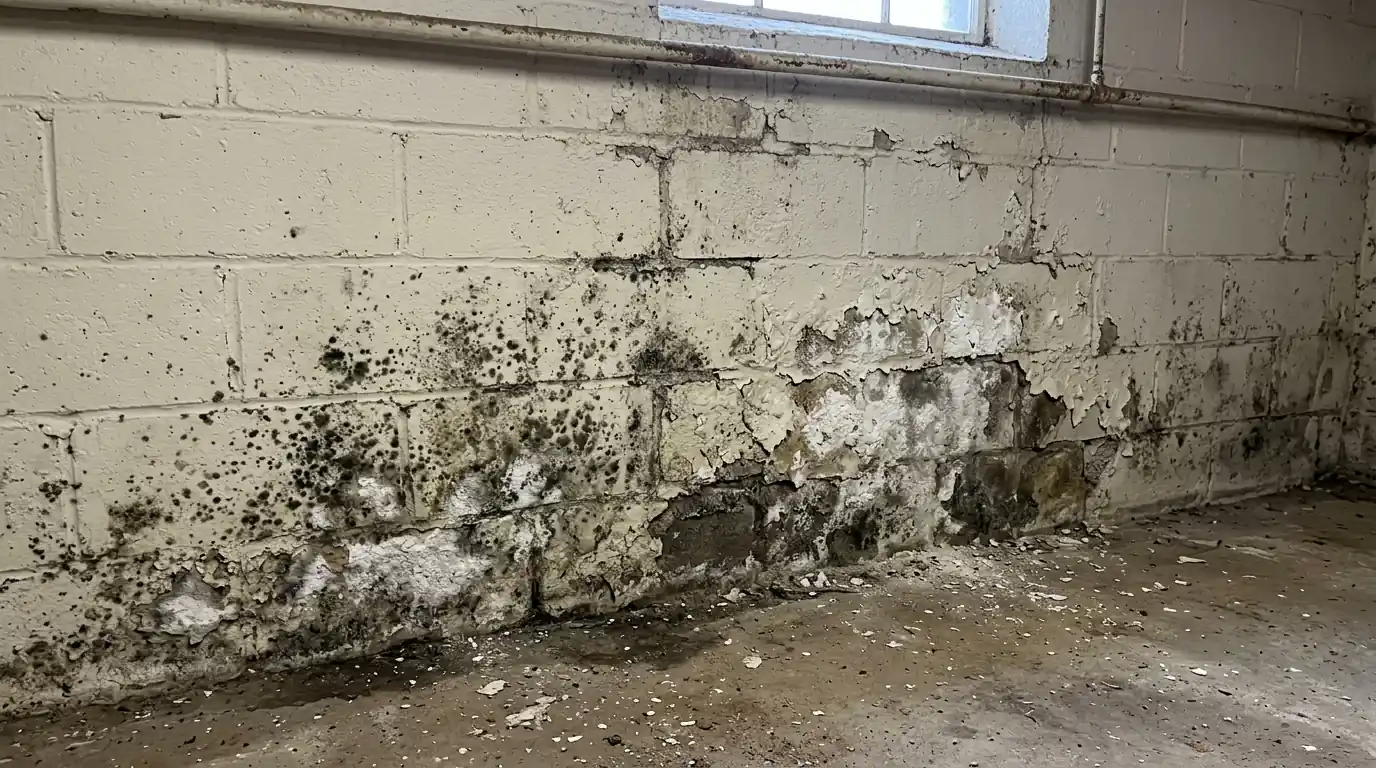
Basement Mold Removal
Basement mold removal cleans or removes growth on foundation walls, framing, finished drywall, carpet and stored contents below grade, then corrects the moisture that caused it.
How we handle it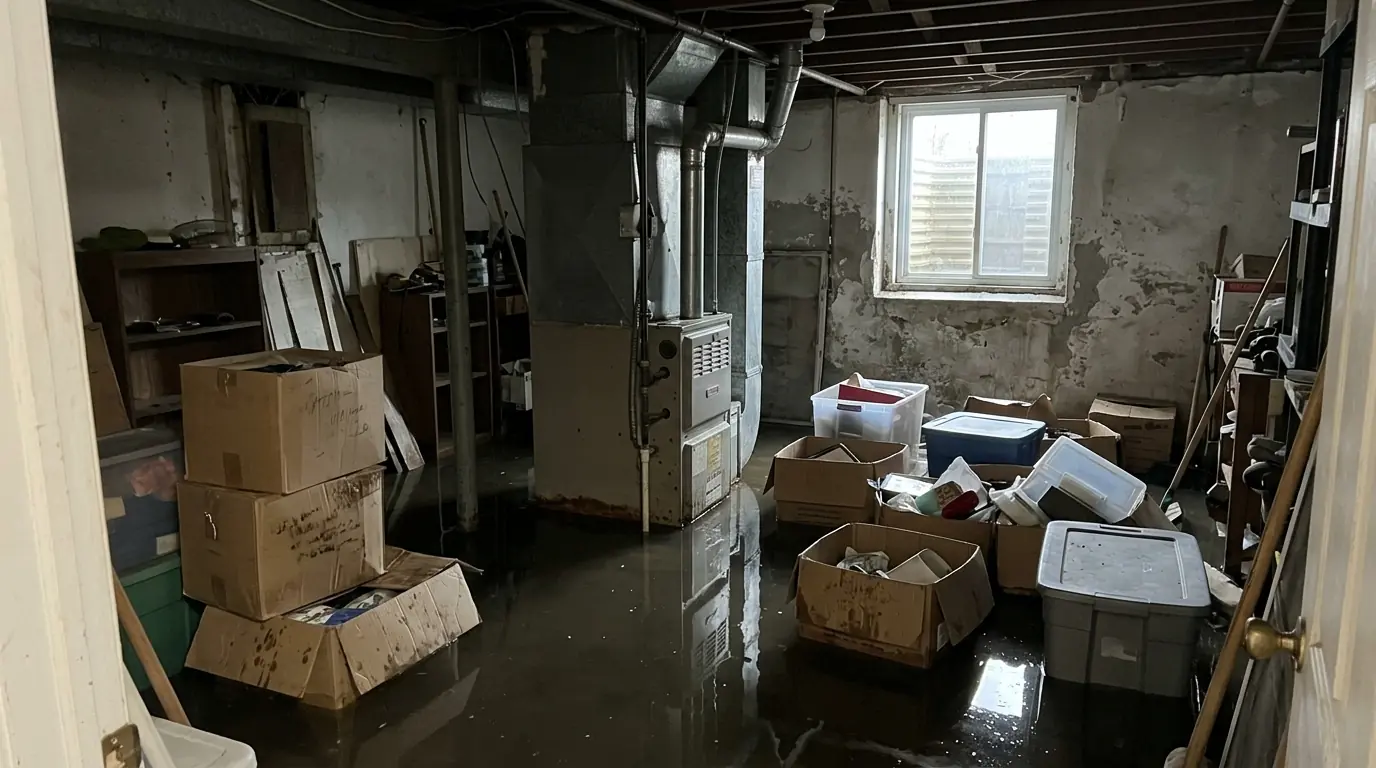
Flooded Basement Cleanup
Flooded basement cleanup removes water from a below-grade space, cleans and sanitizes what it touched, takes out finishes that cannot be saved, and dries the slab, walls and framing.
How we handle it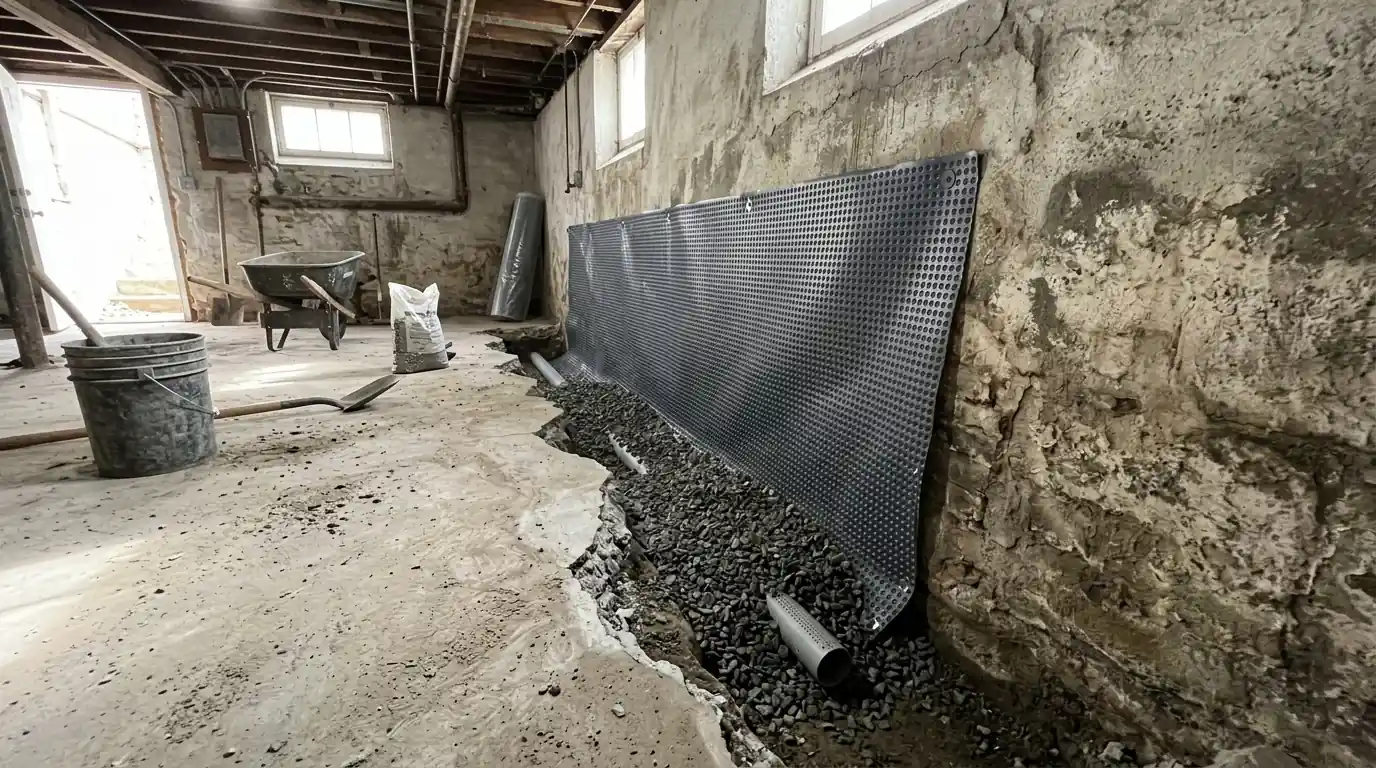
Basement Waterproofing
Basement waterproofing means stopping or managing the water that reaches a basement from outside: through wall cracks, mortar joints, the cove joint at the base of the wall, or a clogged stairwell drain.
How we handle it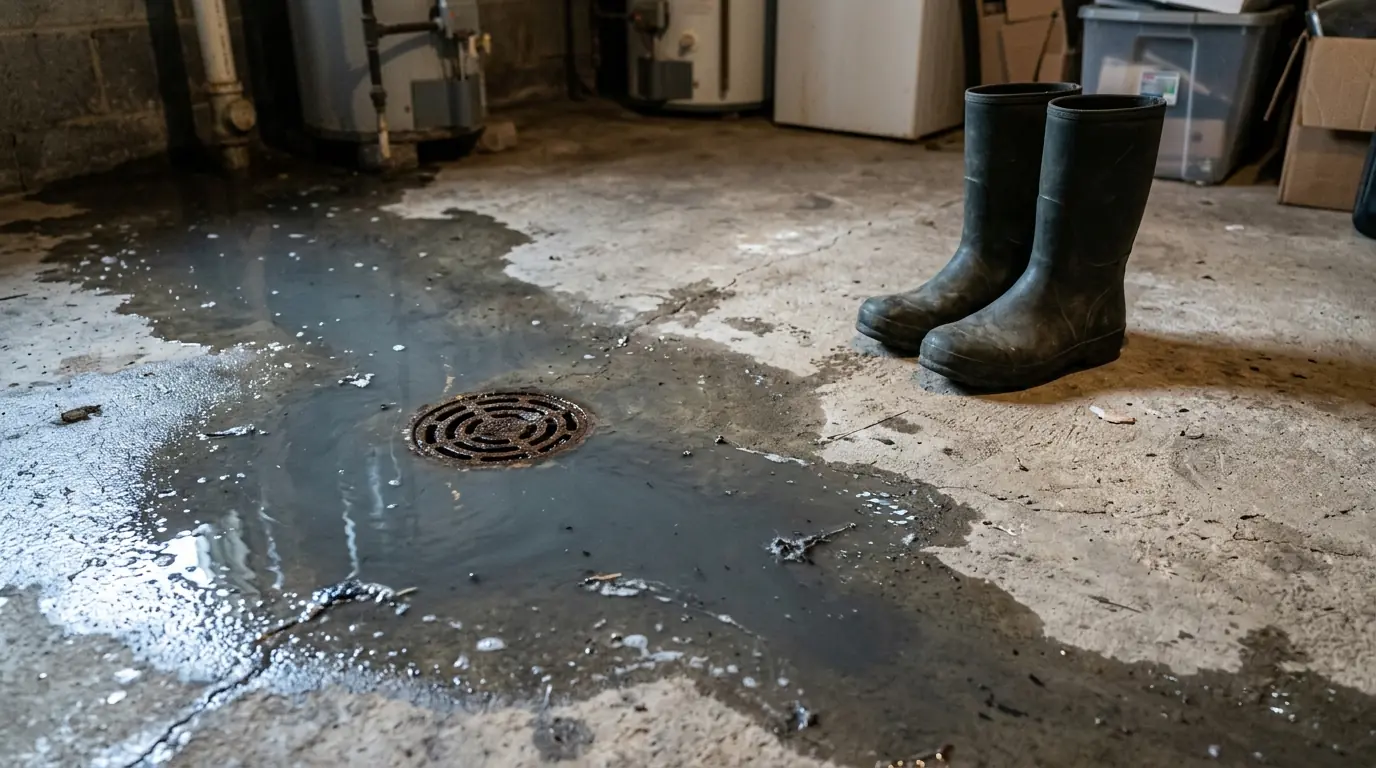
Sewage Backup Cleanup
Sewage backup cleanup is the removal of wastewater and the porous materials it soaked, followed by cleaning, disinfection and drying of the affected area.
How we handle it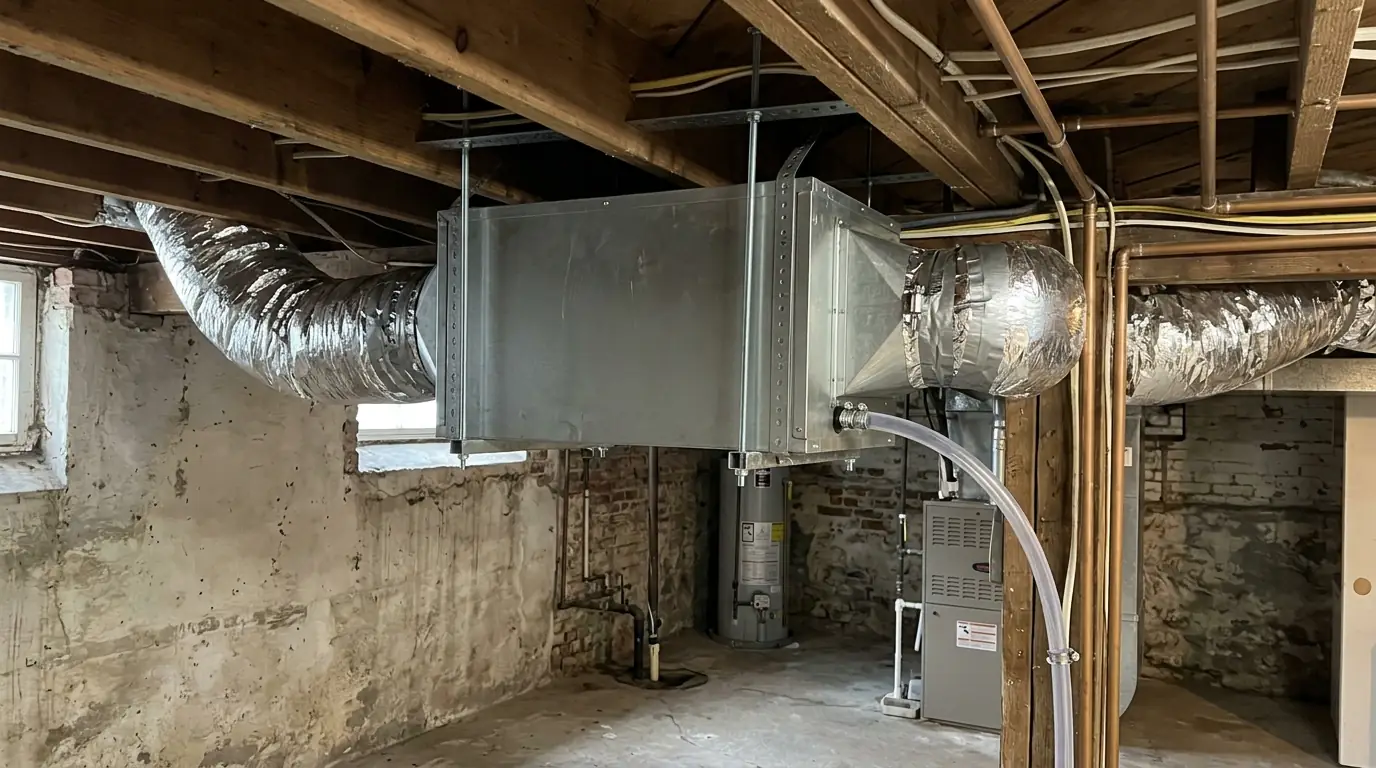
Dehumidifier Installation
A whole-basement dehumidifier is a fixed unit that pulls moisture from the air in a basement or crawl space and drains it continuously through a hose or condensate pump.
How we handle itWhy do Silver Spring basements take water even when it is not raining?
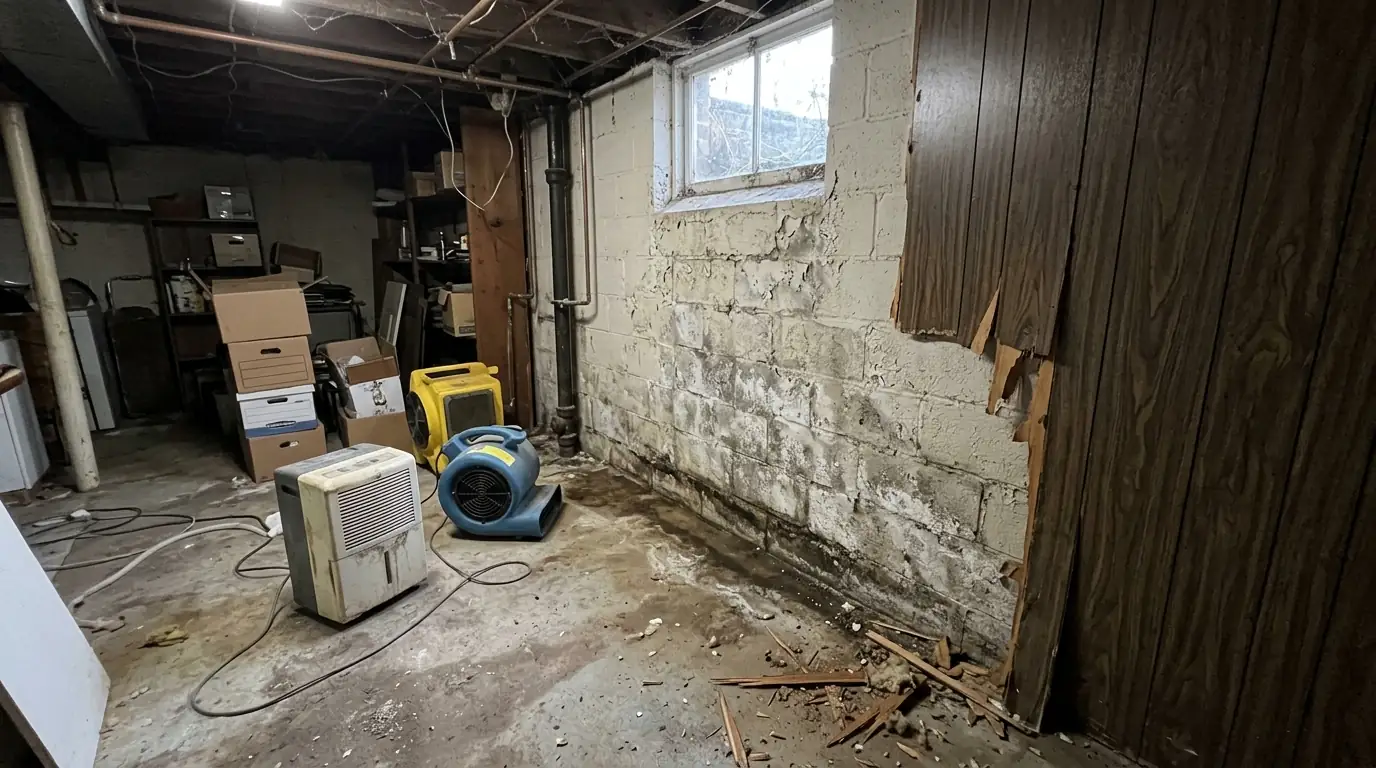
Sligo Creek and its branches run through the middle of the area, and the parkland along Sligo Creek Park sits on the low ground the creek cut over a long time. Houses on the side streets that drop toward the stream valley, and toward Northwest Branch to the east, sit closer to the water table. After a wet week, groundwater rises and seeps through block walls for days after the storm has passed, which is why homeowners in 20910 and 20901 often find a damp carpet edge on a sunny morning.
Summer thunderstorms bring the faster version: window wells fill, an exterior stairwell drain clogs with leaves, and water runs under the basement door. In older blocks, roots in clay or cast-iron sewer laterals lead to floor drain backups when a household runs the washer and dishwasher at once. Our guide to telling groundwater from a sewer backup explains the clues, because the cleanup is very different.
Typical calls we get from Silver Spring
Groundwater seepage along a block wall
After several days of rain, the carpet along one basement wall of a Woodside colonial stays wet. We pull the pad and the lower drywall, dry the block and framing with dehumidifiers and air movers, and check the cove joint and gutters to find where the water is coming from.
Musty smell behind basement paneling
A finished basement in a 1950s Cape Cod smells musty every summer. We open the paneling where readings run high, find mold on the back of it and on the furring strips, and remove it under containment with HEPA air filtration before rebuilding.
Garden apartment bathroom leak into the unit below
A tub drain leaks inside a shared wall and wets the ceiling and wall of the apartment underneath. Working from the lower unit, we vent the wall cavity and ceiling with directed air, document readings for the property manager, and replace the damaged drywall when the framing is dry.
Floor drain backup from a root-clogged lateral
Laundry water comes up through a basement floor drain in an older East Silver Spring house. Once a plumber opens the line, we handle the area as contaminated water, remove soaked carpet and the bottom of the drywall, disinfect, and dry the space.
How do we work around tight lots, apartments and downtown parking?
Many Silver Spring houses sit on narrow lots with a single driveway and a side door to the basement, so we plan the equipment route before carrying anything in. Wet carpet and pad leave by that side door, never across the living room rug. In Downtown Silver Spring, near Ellsworth Drive and the Metro station, we coordinate loading zones and elevators with building management for condo and apartment jobs.
For basement units rented to tenants, we work around the occupant: the source of the water gets fixed first, then we set up drying with the equipment placed where it will not block exits. Most basement drying in block-walled houses takes three to five days of steady dehumidification. If seepage keeps coming back, we can talk through interior drainage and waterproofing once the space is dry. When the musty smell outlasts the water, we look behind the paneling for mold on the back of finished walls.
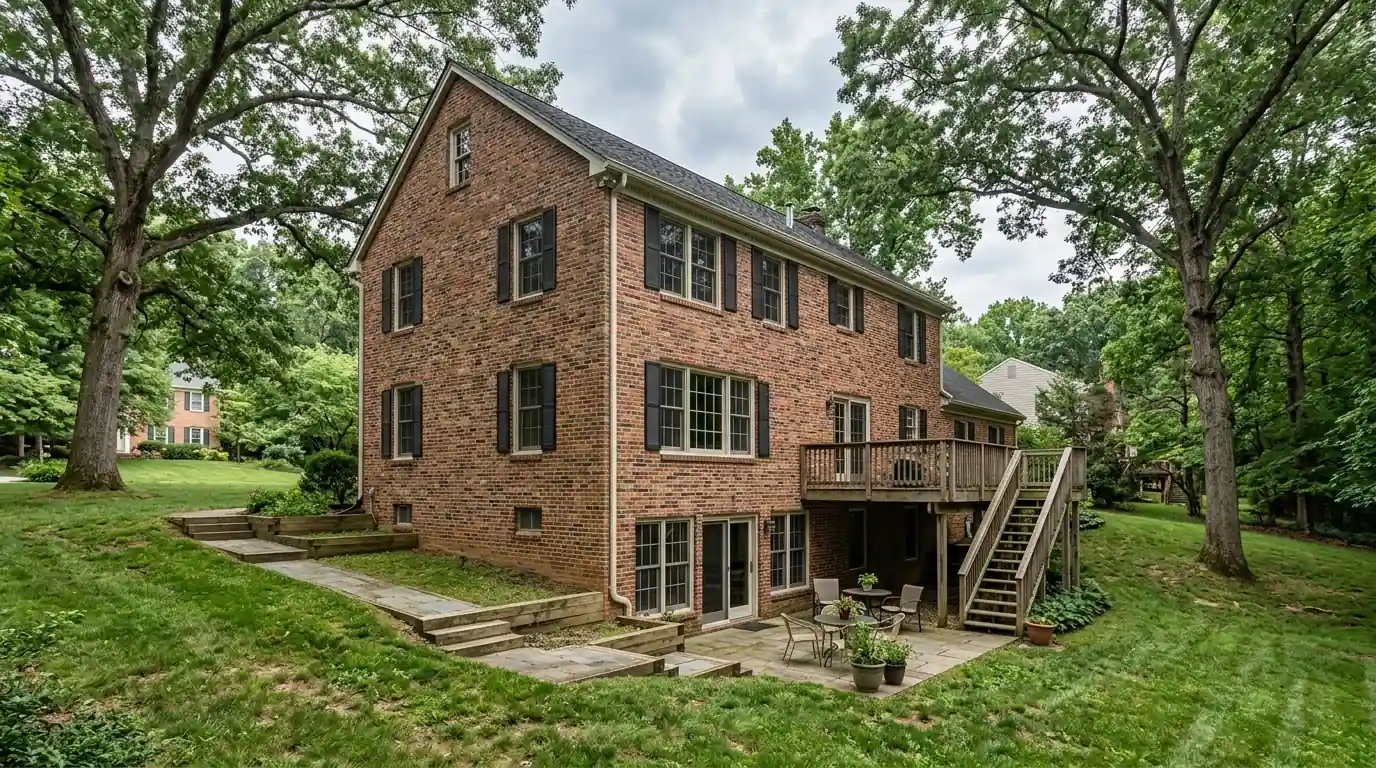
Typical homes in this part of the DC area
Nearby areas we also cover
Questions from Silver Spring homeowners
My Silver Spring basement only gets wet a day or two after it rains. What does that mean?
A delayed wet spot usually points to groundwater, not a gutter or roof leak. As the soil around the house fills with water, pressure pushes moisture through the block wall or the joint between wall and floor. Interior drains, a sump pump, and better grading all help. Before any of that, wet carpet and drywall need to come out or be dried so mold does not start.
Is it safe to keep using a Silver Spring basement apartment while it dries?
It depends on the source. After a clean water leak, a tenant can often stay while equipment runs, as long as exits stay clear and the noise is manageable. After a sewage backup or if mold is being removed, the affected area should be closed off until cleaning and drying are finished. We set up containment and explain the plan to both owner and tenant.
How do I know if the plaster ceiling under a Cape Cod dormer needs to come down after a roof leak?
Plaster on lath often survives a small leak if it dries quickly and stays attached. We check moisture with a meter and press gently to see whether the keys holding the plaster to the lath have let go. A sagging or soft ceiling needs to come down. A stained but firm one can usually be dried, sealed and painted once the roof is repaired.
Water or mold trouble in Silver Spring?
Call JEC Restoration any time. We answer 24/7 and talk through what you are seeing before anyone touches a wall.