Fire & Smoke
Odor removal for homes in Washington, DC
A smell that won't leave has a source: residue, a soaked material or moisture feeding growth. We find it and remove it first, then treat what's left in the air and the structure.
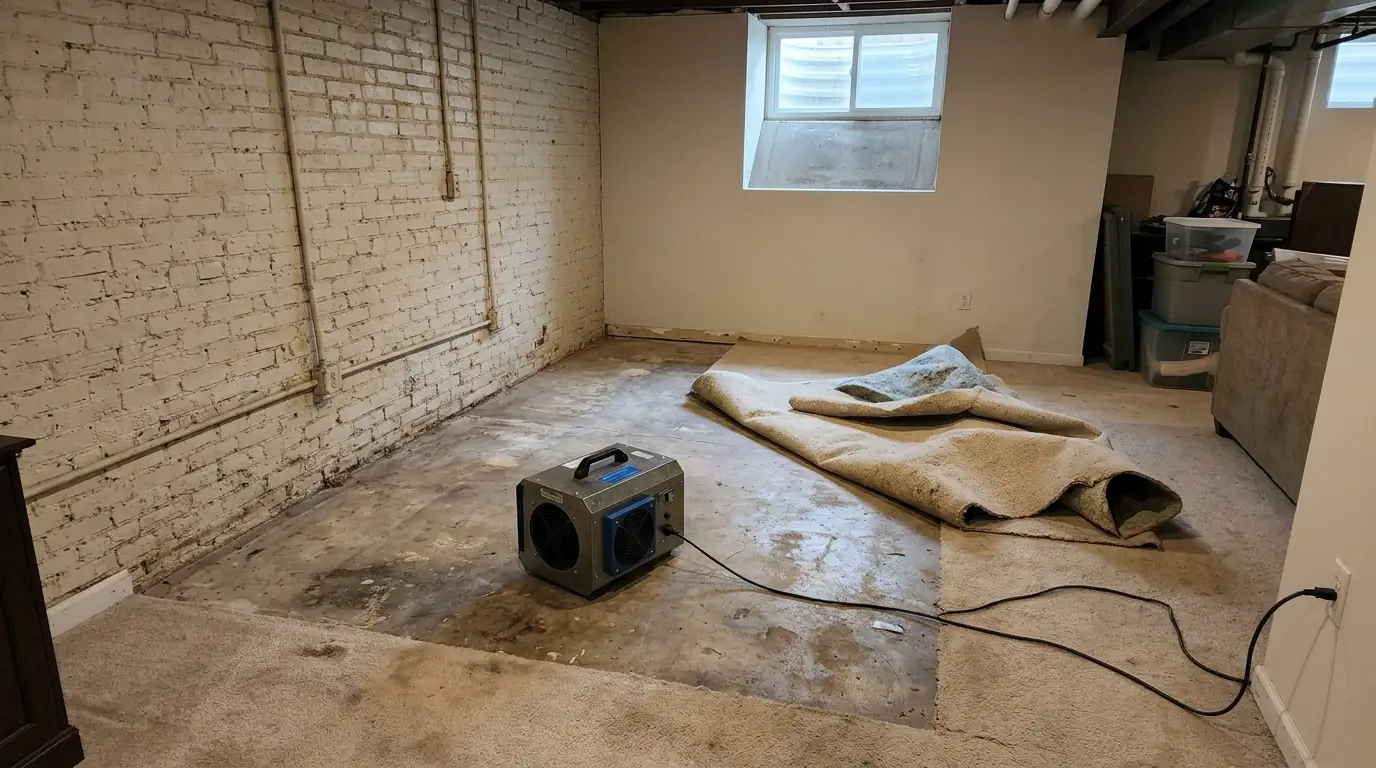
Drying, air and detection equipment on our jobs comes from names like
- Dri-Eaz
- Phoenix
- B-Air
- Abatement Technologies
- Protimeter
- Delmhorst
- FLIR
- Benefect
- Concrobium
- Omnitec
- Sapphire Scientific
- Tramex
Odor removal is the process of finding what's causing a persistent smell in a home, removing or cleaning that source, and then treating the remaining odor with methods like thermal fogging, hydroxyl generators or, in empty spaces, ozone. It's needed when smoke, pet urine, sewage or musty smells stay after normal cleaning and airing out. Deodorizing without removing the source only covers the smell for a while. Call (202) 989-3053.
Why does an odor come back after it's been cleaned or covered?
Smells are molecules released by something. As long as that something is still in the house, the odor will return, usually when it gets warm or humid. Air fresheners and scented sprays only add a stronger smell on top. Even professional deodorizers fail if they're used before the source is gone, which is why so many homeowners tell us the smell came back a week after someone treated it.
Sources hide in predictable places. Smoke residue sits inside wall cavities, on duct interiors and in attic insulation. Pet urine soaks through carpet into the pad, the subfloor and the bottom edge of drywall. Sewage leaves bacteria in grout, concrete and the bottom of walls. Musty odors come from mold growth or damp materials that never fully dried. No treatment works until the material holding the smell is cleaned, sealed or taken out. We spend the first part of every odor job finding the source, using our noses, moisture meters and UV lights for urine, and opening walls or lifting carpet when readings point there.
How do we take an odor from source to gone?
Odor removal is a sequence, and skipping the early steps is the main reason treatments fail.
Find the source
We walk the house, use moisture meters and UV lights, and check ducts, cavities and floors. If readings point inside a wall or under flooring, we open a small inspection area.
Remove or clean it
Saturated pad, insulation or drywall is removed. Residue is cleaned from surfaces, and contaminated areas are disinfected where sewage or urine was involved.
Treat the structure
Remaining odor in the building materials is treated with thermal fogging, hydroxyl generators or ozone, chosen for the odor type and occupancy.
Seal what can't come out
Framing, subfloors and concrete that still hold odor get an odor-sealing primer before new finishes go on.
Close up and recheck
We close the house for a period, then return to check for odor. If it's still there, we track down what was missed before closing the job.
How do thermal fogging, hydroxyl generators and ozone compare?
Once the source is handled, what's left is odor that has penetrated surfaces and the air. Each treatment reaches it differently, and we choose based on the odor, the materials and whether anyone needs to stay in the home.
- Thermal fogging: a heated deodorant is turned into a fine fog that behaves like smoke, drifting into the same cracks, cavities and porous materials the original smoke reached. It's especially effective for fire odor. The room is vacated during fogging and aired out afterward.
- Hydroxyl generators: these units use UV light to produce hydroxyl radicals from moisture in the air, which break down odor molecules. They work more slowly, often over several days, but are designed to run while people and pets are present, making them useful in homes where you can't move out.
- Ozone generators: ozone is a strong oxidizer that can break down stubborn odors, but it's also a lung irritant. We use it only in spaces that are empty of people, pets and plants, and the space stays closed until ozone levels drop before anyone goes back in.
- Sealing: for odors embedded in framing, subfloors or concrete, a shellac-based or specialty odor-sealing primer locks in what can't be removed.
When does a smell mean you need more than airing out?
If one of these sounds familiar, the odor source is probably still in the house.
Smell returns in humid weather
Odors that come back in summer or on rainy days point to urine salts, smoke residue or damp materials releasing molecules as humidity rises.
Smell strongest near the floor
A stronger odor at carpet level or along baseboards often means something soaked into the pad, subfloor or bottom of the wall.
Odor when heat or AC starts
If the smell spikes when the system kicks on, residue or growth is in the ductwork, air handler or a nearby cavity.
Musty smell in one room
A localized musty odor usually means hidden moisture, such as a slow leak behind a wall or under a floor.
Sewer smell after a backup
Lingering sewage odor after a cleanup means contaminated material or residue was left in drains, grout or porous surfaces.
Smoke smell weeks after a fire
If smoke odor hasn't faded weeks after cleaning, it's likely in insulation, wall cavities or porous finishes that weren't treated.
How are pet, sewage and musty odors different from smoke?
Pet urine is a combination of salts, proteins and bacteria. When it dries, the salts crystallize and release odor every time humidity rises, which is why a room that smells fine in winter can reek in August. Enzyme cleaners break down the organic part, but if urine reached the pad and subfloor, those layers need to be removed or the subfloor sealed. UV lights help us map exactly where it soaked in.
Sewage smells come from bacteria and gases left behind after a backup. If the cleanup wasn't complete, residue in floor drains, grout lines and porous materials keeps the smell going. That situation calls for thorough cleaning and disinfection like we do in sewage backup cleanup, not just deodorizing. Sometimes the smell is a dry floor drain trap or a failed wax ring, which a plumber fixes.
Musty odors usually mean moisture and microbial growth. A basement that smells musty after a humid summer often has damp walls, wet carpet or mold growing somewhere you can't see. The fix is drying the space and dealing with any growth through proper mold remediation, then controlling humidity so it doesn't return.
What does professional odor removal cost?
Cost depends far more on the source removal than on the deodorizing itself, since removing a soaked subfloor costs more than running a machine.
| Hydroxyl or fogging treatment, one room, source already removed | $380-$1,150 |
|---|---|
| Pet urine odor with pad removal and subfloor sealing | $1,240-$3,880 |
| Whole-house smoke odor treatment after cleaning | $1,960-$5,470 |
| Musty basement odor with drying and source removal | $1,530-$4,690 |
These are typical DC-area ranges, not quotes; we price after an on-site assessment. Compare ranges across all 40 services.
What moves the price
- What's causing the odor
- Materials to remove
- Square footage treated
- Need to stay in the home
- Sealing primer needed
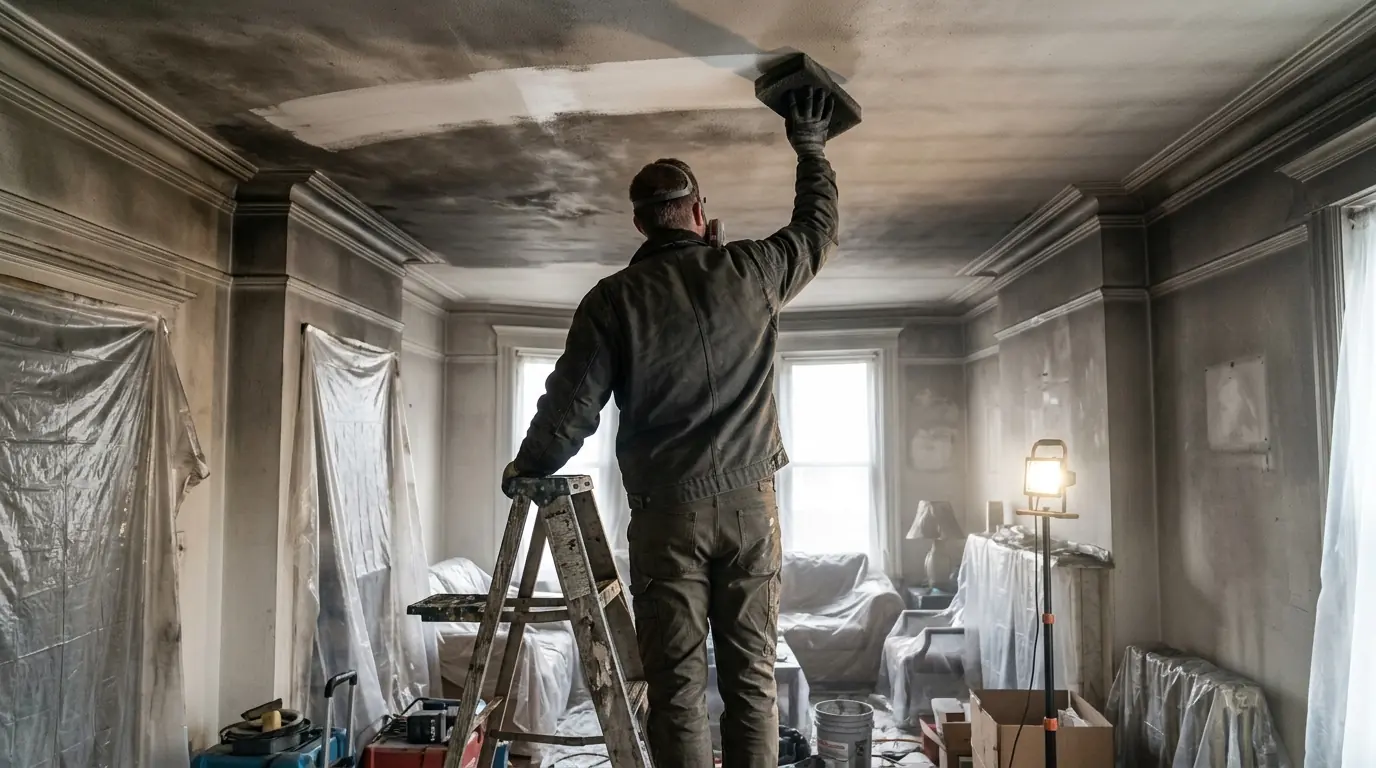
Dry-sponge soot cleanup on a rowhouse ceiling
Why do DC basements and rowhouses hold onto odors?
DC's humid summers make every odor problem worse. From July through September, basement humidity climbs, and that's when musty smells, old pet urine and leftover sewage odors come back in force. English basements in rowhouses are especially prone: they sit partly below grade, the old brick and cinder block walls wick moisture, and many have floor drains tied into older sewer lines where dry traps let sewer gas in. In neighborhoods such as Petworth and Brookland, a common call is a musty basement apartment that a landlord wants fixed before a new tenant moves in. Rowhouse smoke odors also travel next door through party walls and shared chimney flues. Condo units have their own issue: smells from a neighbor's unit, a trash chute or a plumbing chase can drift in, and the fix might need building management's help. In the suburbs, crawl spaces and finished basements hold musty odors that rise into living areas through floor gaps and return ducts.
Where we do this work: Washington, DC and nearby Maryland and Virginia, including:
Related work we often do on the same job
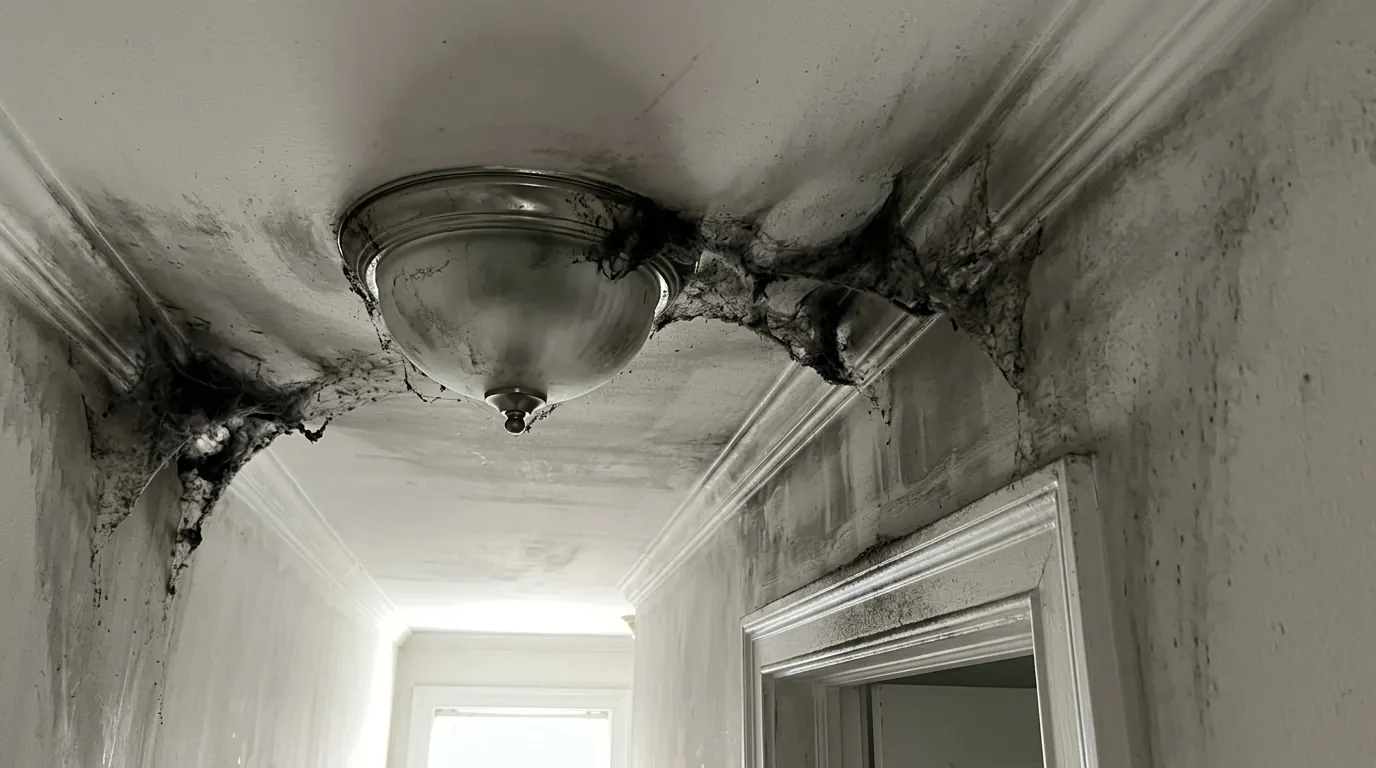
Smoke Damage Cleanup
Smoke damage cleanup removes the residue a fire leaves on walls, ceilings, ducts and belongings, then neutralizes the odor tied to it.
How we handle it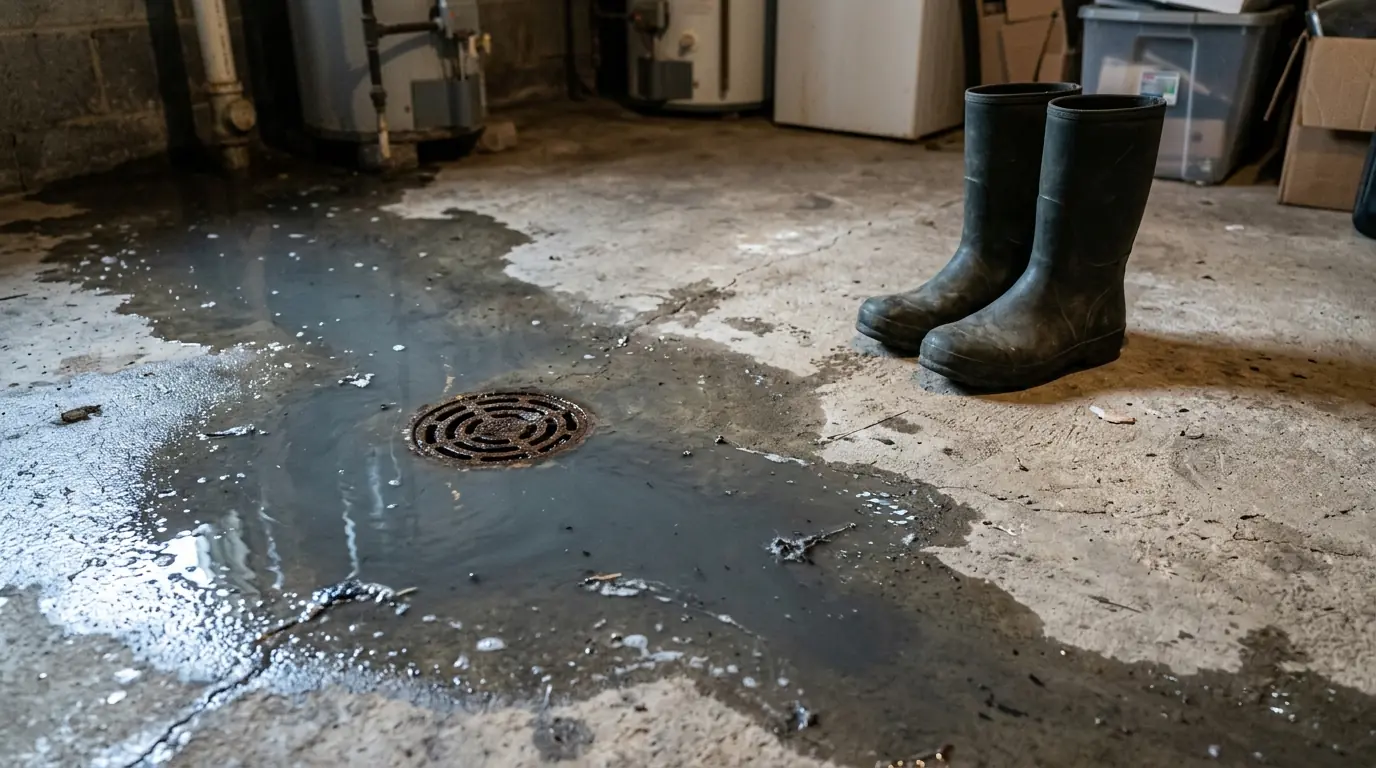
Sewage Backup Cleanup
Sewage backup cleanup is the removal of wastewater and the porous materials it soaked, followed by cleaning, disinfection and drying of the affected area.
How we handle it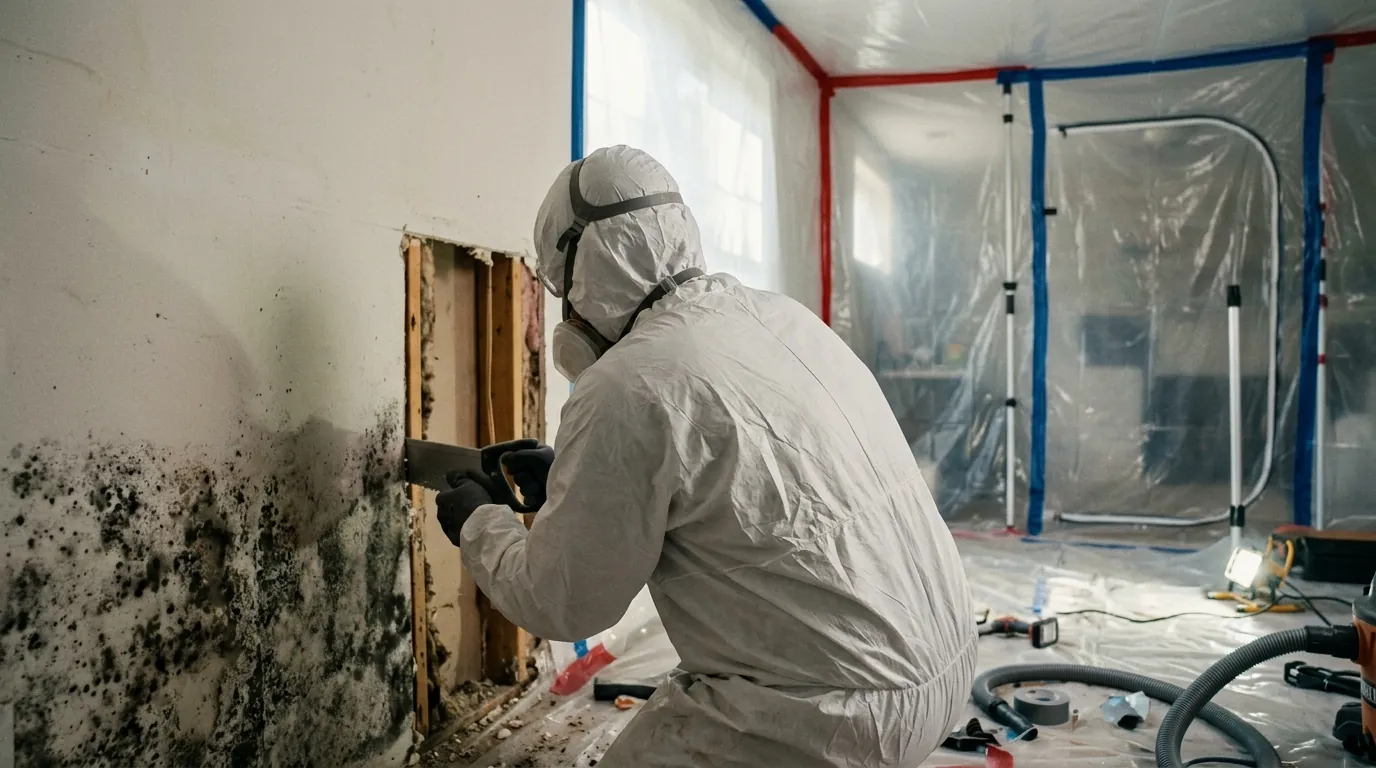
Mold Remediation
Mold remediation is the controlled removal of mold growth from a building.
How we handle it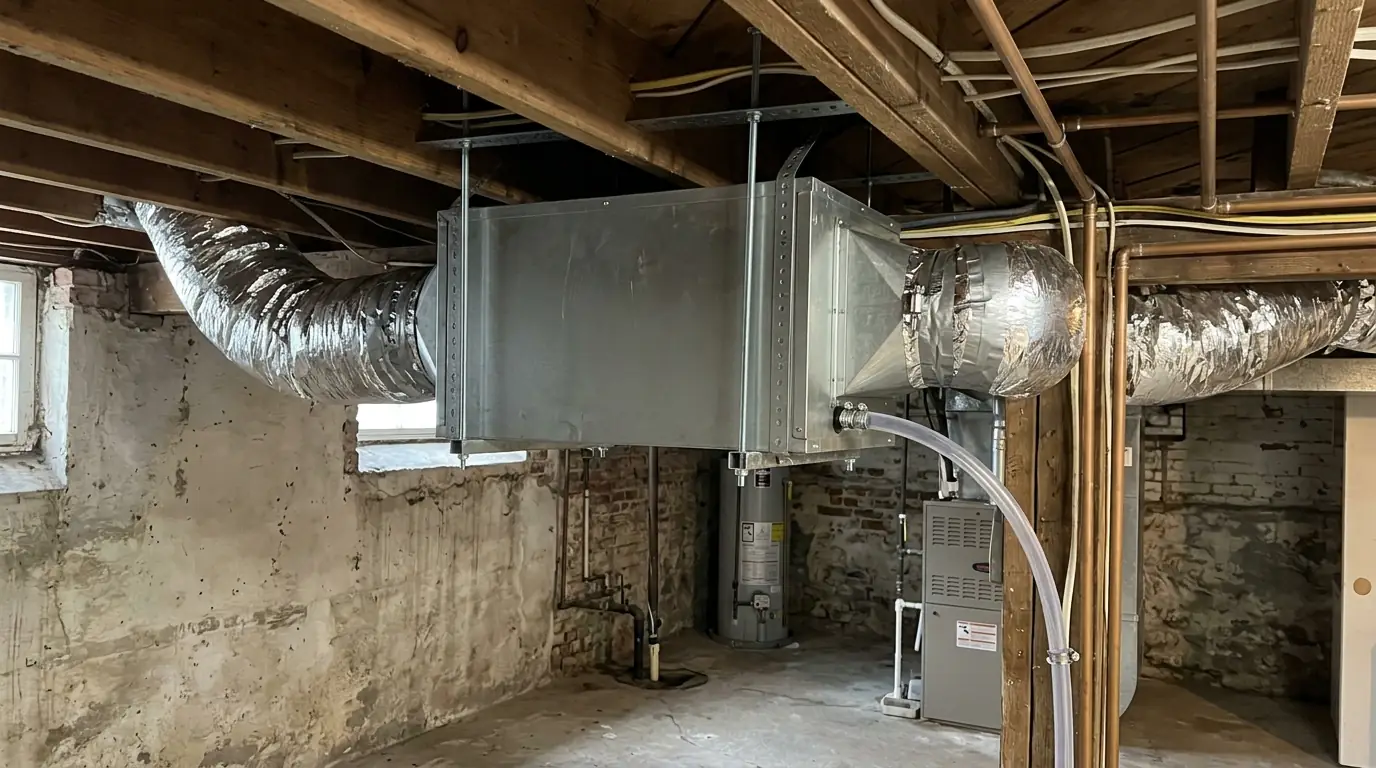
Dehumidifier Installation
A whole-basement dehumidifier is a fixed unit that pulls moisture from the air in a basement or crawl space and drains it continuously through a hose or condensate pump.
How we handle itQuestions homeowners ask about odor removal
Is ozone safe to use in my home?
Ozone is an effective oxidizer for odors but it irritates the lungs, so it should never run while people, pets or plants are inside. When we use it, the space stays empty and closed until ozone levels drop, and we air it out afterward. Ozone can also degrade some rubber and plastics with heavy exposure. For occupied homes, we usually choose hydroxyl generators instead.
Can you remove odor without moving out of the house?
Often, yes. Hydroxyl generators are designed to run with people and pets present, and source removal can be done room by room while you stay in other parts of the house. Thermal fogging and ozone need the area empty for a few hours. We plan the treatments around your schedule and tell you exactly which rooms to avoid and for how long.
Why does my house smell like smoke months after the fire?
Smoke residue usually remains somewhere: inside wall or ceiling cavities, in attic insulation, on duct surfaces or in porous materials like unsealed wood and flat paint. Heat and humidity release more odor. We trace where it's coming from, clean or remove the material, then fog and seal. The cleaning side of that is described on our smoke cleanup page.
Will replacing carpet get rid of a pet urine smell?
Only if the urine didn't reach the subfloor or the bottom of the walls. In heavy or long-term cases it usually did. If new carpet goes over a contaminated subfloor, the smell returns as soon as humidity rises. We use UV lights to find where urine soaked through, then clean, seal or replace the subfloor before new flooring goes down.
What causes a musty smell in a basement that looks dry?
A basement can look dry and still have damp materials or hidden mold behind finished walls, under carpet or in the space between a slab and flooring. High summer humidity alone can also keep surfaces damp. We take moisture readings and humidity measurements to locate the cause, and our leak detection work often finds the source behind the smell.
Water in the house or a musty room you can't explain?
Call JEC Restoration any time. We answer 24/7 and talk through what you are seeing before anyone touches a wall.