Knowledge Base
Sewer backup or groundwater? How to tell in your basement
Both show up after heavy rain, both leave a wet floor, and both get called a flooded basement. The difference decides how the water has to be cleaned up, what can be saved and which part of your insurance policy might apply.
By Winifred Larkin, Knowledge Base EditorUpdated 6 min read
The short version
- Water rising from the floor drain during a storm is almost always a sewer backup and should be treated as Category 3.
- Seepage at the base of walls that builds hours after rain is usually groundwater.
- Backwater valves stop combined sewer backups but need yearly checks and careful use during storms.
- Sewer backup and flood losses often need separate coverage, so document the source and check your policy.
Why does the source matter so much?
Groundwater is rain that has soaked into the soil and pushed through the foundation. It carries dirt and minerals but, in most cases, little sewage, so cleanup focuses on removing the water and drying the structure. Sewer backup is water that came out of the drain system. Even when it looks fairly clear, it carries bacteria and viruses from household waste and, in the combined sewer areas of DC, whatever washed off the streets.
The cleaning industry sorts water into three categories. Category 1 is clean water from a supply line. Category 2 carries some contamination, like washer discharge or a toilet overflow with no waste. Category 3 is grossly contaminated: sewage, and floodwater that has picked up sewage or soil. Groundwater seepage is often treated as Category 2 or 3 depending on what it touched, while a sewer backup is Category 3 from the start. The category decides what gets thrown away, what can be cleaned, and what protective gear is needed.
Where did the water come in?
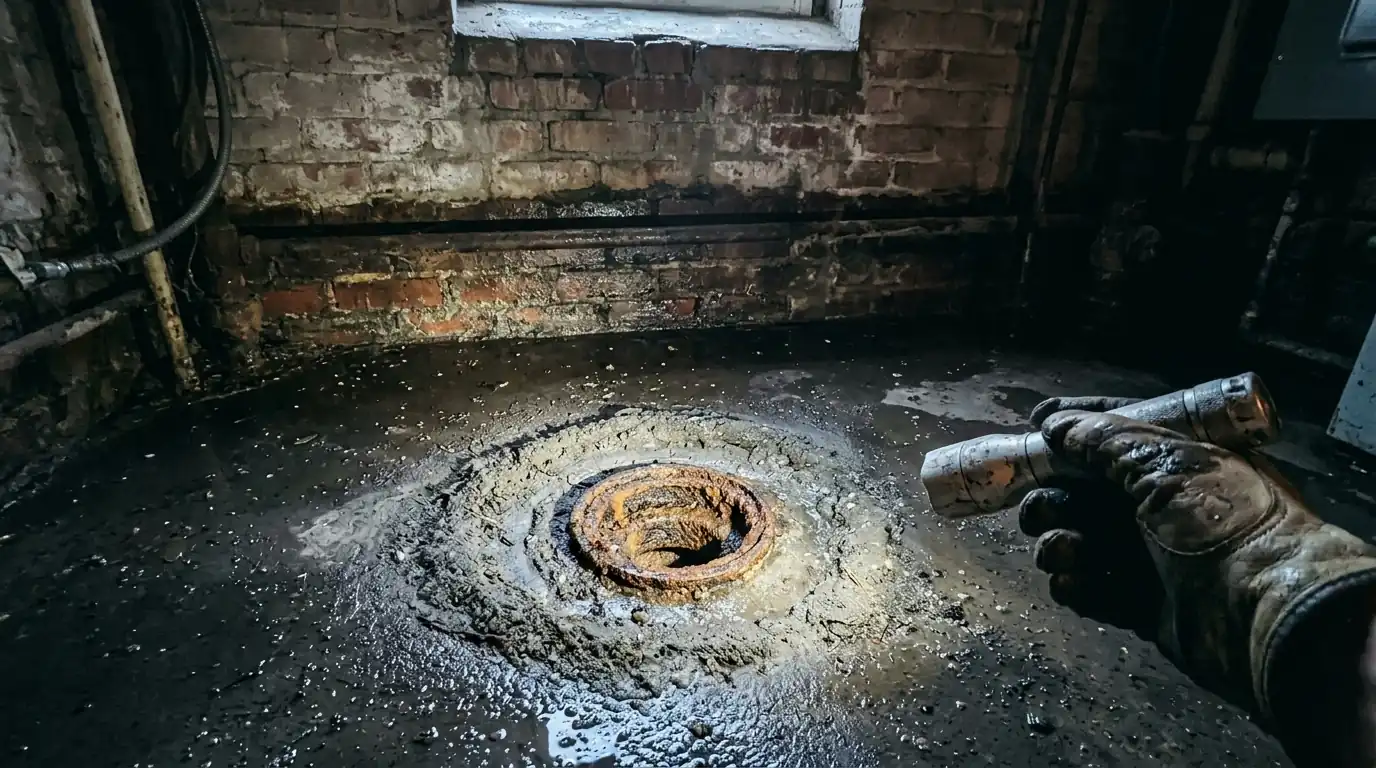
The entry point is the strongest clue. Walk the basement with a flashlight before anything gets mopped, and look at where the water is deepest and where the wet area started.
- Rising from the floor drain, a basement toilet, a shower drain or a laundry standpipe: sewer backup. Look for a ring of debris, grit or toilet paper around the drain.
- Seeping along the base of a wall, through a crack in the slab, or where the floor meets the wall: groundwater or surface water working through the foundation.
- Coming in under a door or through a window well: surface runoff from a clogged stairwell drain, areaway or window well.
- Wet patches on the wall itself, darkest low and fading upward: groundwater pressure or water from a downspout dumping beside the house.
- Water appearing at the sump pit faster than the pump can clear it, with no drain involvement: groundwater, possibly with a failed or undersized pump.
What do smell, color and timing tell you?
A sewage odor is the most obvious tell. Raw sewage smells like it, and even a modest backup leaves a sulfur or rotten smell around the drain. Groundwater smells earthy or like wet concrete. Color helps less than people expect: sewer water can look gray or almost clear, and groundwater can come in brown with mud.
Timing is the clue people tend to skip. A combined sewer backup usually comes on fast during the heaviest part of a downpour, often within the storm itself, and may recede as the rain eases and the sewer catches up. Groundwater tends to lag. It builds hours after the rain starts, can keep seeping for a day or two after a long soaking rain or a week of storms, and often shows up along the same wall each time.
Also notice what happens when you run water upstairs. If the floor drain gurgles or rises when someone flushes or runs the washer, even on a dry day, the house's own drain line is partly blocked, and that is a plumbing call before it becomes a cleanup call.
How should Category 3 water be handled?
If you suspect sewage, keep children, pets and anyone with a weakened immune system out of the basement. Stop using water in the house so you aren't adding to the backup. Wear rubber boots, waterproof gloves and eye protection if you must go down there, and wash thoroughly afterward. Don't run fans over the area, since moving air spreads contaminated droplets and dried residue.
Professional sewage cleanup follows a set order. Our technicians extract the water and solids, then remove porous materials that touched it: carpet and pad, drywall cut above the water line, insulation, and usually particleboard furniture and cabinet bases. Hard surfaces like concrete, tile and sealed wood get cleaned with detergent, rinsed and treated with an antimicrobial. Only after cleaning does drying begin, with dehumidifiers and air movers set up to avoid spreading residue. Our sewage backup cleanup page lays out the full sequence.
Groundwater seepage gets a different plan. If the water is clean and caught early, carpet can sometimes be dried in place, and the focus shifts to drying walls, framing and subfloors and then to fixing the entry point.
Does a backwater valve stop sewer backups?
A backwater valve is a one-way flap installed on the main sewer line where it leaves the house. Waste flows out normally; when the public sewer surcharges and tries to push water back, the flap closes and holds it out. In older DC neighborhoods on the combined sewer, such as Bloomingdale and parts of Capitol Hill, Shaw and Petworth, it is the standard defense against floor drain backups. DC Water has run rebate programs for backwater valves in some years, so check what is currently offered.
A valve has limits. While it is closed, water from inside the house has nowhere to go, so running the washer or flushing during a storm can back up your own fixtures. Valves also need cleaning and inspection about once a year, because debris can keep the flap from sealing. Installation should be done by a plumber, and in DC a permit is usually required.
Groundwater calls for different tools: clear exterior drains, downspouts carried away from the foundation, repaired parging, interior drainage and a sump pump with a battery backup. See our waterproofing options for older basements and the walk-through on where English basements take on water.
What should you know about insurance for each type?
Standard homeowners policies often exclude both of these losses unless you added coverage. Sewer and drain backup is usually covered only with a water backup endorsement, an add-on that often carries a separate limit, sometimes much lower than the damage in a finished basement. Groundwater seepage and surface flooding are typically excluded from homeowners policies; flood coverage, through the National Flood Insurance Program or a private flood policy, is a separate purchase, and its basement coverage is limited.
That is why the source should be documented before cleanup. Photograph the floor drain, the water line on walls and the place where water entered, and note the time and rainfall. Check your policy and talk to your agent about which coverage applies. Our page on help with water damage claims explains the paperwork we can provide, including moisture logs and photos. If water is in your basement now, call (202) 989-3053, any hour.
Questions readers ask
My floor drain overflowed but the water looked clean and didn't smell. Is it still sewage?
Treat it as sewage unless you are sure where it came from. Water coming up through a floor drain has passed through drain lines that carry household waste, and in combined sewer areas it mixes with street runoff. Low odor often just means it was diluted by rainwater, not that it was safe. Porous materials it reached usually need removal, and hard surfaces should be cleaned and disinfected.
Water comes up through cracks in my basement slab every big storm. Is that the sewer?
Usually not. Water pushing up through slab cracks or at the joint where the floor meets the wall is typically groundwater under pressure from saturated soil. It tends to lag the rain and smell earthy. If the cracks sit right next to a buried drain line, have a plumber run a camera through it, since a broken pipe under the slab can let both groundwater and sewage through.
We have a backwater valve, and the basement still flooded. What could have happened?
Three common reasons: debris kept the flap from sealing; someone ran water inside the house while the valve was closed and the house's own waste had nowhere to go; or the water was groundwater coming through the walls or slab, which a valve can't stop. Look at where the water entered first. Then have a plumber inspect and clean the valve, and consider a sump pump if seepage is the issue.
Winifred Larkin, Knowledge Base Editor at JEC Restoration. She writes and updates these guides from the questions homeowners ask our crews on DC area jobs.
Services this guide connects to
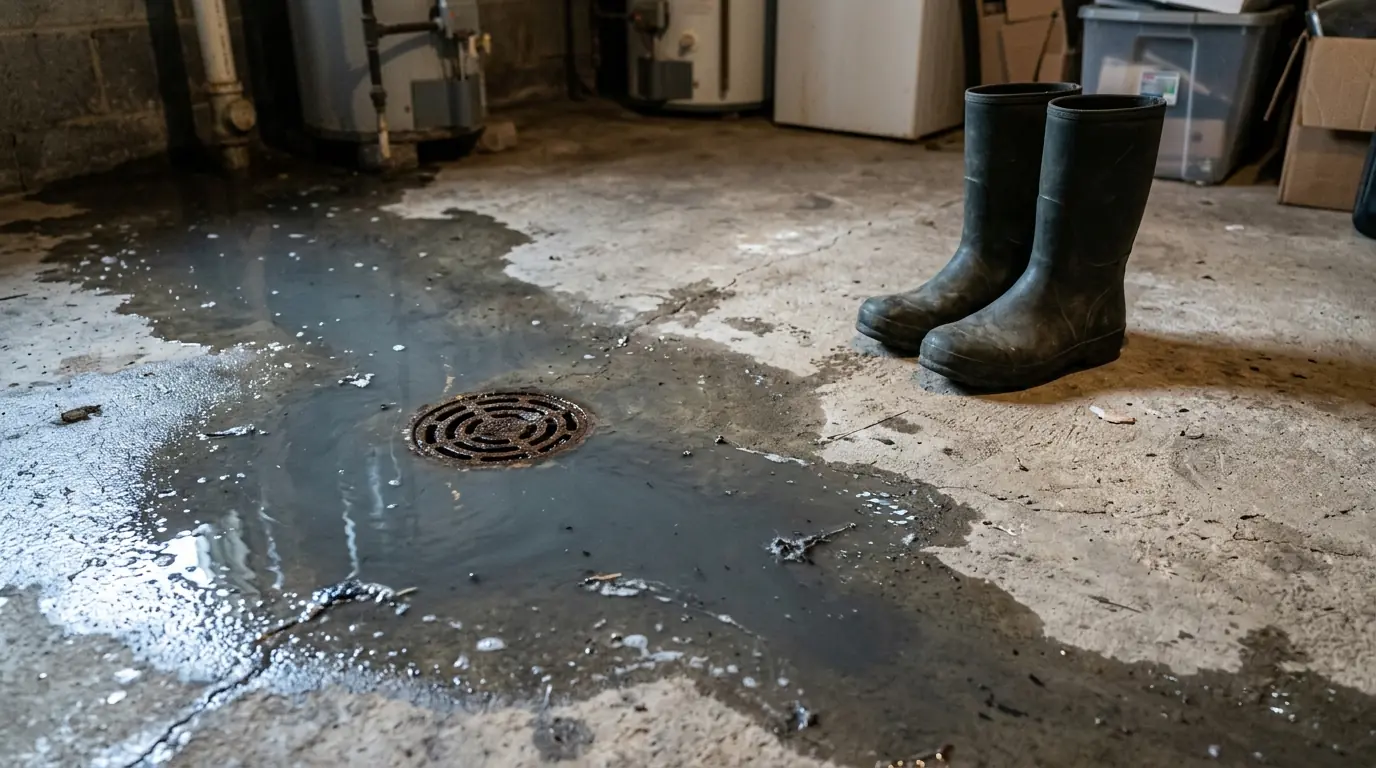
Sewage Backup Cleanup
Sewage backup cleanup is the removal of wastewater and the porous materials it soaked, followed by cleaning, disinfection and drying of the affected area.
How we handle it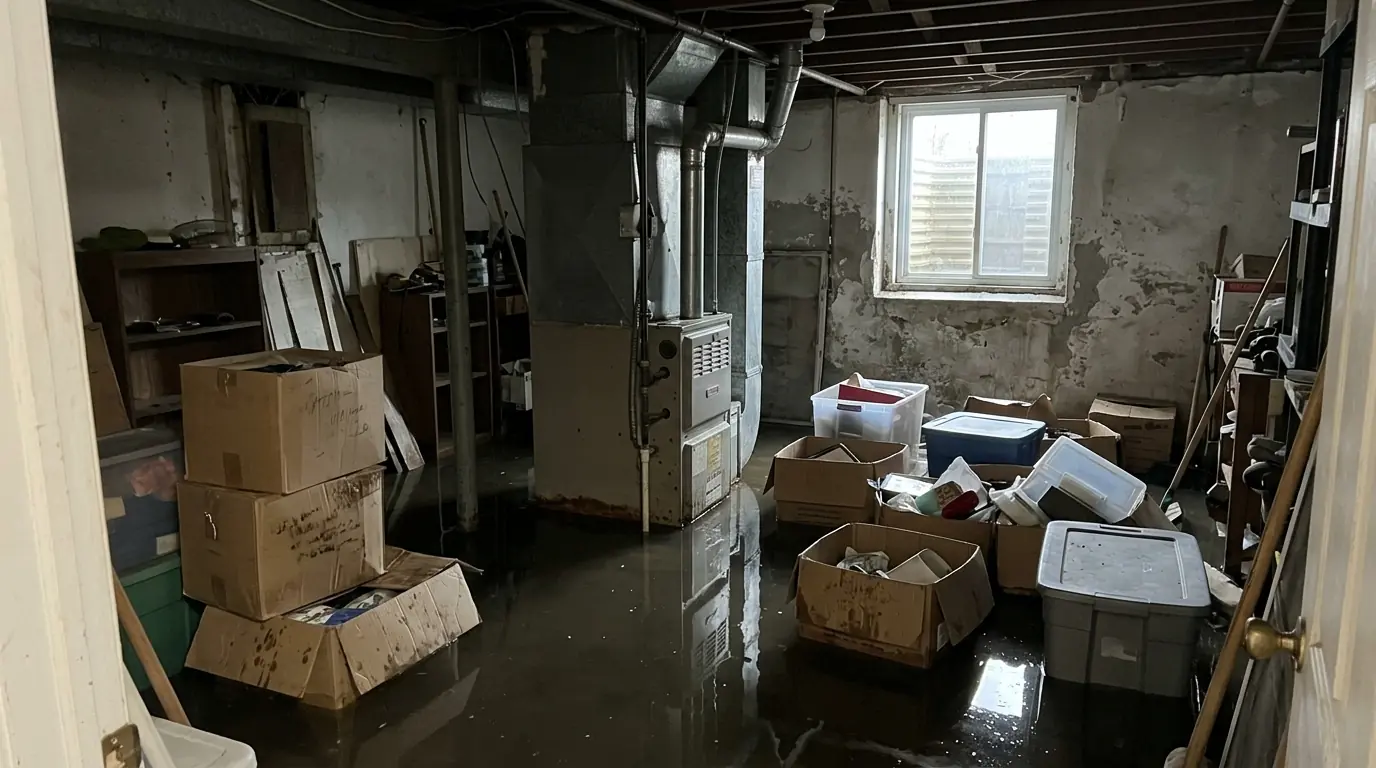
Flooded Basement Cleanup
Flooded basement cleanup removes water from a below-grade space, cleans and sanitizes what it touched, takes out finishes that cannot be saved, and dries the slab, walls and framing.
How we handle it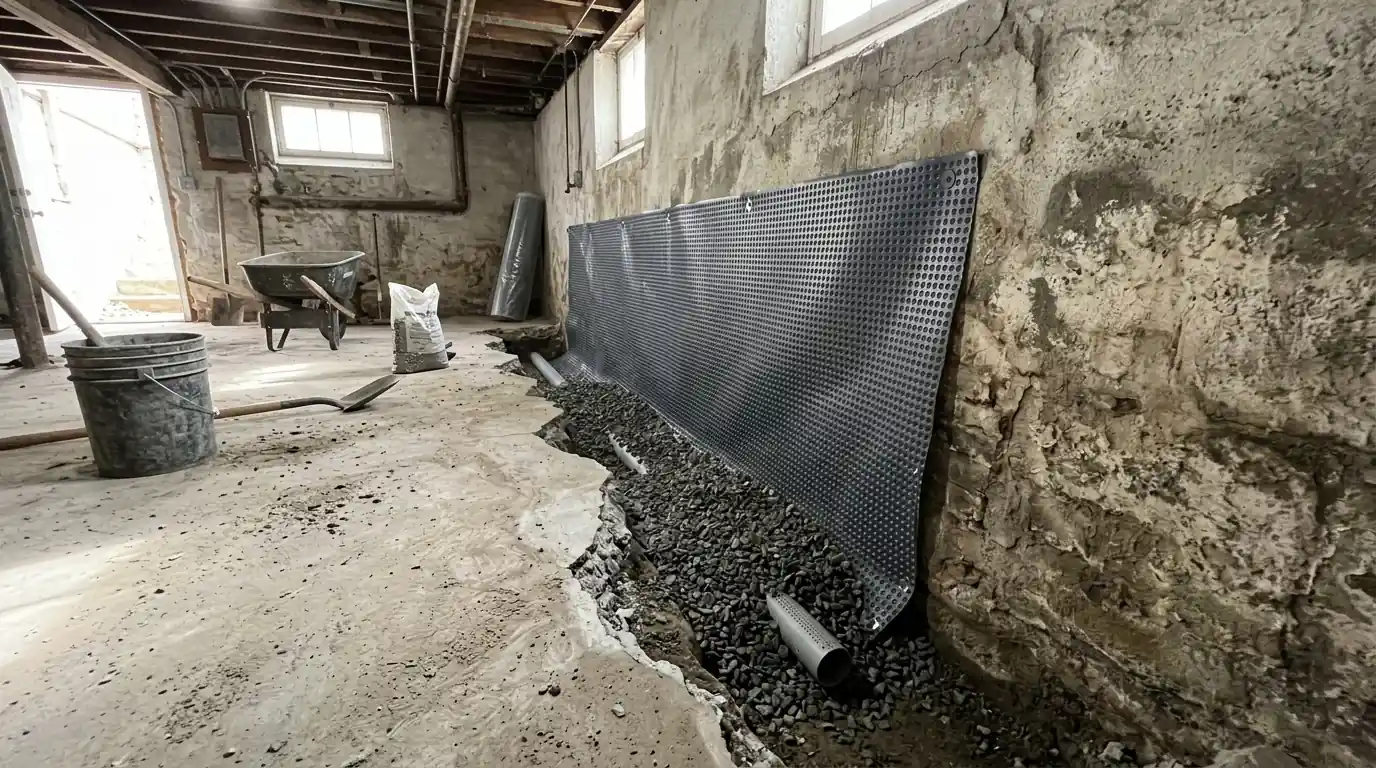
Basement Waterproofing
Basement waterproofing means stopping or managing the water that reaches a basement from outside: through wall cracks, mortar joints, the cove joint at the base of the wall, or a clogged stairwell drain.
How we handle itNeed someone to look at it today?
Call (202) 989-3053. We answer 24/7 and can talk you through the next safe step on the phone.