Washington, DC neighborhood
Basement leak & mold removal in Anacostia, Washington, DC 20020
Older frame and brick houses in Anacostia sit on slopes that send rainwater straight at their foundations. Damp cellars, rotted sills and musty crawl spaces follow. We remove the water, dry the structure and clean up mold.
JEC Restoration handles water damage, mold, sewage backups and fire cleanup in Historic Anacostia and the surrounding 20020 blocks. We dry wood framing and brick foundations with logged moisture readings, contain mold before removal, and explain what the hillside drainage around your house is doing. The phone is answered 24/7 at (202) 989-3053.
What goes wrong in Anacostia's 19th-century frame and brick houses?
Historic Anacostia, the old Uniontown grid around Martin Luther King Jr Avenue SE and Good Hope Road SE, holds some of the oldest houses east of the river. Many are wood-frame cottages and two-story frame houses with clapboard siding and front porches, mixed with brick rowhouses and a scattering of larger Victorian homes. Foundations are typically brick or stone, and under the floor there is often a low cellar or a crawl space with a dirt floor rather than a full basement.
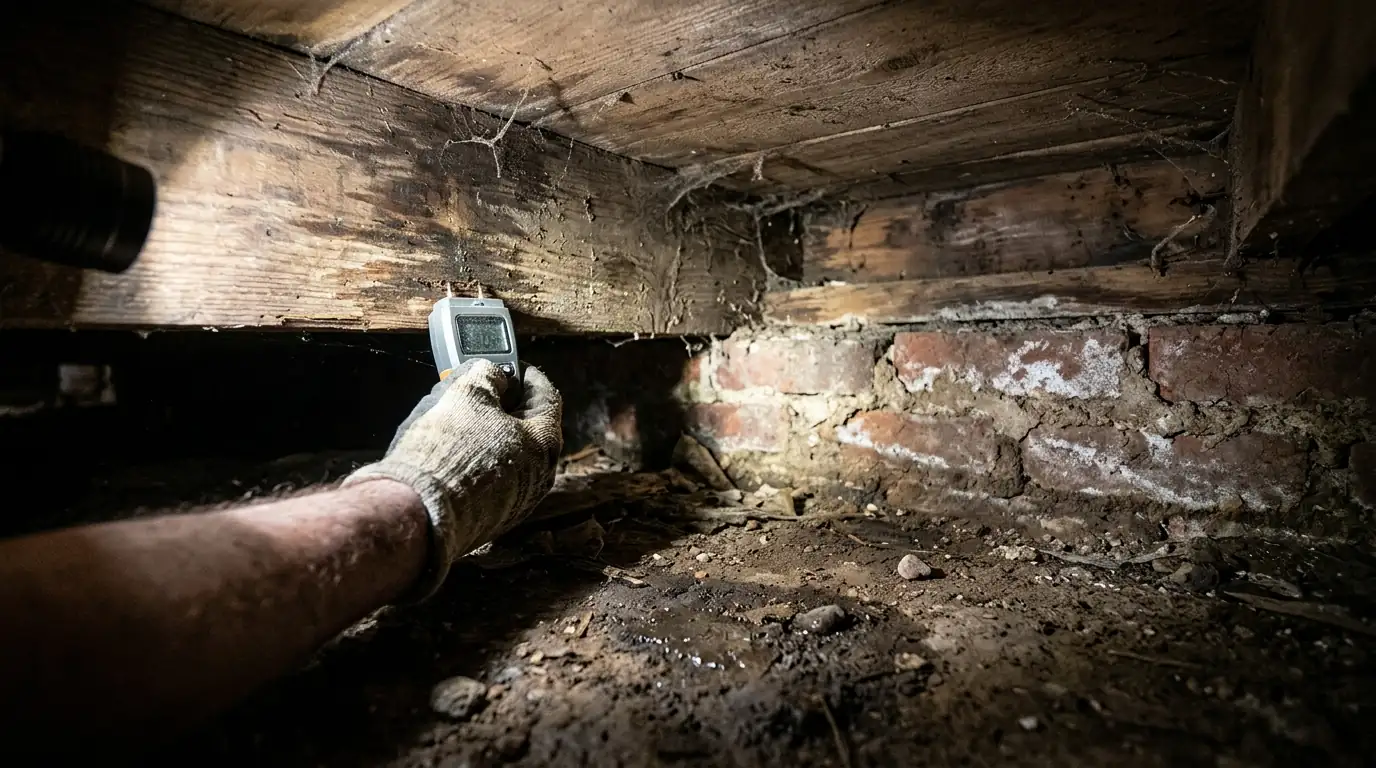
That construction ages in specific ways. Wood sills resting on damp masonry soften and rot when water sits against them. Dirt crawl spaces feed humidity into the joists and subfloor all summer, which is why musty odors and white or dark growth on joists are common calls here. Plaster ceilings crack when a roof or second-floor pipe leaks, and old galvanized supply lines rust from the inside until a joint lets go. When we dry a house like this, we read moisture in the sill plate, the joists and the subfloor, not only the floor surface, because hidden wood is where the lasting damage happens. When growth is found, we handle crawl space mold cleanup under containment.
Most-called services in Anacostia
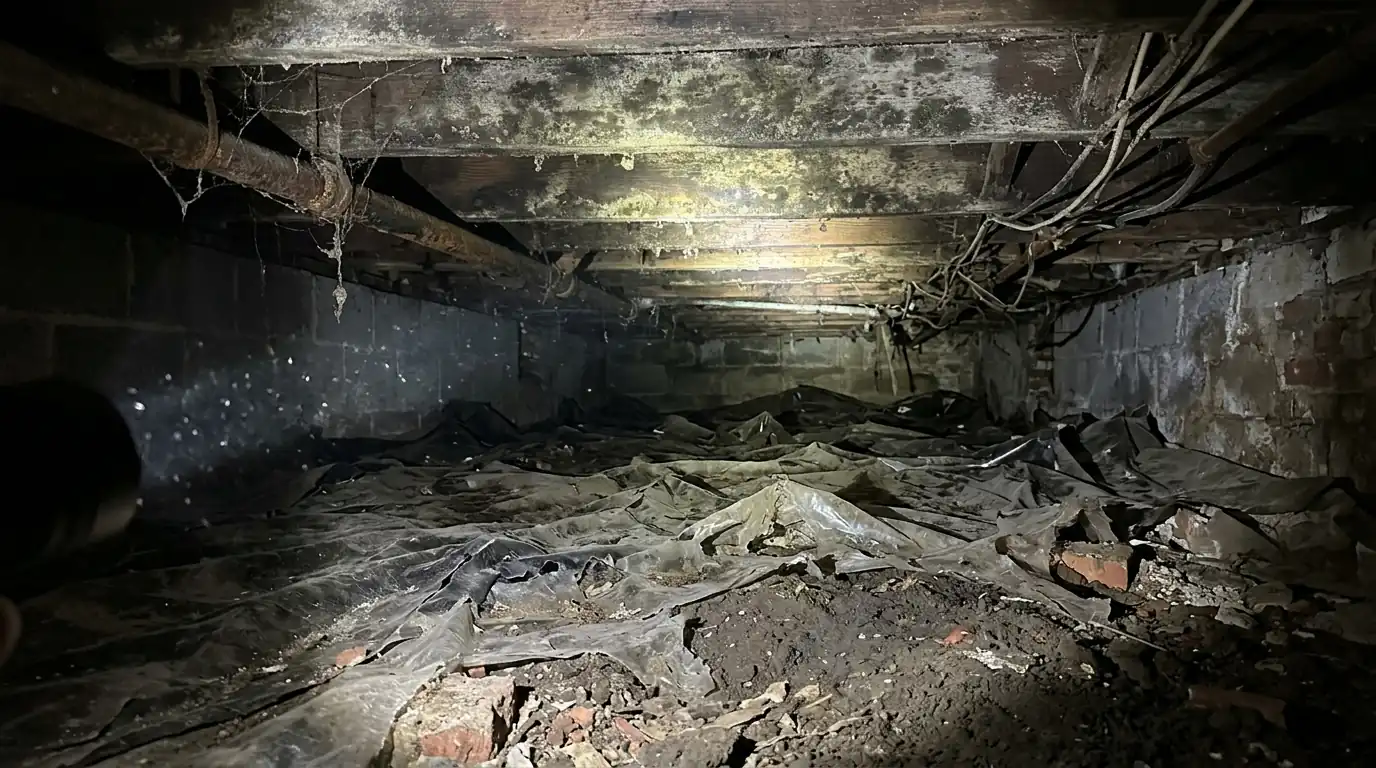
Crawl Space Mold Remediation
Crawl space mold remediation removes mold growth from the floor joists, subfloor, sill plates and beams under a house, then dries the wood so new growth does not start right away.
How we handle it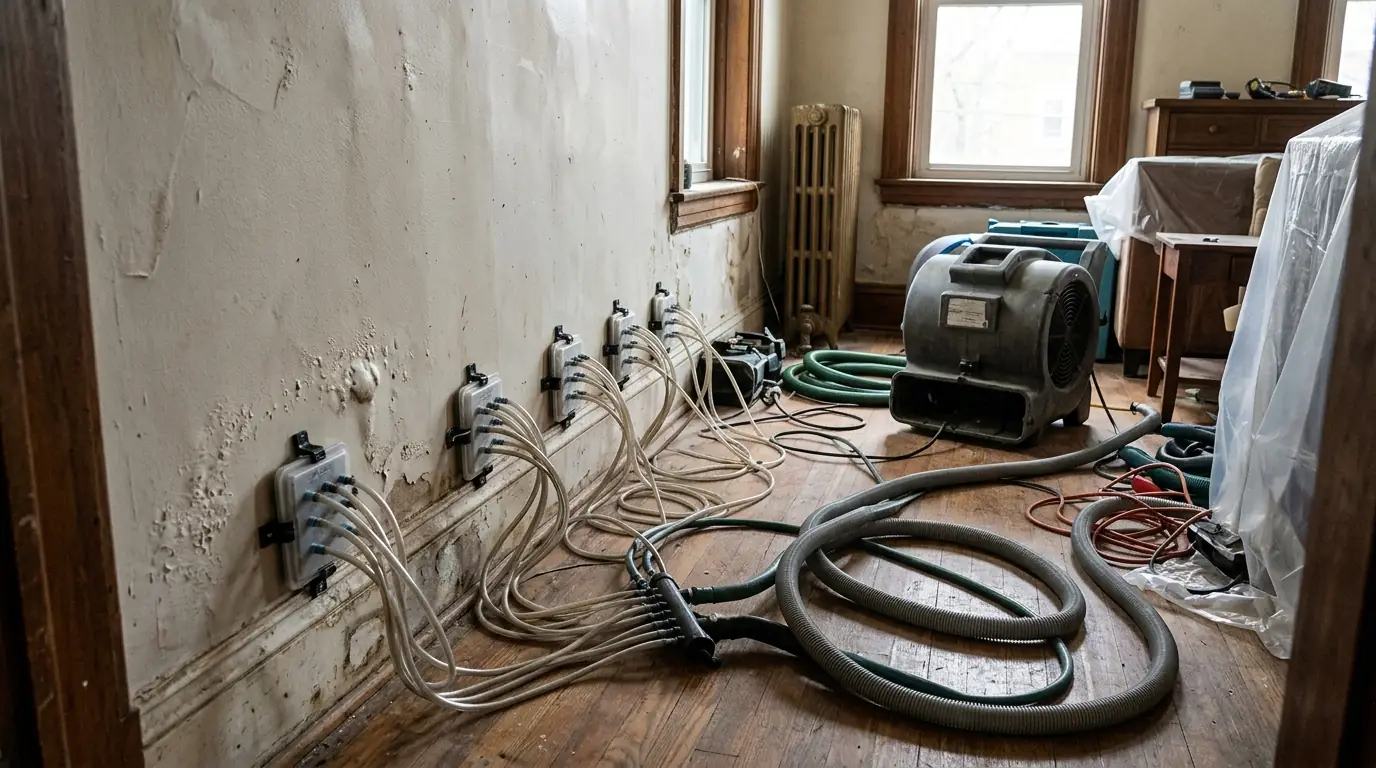
Structural Drying
Structural drying is the controlled removal of moisture from a building's framing, subfloor, wall cavities, plaster and masonry after a water loss.
How we handle it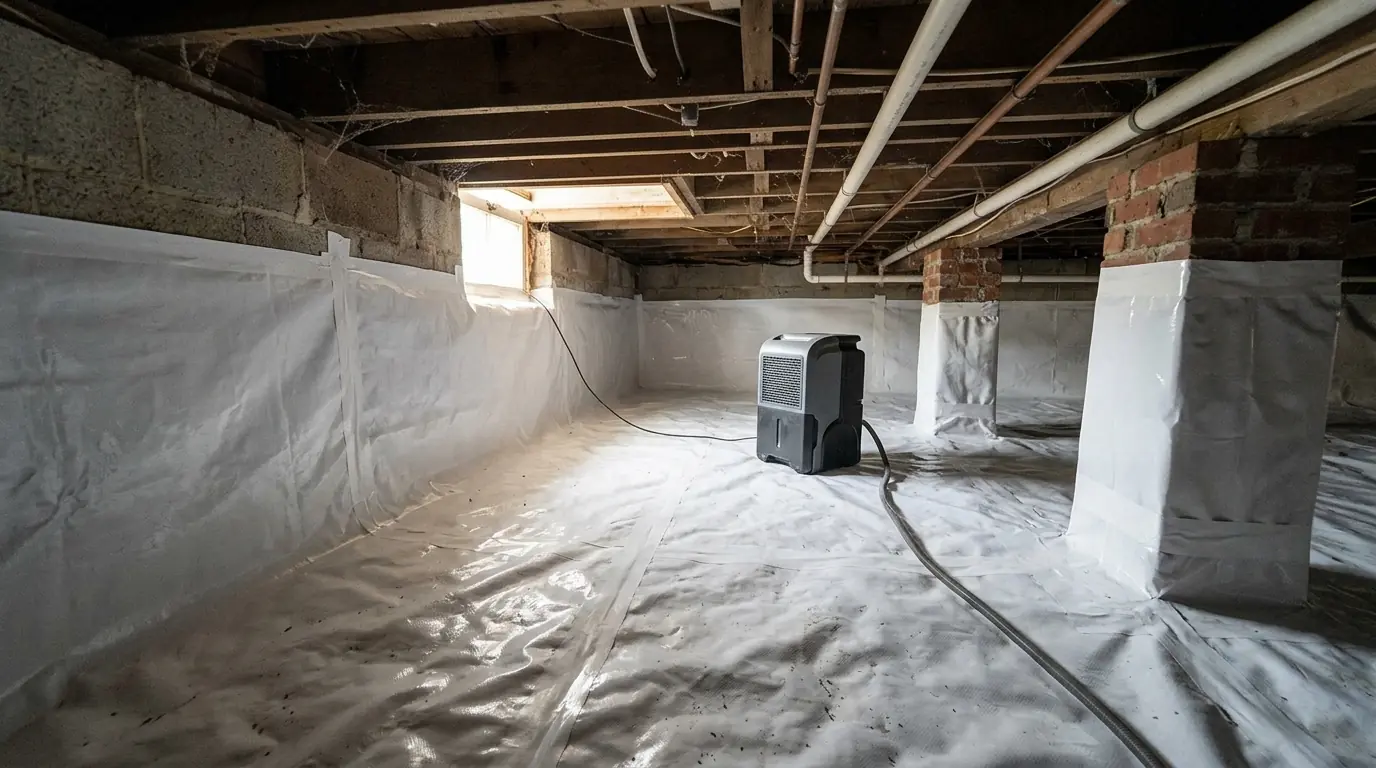
Crawl Space Encapsulation
Crawl space encapsulation closes a dirt or gravel crawl space off from outdoor air and ground moisture.
How we handle it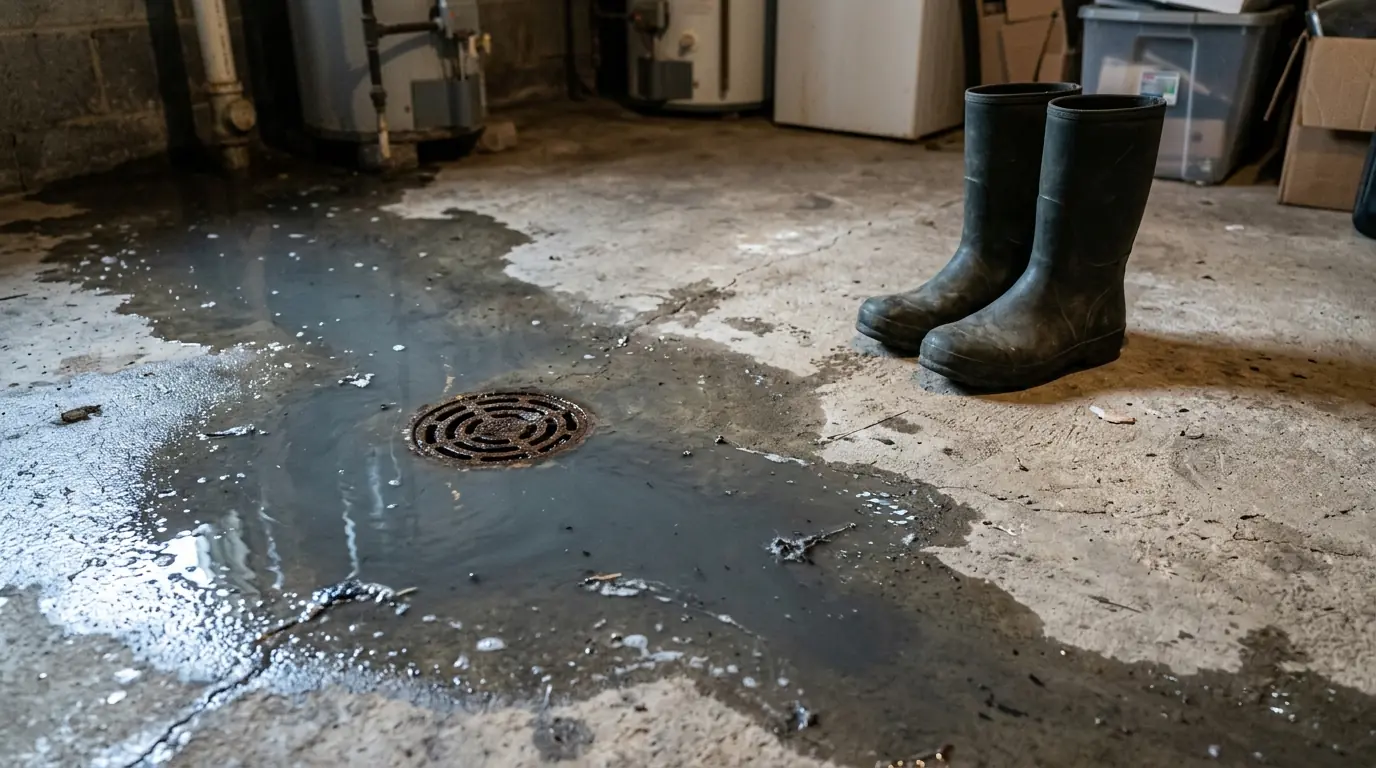
Sewage Backup Cleanup
Sewage backup cleanup is the removal of wastewater and the porous materials it soaked, followed by cleaning, disinfection and drying of the affected area.
How we handle it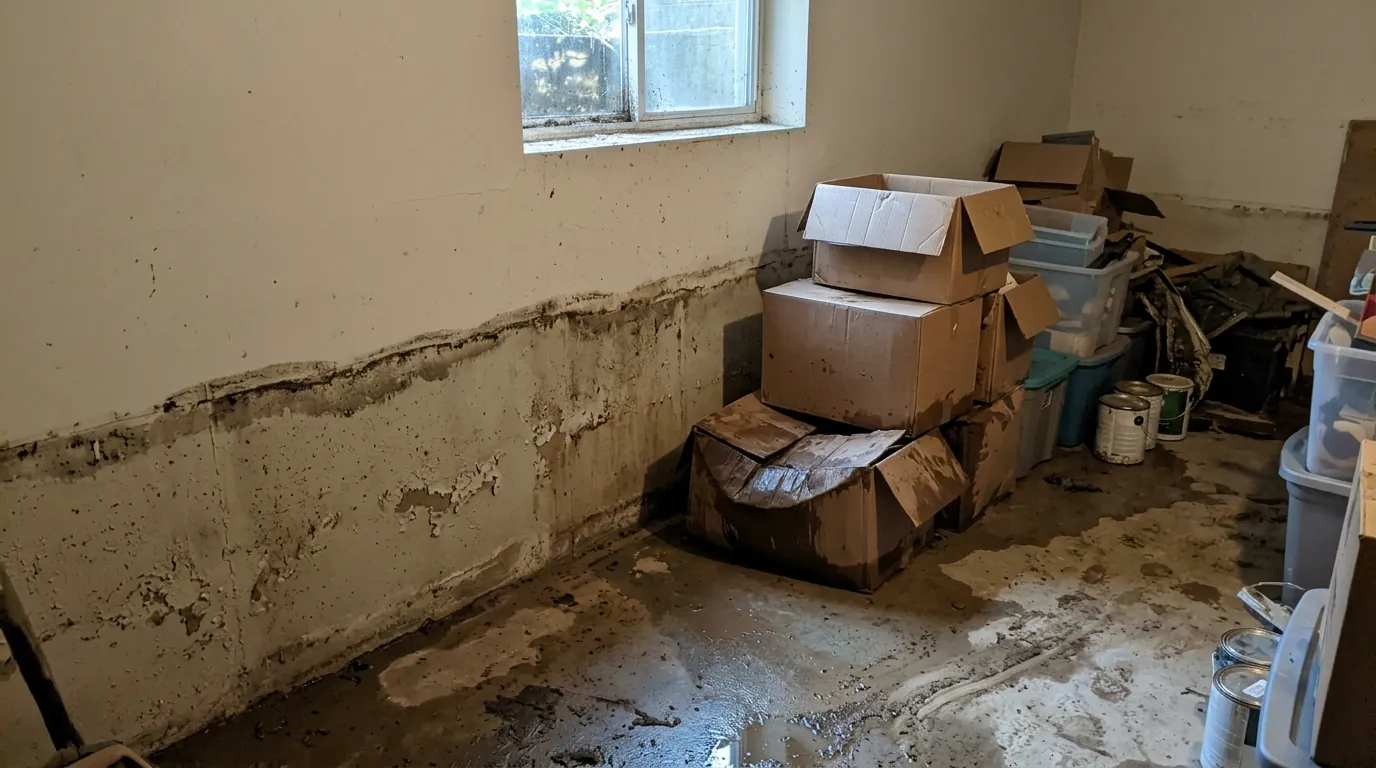
Storm & Flood Cleanup
Storm and flood cleanup covers water that enters a home from outside during heavy weather: flash flooding at basement doors and window wells, overflowing areaway drains, wind-driven rain through walls and windows, and roof openings from fallen limbs.
How we handle itHow does the hill behind Cedar Hill shape where water goes?
The land climbs steeply from Anacostia Park and the river up toward Frederick Douglass's home, Cedar Hill, on W Street SE, and the streets behind it keep climbing. Houses built into that slope receive runoff from every yard and sidewalk above them. During a summer thunderstorm, water sheets downhill, pools against the uphill wall, and pushes through mortar joints into the cellar or crawl space. A neighbor's downspout that empties onto a shared yard can do the same thing on a smaller scale.
Other sources stack on top. Gutters clog with leaves from mature trees in the fall and overflow at the corners in winter, saturating the soil right at the foundation. Old clay sewer laterals can crack or fill with roots and back up into a cellar drain or the lowest toilet. In the long humid stretch from July into September, crawl space air holds enough moisture to dampen wood even without a leak. Fixing the drainage outside, with downspout extensions, regrading or a French drain, is often what keeps the water from returning, and we point out the problem spots once the cleanup is done. Our waterproofing options page explains the choices.
Typical calls we get from Anacostia
Uphill wall seepage into a low cellar
Runoff from the slope behind the house pools against the back foundation after a storm and seeps through the brick into a dirt-floored cellar. We pump out standing water, dry the joists and sill with dehumidifiers, and show you where regrading or an extended downspout would help.
Musty frame house after a humid summer
A musty smell rises through the floorboards of a frame cottage, and the joists in the crawl space show growth. We set containment, HEPA vacuum and clean the framing, treat it with an antimicrobial and talk through a vapor barrier or encapsulation.
Root-blocked lateral backing into a cellar drain
Tree roots in an old clay sewer lateral cause wastewater to back up through a cellar drain. We remove the contaminated water and debris, discard porous items it touched, disinfect the masonry and dry the space while a plumber clears the line.
Galvanized pipe failure under a front room
A rusted galvanized supply line splits below the floor and soaks the subfloor and plaster at the base of the wall. We shut the water, extract, open the wet plaster sections and dry the subfloor and framing with moisture readings recorded each day.
How do we handle a job inside the historic district?
Old Anacostia is a designated historic district, so exterior changes visible from the street, such as new siding, porch rebuilds, windows or doors, generally need historic preservation review before a permit is issued. Emergency drying, cleanup and interior repairs do not usually go through that review. We keep the interior work moving and flag any exterior part early so it can be planned with the right approvals.
Practical details matter on these blocks. Many lots are narrow with steep front steps and no driveway, so we park on the street, carry equipment up by hand and route hoses carefully around porches and railings. Crawl space access can be a small hatch or an exterior opening barely two feet high, and we check it for standing water and debris before anyone goes in. Where a house has knob-and-tube wiring or limited circuits, we spread drying equipment across outlets and confirm the load first. If a tenant rents part of the house, we arrange access with both of you.
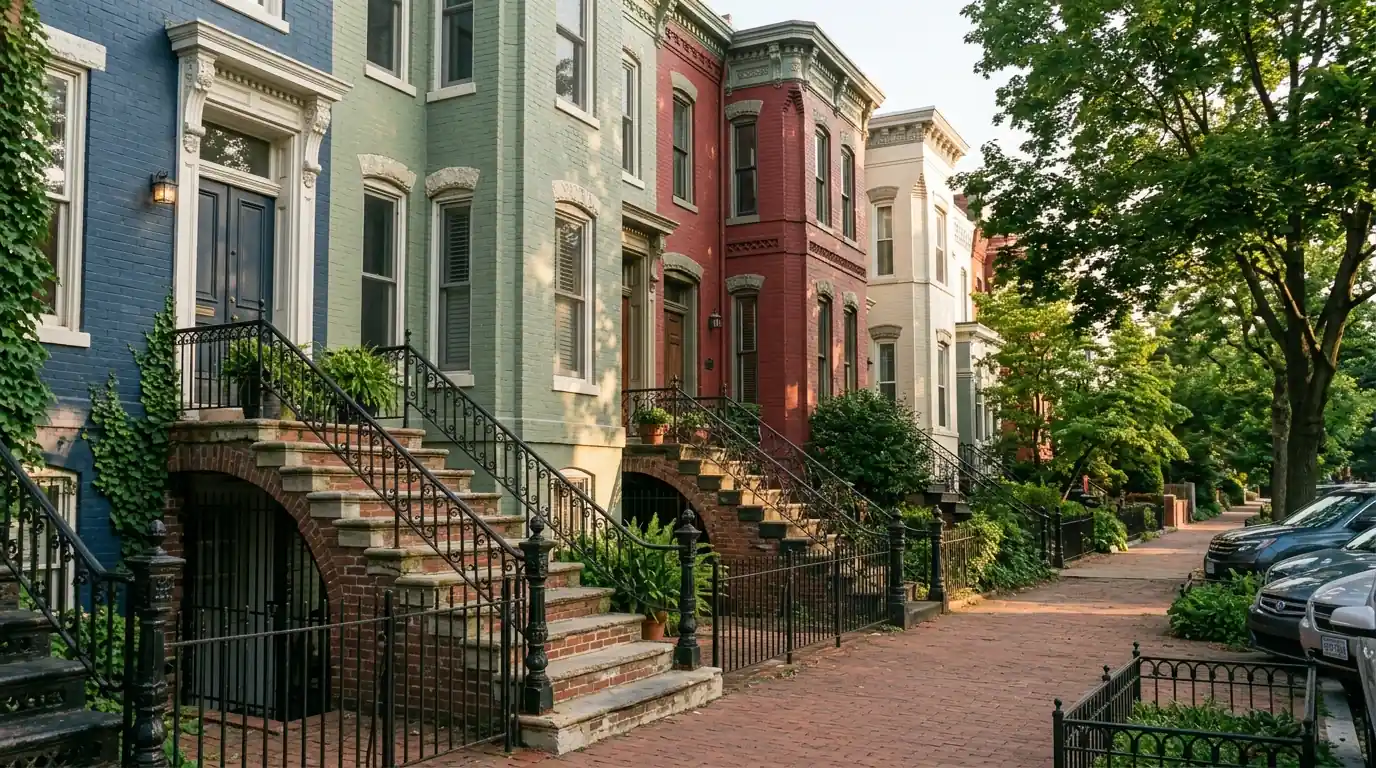
Typical homes in this part of the DC area
Nearby areas we also cover
Questions from Anacostia homeowners
Is a damp dirt crawl space normal in an older Anacostia house?
Some dampness is common, but standing water, wet insulation, a musty smell upstairs or growth on joists means moisture is high enough to cause damage. Dirt floors release water vapor all year, and humid summer air adds more. We measure wood moisture in the joists and sill, and if readings stay high we discuss a vapor barrier, better drainage or a crawl space dehumidifier.
Does historic district review slow down water damage cleanup in Anacostia?
Not the emergency part. Extraction, drying, mold cleanup and interior repairs generally do not need historic preservation review. The review usually applies to exterior changes seen from the street, such as replacing siding, porch elements, windows or doors. If a storm damaged something on the outside, we document it right away and plan the exterior repair separately so the interior drying is never delayed.
Why does water come into my cellar even when the gutters are clean?
On a slope, the ground itself carries water to your foundation. Runoff from uphill yards, sidewalks and neighboring downspouts can soak the soil against your back wall even when your own gutters work. Old brick and stone foundations have soft mortar that lets that water through. Grading, a French drain or an interior drain line usually solves it, and we point to the likely path during cleanup.
Water or mold trouble in Anacostia?
Call JEC Restoration any time. We answer 24/7 and talk through what you are seeing before anyone touches a wall.