Washington, DC neighborhood
Basement water & mold cleanup in Brookland, Washington, DC 20017
Brookland's frame houses, bungalows and kit houses sit on old block and brick foundations, and their basements take on water from clogged gutters, root-choked sewer lines and summer storms. We dry them out, clean up mold and repair what got wet.
For a wet basement, mold, smoke damage or a sewer backup in Brookland (20017 and 20018), call JEC Restoration at (202) 989-3053. The line is answered 24/7. We work from the Catholic University blocks out to the streets off 12th Street NE, and our technicians bring moisture meters, extraction equipment and drying gear on the first visit.
Why do Brookland's detached frame houses get wet in places a rowhouse never does?
Brookland grew up around the Catholic University campus as an early suburb, so most streets are lined with detached houses instead of rowhouses: wood-frame foursquares with deep front porches, one-and-a-half story bungalows, and a fair number of mail-order kit houses built from catalog plans. Each one has four exposed walls, its own roof drainage and a full or partial basement, and that basement is where the trouble usually starts.
Wood siding and porch framing sit close to grade on many lots. When a gutter overflows or a downspout dumps beside the foundation, water soaks the soil against block or brick basement walls and comes through at the mortar joints, a floor crack or the gap around an old coal chute. Sill plates and the bottom of wood-frame walls can wick that moisture for years before anyone notices soft wood or a musty corner. In finished basements, the first sign is often swollen baseboard or carpet tack strip gone dark. We open those walls with a plan, read the framing with a pin meter, and set up drying aimed at the framing itself rather than just the room air.
Most-called services in Brookland
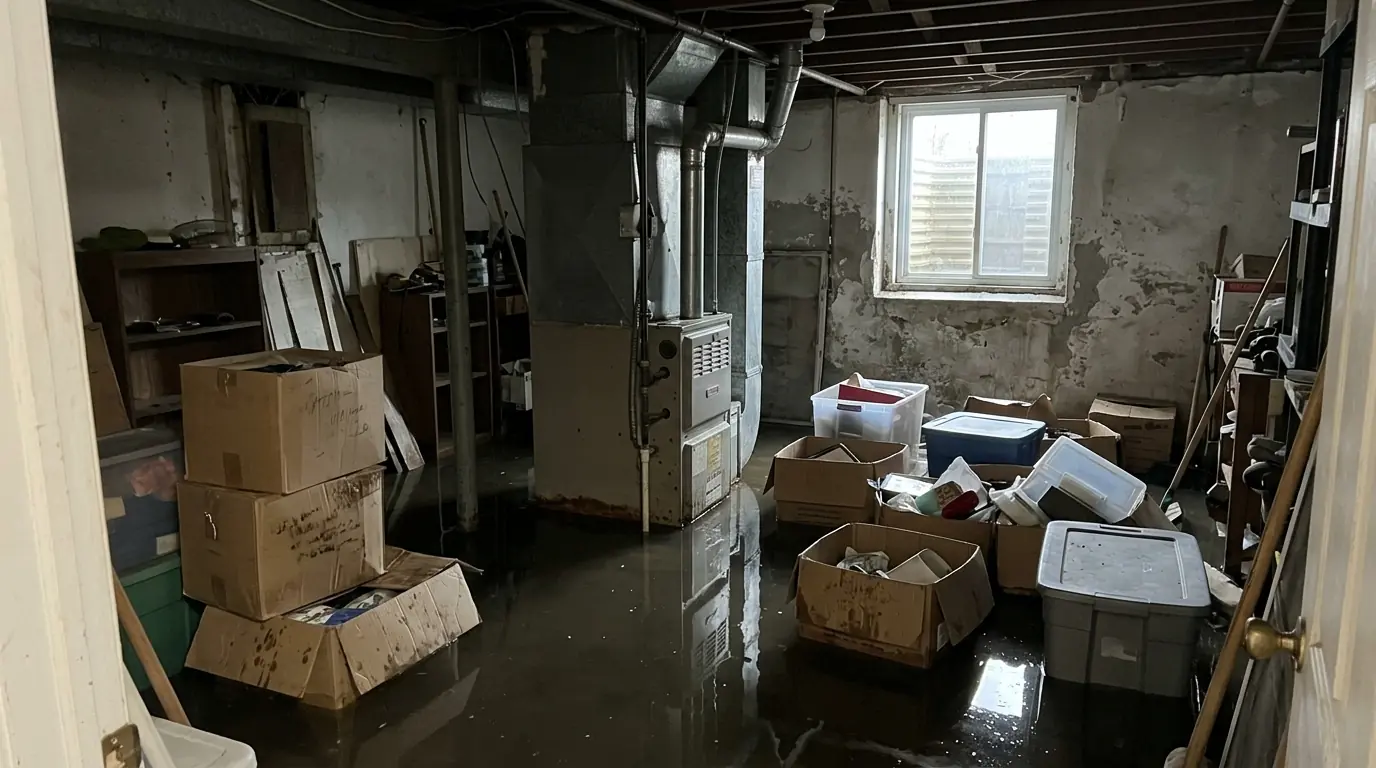
Flooded Basement Cleanup
Flooded basement cleanup removes water from a below-grade space, cleans and sanitizes what it touched, takes out finishes that cannot be saved, and dries the slab, walls and framing.
How we handle it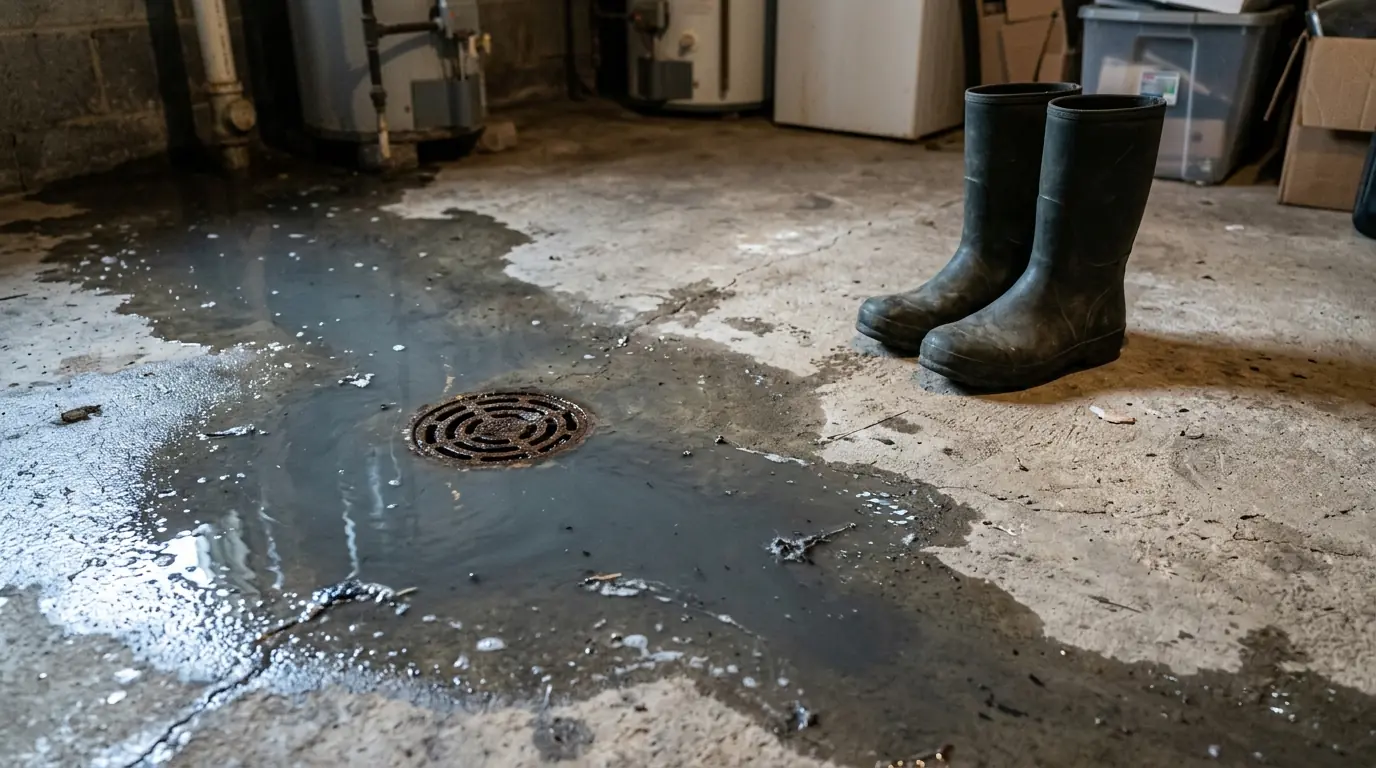
Sewage Backup Cleanup
Sewage backup cleanup is the removal of wastewater and the porous materials it soaked, followed by cleaning, disinfection and drying of the affected area.
How we handle it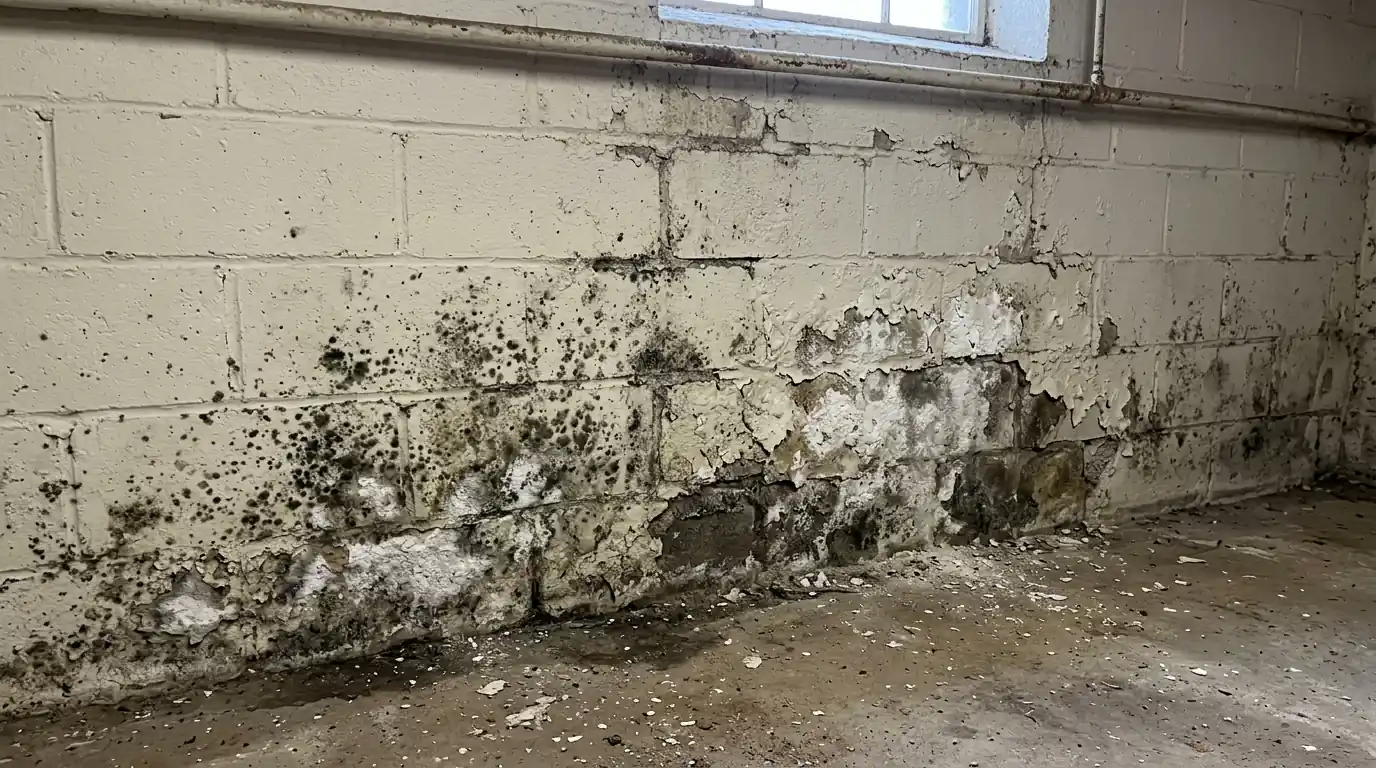
Basement Mold Removal
Basement mold removal cleans or removes growth on foundation walls, framing, finished drywall, carpet and stored contents below grade, then corrects the moisture that caused it.
How we handle it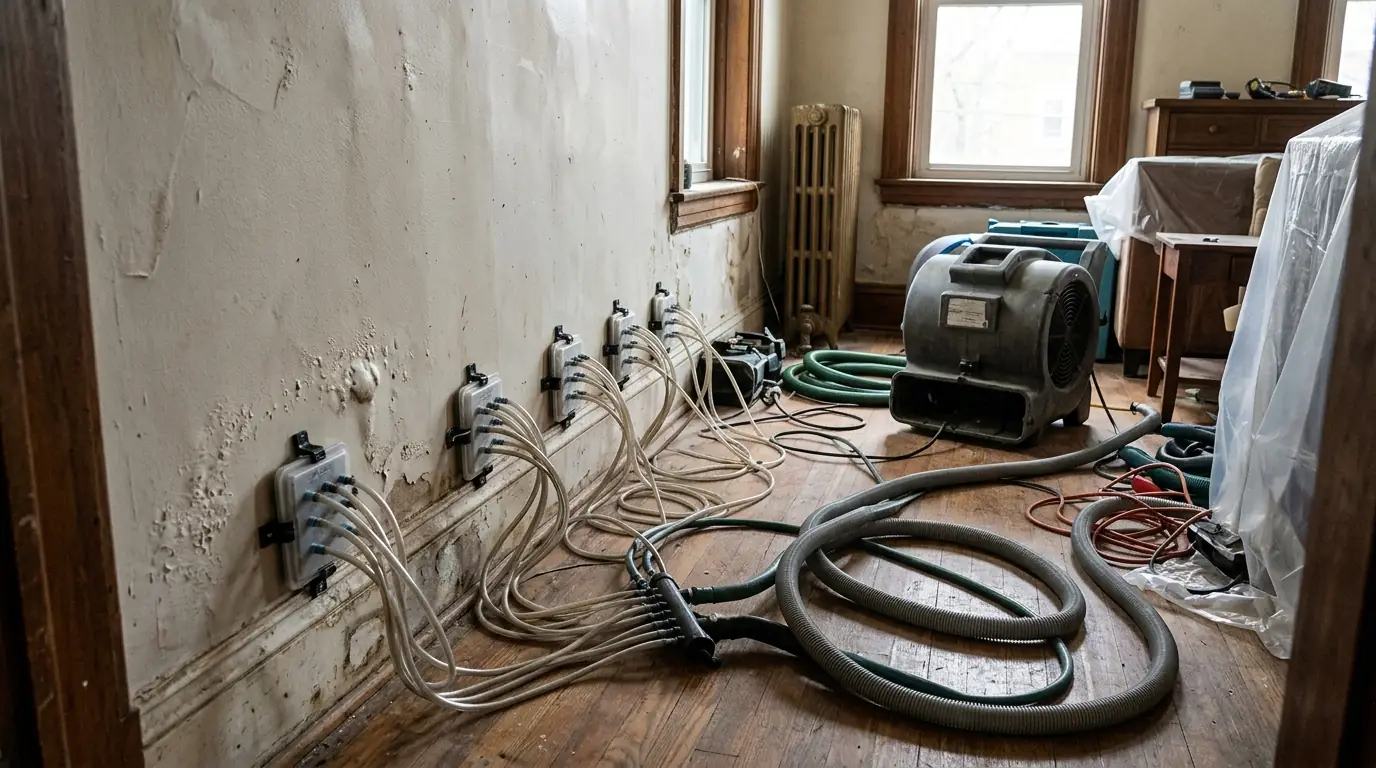
Structural Drying
Structural drying is the controlled removal of moisture from a building's framing, subfloor, wall cavities, plaster and masonry after a water loss.
How we handle it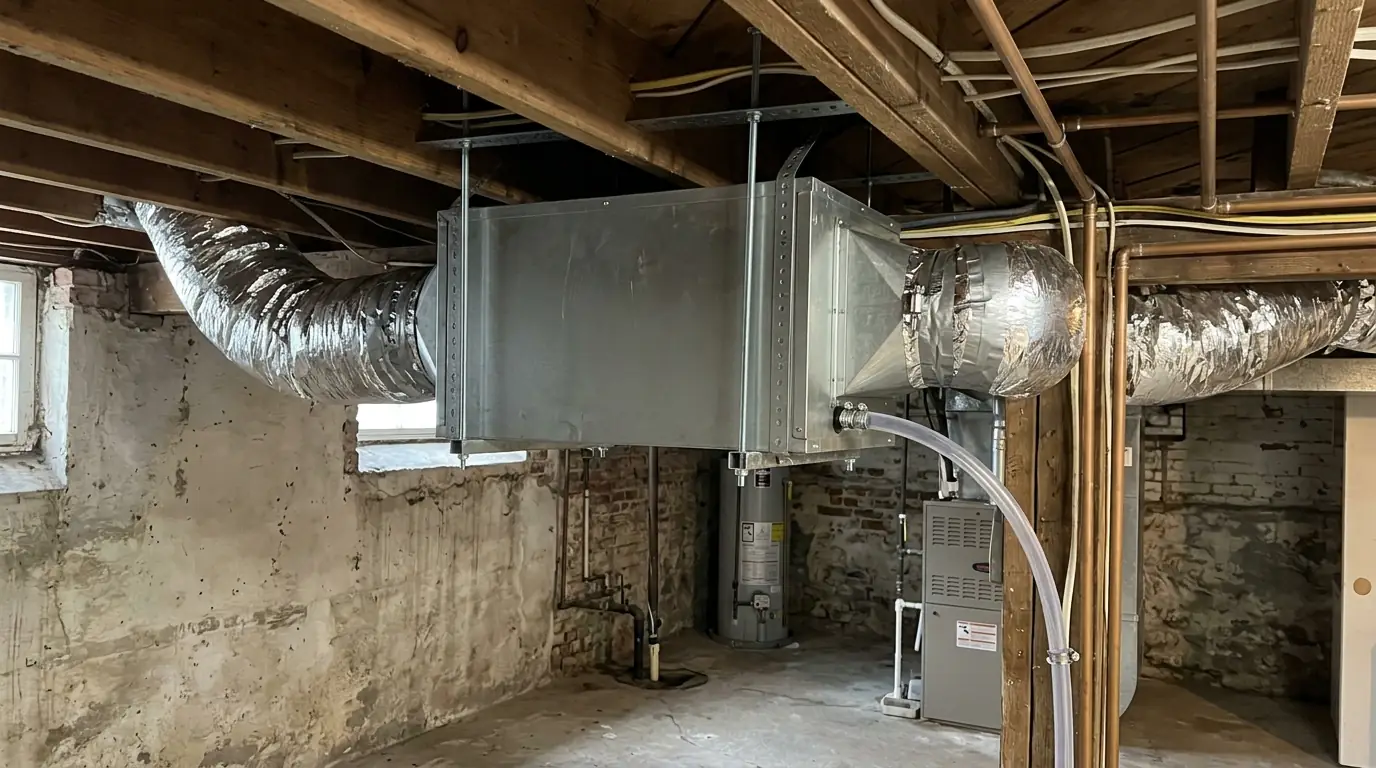
Dehumidifier Installation
A whole-basement dehumidifier is a fixed unit that pulls moisture from the air in a basement or crawl space and drains it continuously through a hose or condensate pump.
How we handle itWhere does the water come from on a sloped Brookland lot?
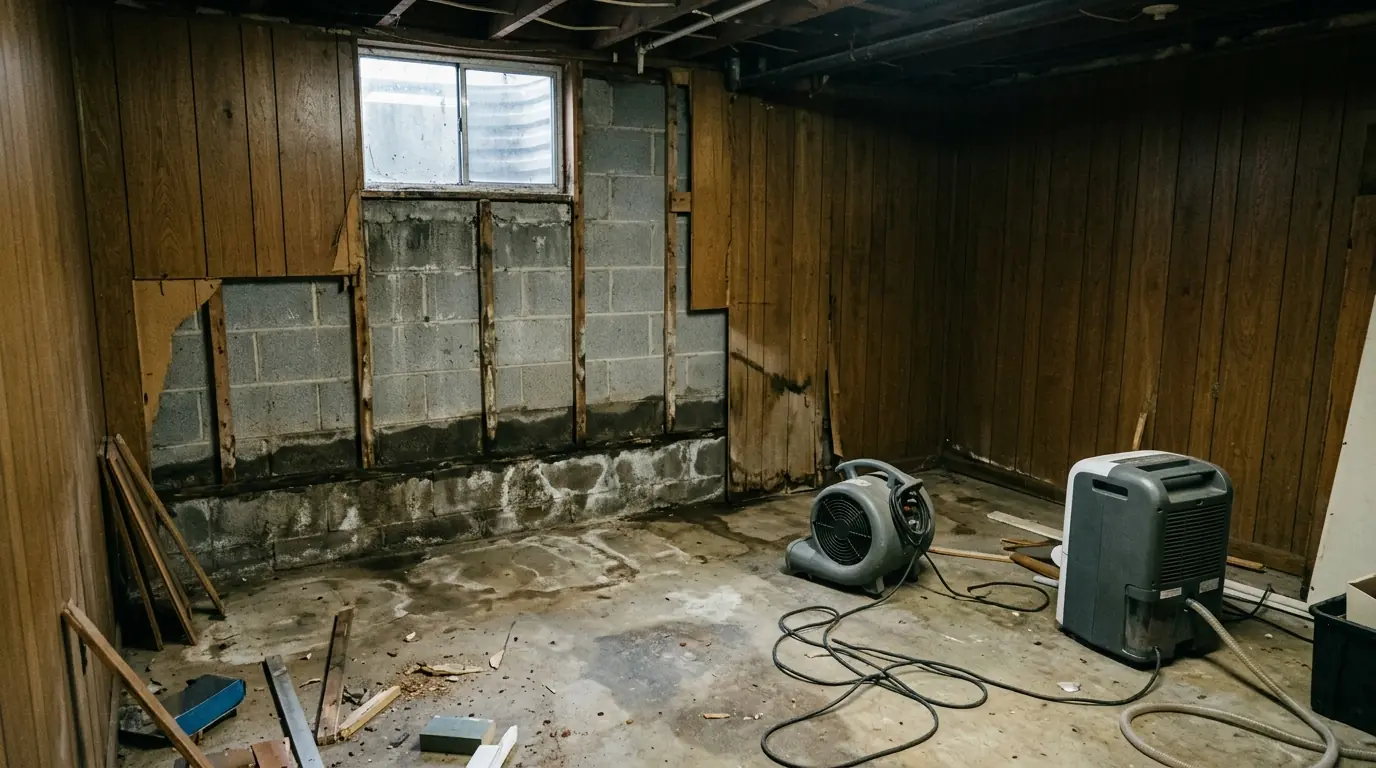
The neighborhood rises and falls between the Metropolitan Branch Trail, which runs beside the Red Line tracks, and the university grounds, and plenty of back yards slope toward the house. A summer thunderstorm can send sheet runoff across a patio and into a rear basement door or an uncovered window well in minutes. Older houses also tend to have clay or cast-iron sewer laterals, and mature street trees push roots into the joints. When that line chokes, the first drain to overflow is usually the basement floor drain or the laundry tub, and that calls for a proper sewage cleanup, not a mop.
Humidity is the slower problem. From July into September, an unconditioned Brookland basement can hold damp air for weeks, and cardboard boxes stacked against a block wall pick up a gray bloom along the bottom. Growth that small is a warning about the room, so we look for the moisture source before any cleaning starts.
Typical calls we get from Brookland
Kit house basement after a gutter overflow
Clogged gutters on a catalog-built bungalow send roof water down the foundation, and it comes through the block wall behind finished paneling. We pull the paneling and wet insulation, dry the block and framing with dehumidifiers and air movers, and show you which downspout needs an extension.
Root-blocked lateral backs up by the washer
A root mass in an old clay sewer line pushes wastewater out of the floor drain beside the laundry. We extract it, remove the porous materials it touched, clean and disinfect the slab, and dry the area before anything goes back in place.
Upstairs toilet leak in a porch-front foursquare
A failed wax ring under a second-floor toilet stains the plaster ceiling in the dining room below. We find the wet zone with a thermal camera, open only what the readings call for, and dry the joist bay before the plaster is patched.
Musty lower-level room rented to a student
A tenant reports a smell and spots on a closet wall in a below-grade bedroom. We test moisture, find the wall wicking water from outside, remove the moldy drywall under containment, and suggest a permanent dehumidifier for the humid months.
What should you expect when we work on a Brookland house?
Most Brookland jobs are easy to reach. Detached houses usually have a driveway, a side yard or an alley garage, so we can park the extraction unit close and run hoses through a basement door instead of across your living room. On Monroe Street and near the Brookland-CUA Metro station, where newer apartment buildings stand beside older houses, parking is tighter and we plan equipment drops ahead of time.
Plenty of owners here rent a basement room or a whole lower level to students and university staff. If a tenant lives downstairs, tell us when you call. We plan containment so the tenant can keep using a bathroom where that is safe, and we photograph and log every reading with dates, which helps whether you are talking to a tenant, an adjuster or both. Sudden pipe bursts are often covered by homeowner policies, while groundwater seepage and sewer backups often need a separate endorsement, so check your policy before you assume either way.
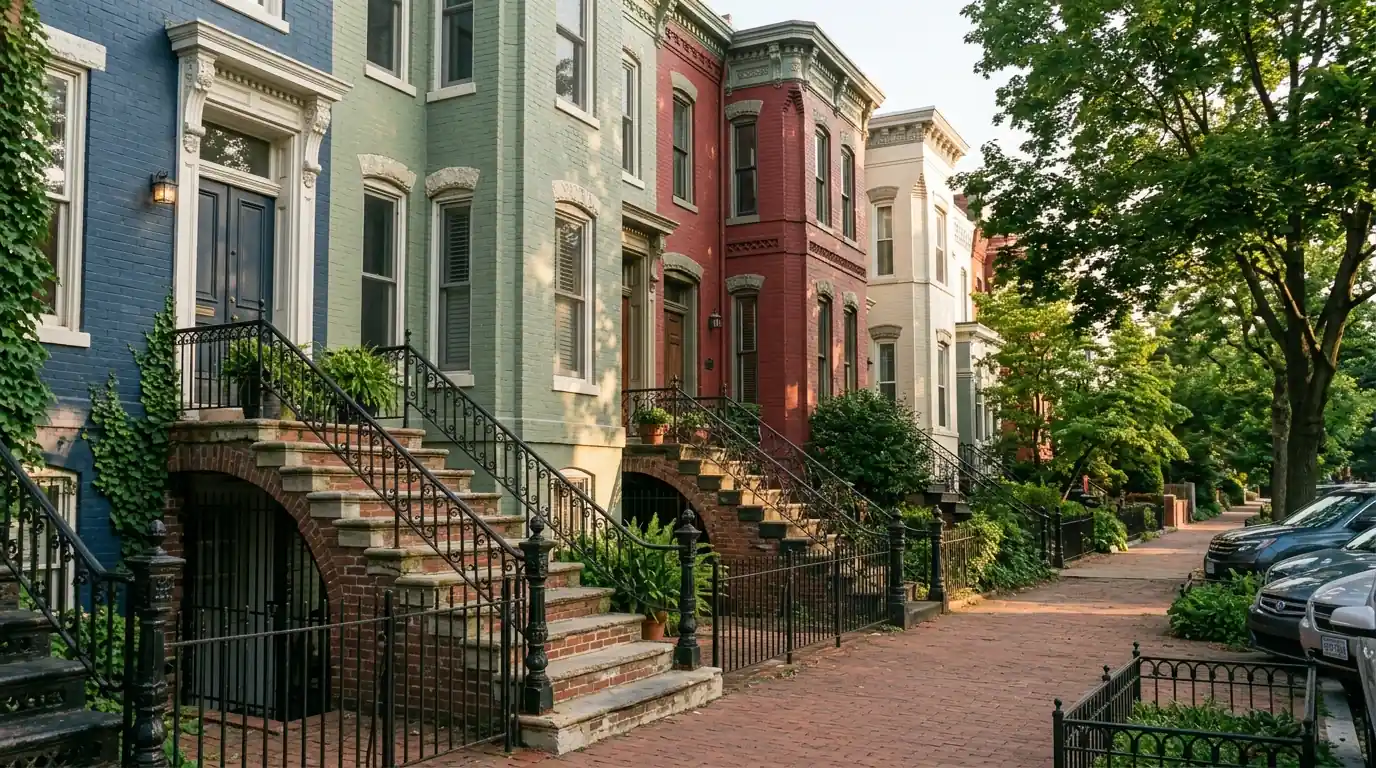
Typical homes in this part of the DC area
Nearby areas we also cover
Questions from Brookland homeowners
Are Sears kit houses in Brookland harder to dry than other old houses?
Not harder, but often different. Kit houses were built from precut lumber with the same basic framing and wall finishes as other houses of their time. What slows drying is usually what later owners added: vinyl flooring over oak, foam board glued to basement walls, or carpet stuck to the slab. We read each layer with a meter and remove only the ones that trap water.
My Brookland basement only floods in big storms. Is that groundwater or the sewer?
Look at what came in and where it came from. Clear water seeping along the base of a wall or through a floor crack usually points to runoff or groundwater. Gray or brown water rising from the floor drain with an odor points to the sewer line, which is Category 3 water and needs protective gear. Our guide to telling the two apart walks through the clues.
How long does a Brookland basement usually take to dry?
For clean water on a concrete slab with block walls, drying usually takes three to five days with commercial dehumidifiers and air movers running. Wood paneling, carpet pad and stud walls add time if they stay in place, and very humid weather slows things down. We take readings on each visit and tell you the job is dry when the numbers say so, not when a calendar does.
Water or mold trouble in Brookland?
Call JEC Restoration any time. We answer 24/7 and talk through what you are seeing before anyone touches a wall.