Washington, DC neighborhood
Water, mold & storm cleanup in Deanwood, Washington, DC 20019
Deanwood's frame houses and bungalows sit on wooded slopes that drain toward Watts Branch, and storm runoff, damp crawl spaces and aging pipes cause most of the trouble. We dry the wood, clean up mold and handle backups.
JEC Restoration handles water damage, mold, storm flooding, sewage backups and fire cleanup in Deanwood and the surrounding 20019 blocks near Minnesota Avenue and Nannie Helen Burroughs Avenue NE. We dry wood framing and crawl spaces with logged moisture readings and remove mold under containment. Call (202) 989-3053, answered 24/7.
How do Deanwood's older frame houses and bungalows hold up against water?
Deanwood is one of the oldest neighborhoods in Northeast DC, and it still looks different from the rowhouse grid across the river. Streets wind over small hills, lots are irregular, and many houses stand on their own: wood-frame houses with clapboard or asbestos-cement shingle siding, front porches and gabled roofs, along with brick and frame bungalows and later brick duplexes. Many date from the early 1900s through the 1940s, and plenty were built or expanded piece by piece, so additions and original sections often sit on different foundations.
That history shows up in how water damage behaves. Original sections may rest on brick piers over a crawl space, while a rear addition sits on a slab or a shallow block foundation, and the seam between them is where leaks and rot tend to start. Wood siding and trim soak up rain where paint has failed, and porches that slope toward the house send water into the sill. Inside, plaster or old drywall over wood framing, pine or oak floors and old galvanized pipes are typical. When we dry one of these houses, we check the subfloor, sill and the joint between old and new sections, because water follows that seam into the framing.
Most-called services in Deanwood
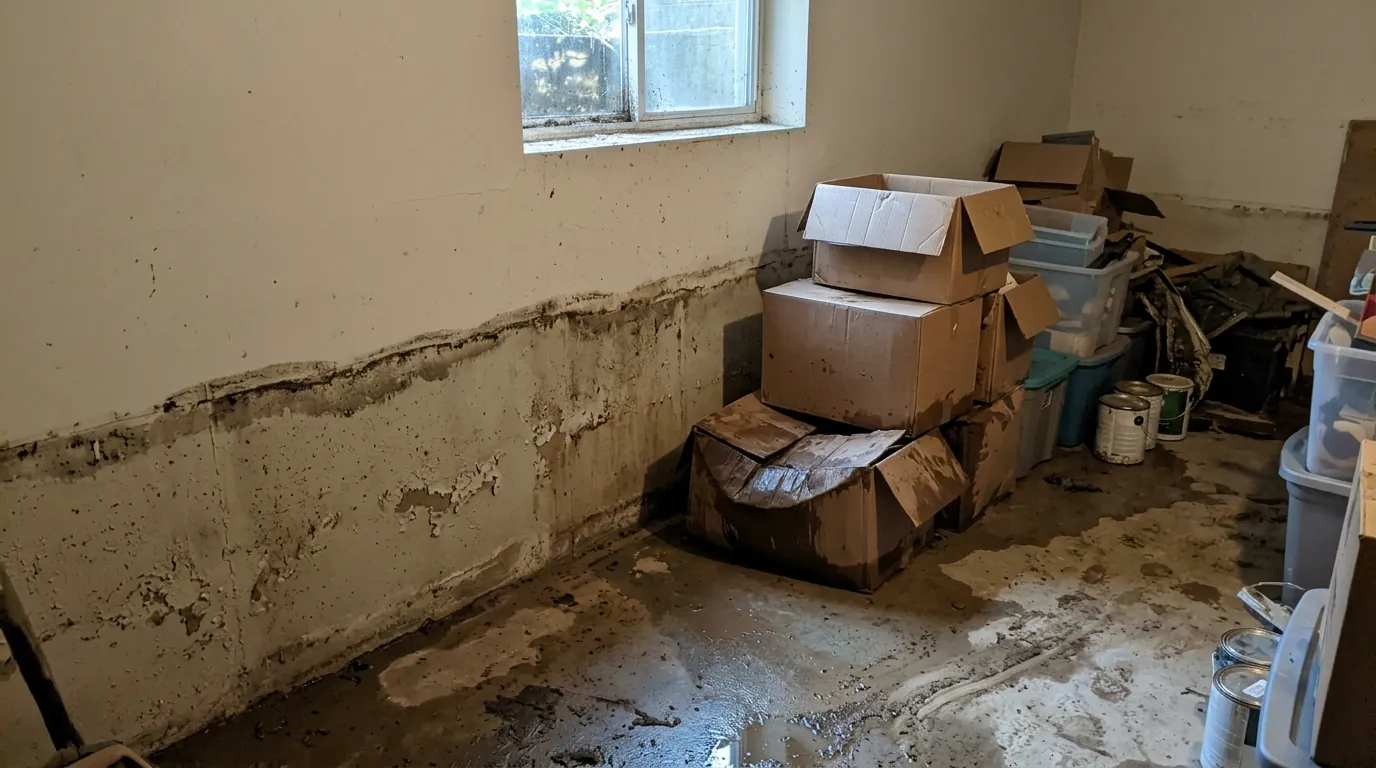
Storm & Flood Cleanup
Storm and flood cleanup covers water that enters a home from outside during heavy weather: flash flooding at basement doors and window wells, overflowing areaway drains, wind-driven rain through walls and windows, and roof openings from fallen limbs.
How we handle it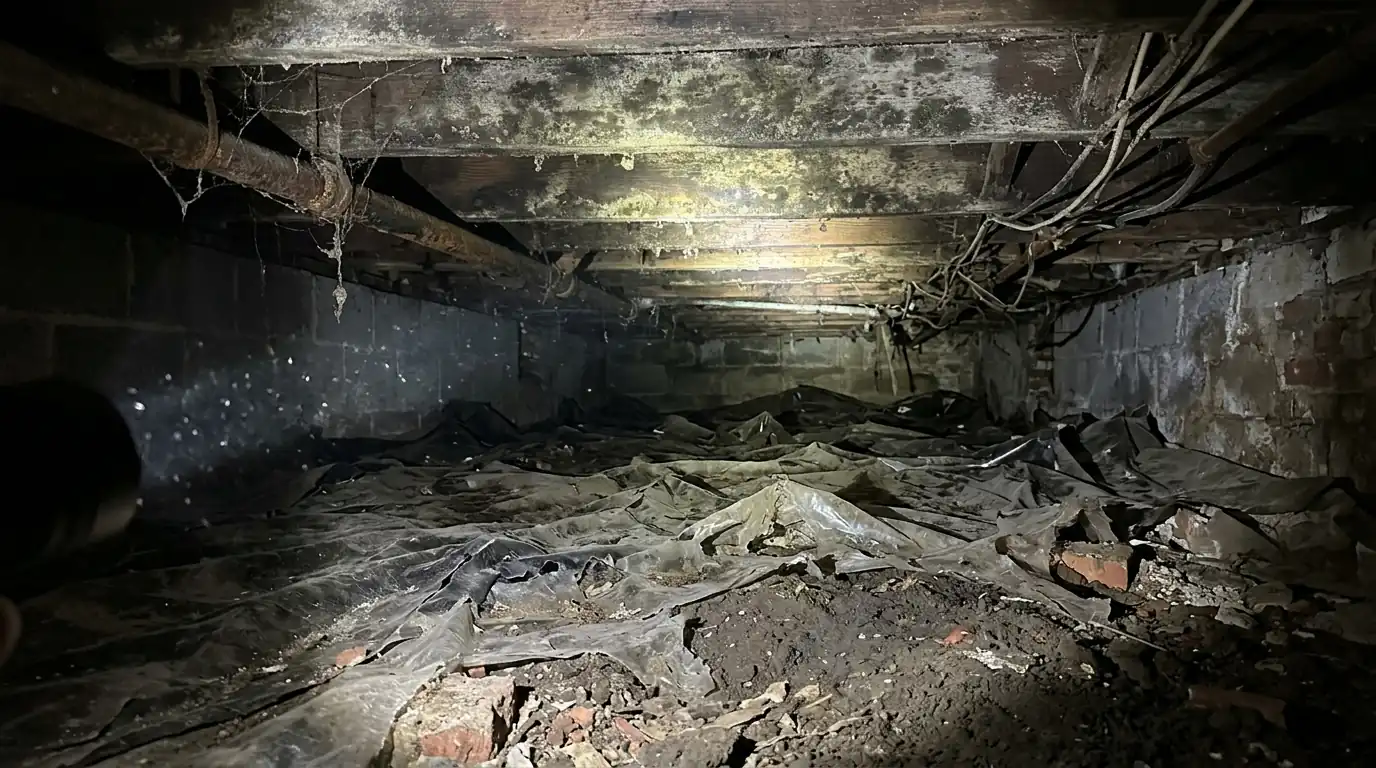
Crawl Space Mold Remediation
Crawl space mold remediation removes mold growth from the floor joists, subfloor, sill plates and beams under a house, then dries the wood so new growth does not start right away.
How we handle it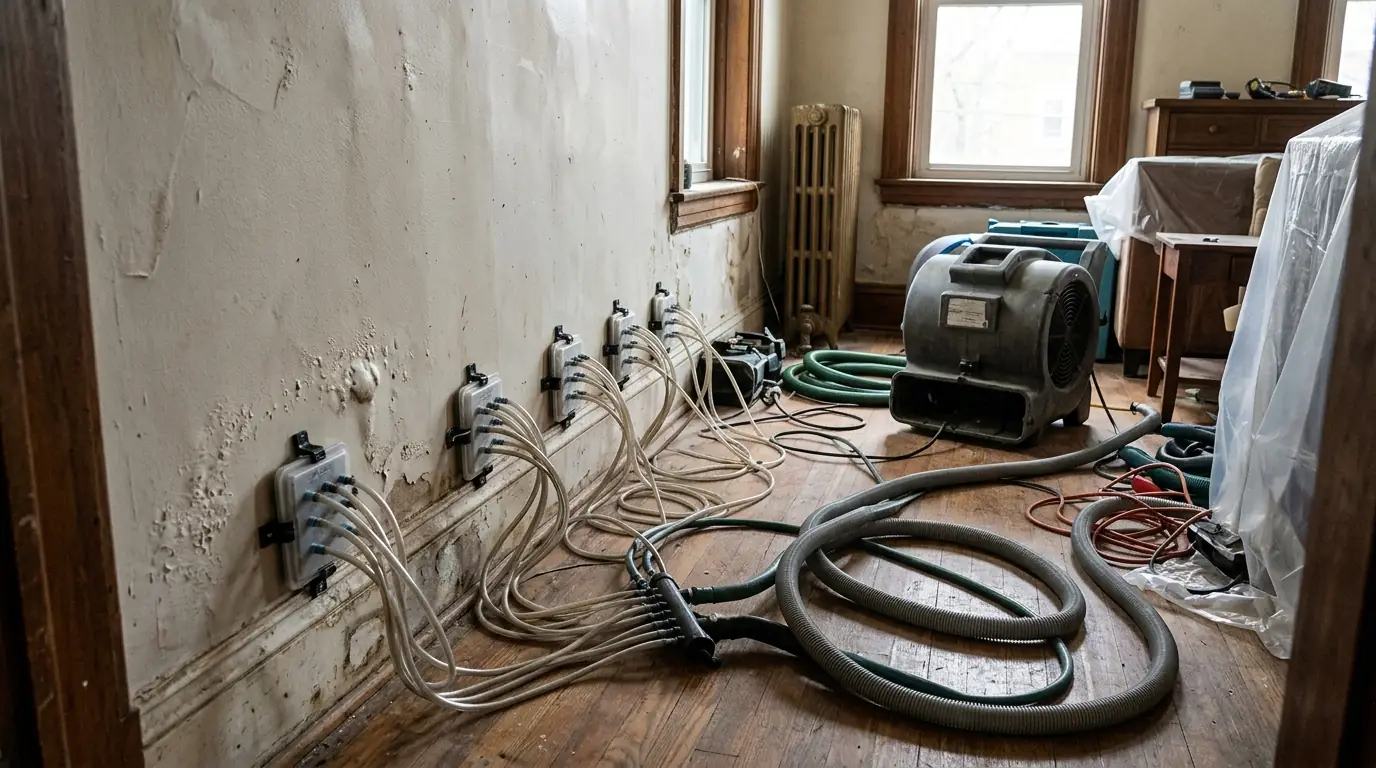
Structural Drying
Structural drying is the controlled removal of moisture from a building's framing, subfloor, wall cavities, plaster and masonry after a water loss.
How we handle it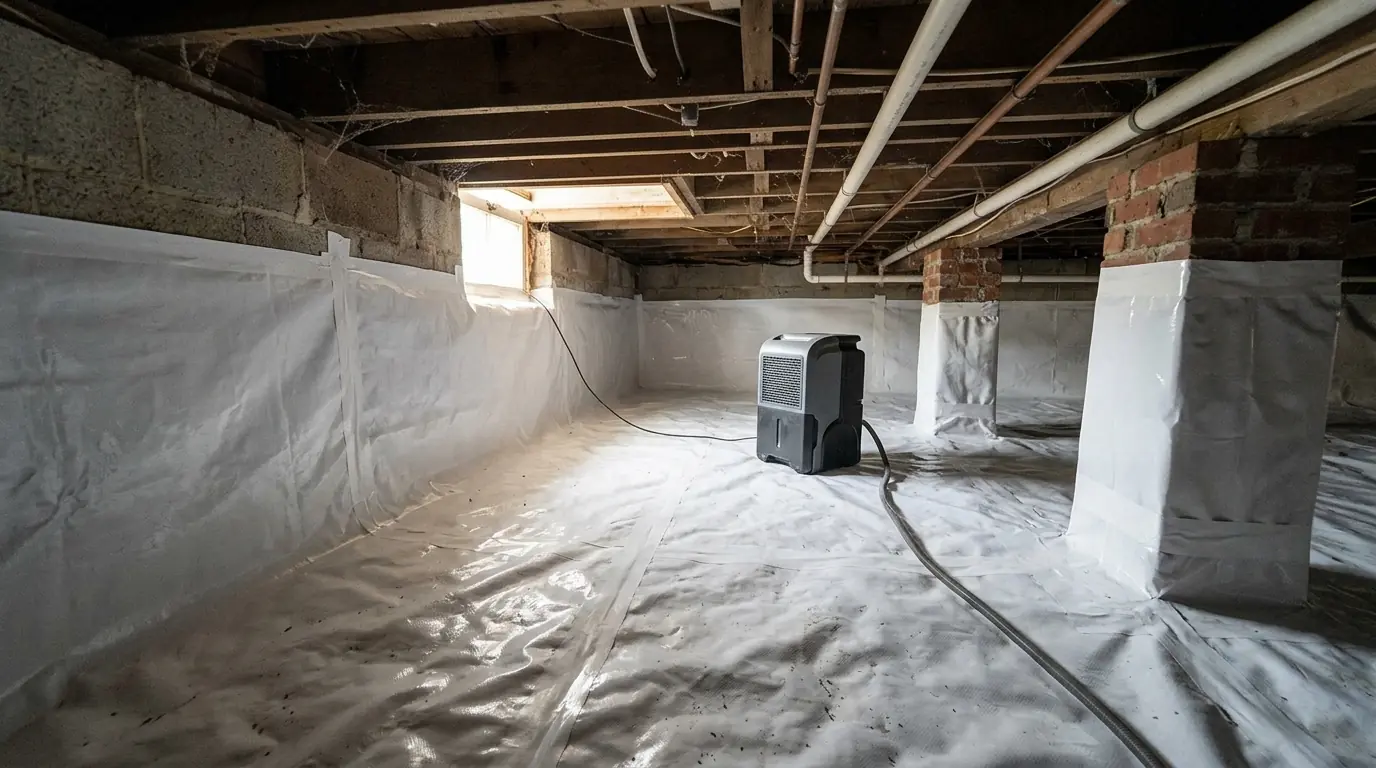
Crawl Space Encapsulation
Crawl space encapsulation closes a dirt or gravel crawl space off from outdoor air and ground moisture.
How we handle it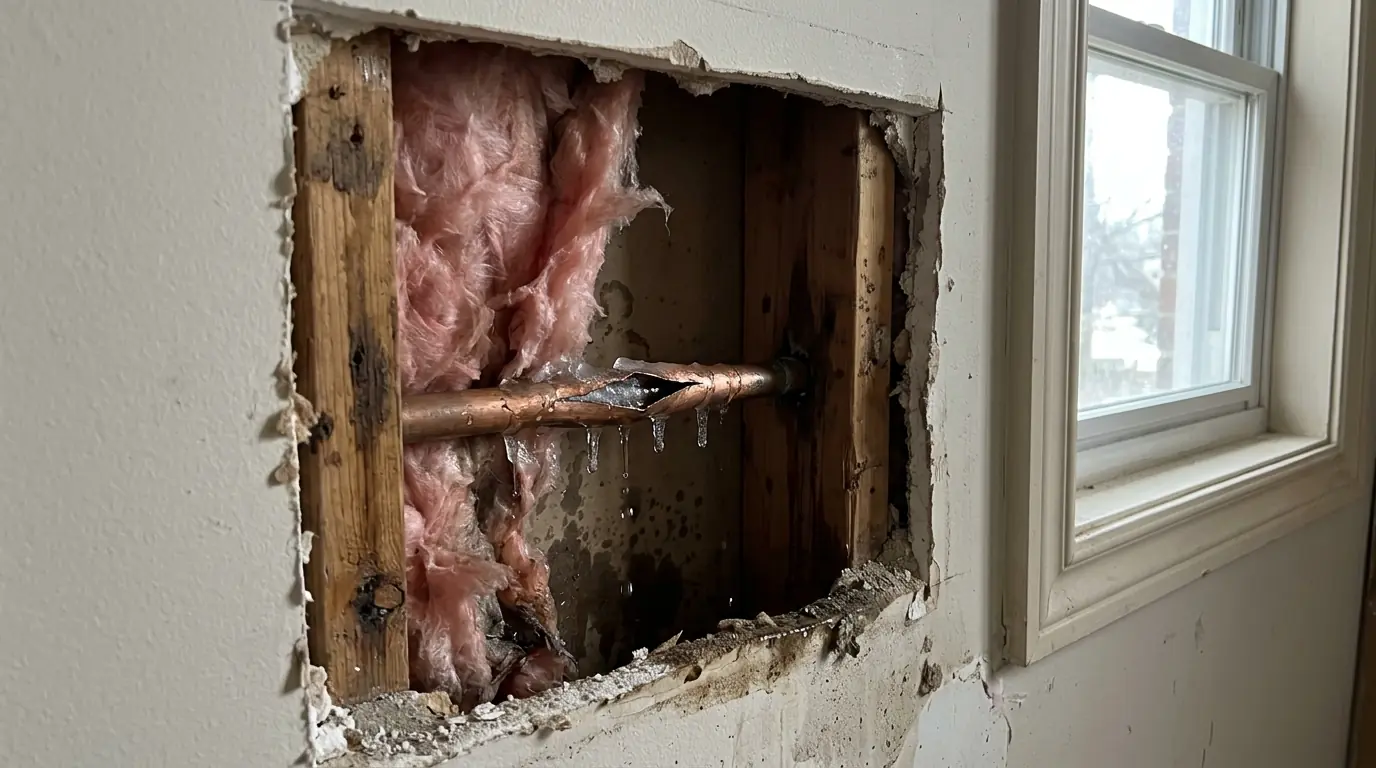
Burst Pipe Cleanup
Burst pipe cleanup deals with the water a split supply or heating line leaves inside walls, floors and ceilings: opening the wall at the break, extracting water, removing soaked insulation, and drying the cavities and the rooms below.
How we handle itWhy does Watts Branch matter when a storm hits Deanwood?
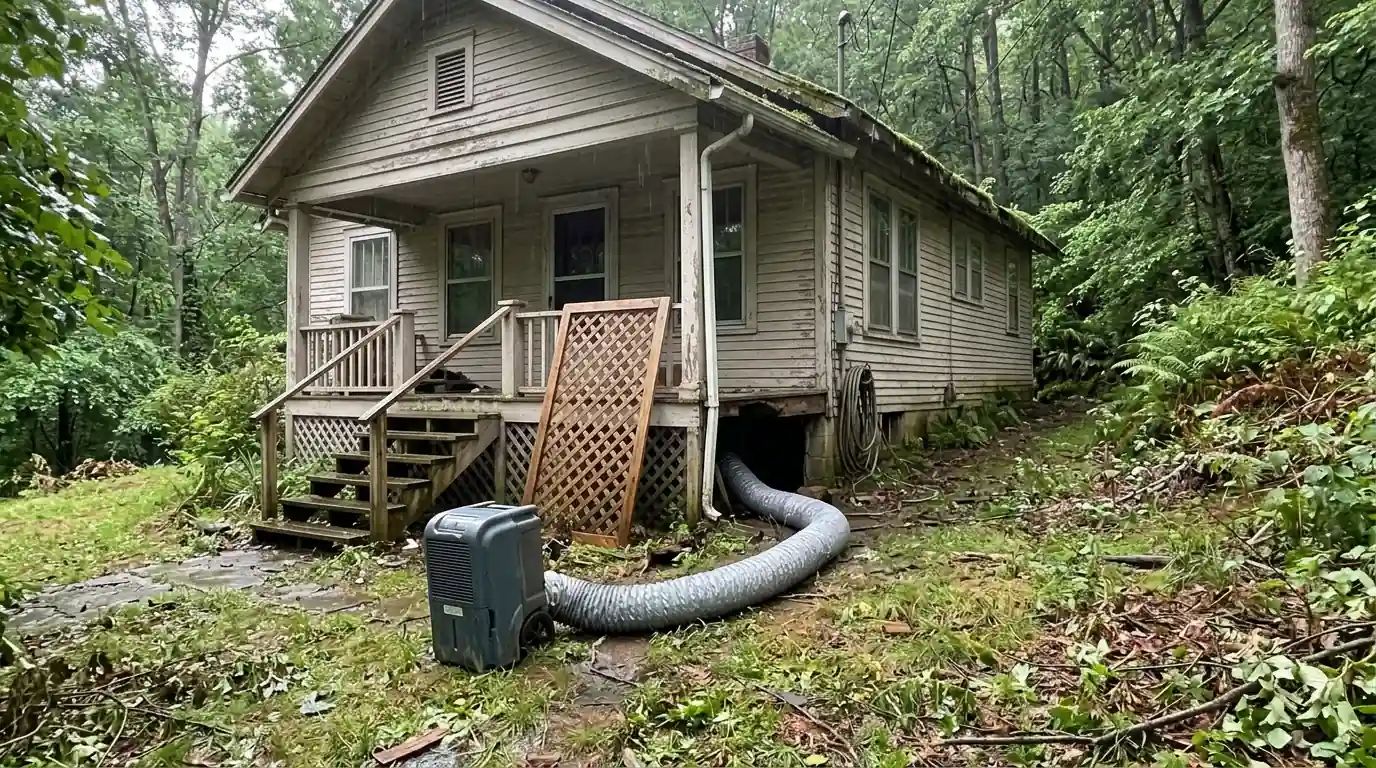
Watts Branch flows through a wooded stream valley park close by on its way to the Anacostia, and the streets on the south side of the neighborhood drain toward it. During a summer cloudburst, water moves quickly down the slopes, overloads storm drains on lower streets, and collects in low yards and along the stream valley. Houses on lower lots catch runoff from the yards above, and water pools against foundations and pours into crawl space vents and basement windows set close to the ground.
Trees are the other big factor. Deanwood has a lot of mature tree cover, which means clogged gutters in the fall, roots in old clay sewer laterals, and the occasional limb through a roof during a wind storm. Shaded crawl spaces under porches and older sections stay damp, and in the humid months from July to September that moisture becomes a mold problem on joists and subfloors. Winter brings frozen pipes in uninsulated crawl spaces and exterior walls. When a storm puts water inside, our storm flooding cleanup starts with stopping new water, then extraction and drying.
Typical calls we get from Deanwood
Runoff through crawl space vents after a cloudburst
A heavy storm sends runoff from the yard above into the crawl space vents of a frame house on a lower lot. We pump out the standing water, remove soaked insulation, dry the joists and subfloor, and point out where grading or a vent well cover would help.
Leak at the seam of an old house and a rear addition
Rain enters where a rear addition roof meets the original wall, soaking the plaster and the floor below. We trace the path, open the wet wall section and dry the framing while the roof seam is repaired.
Frozen pipe in an uninsulated crawl space
A January cold snap freezes a supply line in a shallow crawl space under a bungalow, and the pipe splits. We shut the water, extract the crawl space, dry the subfloor and the oak flooring above, and recommend insulation for the exposed pipe.
Mold on joists under a shaded porch section
A musty odor in a front room traces to growth on the joists under a shaded porch section. Inside a sealed work zone under negative air, we wire-brush and HEPA vacuum the wood, apply an antimicrobial, and discuss a vapor barrier for the dirt floor.
What is different about working on a Deanwood house?
Most houses here are detached or semi-detached, with side yards or short driveways, so getting equipment in is simpler than on a tight rowhouse block. The challenge is usually underneath. Crawl spaces can be shallow, with a small hatch inside a closet or an opening behind the porch lattice. We check for standing water, debris and wiring before anyone crawls in, then dry with dehumidifiers ducted into the space and monitor wood readings each day. If growth is present, mold removal happens under containment so spores do not spread to the rooms above.
Older construction raises a few extra checks. Asbestos-cement siding and some older floor tile and pipe insulation can contain asbestos, so we do not cut or sand those materials until they are tested. Painted trim and plaster in houses from before 1978 may contain lead, which changes how we remove damaged sections. Many owners have lived in their houses for decades, and the basement or back room often holds family belongings. We sort them with you and dry what can be dried. Most jobs here start with a trip along Minnesota Avenue NE or Nannie Helen Burroughs Avenue NE, and parking on the side streets is rarely a problem.

Typical homes in this part of the DC area
Nearby areas we also cover
Questions from Deanwood homeowners
My Deanwood house has asbestos-cement siding. Does that change water damage cleanup?
It changes how damaged siding is handled, not the drying itself. Intact asbestos-cement shingles are generally left alone, but cutting, breaking or sanding them can release fibers. If water damage means removing a section of siding or old floor tile, we have the material tested first and follow the required handling. Drying the framing and interior can usually start right away.
Why does my crawl space flood when it rains even though my basement doesn't?
Crawl space vents and access openings often sit just above ground level, so runoff from a slope pours straight in. Low spots in the yard, short downspouts and soil that slopes toward the house make it worse. Vent well covers, regrading, a French drain or sealing the crawl space usually stops the water, and we show you the likely entry point after drying.
How long does it take to dry a wet crawl space and subfloor?
Usually three to five days once standing water is gone and the space is ventilated with dehumidifiers, but older wood and heavy clay soil can stretch that. We read moisture in the joists, sill and subfloor each day and only call it dry when readings match unaffected wood in the same house. Wet insulation is removed rather than dried, because it holds water against the wood.
Water or mold trouble in Deanwood?
Call JEC Restoration any time. We answer 24/7 and talk through what you are seeing before anyone touches a wall.