Washington, DC neighborhood
Condo leak & ceiling damage in Navy Yard, Washington, DC 20003
In Navy Yard's condo and apartment towers, water rarely stays in one unit. A failed washer hose or a clogged AC drain upstairs can soak your ceiling, walls and floor. We trace it, extract it and dry every affected unit.
For condo and apartment buildings around M Street SE, Nationals Park and Yards Park, JEC Restoration handles unit-to-unit leaks, ceiling damage, wet flooring, mold and smoke cleanup. We coordinate with building management, map moisture across affected units and document every reading. Call (202) 989-3053, answered 24/7.
Why does a leak two floors up end up in your Navy Yard unit?
Most of the housing between the Capitol Riverfront and the Anacostia is recent: concrete-frame condo and rental towers with glass window walls, built around Nationals Park, Yards Park and the M Street SE corridor. The concrete slabs look watertight, but they are full of openings. Pipes, drains, sprinkler lines and electrical conduit all pass through cored holes, and water from a burst supply line or an overflowing tub finds those gaps and drops to the unit below, sometimes two or three floors down.
Inside each unit the materials make the damage harder to see. Interior walls are drywall on metal studs, so water collects in the bottom track where nobody notices it. Floors are often luxury vinyl plank or engineered wood laid over an acoustic underlayment, and that underlayment holds water against the concrete long after the surface looks dry. Stacked washer and dryer closets, dishwashers, refrigerator ice maker lines and the fan coil units that heat and cool each apartment are the usual sources. We find the wet zones with a thermal camera and a pin meter instead of guessing from stains.
Most-called services in Navy Yard
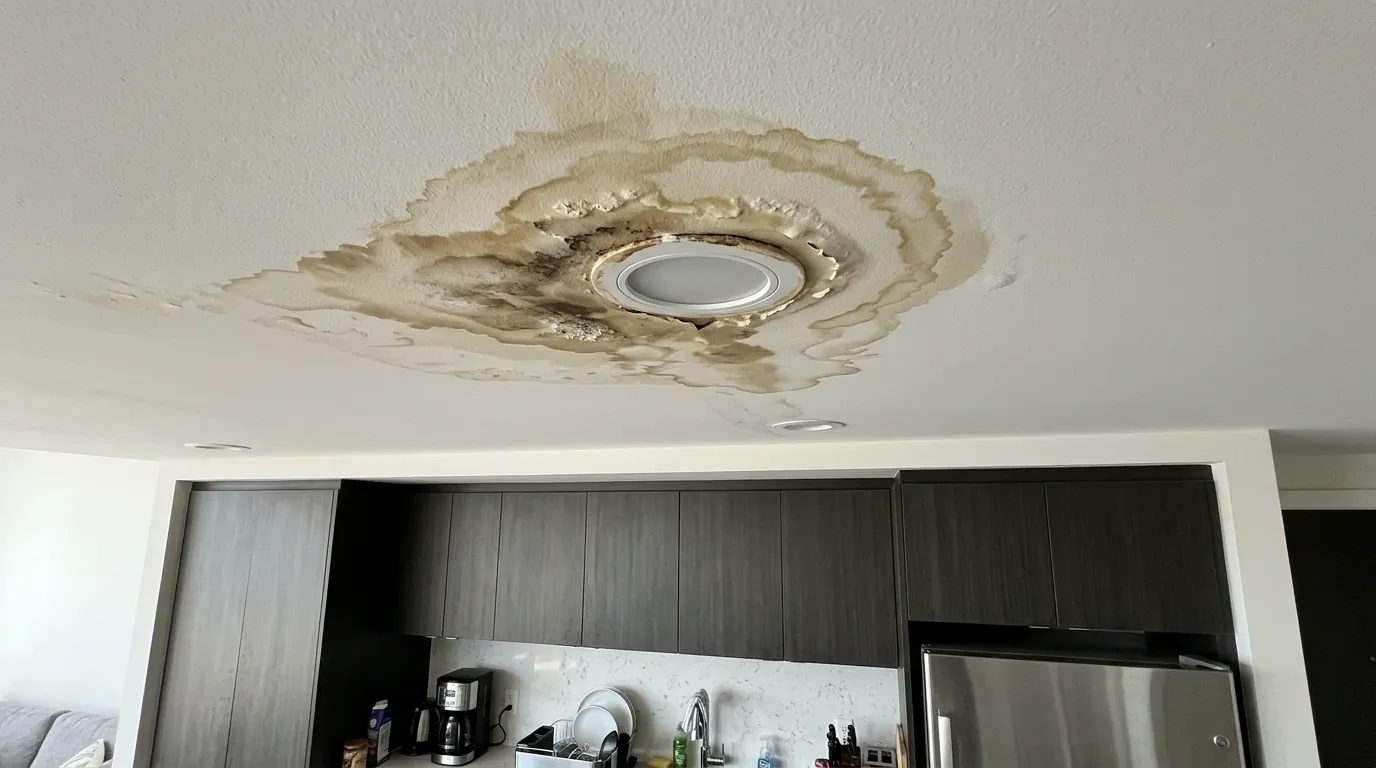
Condo Water Damage
Condo water damage work covers leaks that cross unit lines: water from the unit above, a failed riser, a shared wall or a roof over the top floor.
How we handle it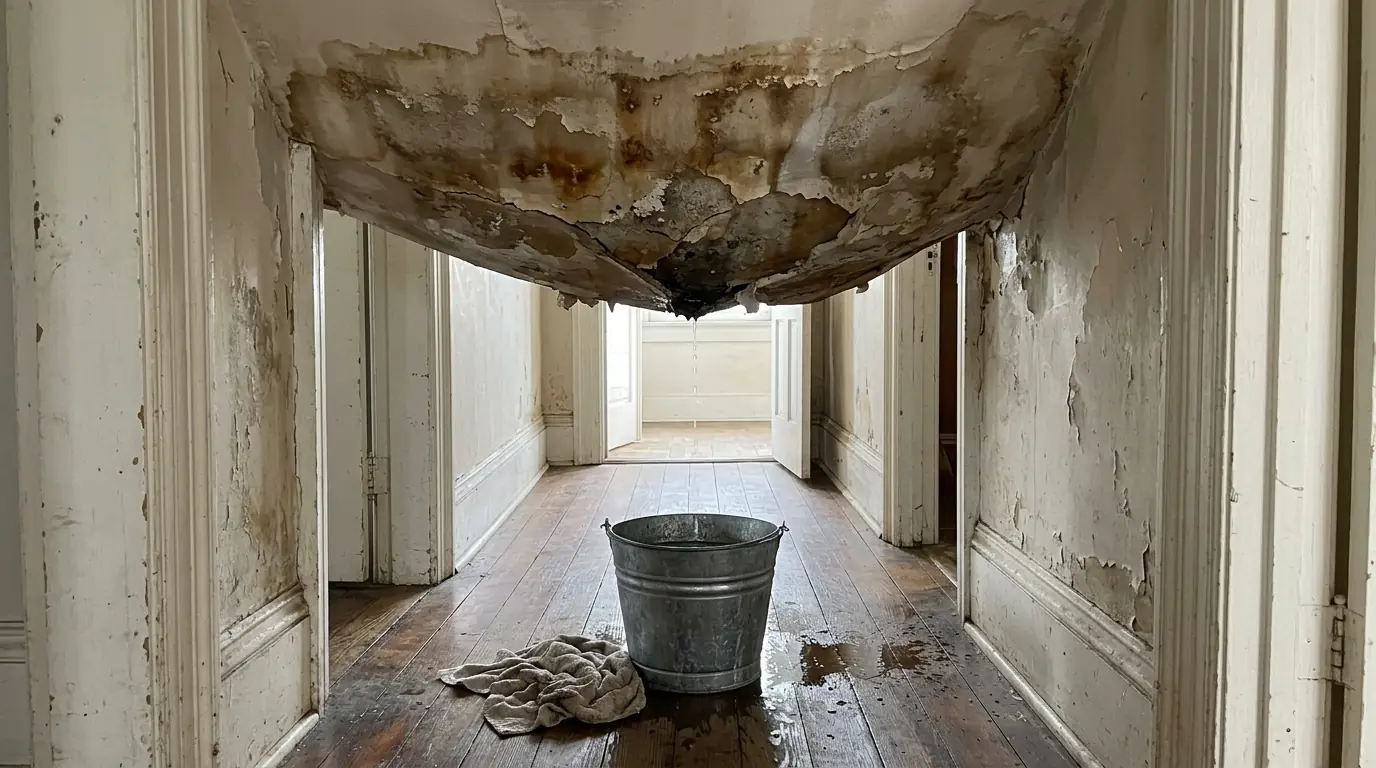
Ceiling Leak Damage
Ceiling leak damage work deals with water trapped above a ceiling from a roof, a bathroom, a radiator or an air conditioning line.
How we handle it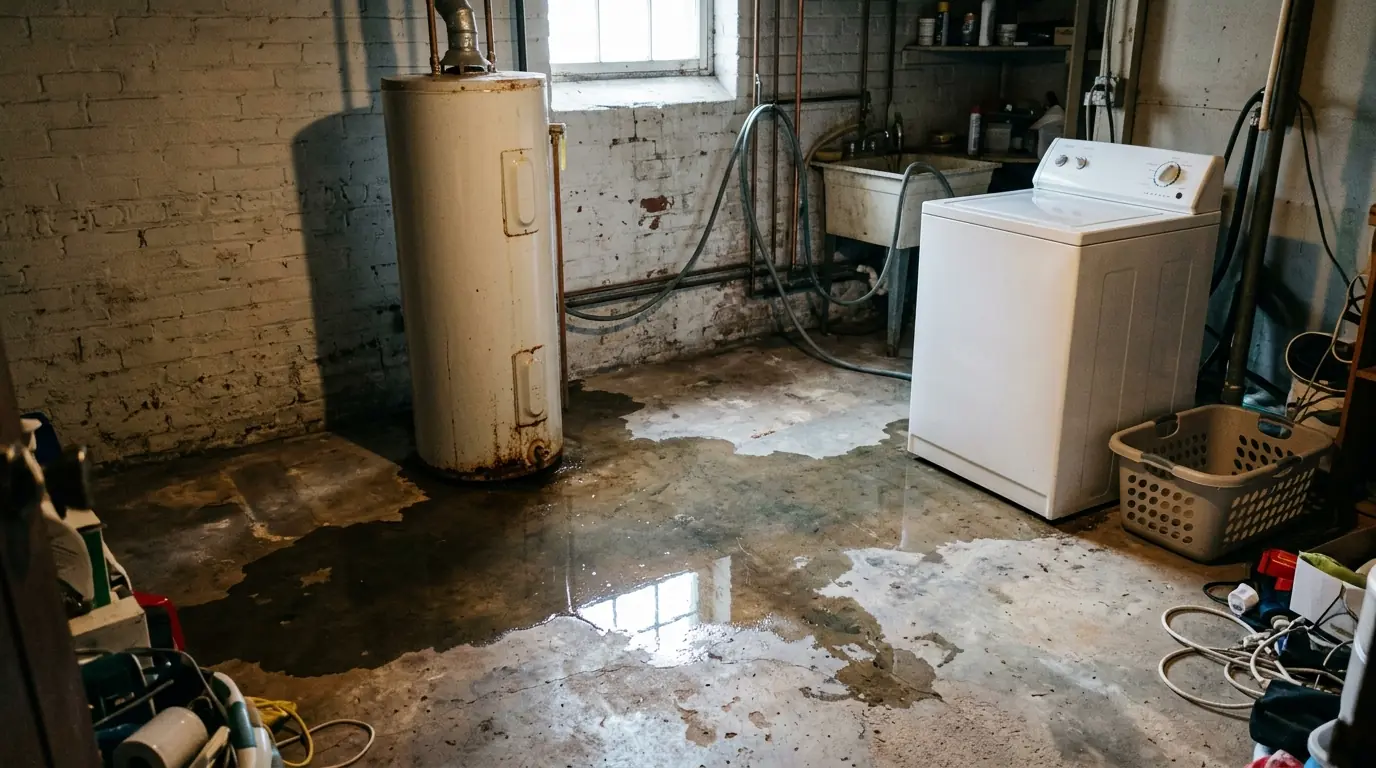
Appliance Leak Cleanup
Appliance leak cleanup is the extraction, drying and cleanup that follows water escaping from a water heater, washing machine, dishwasher, refrigerator ice maker or air conditioner condensate line.
How we handle it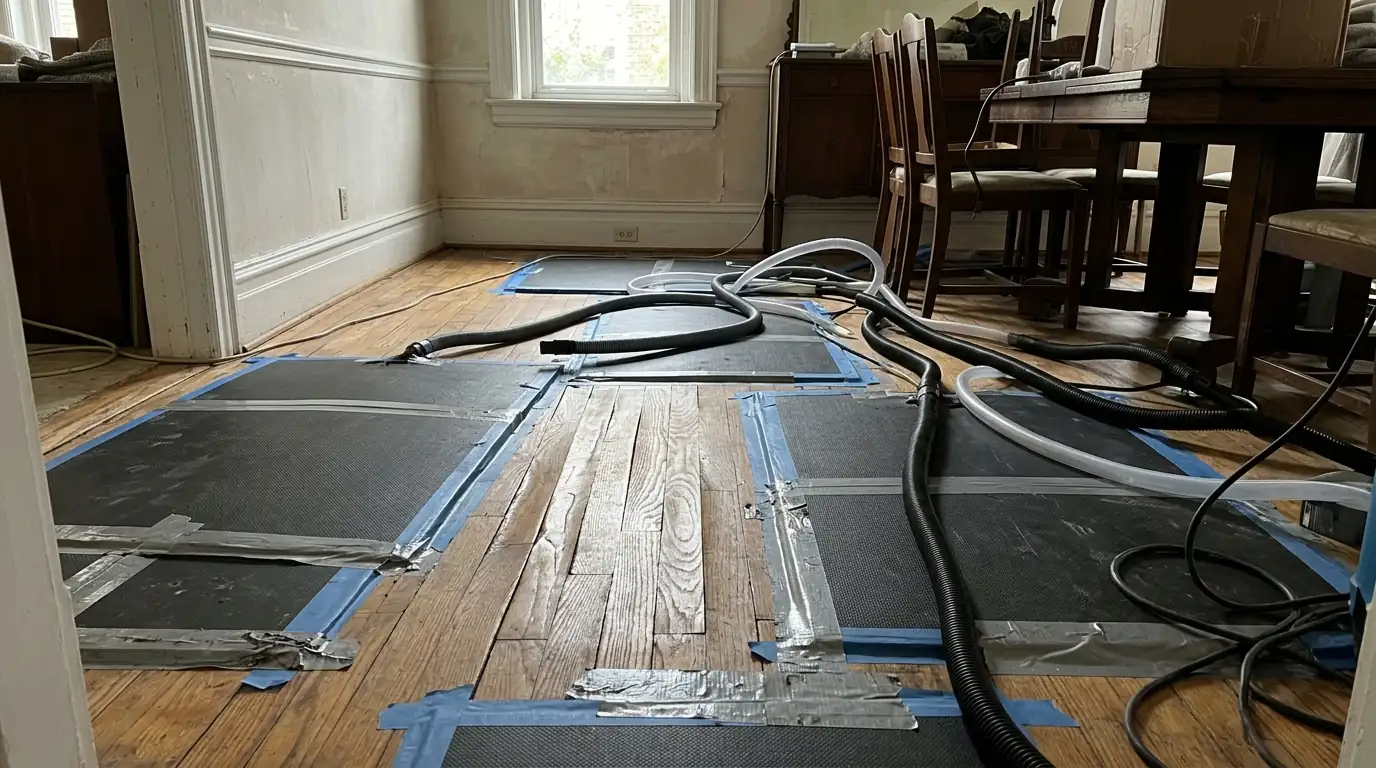
Hardwood Floor Drying
Hardwood floor drying removes water from solid wood flooring and the subfloor beneath it, usually with suction floor mats, dehumidifiers and steady monitoring.
How we handle it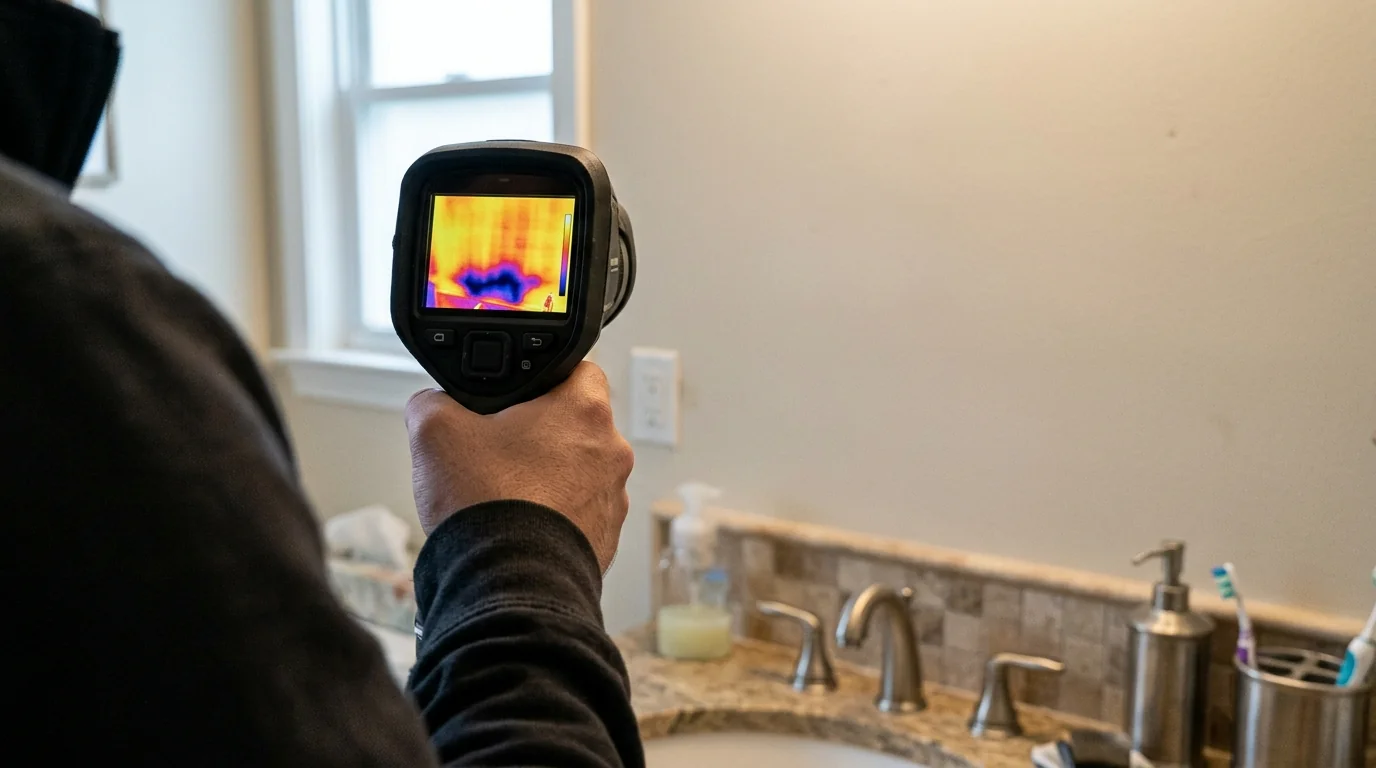
Moisture & Leak Detection
Moisture and leak detection is a non-invasive survey that finds where water is hiding in walls, ceilings and floors and how far it has spread.
How we handle itWhat brings water into a high-rise on the Anacostia waterfront?
Summer is the busy season. When air conditioning runs all day from June into September, the condensate drain lines on fan coil units clog with algae and dust, the drain pan overflows, and water runs inside the wall or across the ceiling of the unit below. A wet line along the base of a closet that holds the air handler is a typical first sign. Humid air also condenses on cold supply ducts in ceiling soffits and drips onto drywall.
Weather causes the rest. Wind-driven rain from summer thunderstorms gets past aging sealant at window wall joints and balcony sliders, soaking the floor near the glass. The neighborhood sits on low ground beside a tidal river, and heavy cloudbursts can overwhelm street drains, send water down parking garage ramps and flood below-grade storage rooms. Amenity decks, rooftop pools and planters over occupied floors add their own leak paths when their membranes fail. In older rowhouses up the hill in Capitol Hill, basement floor drains cause most calls. Here the water nearly always comes from above or beside you.
Typical calls we get from Navy Yard
Washer hose failure stacked over two units
A supply hose bursts behind a stacked washer and dryer while the owner is at work, and water reaches two units below before the shutoff is found. We extract all three units, open the lower few inches of wet drywall and dry each unit with its own moisture log.
Fan coil overflow during a July heat wave
The condensate line on an air handler clogs, the pan overflows, and the closet floor and the neighbor's ceiling below turn wet. We clear the immediate mess, cut a small inspection opening in the ceiling and dry the bay before stains spread.
Rain at a balcony slider soaking vinyl plank
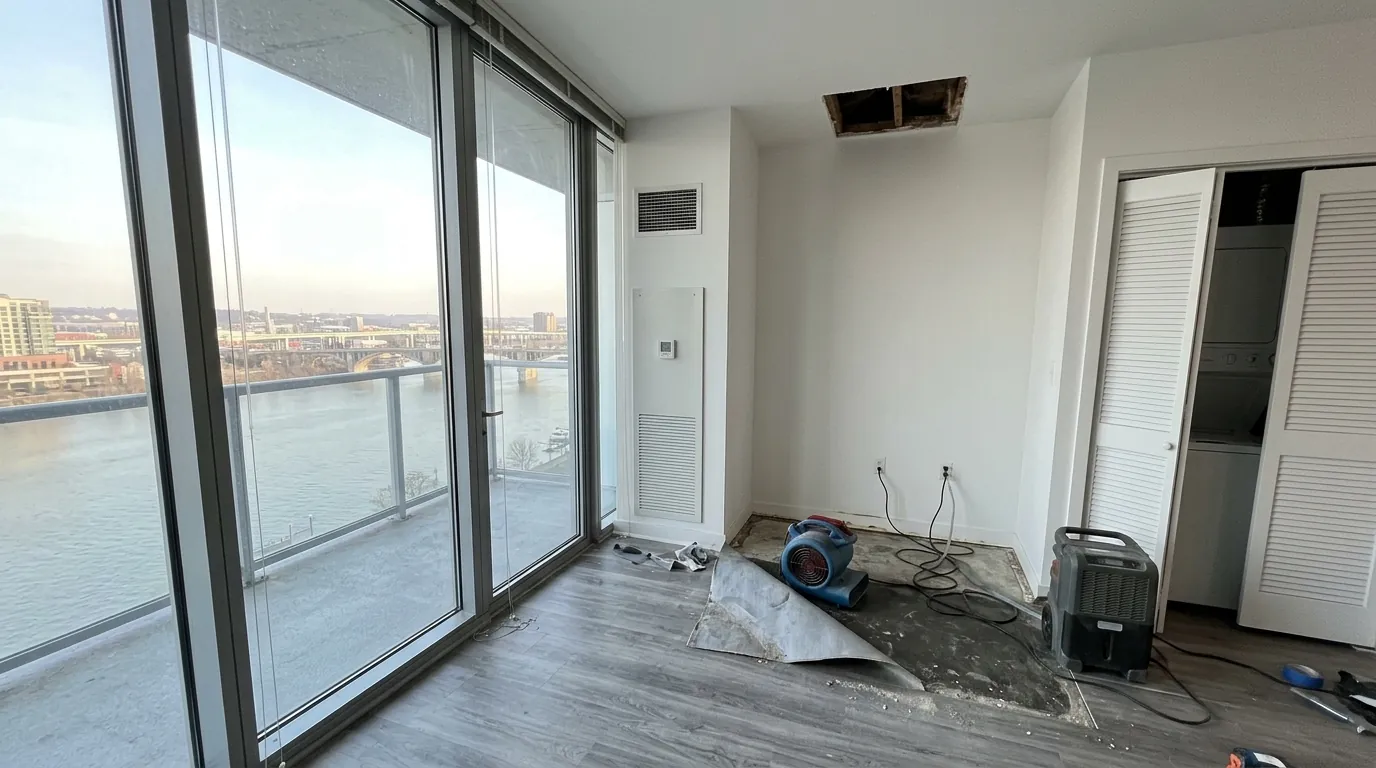
Wind-driven rain gets past failed sealant at a sliding door and wicks under luxury vinyl plank. We pull the planks near the glass, dry the underlayment and slab with low-grain dehumidifiers, and reinstall the planks once readings match a dry room.
Flooded storage room in a garage level
A heavy downpour sends runoff down the garage ramp into below-grade storage cages. We pump out the room, help sort wet cardboard boxes and stored items, disinfect the floor and set drying equipment while management repairs the drain.
How does a cleanup work with a concierge, a loading dock and a condo board?
Big buildings have rules, and a good cleanup follows them. Management usually wants the service elevator reserved, equipment brought through the loading dock and work kept to set hours. We call the front desk or property manager first, protect the hallway floors and elevator walls, and keep cords and hoses inside the unit. On game days at Nationals Park, traffic and street closures around First Street and N Street SE affect timing, so we plan arrivals around the schedule.
Responsibility is often split. The association's master policy may cover the building structure while your own HO-6 policy covers finishes, contents and improvements, but the details vary, so check your policy and your condo documents before assuming who pays. We keep separate moisture logs and photos for each affected unit so the owners, the association and their adjusters each see the same facts. Our page on condo leak cleanup covers the steps, and the guide to leaks from the unit above explains what to do in the first hour.

Typical homes in this part of the DC area
Nearby areas we also cover
Questions from Navy Yard homeowners
Can wet luxury vinyl plank in a Navy Yard condo be dried without replacing it?
Sometimes. Click-lock vinyl plank can often be lifted, the underlayment and slab dried, and the same planks put back if they did not swell or separate. Glue-down plank and wet engineered wood are harder. We test the concrete under the floor before deciding, because laying flooring back over a damp slab traps moisture and leads to odor and mold under the planks.
My unit got water from the condo above. Whose insurance pays for the drying?
It depends on where the leak started, your association's bylaws and both owners' policies, so check your policy and your condo documents. Often the master policy covers common structure and an HO-6 policy covers finishes and contents inside a unit. We document the source, the path and readings in every affected unit so adjusters can sort out responsibility while the drying moves ahead.
Do you coordinate with Navy Yard building management before arriving?
Yes. Most towers here require a reserved service elevator, loading dock access and work within set hours, and some want a heads-up before equipment comes in. We contact the front desk or property manager, follow their rules for protecting halls and elevators, and keep management informed about which units have drying equipment and for how long.
Water or mold trouble in Navy Yard?
Call JEC Restoration any time. We answer 24/7 and talk through what you are seeing before anyone touches a wall.