Washington, DC neighborhood
Burst pipe & basement repair in Petworth, Washington, DC 20011
Petworth's porch-front rowhouses hide renovated basement apartments over century-old drain lines, and burst pipes, failed stacks and leaking porch roofs keep them busy. We find the water, dry the structure and remove whatever mold followed.
If a Petworth home has a burst pipe, a flooded basement apartment, mold, fire damage or a sewage backup, call JEC Restoration at (202) 989-3053. We answer 24/7 and work all of 20011 around Georgia Avenue, Grant Circle and Sherman Circle, with meters, thermal cameras, extraction equipment and drying gear on every first visit.
What breaks first in a renovated Petworth porch-front rowhouse?
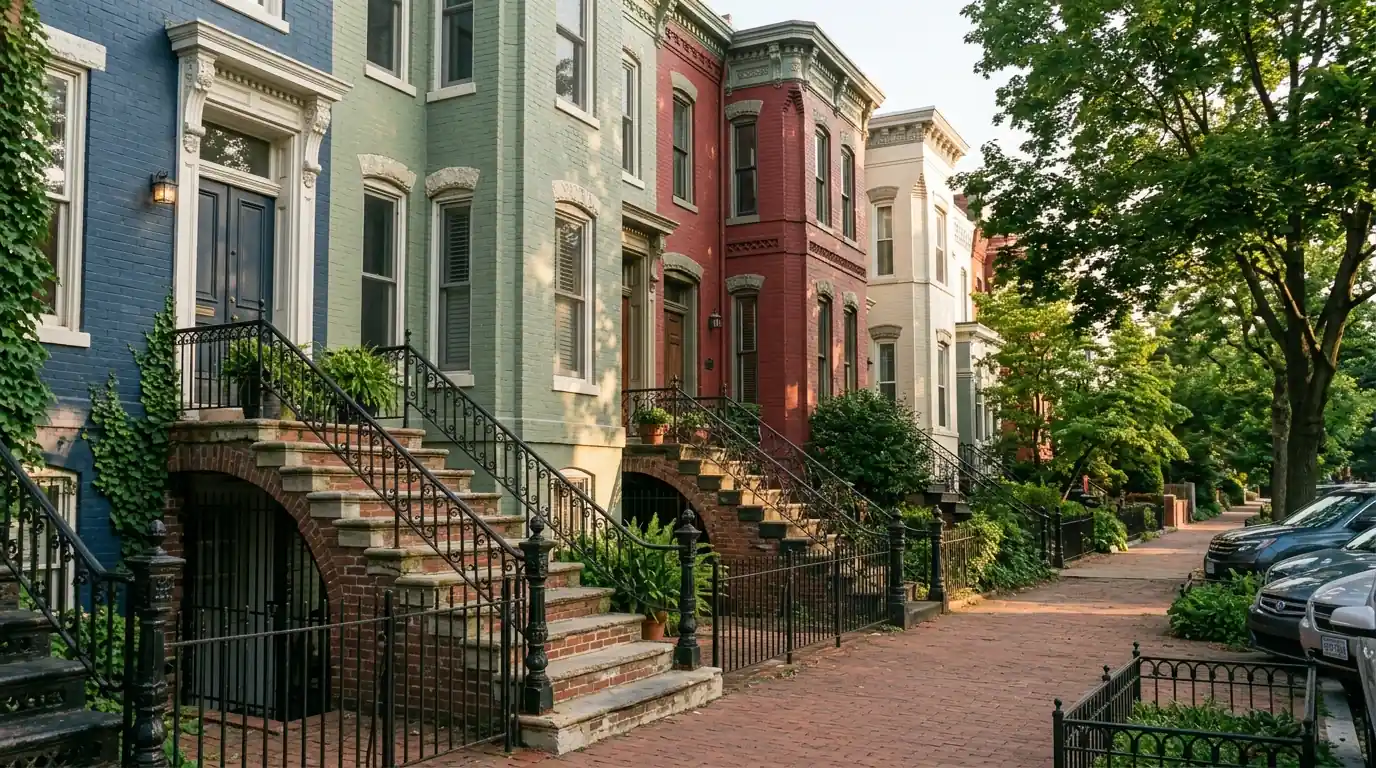
Most of Petworth was built in the first decades of the twentieth century and through the 1920s and 1930s: two-story brick rowhouses with full-width front porches, a rear kitchen wing, and a full basement with a back door to the yard or alley. In the last twenty years many were renovated top to bottom, and the basement became a rental unit with its own kitchen, bathroom and laundry.
Those renovations often kept the original bones and replaced only what you can see. A new basement bathroom may tie into a cast-iron soil stack that is close to a century old, and a hairline crack or a rusted joint can leak inside a wall for months. Fresh drywall fastened tight against damp brick hides moisture until a baseboard swells or a dark line appears near the floor. When we find that, we test the wall, cut it open under containment, and treat it as mold behind drywall if growth has started. Porch roofs are the other weak point: a flat porch roof with tired flashing where it meets the brick sends water into the front wall and down to the basement ceiling.
Most-called services in Petworth
Burst Pipe Cleanup
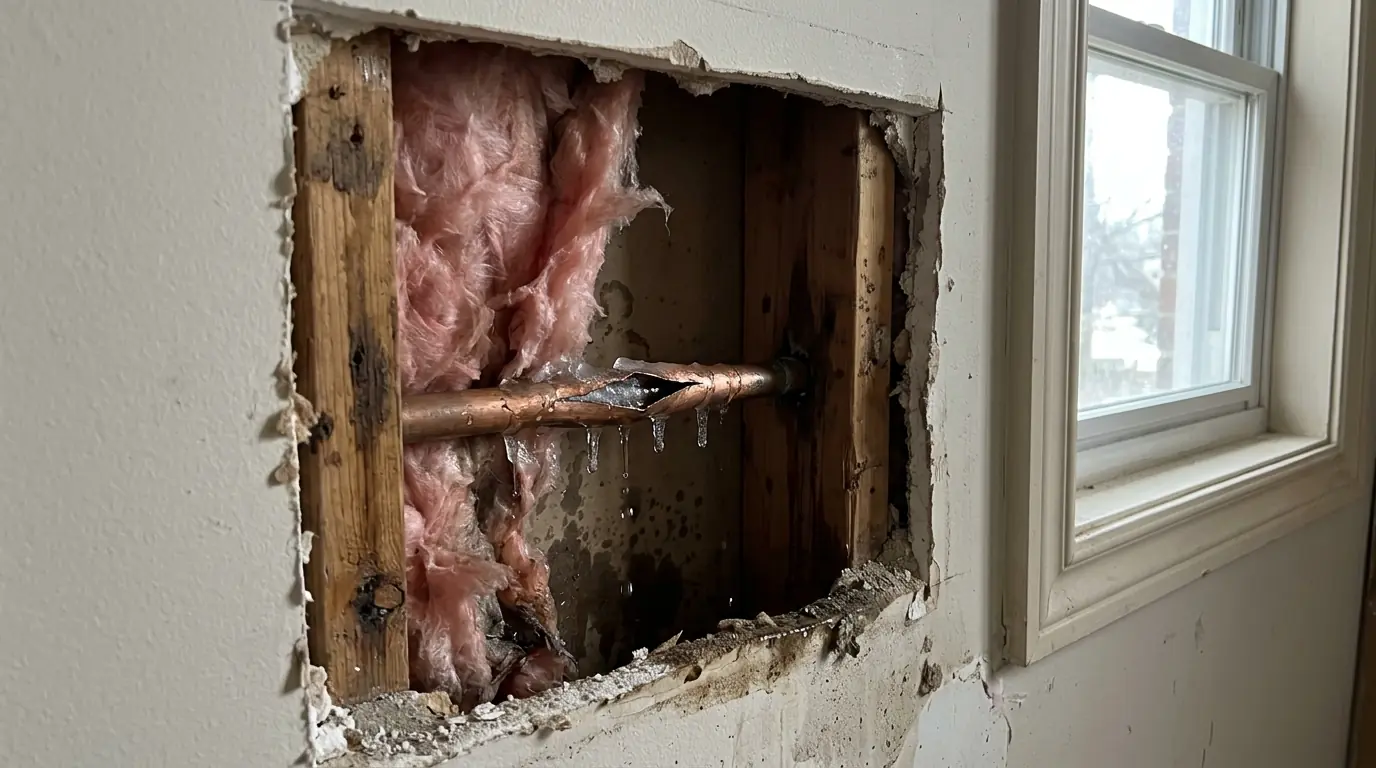
Burst pipe cleanup deals with the water a split supply or heating line leaves inside walls, floors and ceilings: opening the wall at the break, extracting water, removing soaked insulation, and drying the cavities and the rooms below.
How we handle it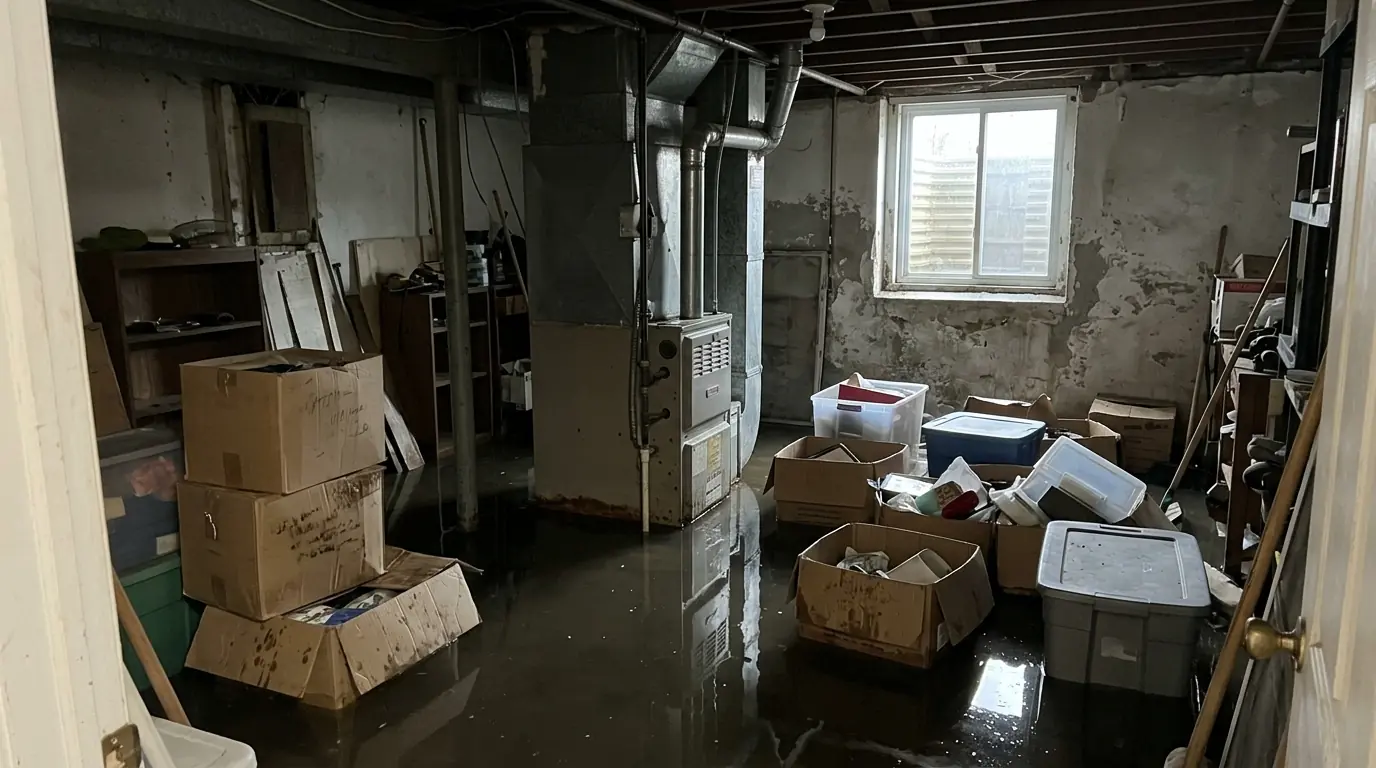
Flooded Basement Cleanup
Flooded basement cleanup removes water from a below-grade space, cleans and sanitizes what it touched, takes out finishes that cannot be saved, and dries the slab, walls and framing.
How we handle it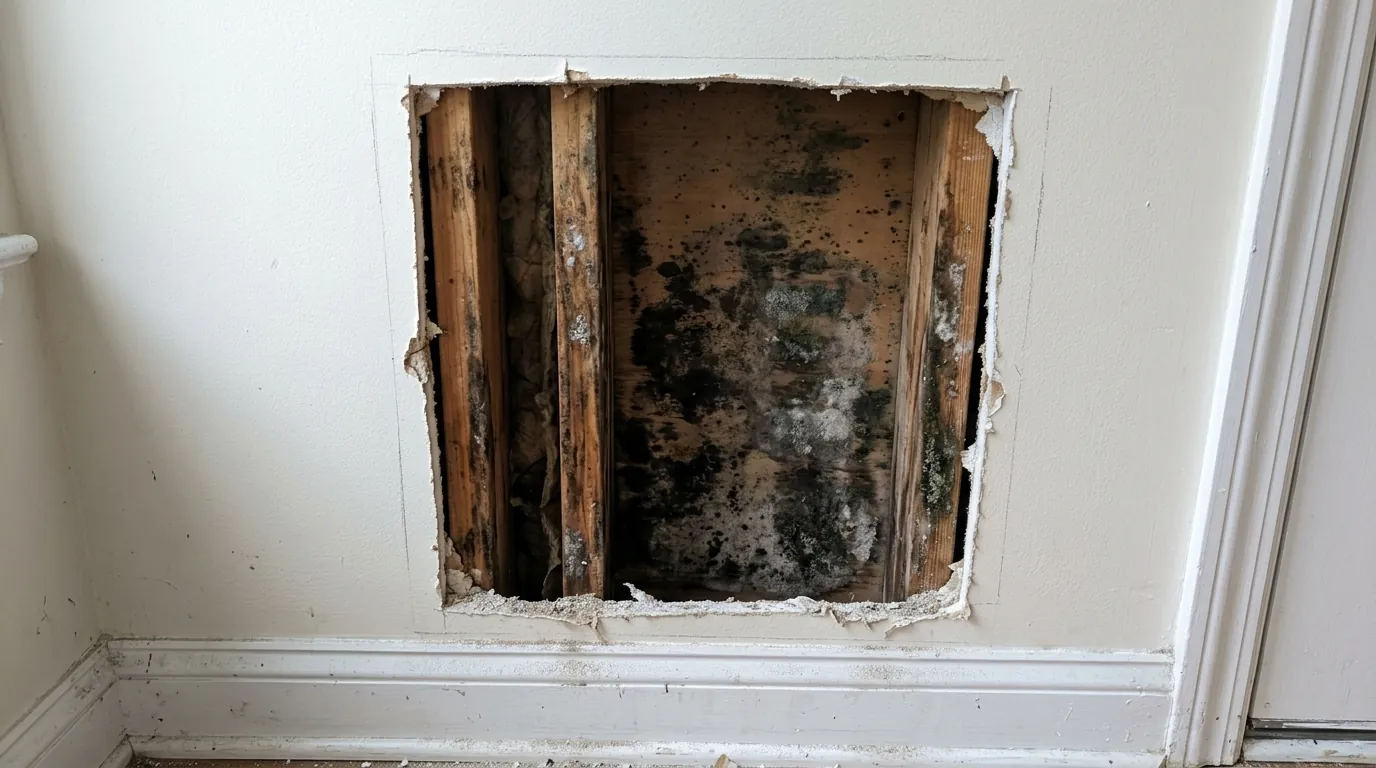
Mold Behind Drywall
Mold behind drywall grows on the back of the paper facing, on studs and on insulation inside a wall that has stayed damp from a slow leak, condensation or an old flood.
How we handle it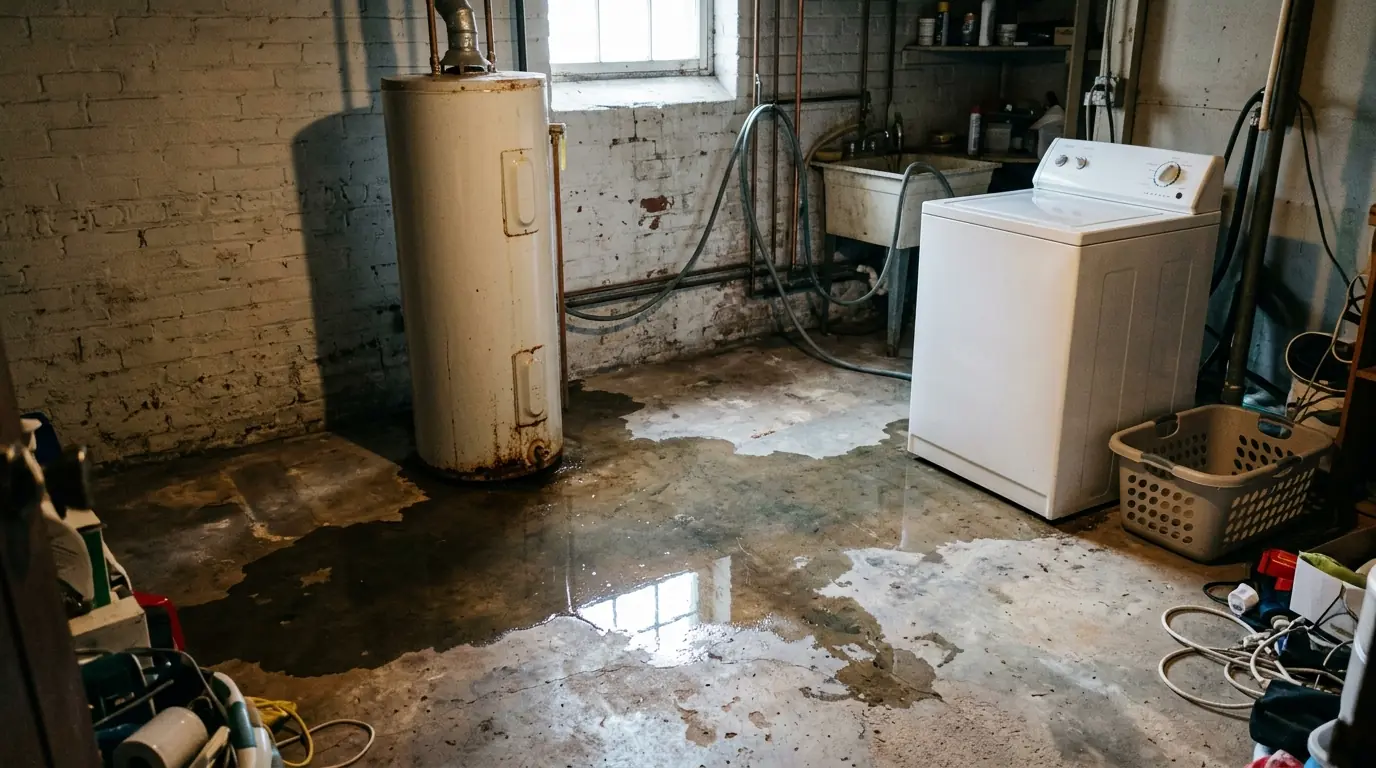
Appliance Leak Cleanup
Appliance leak cleanup is the extraction, drying and cleanup that follows water escaping from a water heater, washing machine, dishwasher, refrigerator ice maker or air conditioner condensate line.
How we handle it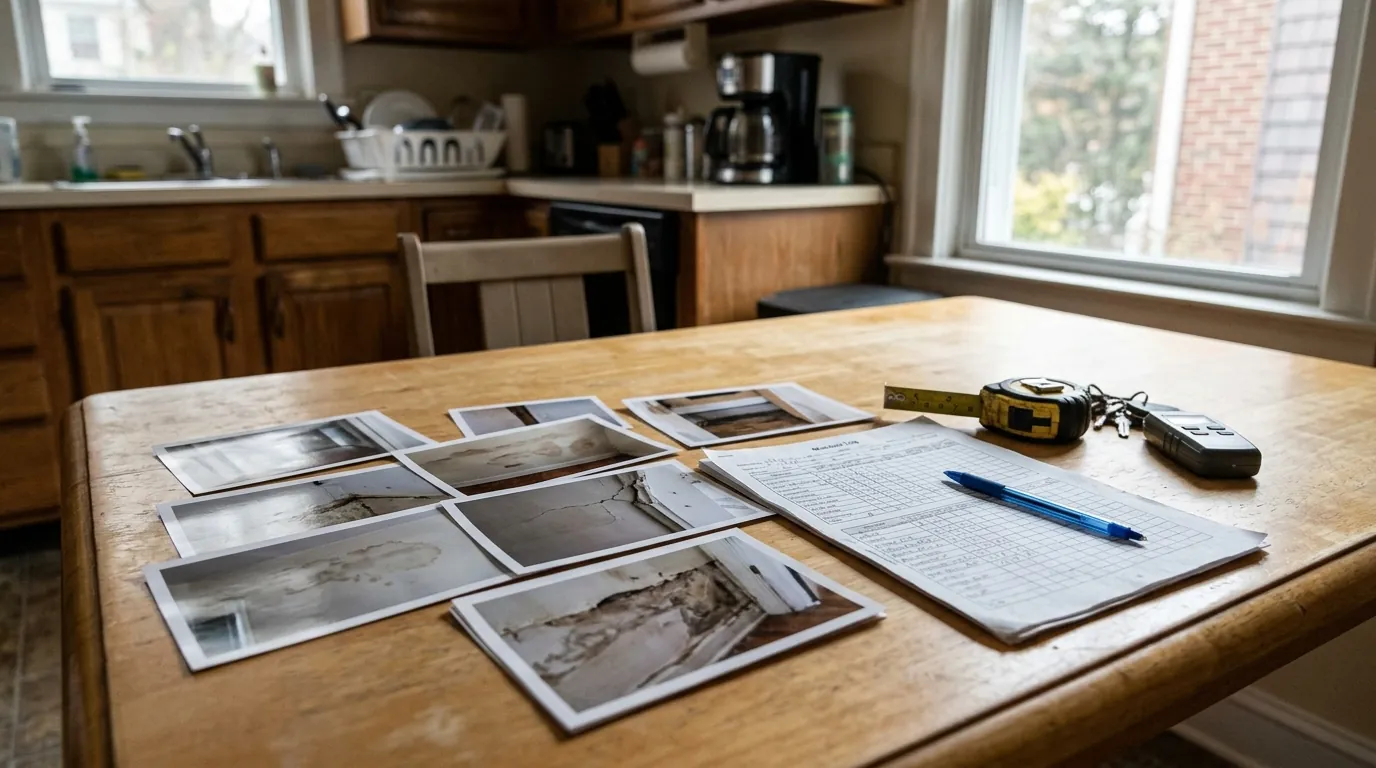
Insurance Claim Help
Insurance claim help, as we provide it, means documenting the damage and the work so you have what your insurer asks for: dated photos, moisture readings, daily drying logs, equipment records and an itemized repair scope.
How we handle itWhy do pipes freeze and burst in Petworth houses?
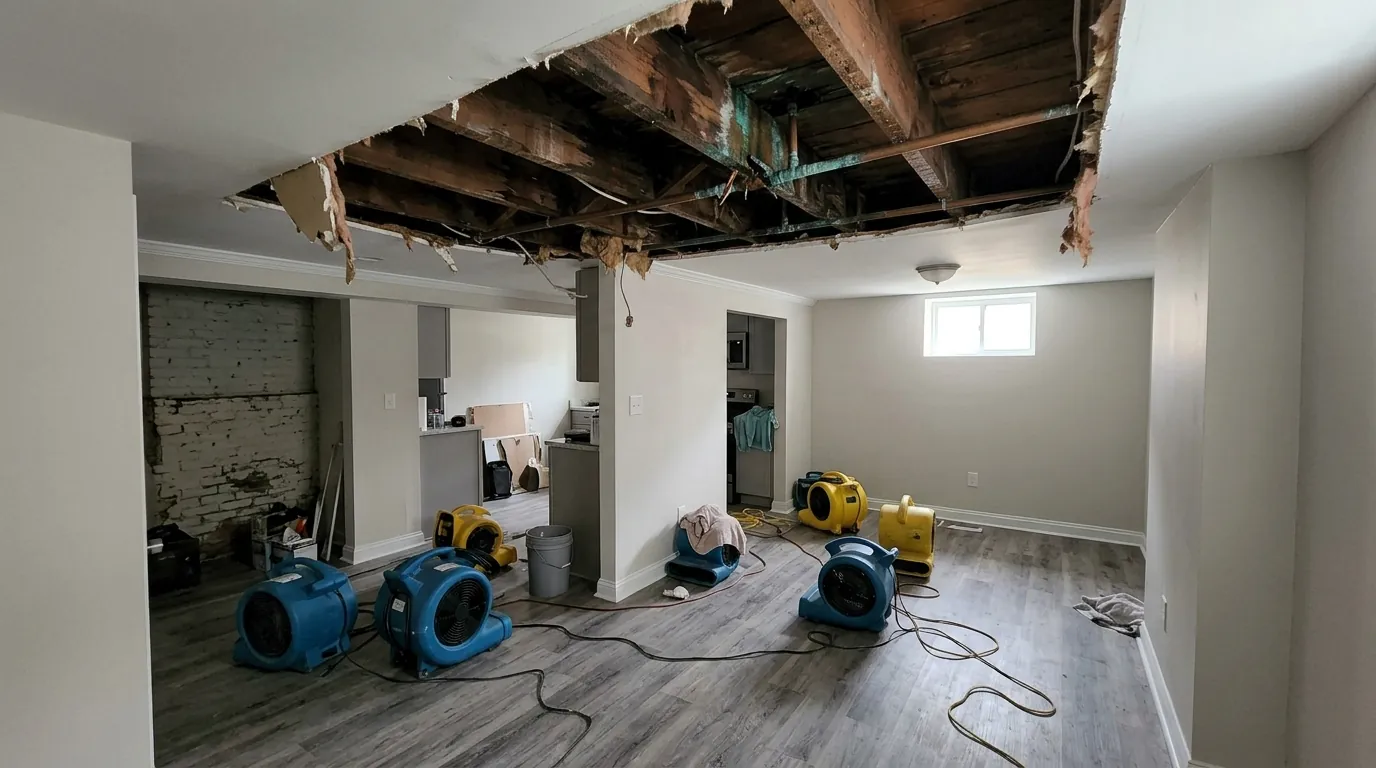
Rear kitchen additions are the usual reason. Many sit over a shallow crawl space or a basement corner with little insulation, and the sink and dishwasher lines run along an exterior wall. In a January cold snap, those lines freeze, split, and then release water when the pipe thaws, often while the family is at work. Hose bibs that were never shut off from inside are another frequent break. Our guide to where pipes freeze in older DC homes shows the spots to check before winter.
Rain is the next source. Back yards often slope toward the house, and a clogged drain at the bottom of the rear basement steps lets a storm pour straight under the door. Older sewer laterals running out to the street can crack or fill with roots, so a heavy load of laundry or a storm can back water up through the basement floor drain. A plumber with a camera can tell you which one you have, and we handle the cleanup either way, from burst pipe water to Category 3 sewage.
Typical calls we get from Petworth
Frozen line under a rear kitchen addition
The sink supply in an uninsulated rear addition freezes and splits, and the water runs into the basement apartment below. We shut off and extract, remove soaked ceiling drywall, and dry the joists and the tenant's flooring with dehumidifiers and air movers.
Cracked cast-iron stack behind a new bathroom
A renovated basement bathroom smells musty, and the wall behind the toilet reads wet. We open the wall under containment, find the leaking stack joint for your plumber, remove the moldy board, and dry and clean the cavity before it is closed up.
Porch roof leak into the front basement wall
Worn flashing on a flat porch roof lets rain run into the front brick wall, and the basement bedroom ceiling below starts to stain. We trace the water path with a thermal camera, dry the wall and ceiling, and photograph the flashing for the roofer.
Washer overflow in a shared basement laundry
A clogged washer drain overflows in a basement laundry that both units use. We extract the water, pull baseboards to dry the wall bottoms, and check the subfloor and slab under nearby flooring so nothing stays wet out of sight.
How do we handle a job when someone lives in the basement unit?
A Petworth water loss often affects two households: the owner upstairs and a tenant below. We ask about both on the first call. If the water is clean and the basement apartment can stay in use, we place equipment so the tenant keeps a path to the kitchen and bathroom. If sewage is involved, the unit needs to be empty while we remove contaminated materials, and we put that in writing so you can share it with the tenant.
Most houses have alley access behind them, which makes it easier to bring in pumps, run hoses through the rear basement door and haul out wet drywall without crossing the front porch. On Georgia Avenue and near the Georgia Ave-Petworth Metro station, where apartments sit over shops, we plan around loading zones and building managers. We keep daily moisture logs and photos for each room, and we can help you organize them through claim documentation help. A sudden pipe burst is often covered, while a slow leak or a sewer backup may not be, so check your policy.
Typical homes in this part of the DC area
Nearby areas we also cover
Questions from Petworth homeowners
My Petworth basement apartment was renovated recently. Why is there still mold?
Renovations often update finishes without fixing how water reaches the space. Drywall installed tight to old brick, no vapor control at the slab, and bathrooms tied into aging drain lines all leave moisture behind new surfaces. Since mold can trigger allergy and asthma symptoms in sensitive people, we find the source, remove what is growing, and recommend what to change so the problem does not come back after the wall is closed.
Which pipes should I protect before winter in a Petworth rowhouse?
Start with lines in the rear kitchen addition, any pipe along an exterior wall, and hose bibs at the back of the house. Shut off and drain outdoor faucets from inside, add pipe insulation where you can reach the lines, and on the coldest nights open cabinet doors under sinks on outside walls. If you leave town in January, keep the heat on and ask someone to check the house.
Can I stay upstairs while you dry the basement?
Usually, yes. For clean water from a pipe or appliance, the upper floors stay in normal use while dehumidifiers and air movers run downstairs. Expect some noise and warm air near the basement door. For a sewage backup, we isolate the basement with plastic and negative air so the upstairs stays clear. We walk through the plan with you so you know which doors to keep closed.
Water or mold trouble in Petworth?
Call JEC Restoration any time. We answer 24/7 and talk through what you are seeing before anyone touches a wall.