Knowledge Base
Water damage insurance claims: photos, receipts and timing
A water claim usually turns on a few simple things: when you reported it, what you documented before cleanup, and whether the damage was sudden or gradual. Here is how to keep a clear record from the first hour, without promising yourself anything your policy does not say.
By Winifred Larkin, Knowledge Base EditorUpdated 6 min read
The short version
- Report the loss promptly and keep a log of every call, name and claim number.
- Photograph and film everything before cleanup, and keep samples and the failed part.
- Most policies expect you to stop further damage, so keep receipts and drying logs.
- Sudden pipe bursts are often covered; flood and sewer backup often need separate coverage. Check your policy.
How soon should you report water damage to your insurer?
As soon as you reasonably can, usually the same day or the next. Most homeowners and condo policies require prompt notice of a loss, and delays can make an adjuster question how long the water sat and how much of the damage came from the delay. You do not need every detail before calling. Report what happened, when you found it, and what you have done to stop it.
Write down the claim number, the name of everyone you speak with and the date and time of each call. Keep this in one notebook or note on your phone. Weeks later, when you are asked who approved a dehumidifier or when the adjuster first visited, that log saves a lot of back and forth.
If you rent an English basement apartment or own a condo, there may be more than one policy involved. A tenant has renters coverage for their belongings, the owner has a policy for the building, and in a condo the association master policy may cover parts of the structure while your unit policy covers the rest. Notify everyone who may be involved and check your policy for which parts each one covers.
What should you photograph before any cleanup starts?
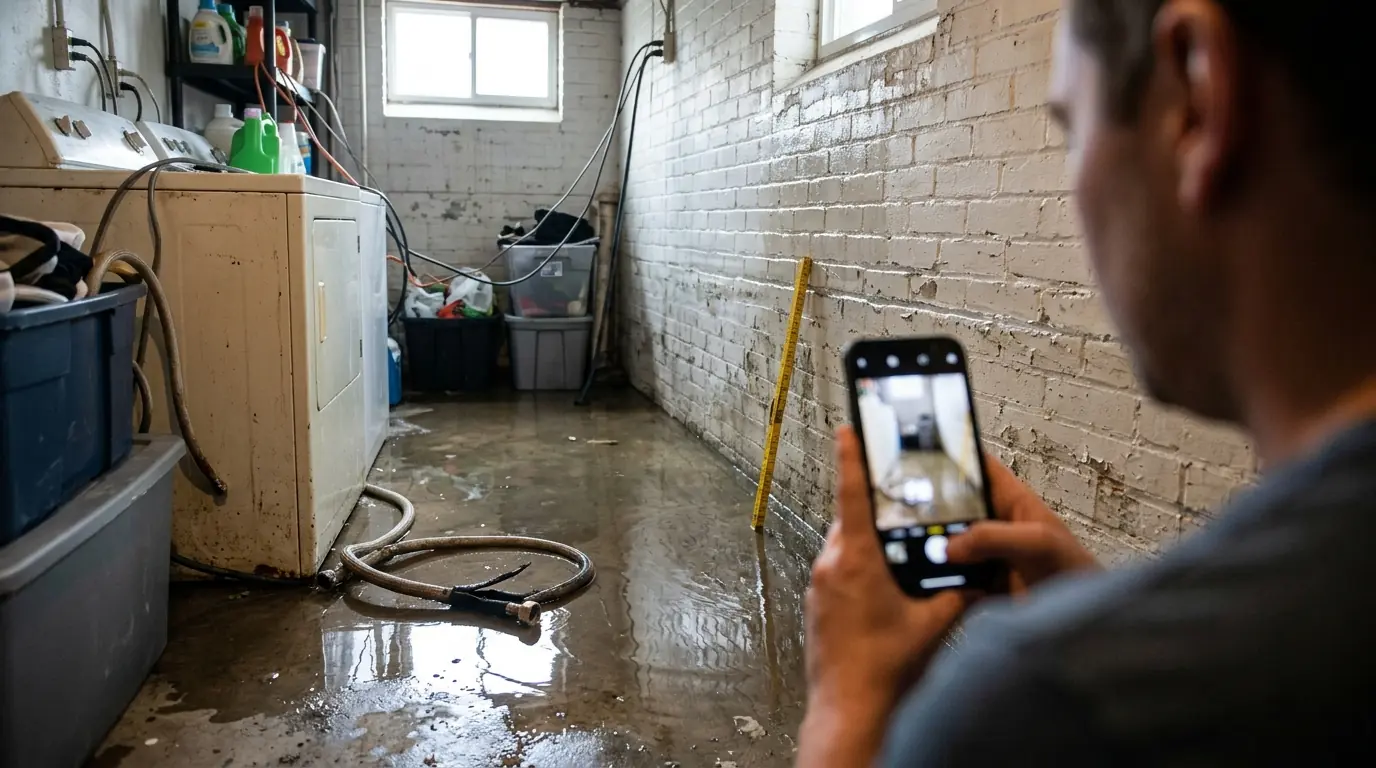
Photos and video taken before anything is moved are often the most useful evidence in a water claim. Walk the space slowly with your phone, narrating what you see, then take still photos.
- The source: the burst pipe, failed supply line, overflowing toilet, leaking water heater or stain on the ceiling.
- Standing water, with something in the frame for scale, such as a ruler or a can on the floor.
- Water lines on walls, swollen baseboards, cupped hardwood, sagging ceilings and wet carpet.
- Damaged belongings, with brand and model labels visible on electronics and appliances where you can.
- Wide shots of each room, then close-ups, so the adjuster can tell where each detail sits.
Why keep damaged samples and the broken part?
Once wet carpet, pad and drywall are hauled away, they are gone, and an adjuster may want to see what was there. Before anything leaves the house, cut and keep a small square of carpet and pad, and set aside a piece of baseboard or flooring with its finish visible. Label each sample with the room it came from and the date.
Keep the part that failed. A cracked washing machine hose, split fitting, burst section of pipe or failed water heater valve can show whether the cause was sudden or a slow, long-running problem. If a plumber replaces it, ask them to leave it with you and to write the cause on their invoice.
Larger items you have to throw out for health reasons, such as mattresses or upholstered furniture soaked in contaminated water, should be photographed with labels visible first. Ask your adjuster whether they want to see them before disposal.
Why does your insurer expect you to stop the damage from spreading?
Most policies say the homeowner must take reasonable steps to protect the property from further damage. In practice that means stopping the water, removing it and starting to dry the building. Damage that grows because nothing was done, such as mold that develops while a wet basement sits closed for two weeks, may not be covered. Check your policy for the exact wording.
That is why mitigation usually starts before an adjuster visits. Shutting the water off, extracting standing water and setting up drying are expected steps, not something you need permission for. Keep receipts for everything you buy or pay for along the way: wet vacs, fans, plastic sheeting, plumber visits, emergency board-up, and hotel nights and meals if the home is not livable. Many policies include additional living expenses, with limits.
Ask whoever does the drying for their records. Our technicians take moisture readings and photos on the first visit and log the readings, equipment and conditions every day, and you can share that file with your adjuster. Our guide to how long drying takes explains what those daily readings mean.
What does an adjuster usually ask about a water loss?
Questions vary by company, but the same ones come up on most visits. Having the answers ready keeps the conversation short.
- What caused the water, and where exactly did it start?
- When did it happen, and when did you first notice it?
- Was there any earlier damage, a previous leak or a past repair in the same spot?
- How old was the failed part, such as the hose, water heater or supply line?
- What did you do to stop it, and when?
- What has been removed, and do you have photos and samples of it?
- What do the drying logs show, and when were materials confirmed dry?
Which kinds of water damage are usually covered, and which are not?
Coverage depends entirely on your policy, so check your policy and ask your agent before making assumptions. In general terms, damage from sudden and accidental water is often covered, such as a pipe that bursts during a cold snap or a supply line that suddenly lets go. Damage from gradual problems, like a slow drip under a sink, long-term seepage or wear and tear, is often excluded.
Flooding from surface water, such as a creek overflowing or storm water running into a basement from outside, is typically not covered by standard homeowners policies. It usually needs a separate flood policy, available through the National Flood Insurance Program or private insurers. Water that backs up through a floor drain or sewer line is a separate risk too, and it is often covered only with a sewer or drain backup endorsement. In older parts of DC, where heavy storms can push combined sewer water into basements, that endorsement is worth asking about. Our guide on telling sewer backup from groundwater can help you describe what happened.
Mold coverage is often limited, and tied to whether the water event itself was covered. Condo owners should compare their unit policy with the association master policy, and our guide to leaks from the unit above covers the first steps there. If you need documentation help, our claim paperwork support puts moisture maps, photos and drying logs in order for you to share. Call (202) 989-3053 to talk through what you have so far.
Questions readers ask
Should I wait for the adjuster before starting cleanup?
Usually not. Most policies expect you to stop the water and prevent further damage right away, and waiting days for a visit can let mold start and damage spread. Document everything first with photos, video and samples, then begin removing water and drying. Tell your insurer what you are doing and keep receipts. Check your policy, and ask your claim contact if you are unsure about any step.
Is a slow leak under the sink covered by homeowners insurance?
Often not. Many policies exclude damage from leaks that continued over weeks or months, treating it as wear and tear or a maintenance issue. A sudden failure, like a supply line that bursts, is more often covered. The difference can come down to what the failed part and the damage pattern show, so keep the part and photographs. Check your policy for its exact wording.
What if my basement apartment tenant's belongings were damaged?
The building owner's policy usually covers the structure, while a tenant's own renters policy, if they have one, usually covers their belongings and sometimes temporary housing. Tell your tenant to contact their insurer and document their items. Check your policy and your lease, since responsibilities can differ when the cause was a building system versus something the tenant did.
Winifred Larkin, Knowledge Base Editor at JEC Restoration. She writes and updates these guides from the questions homeowners ask our crews on DC area jobs.
Services this guide connects to
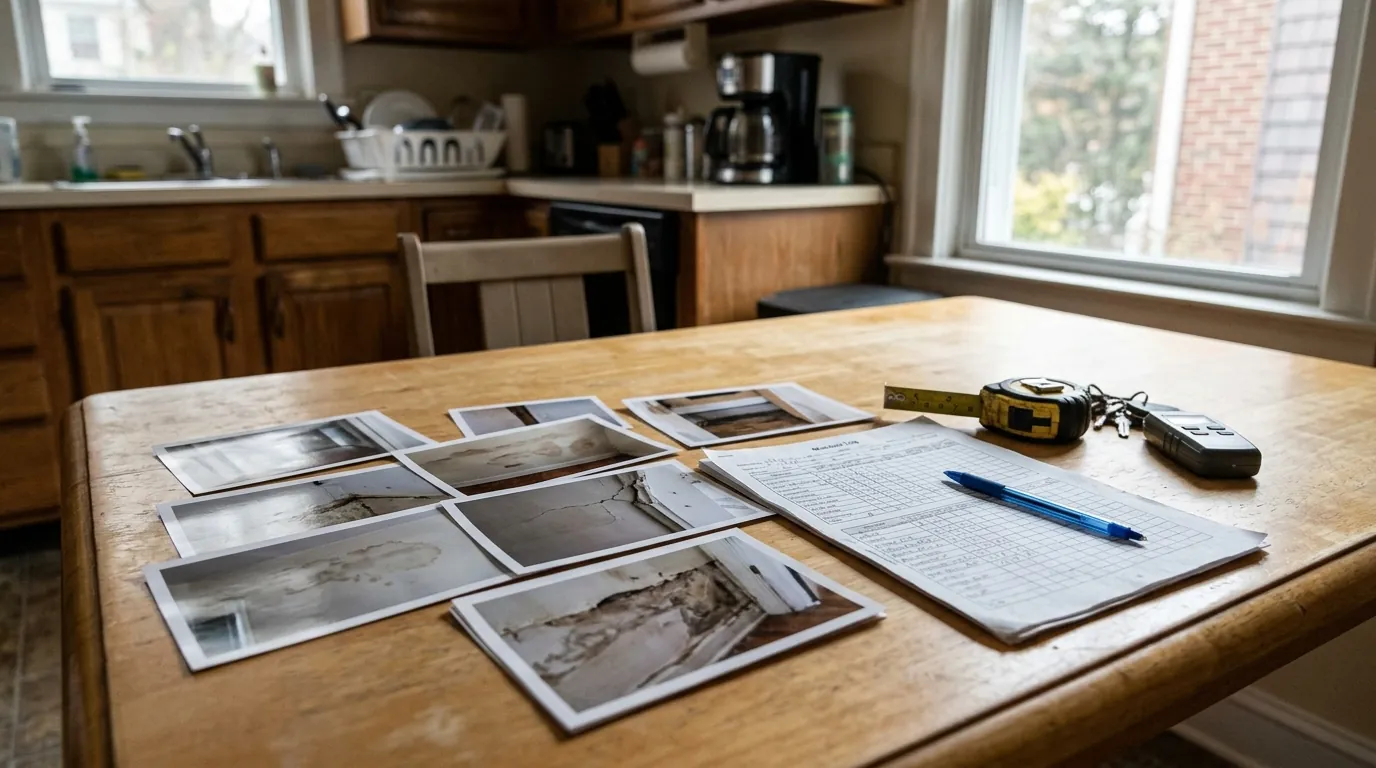
Insurance Claim Help
Insurance claim help, as we provide it, means documenting the damage and the work so you have what your insurer asks for: dated photos, moisture readings, daily drying logs, equipment records and an itemized repair scope.
How we handle it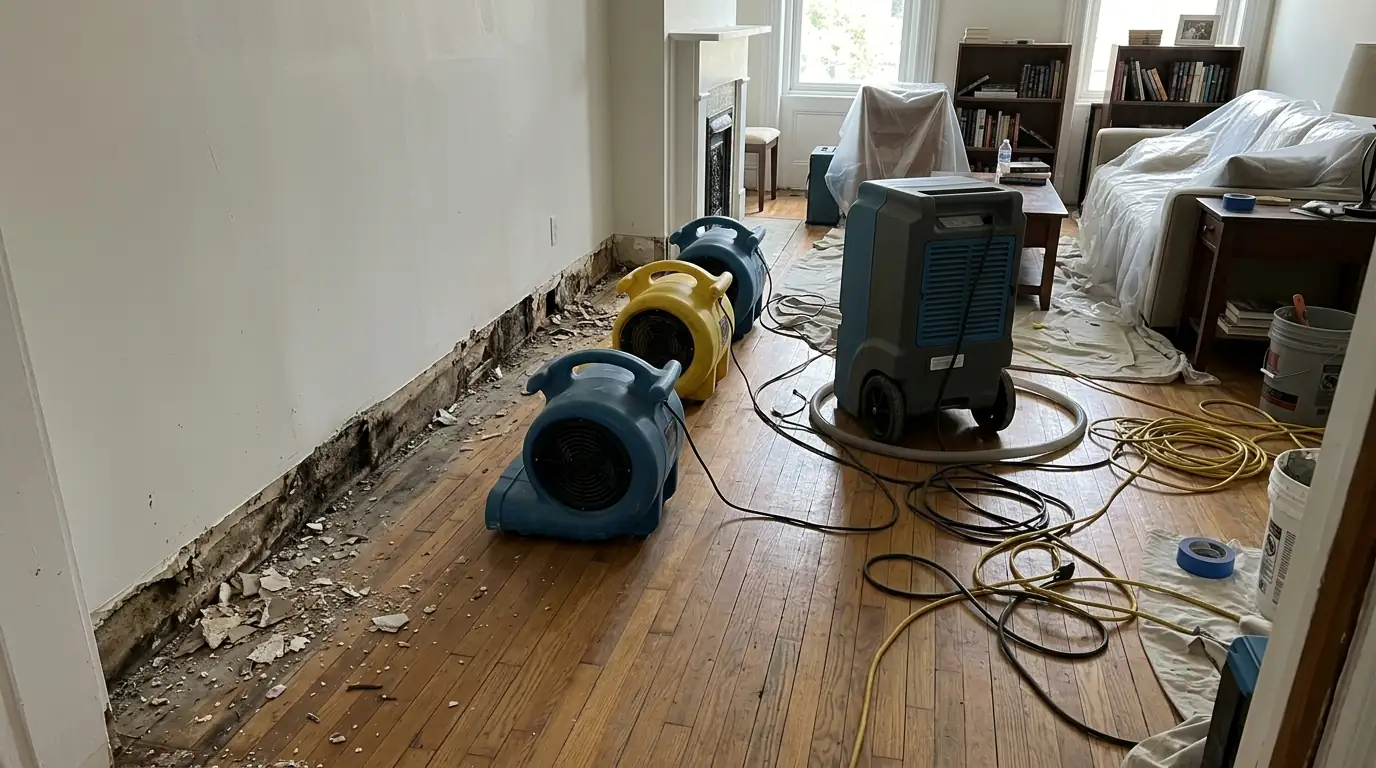
Water Damage Restoration
Water damage restoration is the full sequence after a leak or flood: stopping the source, extracting standing water, removing materials that cannot be saved, drying walls and floors with dehumidifiers and air movers, and logging moisture readings until they reach a dry standard.
How we handle it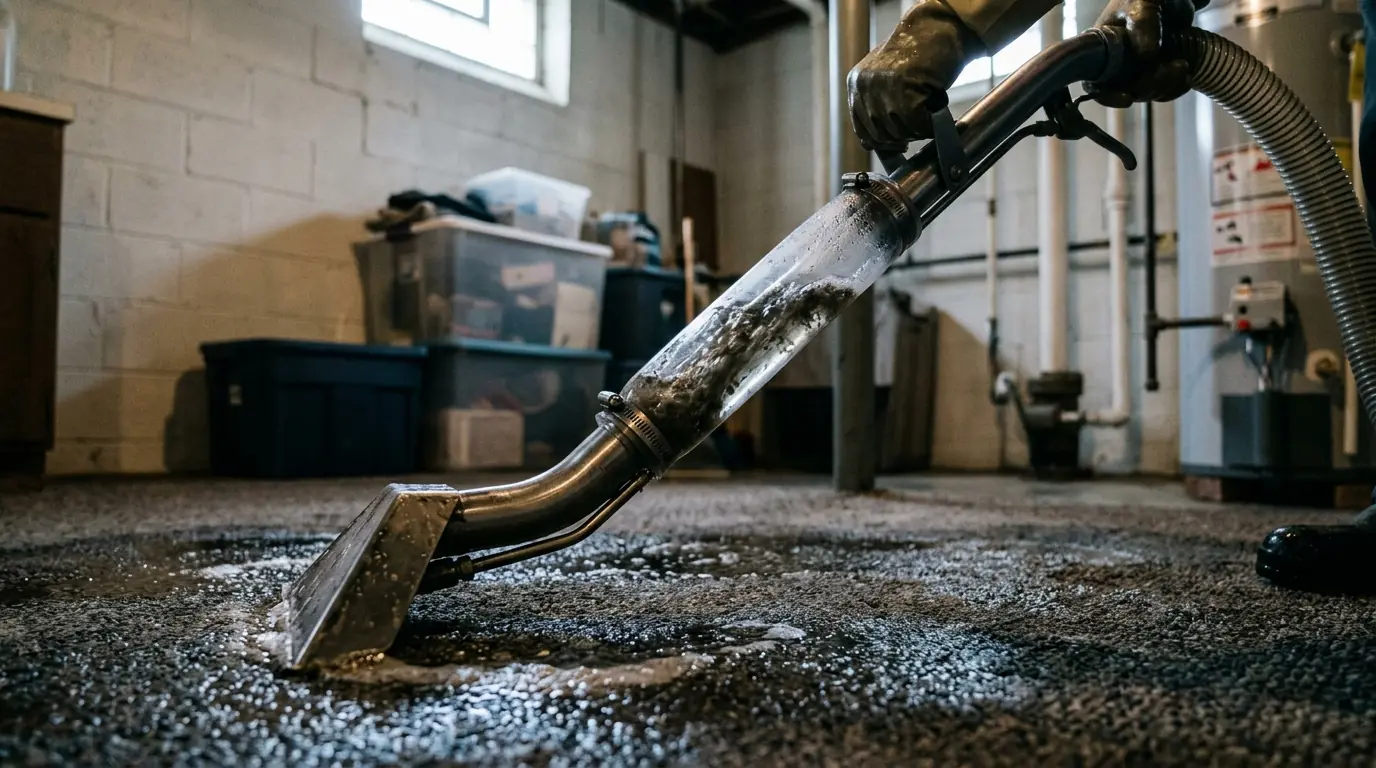
Emergency Water Removal
Emergency water removal is the first stage of a water job: shutting down the source, pumping out standing water, and extracting what has soaked into carpet, pad and hard floors before it moves into walls and subfloor.
How we handle itNeed someone to look at it today?
Call (202) 989-3053. We answer 24/7 and can talk you through the next safe step on the phone.