Home remediation in Washington, DC
Water damage and mold remediation for Washington, DC homes
Basements that flood in a summer downpour, ceilings soaked by the condo upstairs, mold that keeps coming back behind the tile. We find the water, dry the structure to measured goals and remove what can't be saved.
Drying, air and detection equipment on our jobs comes from names like
- Dri-Eaz
- Phoenix
- B-Air
- Abatement Technologies
- Protimeter
- Delmhorst
- FLIR
- Benefect
- Concrobium
- Omnitec
- Sapphire Scientific
- Tramex
For water damage, mold, fire and smoke, or a sewage backup in a Washington, DC home, call JEC Restoration at (202) 989-3053. The phone is answered 24/7. We help you make the house safe while we are on the call, then a crew measures moisture, extracts water, sets up drying or containment and records every reading for you and your insurer.
What happens after you call us
The first few minutes are about safety and stopping the source. We will ask where the water is coming from, whether it touched outlets or a panel, and whether it smells like sewage. If a pipe is still running, we walk you to the shut-off, which in most DC rowhouses sits on the front basement wall near the meter.
On site, the job starts with a moisture map, not a demolition bar. Our technicians read walls, floors and ceilings with pin and pinless meters from makers like Protimeter and Delmhorst and a FLIR thermal camera, mark the wet edges, and photograph everything before anything is moved. That record decides what can dry in place and what has to come out, and it is the same record you hand to an adjuster.
From there the work follows the material. Plaster on lath and old oak strip floors often dry in place with the right equipment, while soaked carpet pad and drywall touched by sewage do not. Mold jobs get sealed containment and HEPA filtration. Every day we take new readings until the house reaches its drying goals, then we hand off to repairs or do them ourselves.
Five kinds of damage, handled start to finish
Pick the closest match to what you are seeing. Each page explains the signs, how the job runs, what it usually costs in the DC area and what to ask us.
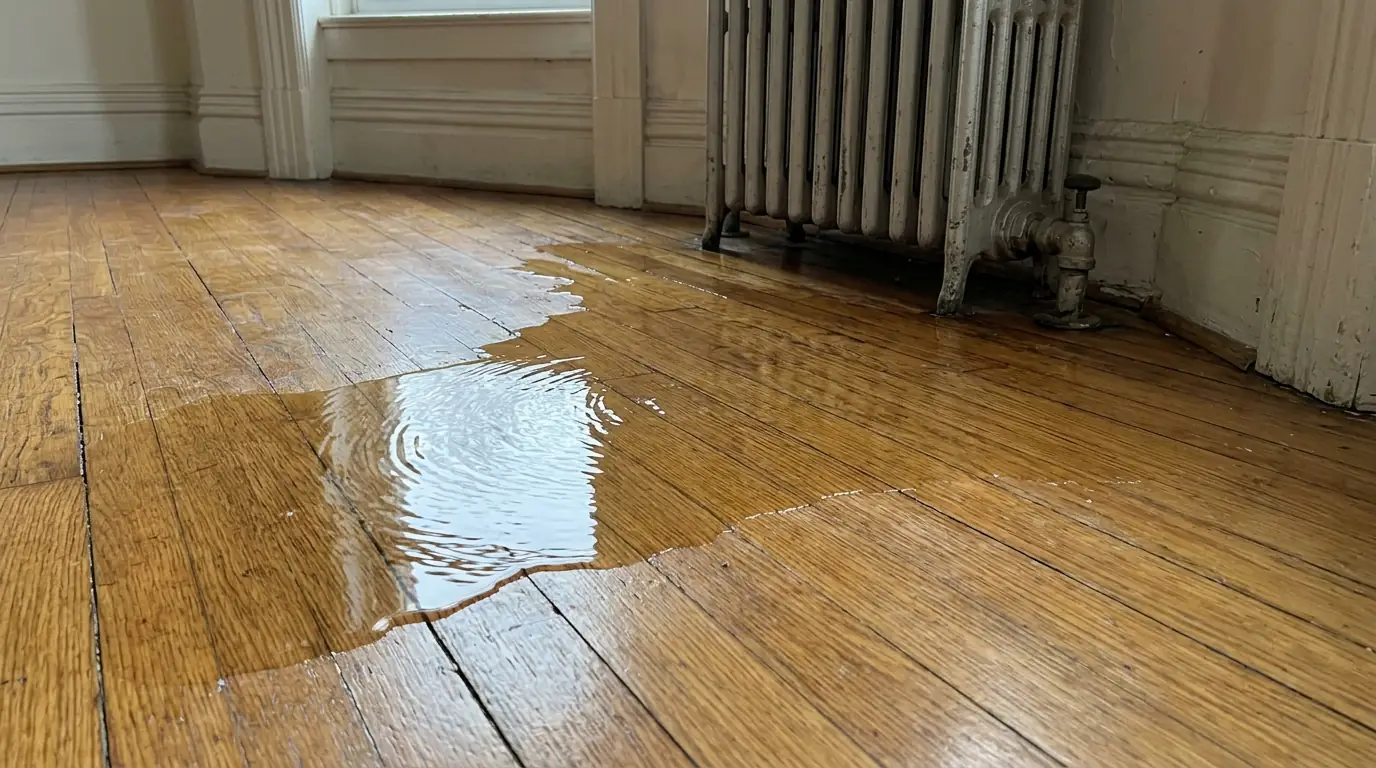
Water Damage
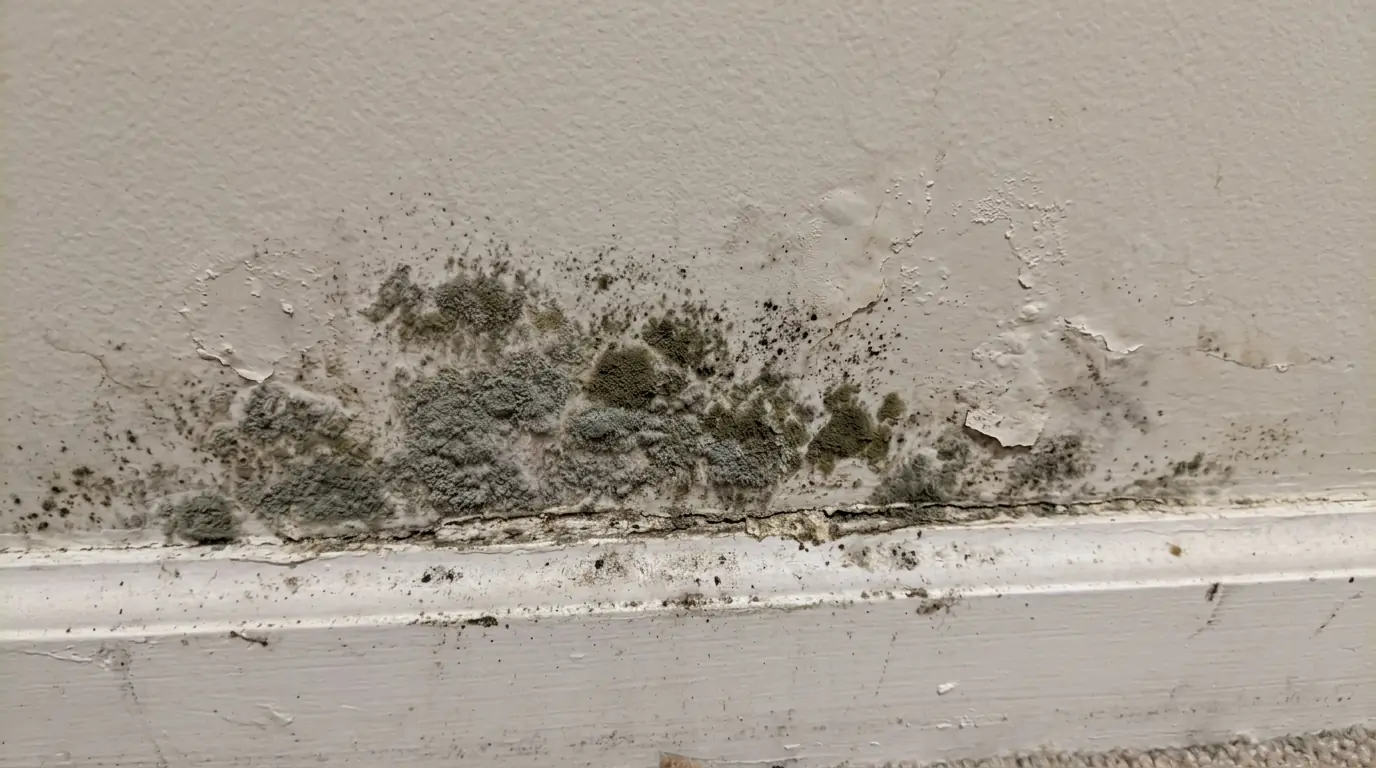
Mold Remediation
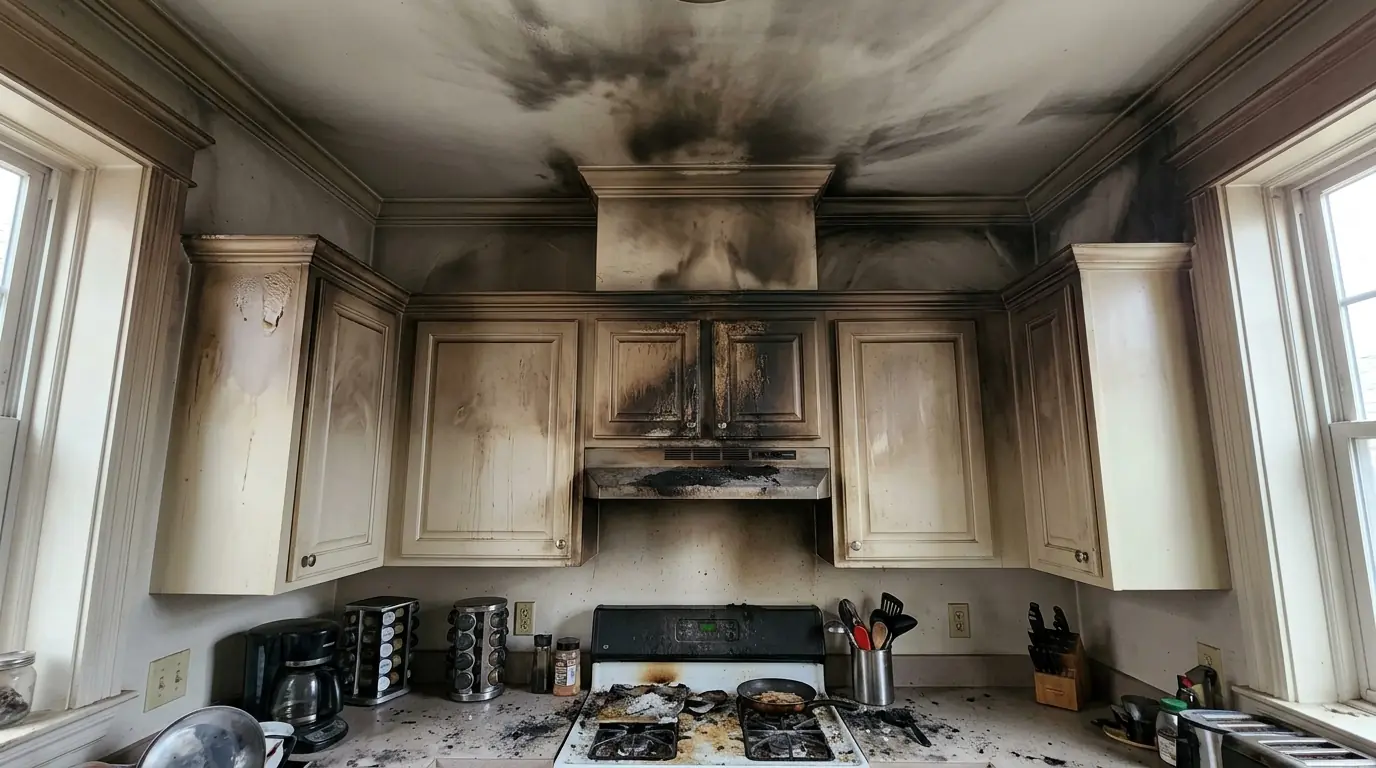
Fire & Smoke
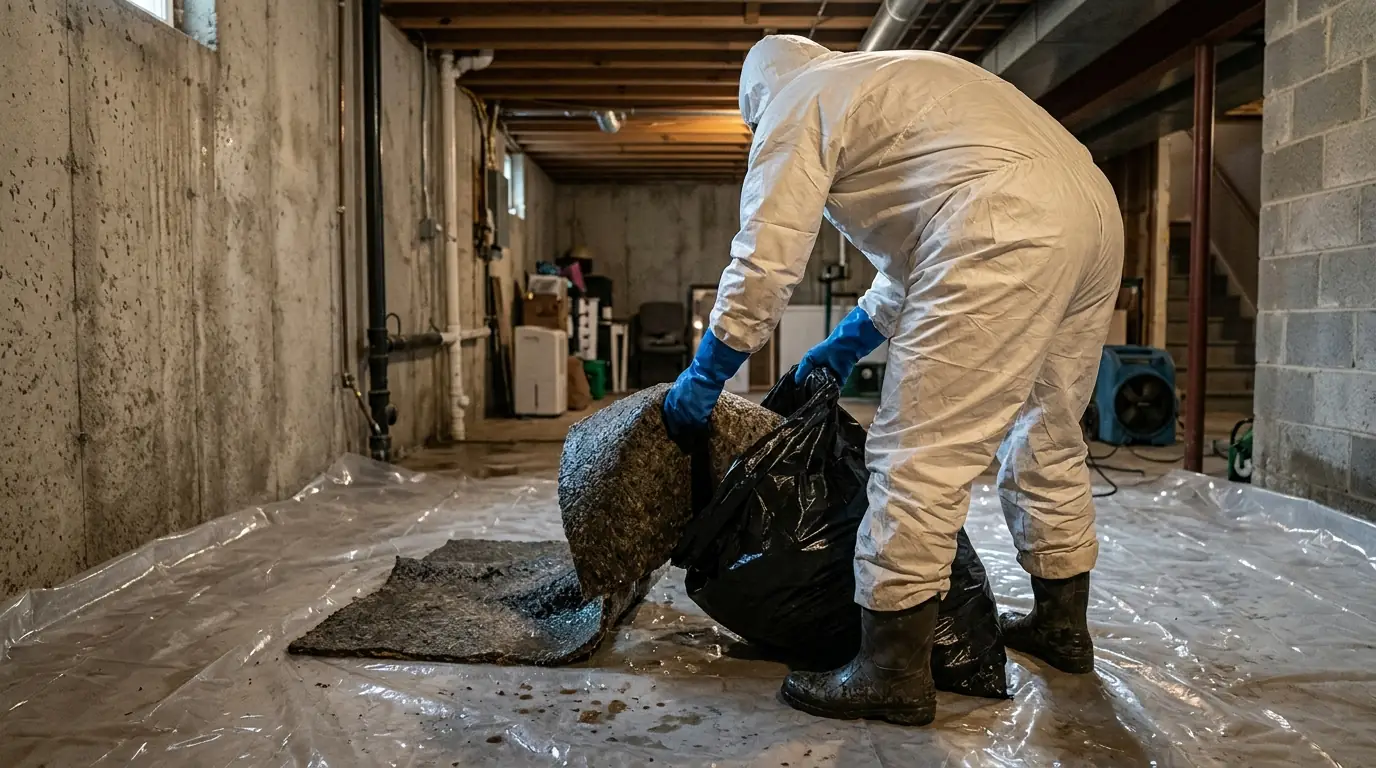
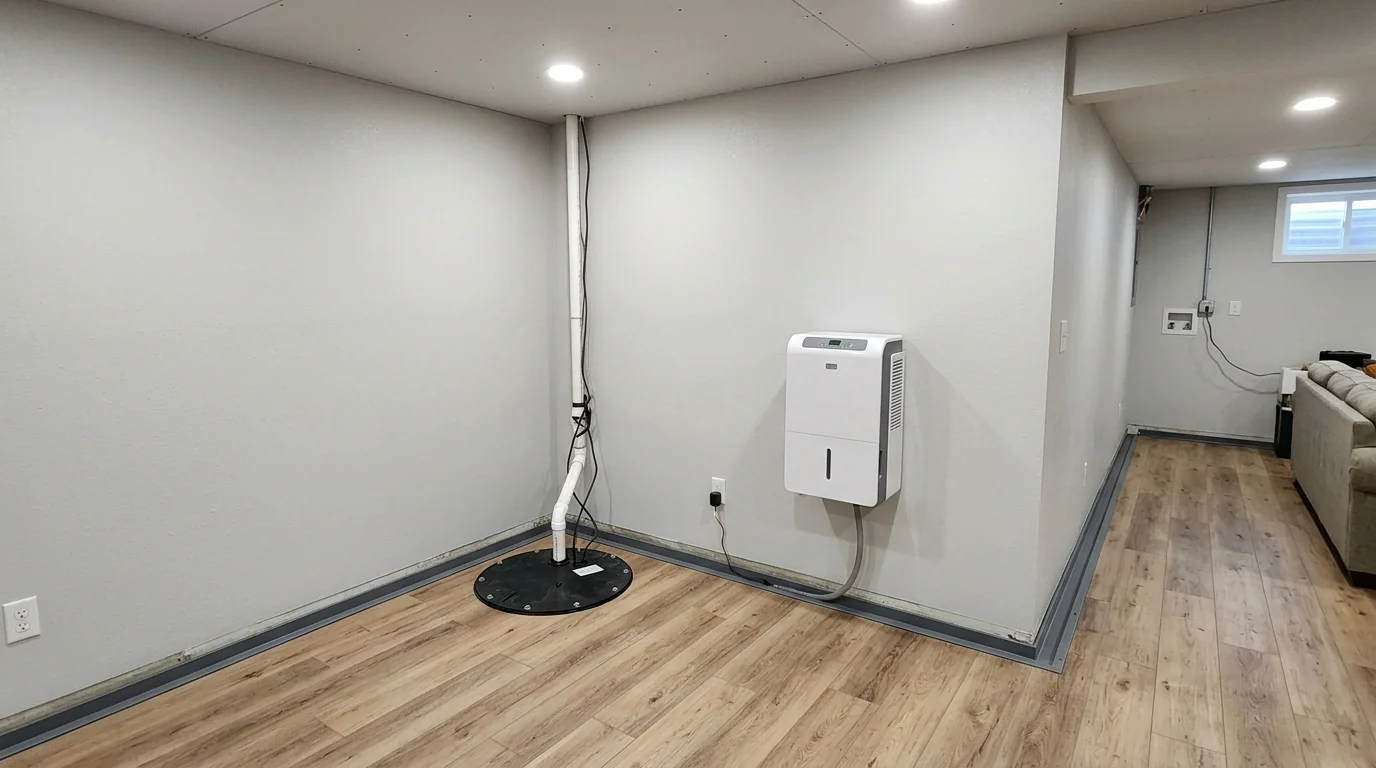
Want typical prices first? See every service's DC-area price range in one table.
If water is coming in right now
Four things to do before a crew arrives. None of them take tools.
If water is near outlets, a panel or a basement furnace, stay out of the wet area and switch off power at the breaker only if you can reach it from a dry spot.
Close the main water valve, usually on the front basement wall in a rowhouse, or the shut-off under the fixture. In a condo, call the building engineer too.
Wide shots and close-ups of every wet room, the water line on walls and anything damaged. Insurers ask for these first.
Call (202) 989-3053. We will tell you what is safe to lift, what to leave and whether the water counts as clean, gray or sewage.
How big is the mold patch?
Measure the visible growth and enter it in feet. The EPA uses about 10 square feet as the line between a homeowner cleanup and a job that needs containment.
Measure the visible growth, including any faint edges.
Growth inside walls, in ductwork or after sewage or floodwater needs professional cleanup at any size.
Seeing growth after a leak? Our mold inspection page explains when testing is worth paying for and when it is not.
How a water job runs, from first call to rebuild
Timelines vary with the material and the weather. This is the usual order on a DC basement or ceiling leak.
Call and triage
We sort out safety, the source and the water category on the phone, and tell you what to move before we arrive.
Map and document
Moisture readings, thermal images and photos of every affected room set the scope and the drying plan.
Extract and open up
Standing water comes out first. Wet pad, swollen baseboards and anything holding sewage are removed so air can reach the structure.
Dry and monitor
Low-grain dehumidifiers from makers like Dri-Eaz and Phoenix run with air movers while we take daily readings. Most rooms reach their goals in three to five days.
Clear and rebuild
Once readings match dry reference points, we close up walls, patch plaster or drywall and put floors and trim back.
Built around the way DC houses are built
Most of the city's water problems trace back to a handful of house types, and each one fails in its own way.
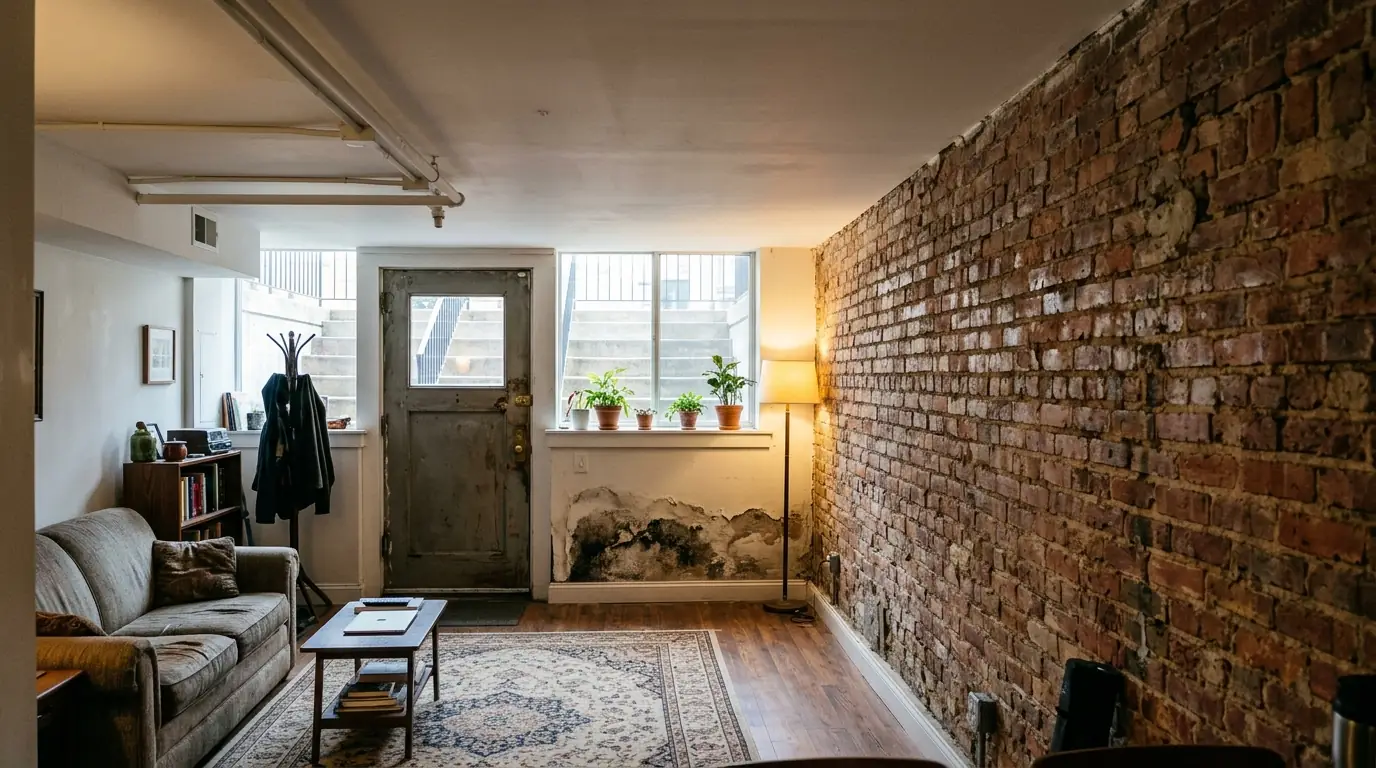
Rowhouses with English basements
Half-buried front walls, clogged stairwell drains at the basement door and old cast-iron drains mean water arrives from below and from the street. Many of these basements are rented apartments, so we work around tenants. Read about where English basements leak.
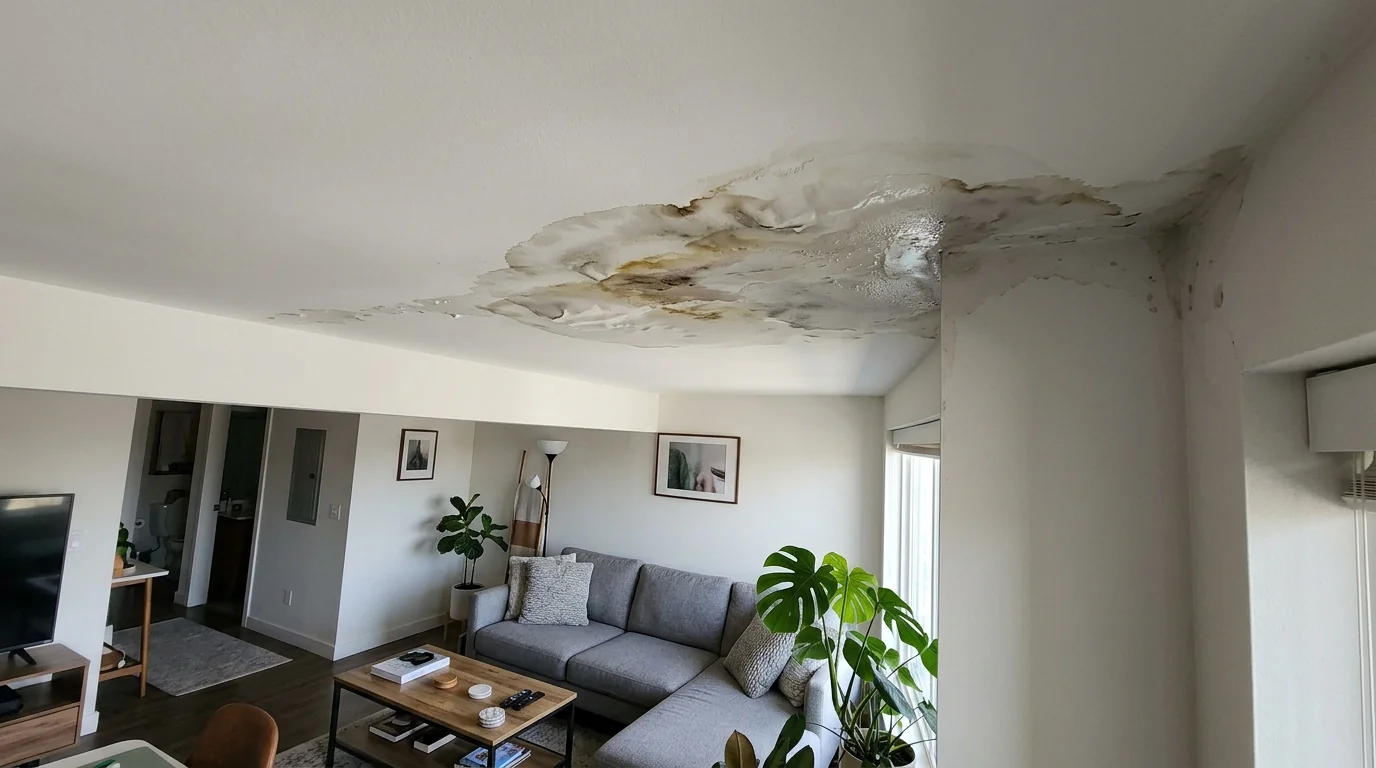
Condos and co-ops
A failed supply line two floors up can soak three units. We read the ceilings and walls in every affected unit, coordinate with management and give each owner the records for an HO-6 claim.
Detached houses and suburbs
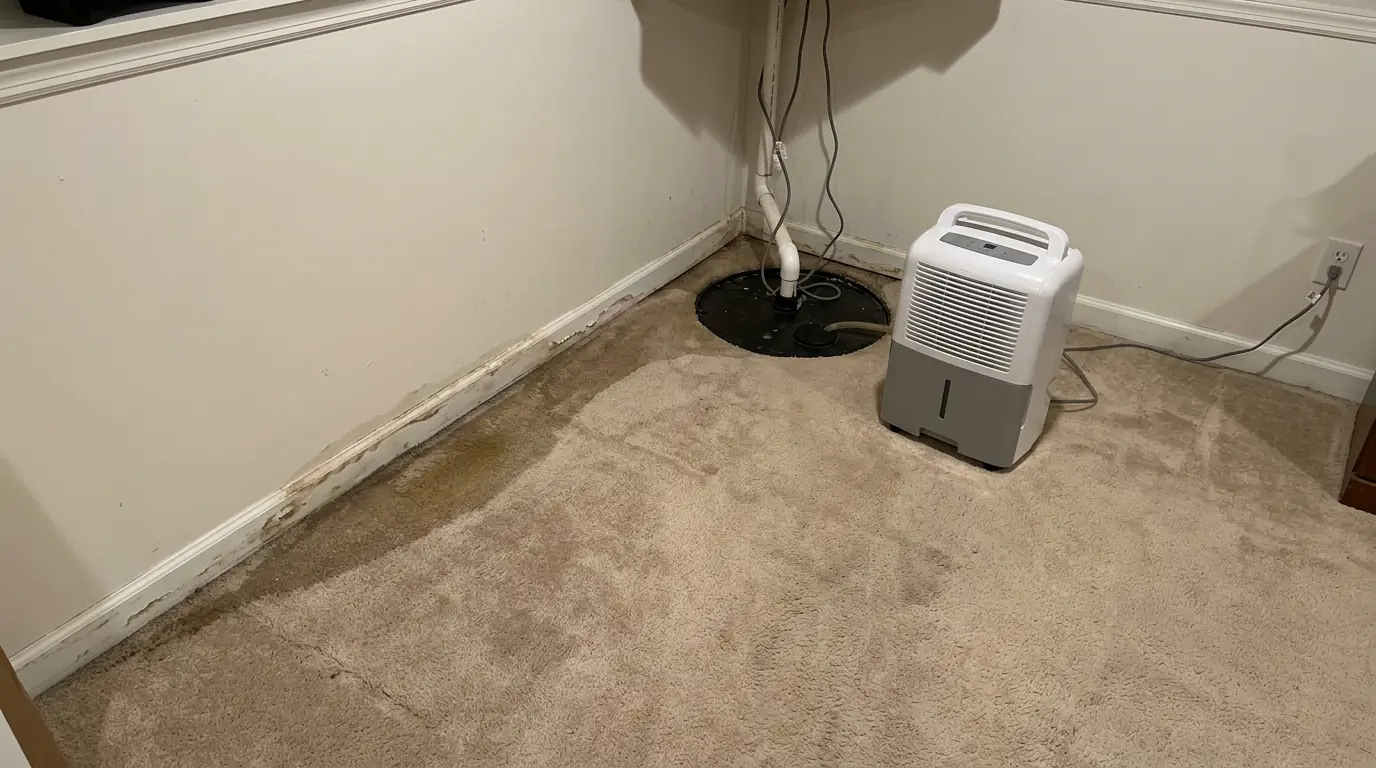
Upper Northwest, Chevy Chase and the Maryland and Virginia suburbs have finished basements, sump pits and crawl spaces. Pump failures and slow foundation seepage are the usual calls, along with crawl space moisture.
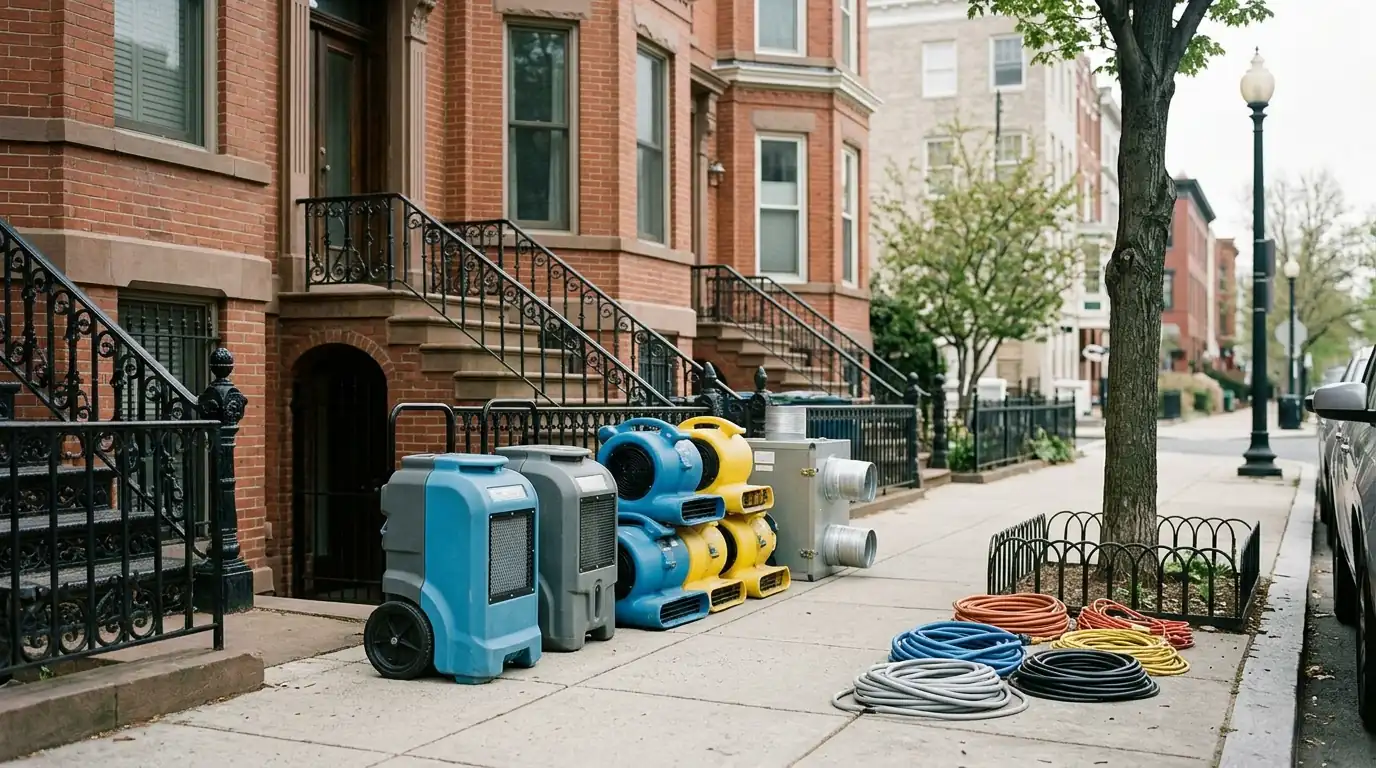
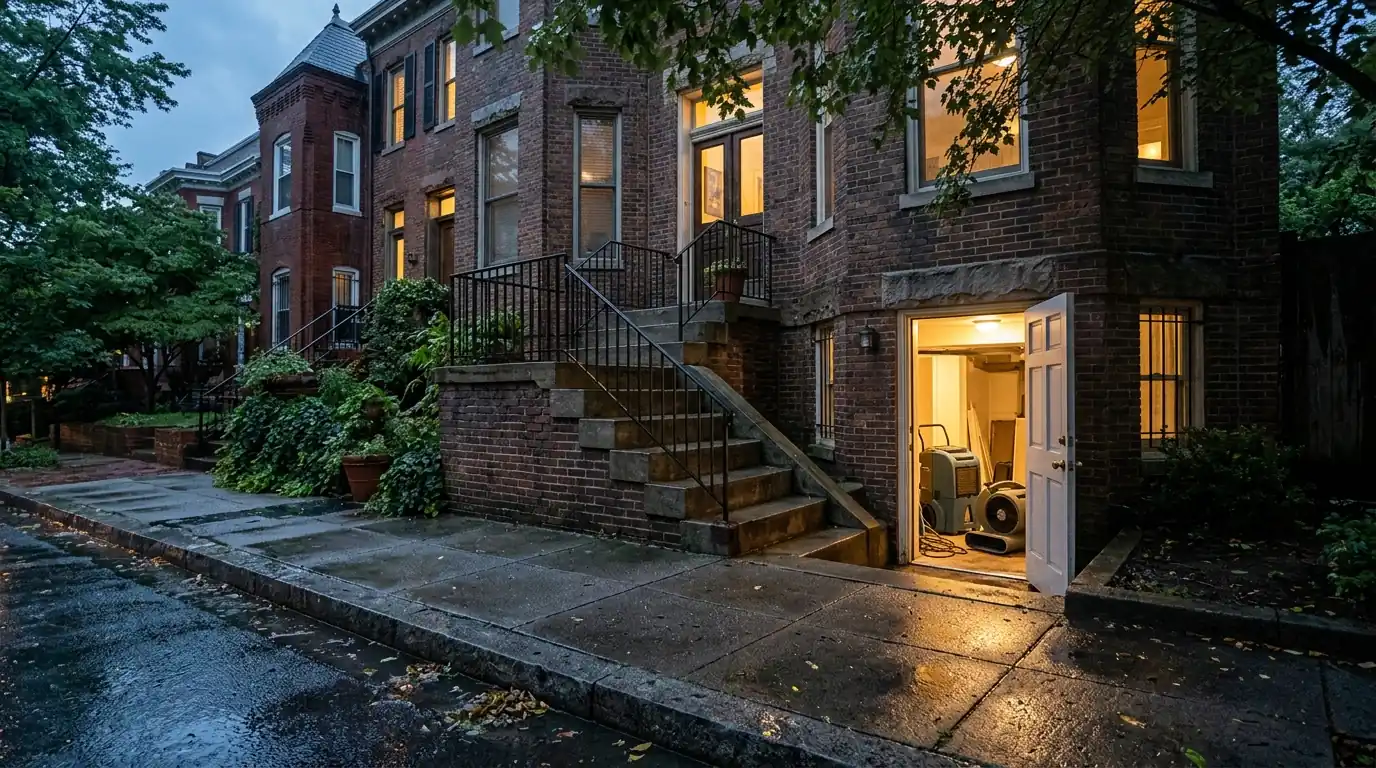
Dehumidifiers, air movers and HEPA air scrubbers staged for a basement dry-out
DC neighborhoods, plus close-in Maryland and Virginia
Our Washington, DC office sits in upper Northwest near Tenleytown, and our headquarters is on Central Avenue in Landover, Maryland. Between them we reach every DC quadrant and the inner suburbs.
Washington, DC office
4299 50th St NW, Ste 100 #7112
Washington, DC 20016
Headquarters
8604 Central Ave
Landover, MD 20785
Check your ZIP
Type your ZIP and we will tell you whether it is one of the areas we cover. If it is close, call and we will confirm the address.
Type a ZIP to see whether it is on our map.
Washington, DC
- Capitol Hill 20003
- Navy Yard 20003
- Anacostia 20020
- Hillcrest 20020
- Congress Heights 20032
- Deanwood 20019
- Brookland 20017
- Bloomingdale 20001
- Shaw 20001
- Georgetown 20007
- Petworth 20011
- Brightwood 20011
- Shepherd Park 20012
- Columbia Heights 20010
- Mount Pleasant 20010
- Adams Morgan 20009
- Dupont Circle 20036
- Cleveland Park 20008
- Tenleytown 20016
- Spring Valley 20016
- AU Park 20016
- Chevy Chase DC 20015
- Palisades 20016
Maryland
What homeowners notice about how we work
The difference shows up in the paperwork and in what stays in the house.
Readings before demolition
We cut out what the meters say is wet or contaminated, not whole rooms by habit. Plaster and old floors are dried in place when they can be.
Records you can hand to an adjuster
Daily moisture logs, photos and an itemized scope. Our claim documentation page shows what is included.
Mold treated as a moisture problem
Containment and removal only last if the water source is fixed and dried, so we find it first. See how mold remediation works.
Clear answers on the phone
You will hear what is urgent, what can wait until morning and what you can safely do yourself.
From the Knowledge Base
Plain guides for DC homeowners, written from the questions we get on real calls.
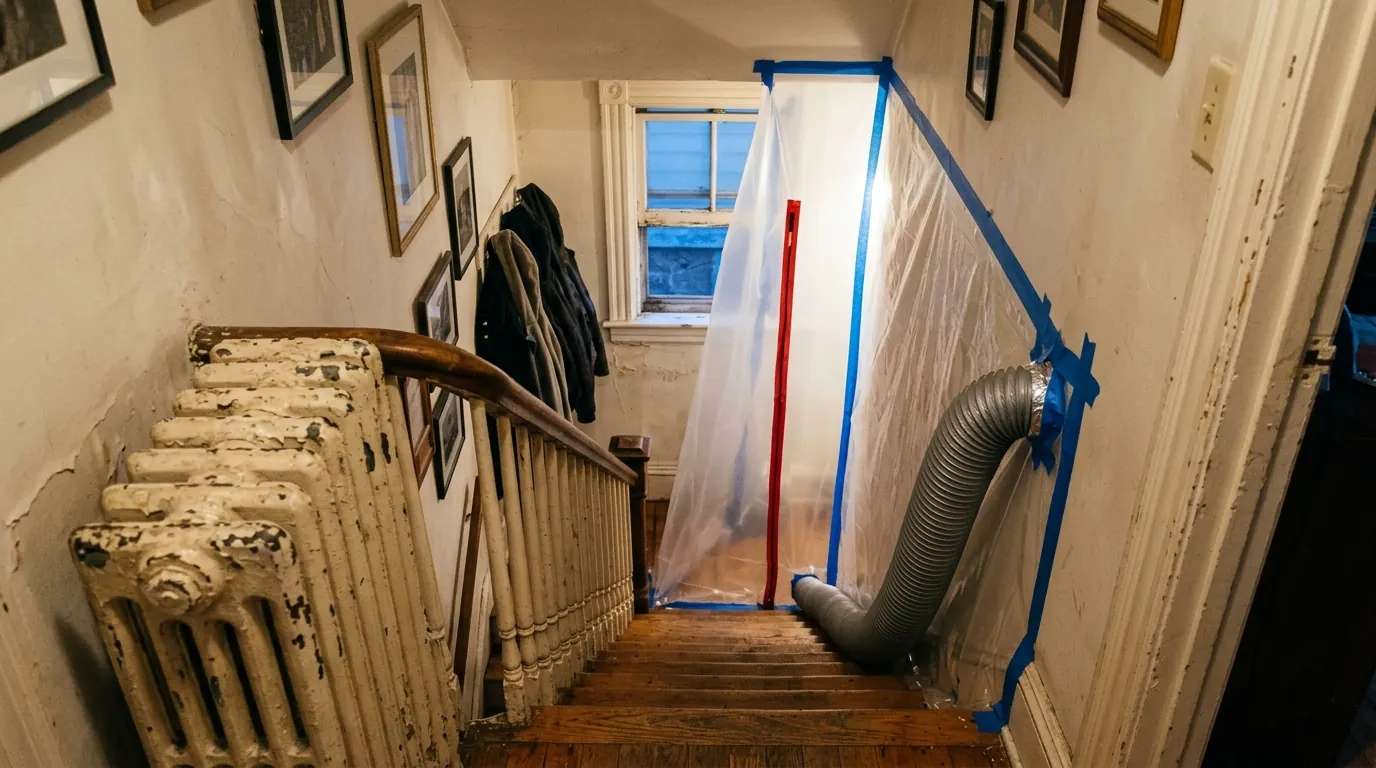
Can you stay in your home during mold remediation?
Most households stay put while a mold job runs. Whether yours should depends on where the work is, how big it is, what it does to your heating and cooling, and who lives in the house.
Read the guide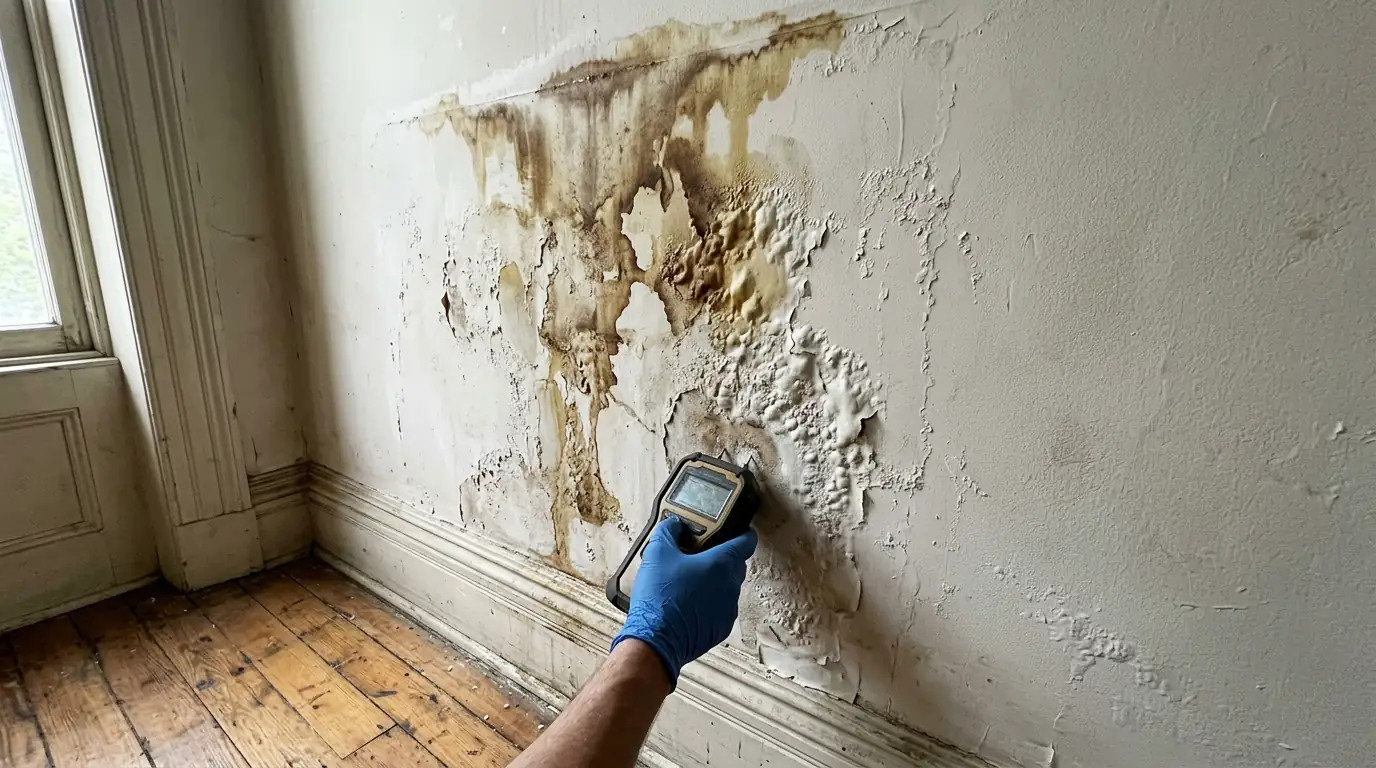
Water coming through a shared rowhouse wall: whose side is it?
A damp patch on a party wall puts two households in the same problem. Before anyone talks about blame, the wall itself can usually show which way the water is moving.
Read the guide
Is that musty basement smell mold?
Stale basement air has several possible causes, and only some of them involve hidden mold. A few cheap checks, done in order, usually narrow it down before you spend money.
Read the guideQuestions we hear on the first call
Do you really answer the phone at 3 a.m.?
Yes. The line at (202) 989-3053 is answered every hour of every day, including holidays. Night calls are usually burst pipes, sewer backups during storms and ceiling leaks from a unit upstairs, so we start with safety and shutting off the source while you are still on the phone.
How do I know if the water in my basement is sewage?
Smell and timing tell you most of it. Water that rises from a floor drain during or right after heavy rain, especially in older parts of DC on the combined sewer system, should be treated as sewage. Clear water from a burst supply line is clean at first but can turn into gray water within a day or two.
Will my homeowners insurance cover this?
Sudden and accidental damage such as a burst pipe or an appliance failure is often covered, while slow leaks, surface flooding and sewer backups usually need separate coverage or an endorsement. Check your policy. Either way, we document the damage and the drying so you have what an adjuster asks for.
Can plaster walls be dried or do they have to come out?
Plaster on wood lath often dries in place when the water was clean and the plaster is still keyed to the lath. We check for sagging, soft spots and loose keys first. Plaster that has separated from the lath or soaked up sewage has to be removed for safety.
How long will the equipment be running in my house?
Most rooms dry in three to five days. Hardwood floors, brick walls and dense plaster can take longer. We take readings every day and pull equipment as soon as each area reaches its goal, so you are not paying for machines that are no longer doing anything.
Reach us the way most people do: by phone
- Phone
- (202) 989-3053
- Hours
- Answered 24 hours a day, 7 days a week
- DC office
- 4299 50th St NW, Ste 100 #7112, Washington, DC 20016
- Headquarters
- 8604 Central Ave, Landover, MD 20785
- Coverage
- Washington, DC, Montgomery and Prince George's counties, Arlington, Fairfax, Alexandria and Falls Church
Water in the house or a musty room you can't explain?
Call JEC Restoration any time. We answer 24/7 and talk through what you are seeing before anyone touches a wall.