Fire & Smoke
Contents cleaning and pack-out in Washington, DC
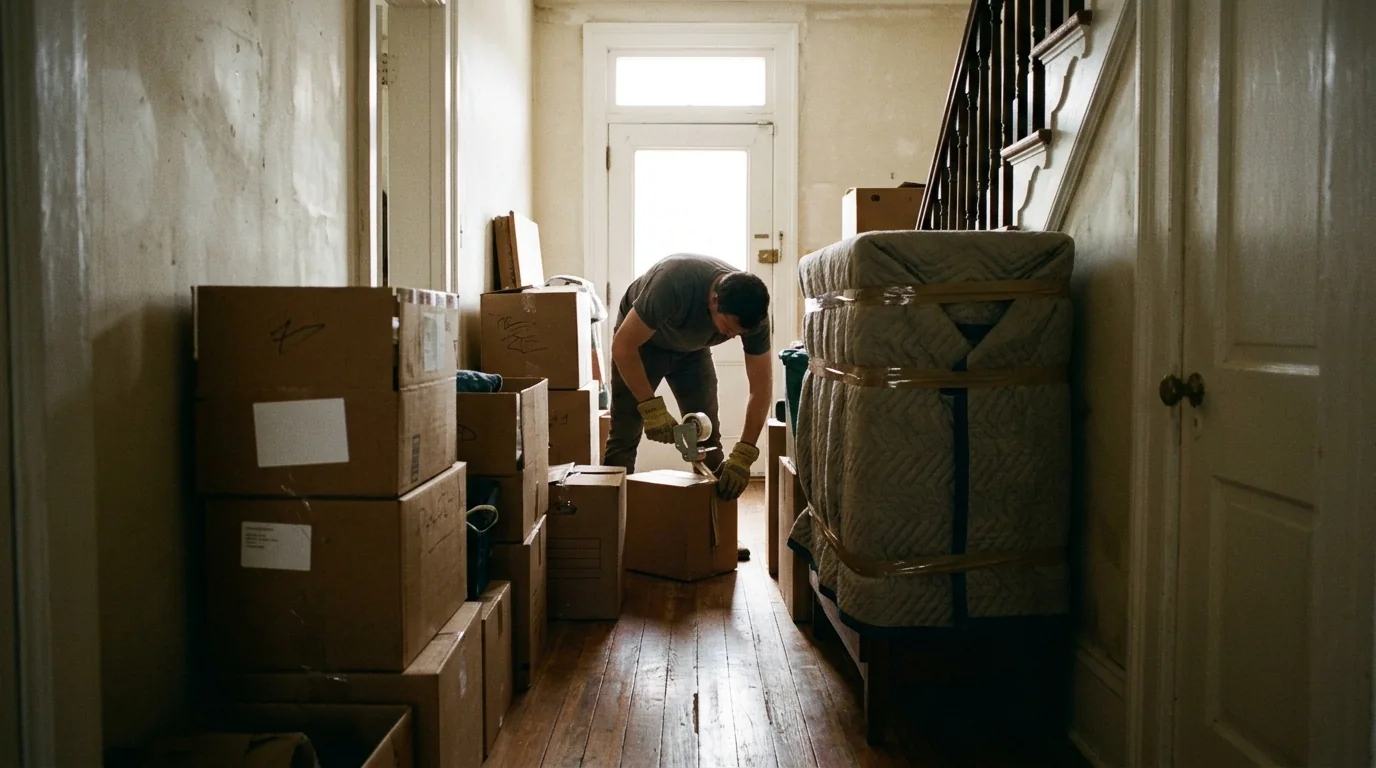
When a house needs serious cleanup, your belongings have to go somewhere safe while the work happens. We photograph and list every item, pack it, clean what can be saved and bring it back when the house is ready.
Drying, air and detection equipment on our jobs comes from names like
- Dri-Eaz
- Phoenix
- B-Air
- Abatement Technologies
- Protimeter
- Delmhorst
- FLIR
- Benefect
- Concrobium
- Omnitec
- Sapphire Scientific
- Tramex
A contents pack-out is the inventory, packing and removal of belongings from a home damaged by fire, smoke, water or sewage, so the structure can be cleaned and repaired while items are cleaned and stored elsewhere. It's needed when damage covers several rooms, when belongings would be in the way of demolition, or when they need specialized cleaning. Everything is photographed and listed before it leaves. Call (202) 989-3053.
When does it make sense to move belongings out instead of cleaning in place?
Not every loss needs a pack-out. If a small kitchen fire left residue in one room, we can usually clean the contents right there or move them to an unaffected room. The calculation changes when damage spreads across several rooms, when walls and ceilings need to come down, or when the house needs drying equipment, air scrubbers and containment that leave no room to work around furniture. Belongings left in place during demolition get covered in dust and debris, and they slow the work down.
Contamination is the other reason. After a sewage backup or a fire with heavy smoke, items need to be separated from the affected space before they absorb more odor or residue. Moving them out also lets us clean them under controlled conditions, with the right equipment for each material, instead of in a damaged house with no power or water. We walk through the home with you and decide room by room what stays, what's cleaned on site and what goes out, and you approve the plan before anything is packed.
What are the steps in a contents pack-out?
Each step creates a record you can check against, from the first photo to the last box back on the shelf.
Walkthrough and plan
We go room by room with you, sort items into stay, clean on site, pack out or unsalvageable, and agree on what goes where.
Photograph and inventory
Every room is photographed as found. Items are logged with descriptions, condition notes and room codes as they're packed.
Pack and move
Fragile items are wrapped individually, furniture is padded and boxes are labeled. Items are loaded and taken to secure storage away from the job site.
Clean and store
Contents are cleaned using methods matched to each material, including ultrasonic cleaning for hard goods and specialty laundering for textiles, then stored until the house is ready.
Return and check off
After repairs and final cleaning, items come back room by room. We check them against the inventory with you and note anything that needs follow-up.
How do we inventory and pack your home so nothing goes missing?
Every room is photographed before we touch anything, showing items in their original places. Then each item or group of items is photographed again as it's packed, and logged with a description, condition notes and the room it came from. Boxes get labels with a room code and a box number tied to the inventory, so you can look up where your grandmother's china ended up without opening thirty boxes.
Packing follows the item. Dishes and glassware are wrapped individually. Framed art goes into padded or custom boxes. Clothing that will be laundered or dry cleaned is bagged and tagged. Furniture is wrapped in pads before it's moved, and anything that needs disassembly, like bed frames and shelving, has its hardware bagged and taped to the piece. Items that can't be saved are photographed, listed with as much detail as possible (brand, size, age where you know it) and set aside, but nothing is thrown away without your written approval. The inventory becomes a key document for your claim, and our claim documentation support uses it directly.
How do you know your home needs a pack-out instead of on-site cleaning?
These situations usually mean your belongings will be safer and cleaner out of the house during the work.
Walls and ceilings coming out
If drywall, plaster or ceilings need removal in several rooms, belongings in those rooms will be in the way and coated in debris.
Smoke reached every floor
When smoke residue spread throughout the house, contents in every room need cleaning, which is better done outside the affected space.
Sewage touched the floor
Furniture and boxes sitting in a basement during a sewage backup need to be separated from the area before cleanup and disinfection.
No power or water
A house without utilities after a fire or flood can't support on-site cleaning of textiles, electronics or dishes.
Odor in closets and drawers
If clothing and linens in closed closets smell like smoke, they absorbed residue and need specialty laundering.
You'll be living elsewhere
If the home won't be livable for weeks, belongings are better stored and protected than left in an empty, damaged house.
What cleaning methods are used for textiles, electronics and hard goods?
Contents cleaning is matched to the material and the type of damage, and each item category takes a different approach.
- Hard goods: dishes, glass, metal, ceramics and hard plastics are hand cleaned or run through ultrasonic tanks, which use high-frequency vibrations in a cleaning solution to lift soot and residue from crevices.
- Textiles: clothing, linens and curtains go through specialty laundering or dry cleaning with smoke and odor treatments. Items exposed to sewage are evaluated case by case, since some porous textiles can't be safely restored.
- Electronics: televisions, computers and appliances exposed to smoke or soot can corrode internally even if they power on. They're cleaned externally and, where needed, sent for evaluation by an electronics technician before use.
- Furniture: wood and upholstered pieces are cleaned and deodorized. Upholstery that absorbed heavy smoke or contaminated water may need professional reupholstering or replacement.
- Documents and photos: wet papers and photographs can be frozen to stop further damage and dried later. Smoke-stained items are cleaned by hand where possible.
How do belongings come back into the house?
Items come home after repairs are finished and the house is clean, not before. Bringing contents back while drywall is still being sanded or paint is drying means cleaning them again. We schedule the return with you once the house has passed a final walkthrough, then bring boxes back room by room using the same codes that went on them when they left.
Furniture is placed where it was, using the original photos as a guide, and beds and shelving are reassembled. You can unpack yourself or have us unpack fragile items. We go through the inventory together as things come in, and anything damaged during handling or missing from the list is noted right away. Items that couldn't be cleaned are listed for replacement with your carrier. When the rebuild is part of the same job, we tie the return date to the final repair schedule so there's no gap where finished rooms sit empty or items arrive before they should.
What does a contents pack-out cost?
Pack-out cost depends mostly on volume, how much cleaning items need and how long they stay in storage.
| One or two rooms, pack and clean, short storage | $1,180-$3,540 |
|---|---|
| Condo or small rowhouse, full pack-out | $4,870-$11,600 |
| Large detached house, full pack-out | $9,350-$24,800 |
| Monthly storage after cleaning, by volume | $290-$960 |
These ranges are typical DC-area figures and are not quotes; we price each pack-out after walking the home. Compare ranges across all 40 services.
What moves the price
- Number of rooms packed
- Fragile or oversized items
- Cleaning method required
- Weeks in storage
- Building access limits
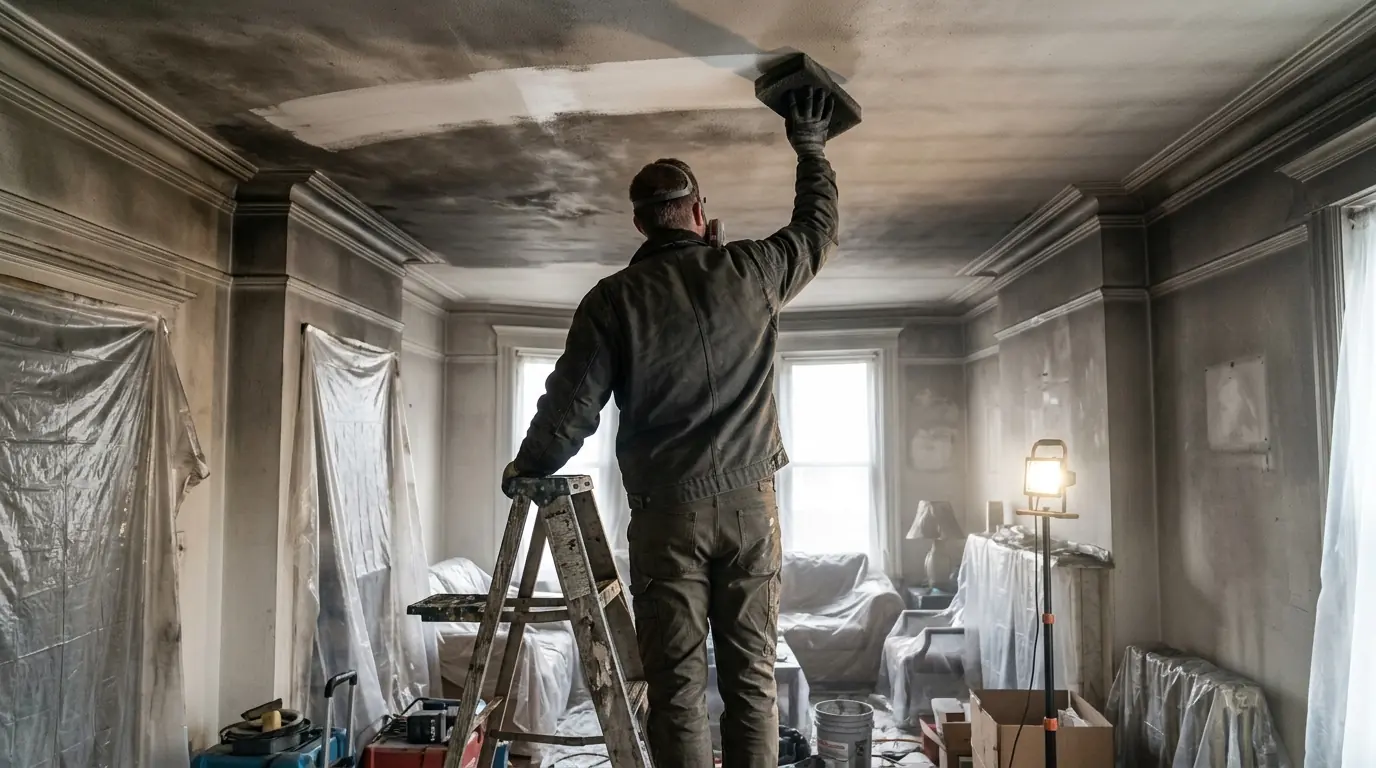
Dry-sponge soot cleanup on a rowhouse ceiling
How does a pack-out work in DC rowhouses and condo buildings?
Moving contents out of a DC rowhouse is a different job from a suburban house with a driveway. Narrow stairs, tight turns at landings and front doors set up a flight of stoop steps mean furniture often has to be disassembled, and some pieces that came in through a window decades ago have to be wrapped and carried carefully or cleaned on site. Parking on blocks in Capitol Hill, Shaw or Georgetown is limited, so we plan around street parking rules and may need a temporary emergency no-parking permit from DDOT for a truck. Condo buildings add elevator reservations, protective padding in hallways, paperwork required by management and set move-in windows, all of which have to be coordinated in advance. English basement apartments may have contents belonging to a tenant, which means two separate inventories. In the suburbs, garages and driveways make loading easier, but finished basements full of stored belongings after a flood can mean a larger volume of items to sort.
Where we do this work: Washington, DC and nearby Maryland and Virginia, including:
Related work we often do on the same job
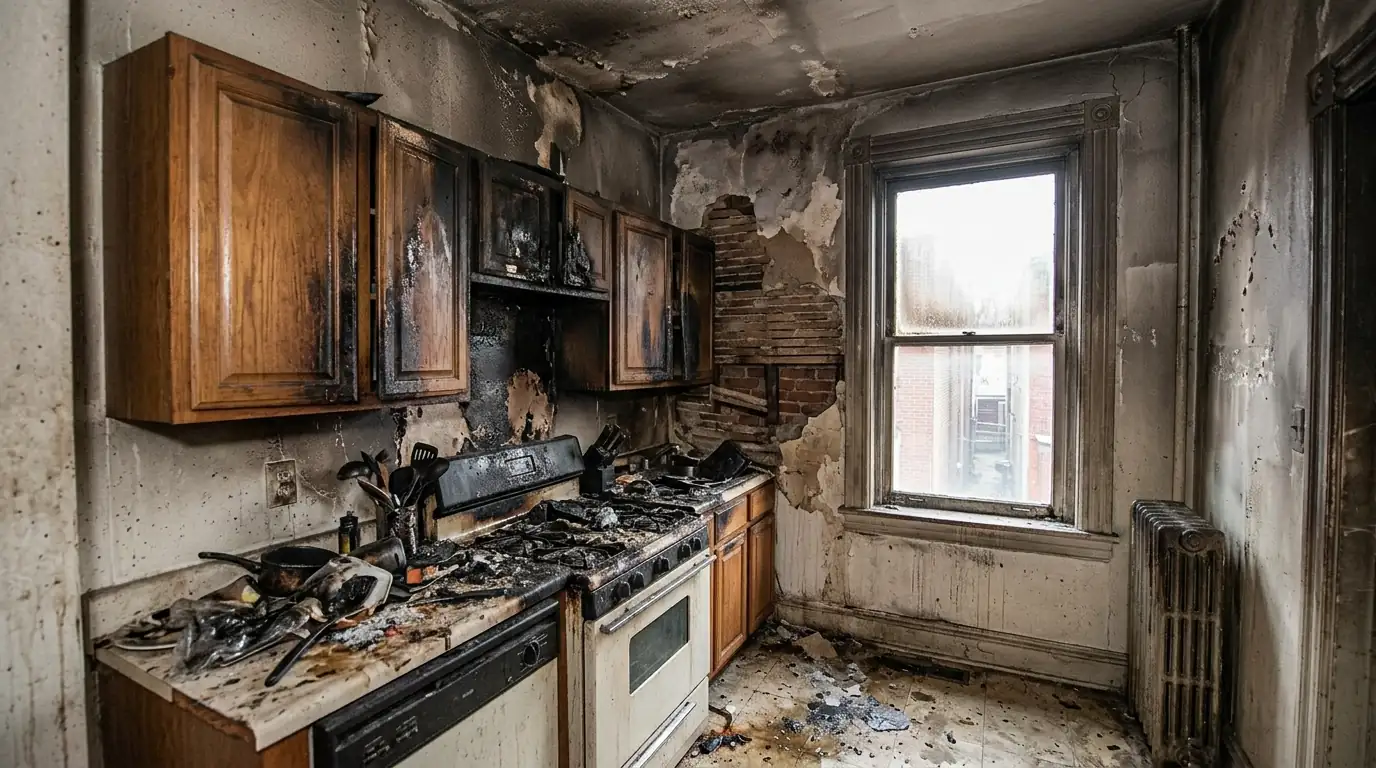
Fire Damage Restoration
Fire damage restoration is the full recovery of a home after a fire: boarding and tarping openings, removing firefighting water, cleaning soot and smoke residue, treating odor, handling contents and preparing for repairs.
How we handle it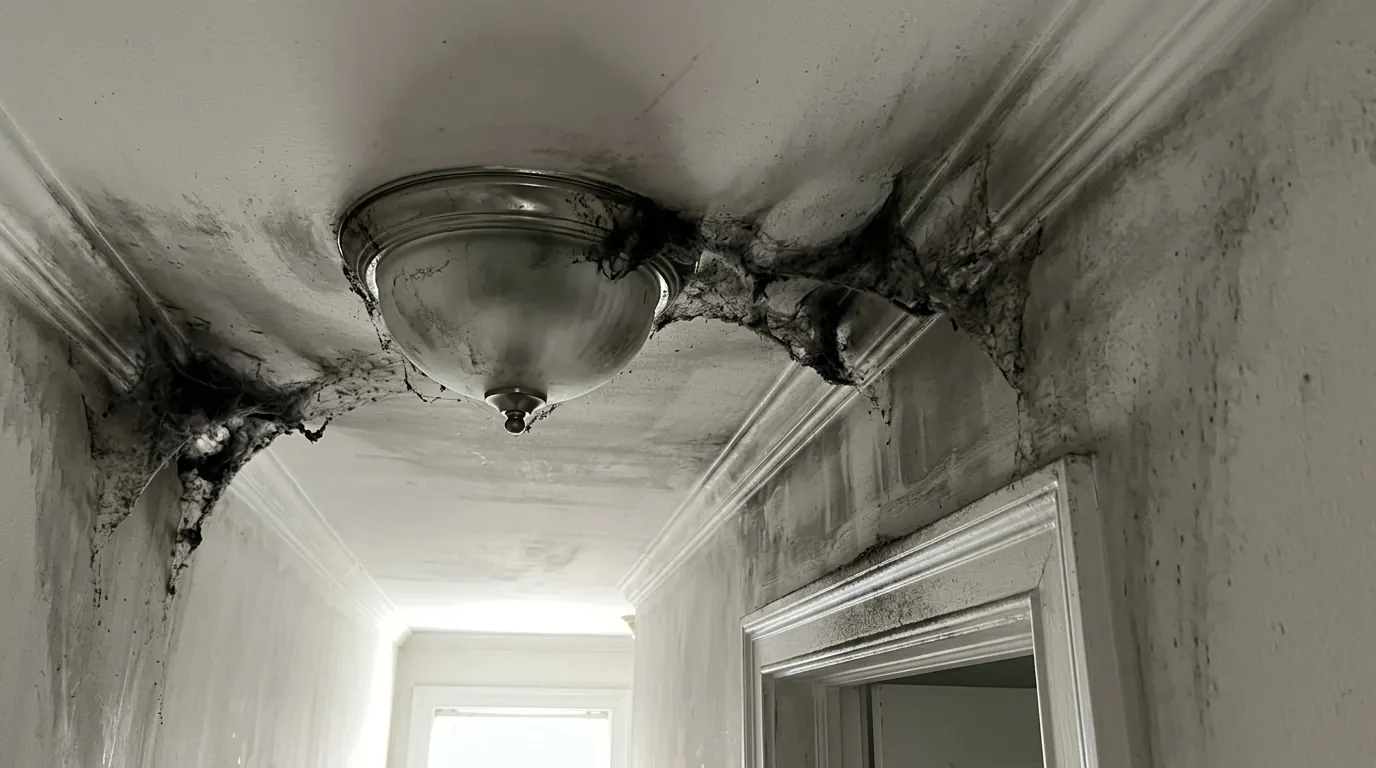
Smoke Damage Cleanup
Smoke damage cleanup removes the residue a fire leaves on walls, ceilings, ducts and belongings, then neutralizes the odor tied to it.
How we handle it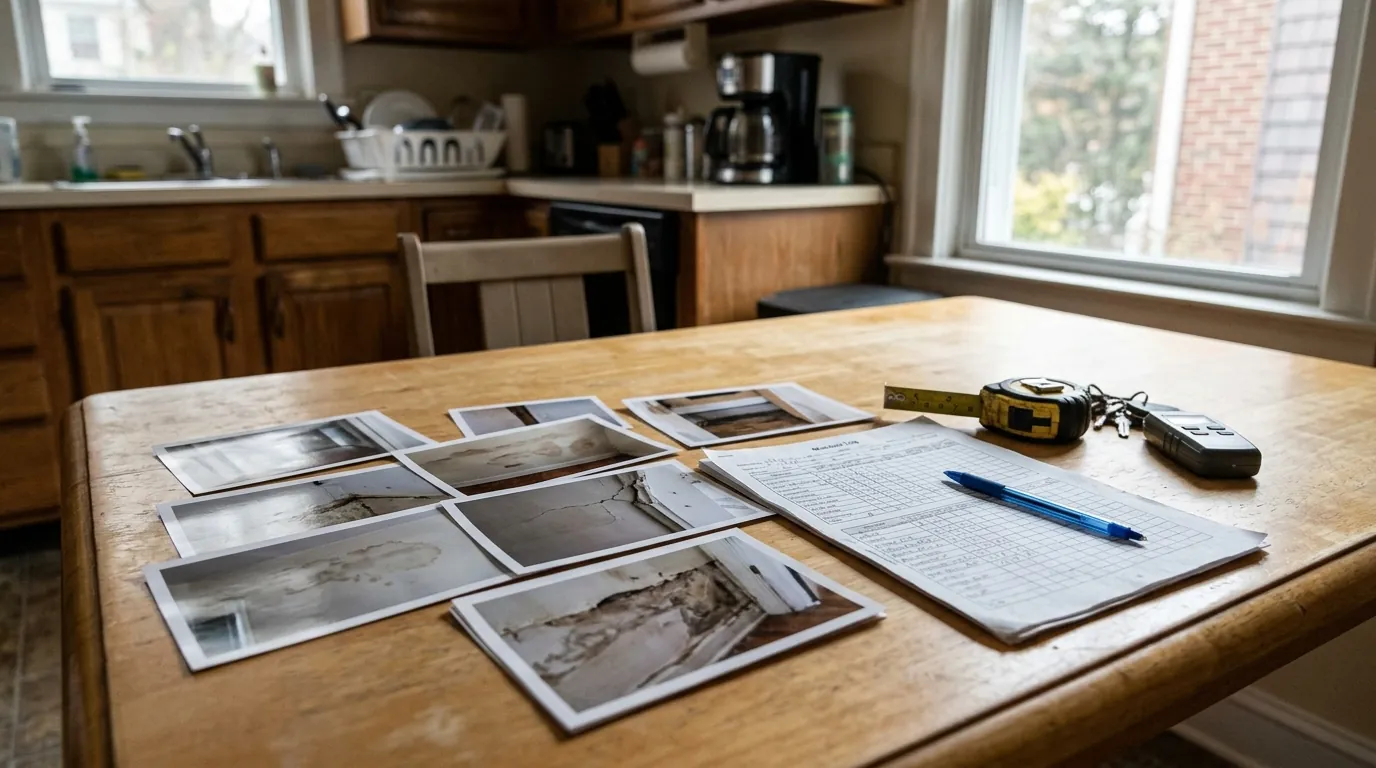
Insurance Claim Help
Insurance claim help, as we provide it, means documenting the damage and the work so you have what your insurer asks for: dated photos, moisture readings, daily drying logs, equipment records and an itemized repair scope.
How we handle it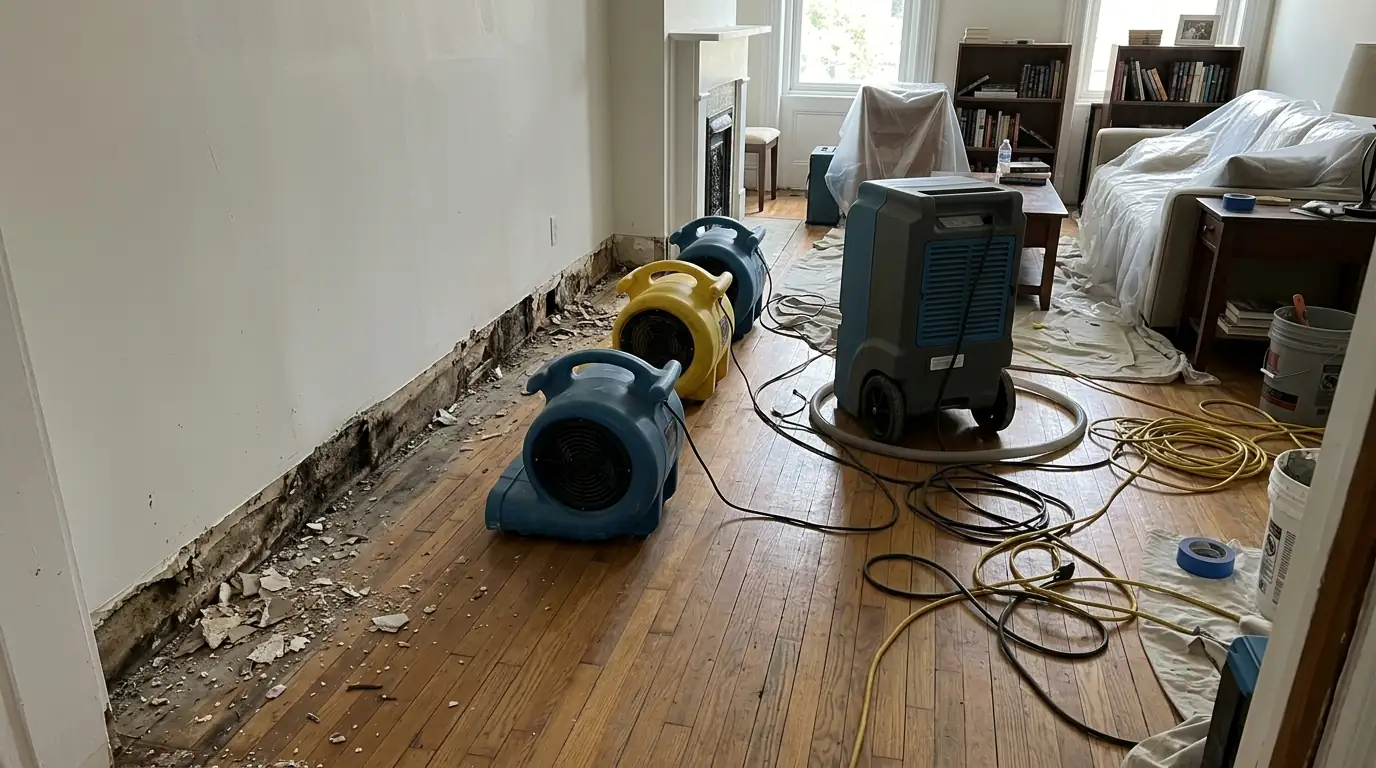
Water Damage Restoration
Water damage restoration is the full sequence after a leak or flood: stopping the source, extracting standing water, removing materials that cannot be saved, drying walls and floors with dehumidifiers and air movers, and logging moisture readings until they reach a dry standard.
How we handle itQuestions homeowners ask about contents cleaning & pack-out
Can I keep some items with me during a pack-out?
Yes. Medications, documents, laptops, phones, chargers, valuables and a few days of clothing are usually set aside for you to take before packing begins. We help you identify these during the walkthrough. Anything you take is noted in the inventory so the record stays complete, and you can retrieve other items from storage if you need them before the job is finished.
Will my electronics work after smoke exposure?
Many do, at least at first. The problem is that soot and smoke residue are acidic and can corrode circuit boards and connectors over weeks or months. Electronics should be cleaned and evaluated before regular use, especially if the fire was close or produced heavy wet smoke. Items that power on can still fail later, so document them in the inventory either way.
What happens to items that can't be cleaned?
Unsalvageable items are photographed, described in as much detail as possible and listed separately from cleaned items. We don't dispose of anything without your written approval, and your adjuster may want to see certain items first. The list helps support a contents claim, though what's covered depends on your policy, so check your policy and talk with your carrier about replacement value.
How long do belongings stay in storage?
Usually as long as the structure takes to clean and repair. For a smoke cleanup without rebuilding, that may be two to four weeks. For a fire with demolition and rebuilding, it can be several months. Contents are cleaned while in storage, so they're ready to come back as soon as the house is. We update you on cleaning progress as items are completed.
Can water-damaged photos and documents be saved?
Often, if they're handled quickly. Wet papers and photographs can be frozen to stop mold growth and ink bleeding, then dried by freeze drying or air drying later. Items soaked in sewage are harder to save. Smoke-stained photos can sometimes be cleaned by hand. Tell us during the walkthrough which papers matter most so we prioritize them during water damage cleanup.
Water in the house or a musty room you can't explain?
Call JEC Restoration any time. We answer 24/7 and talk through what you are seeing before anyone touches a wall.