Washington, DC neighborhood
Sump failure & attic mold help in Shepherd Park, Washington, DC 20012
Shepherd Park's detached colonials and Tudors have finished basements with sump pits, steep roofs under big trees, and attics that hold moisture. When a pump fails or a gutter overflows, we pump out, dry, remove mold and help you plan repairs.
JEC Restoration covers Shepherd Park (20012), from the Walter Reed campus and Georgia Avenue to the Maryland line at Eastern Avenue and Silver Spring. Call (202) 989-3053 for a failed sump pump, a wet finished basement, attic mold, storm damage, smoke or sewage cleanup. We answer 24/7 and bring pumps, meters and drying equipment.
Where do Shepherd Park's colonials and Tudors take on water?
Shepherd Park feels closer to the suburbs than to the rowhouse city. Its streets are lined with detached brick and stone colonials, Tudor Revival houses with steep slate or asphalt roofs, and some later houses mixed in, most on generous lots with mature trees. Nearly every house has a full basement, and many have been finished as family rooms, guest suites or home offices with carpet, drywall and a bathroom.
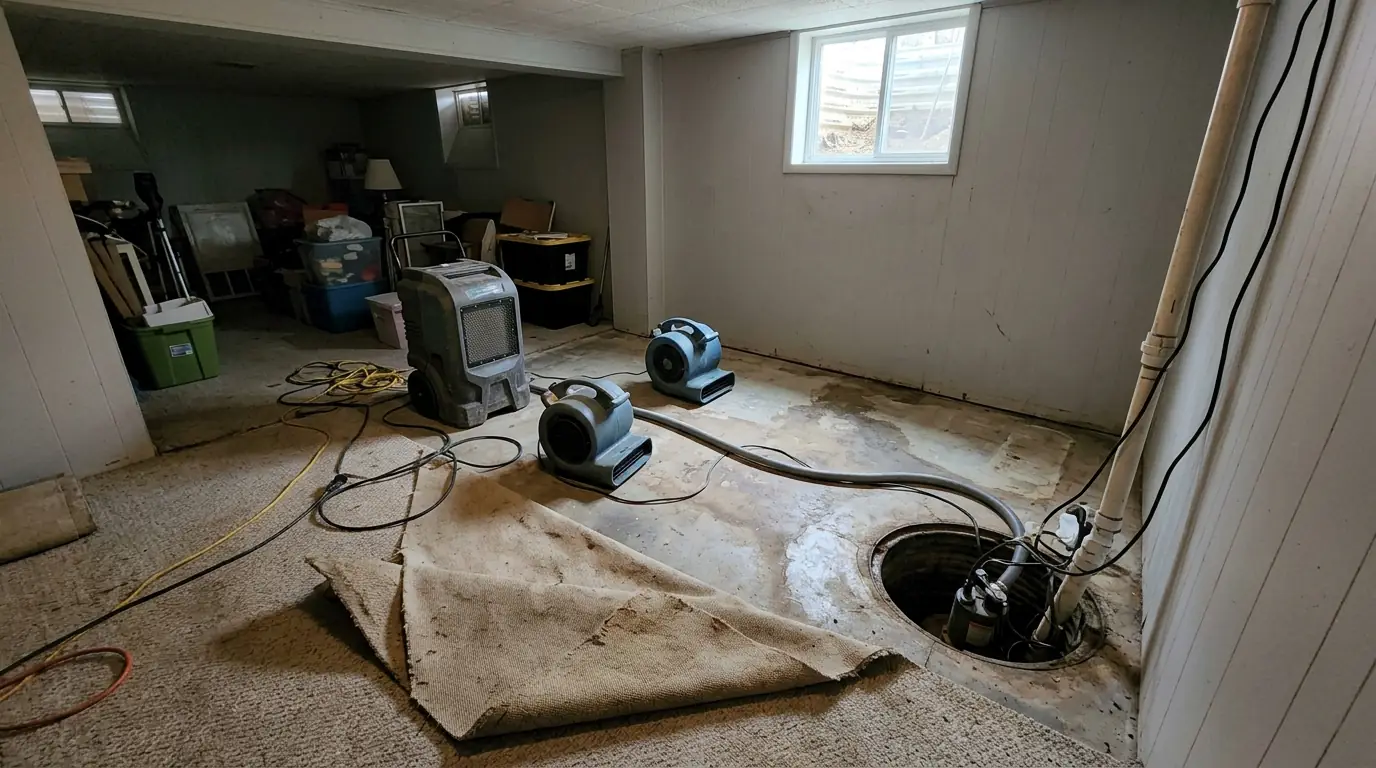
Many of those basements rely on a sump pit to keep groundwater below the slab. When the pump works, nobody thinks about it. When it fails during a long storm, or the power goes out, water rises through the pit and spreads under carpet and along the bottom of every finished wall. Wall-to-wall carpet over pad on a concrete slab soaks fast, and drywall wicks water upward from the floor. We extract, pull the pad, decide whether the carpet can be saved, and dry the slab and wall bottoms. Our sump pump work covers replacements, battery backups and alarms, so the next storm does not repeat the last one.
Most-called services in Shepherd Park
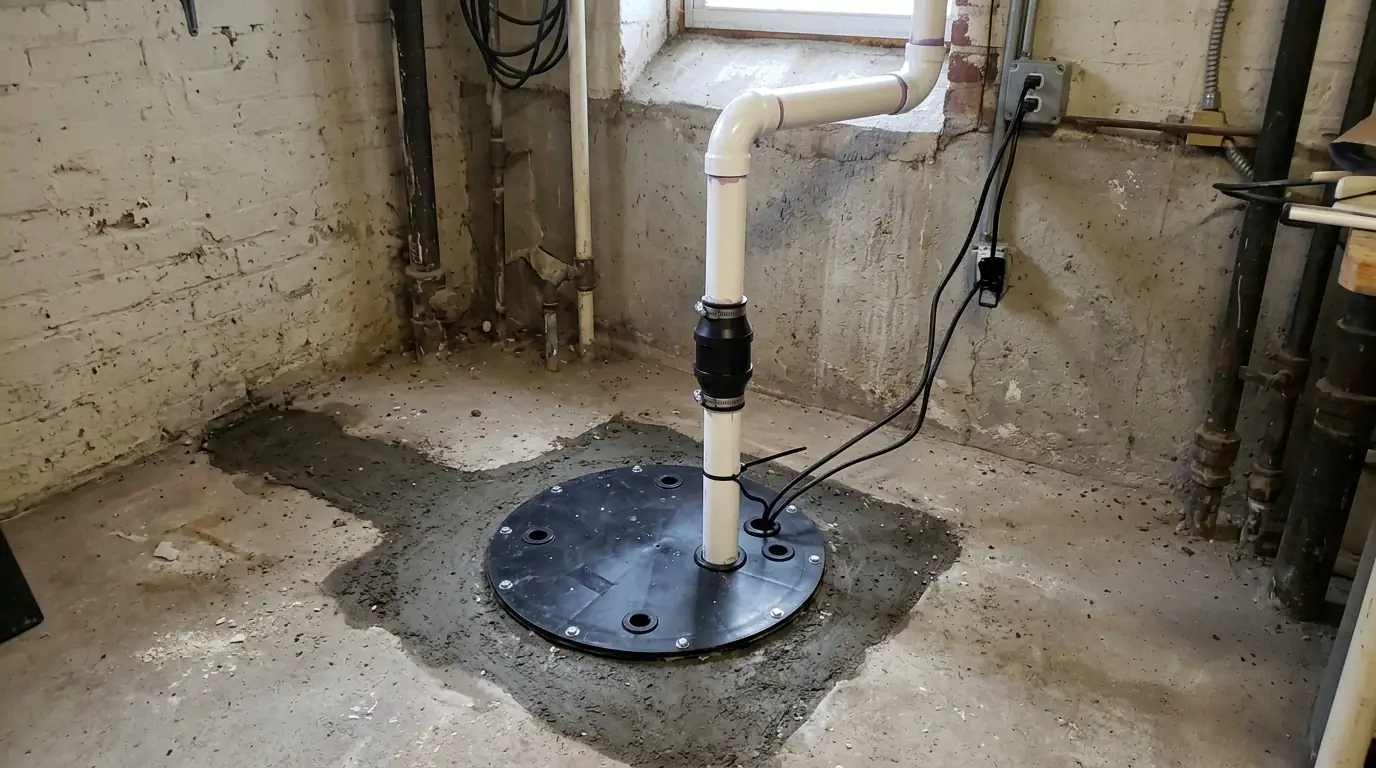
Sump Pump Installation
A sump pump sits in a lined pit at the low point of a basement and pumps out groundwater that collects there from under the slab or from a perimeter drain.
How we handle it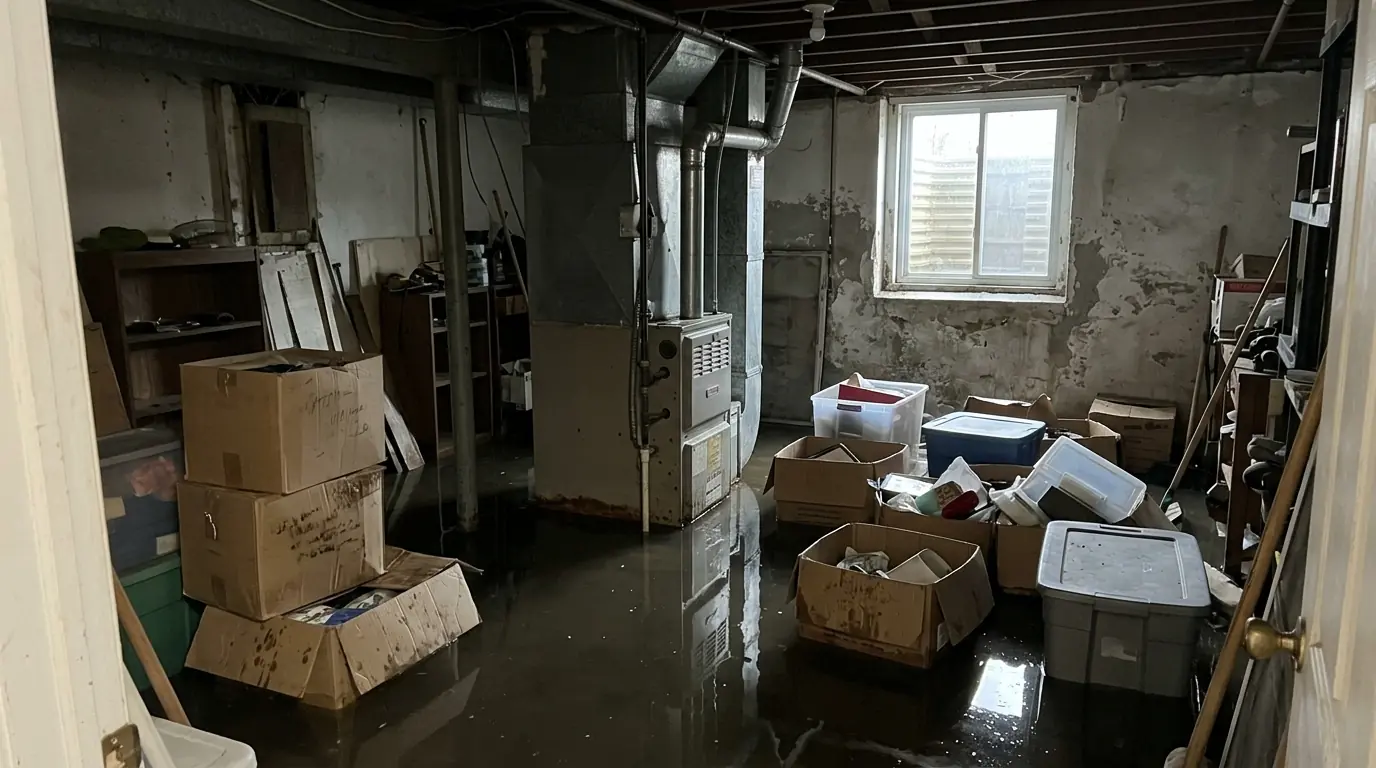
Flooded Basement Cleanup
Flooded basement cleanup removes water from a below-grade space, cleans and sanitizes what it touched, takes out finishes that cannot be saved, and dries the slab, walls and framing.
How we handle it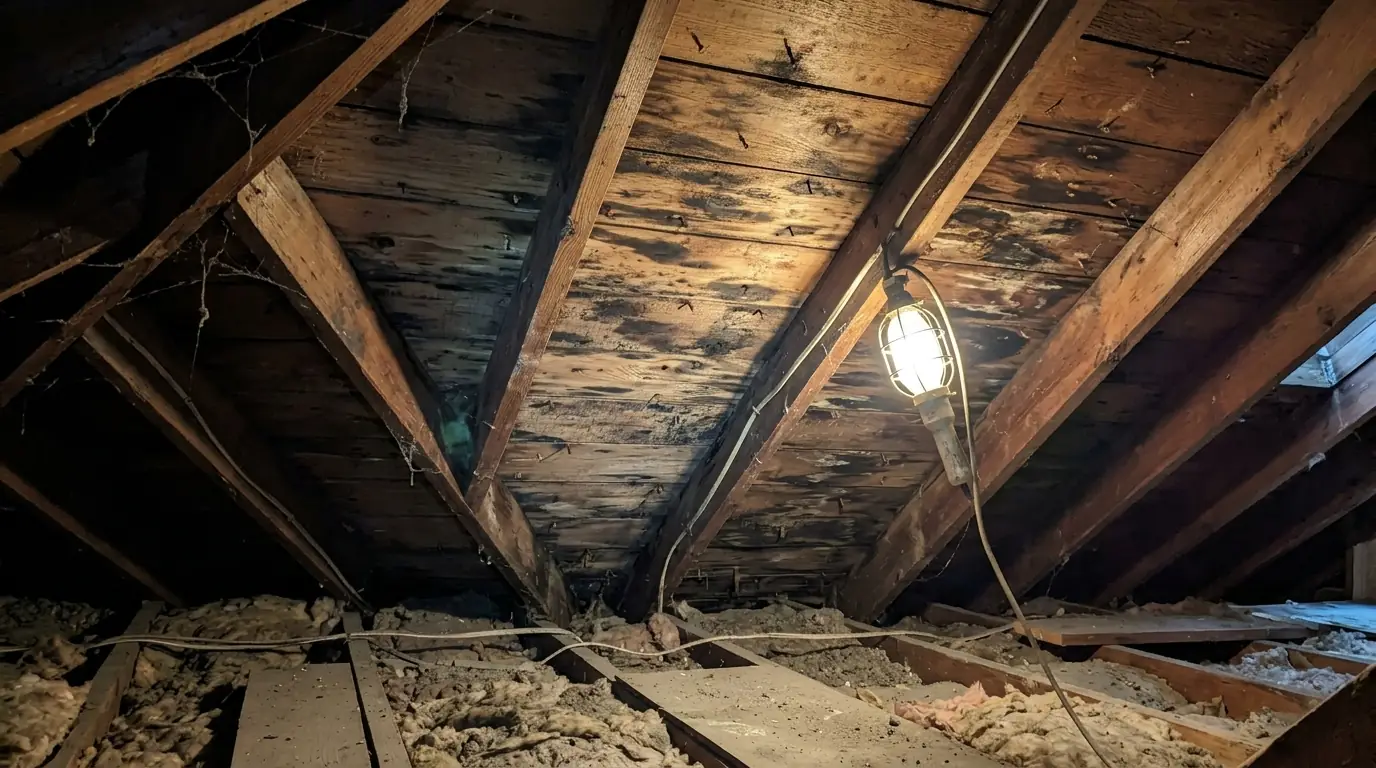
Attic Mold Removal
Attic mold removal cleans growth from roof sheathing, rafters and trusses, removes damaged insulation, and corrects the moisture source, which is usually household air leaking or being vented into the attic and condensing on cold wood in winter.
How we handle it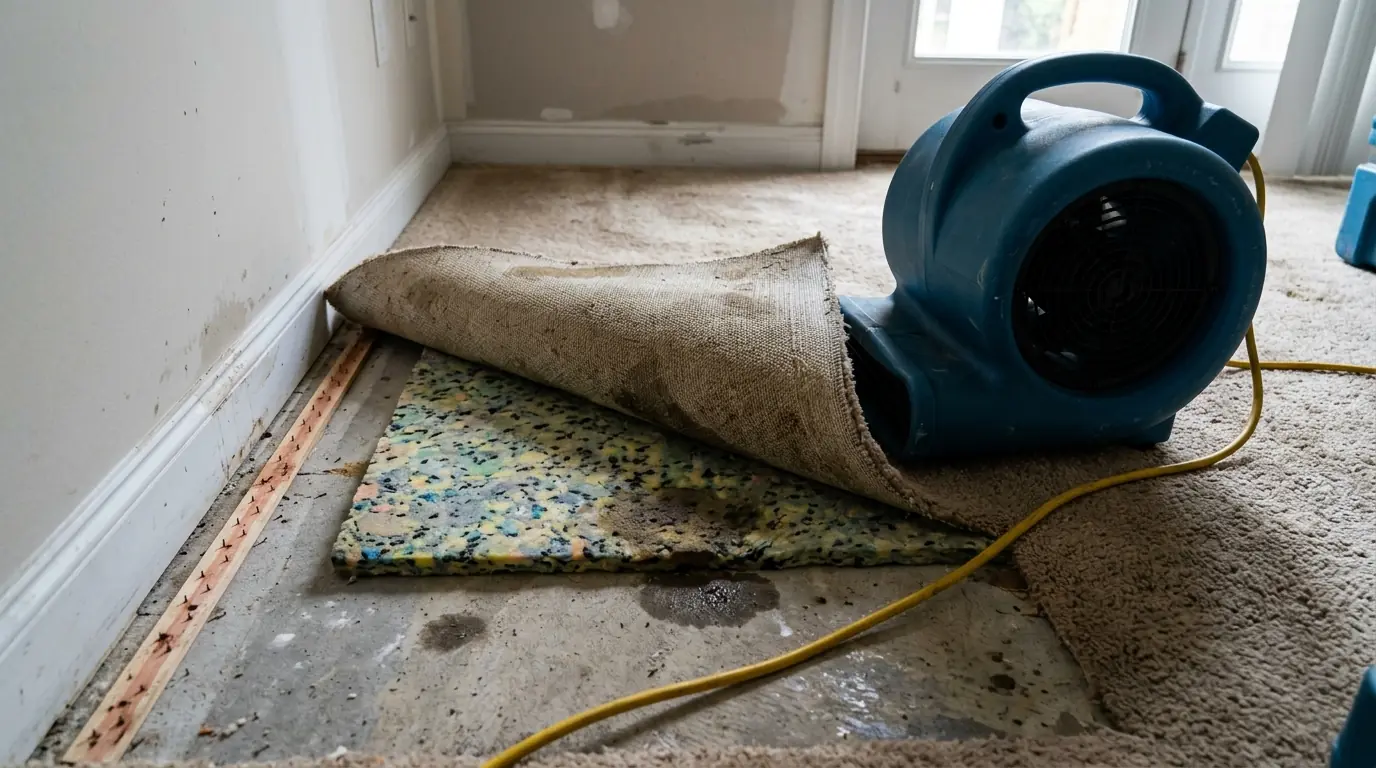
Wet Carpet Drying
Wet carpet drying is the extraction and controlled drying of carpet, pad and the subfloor beneath them after a leak or flood.
How we handle it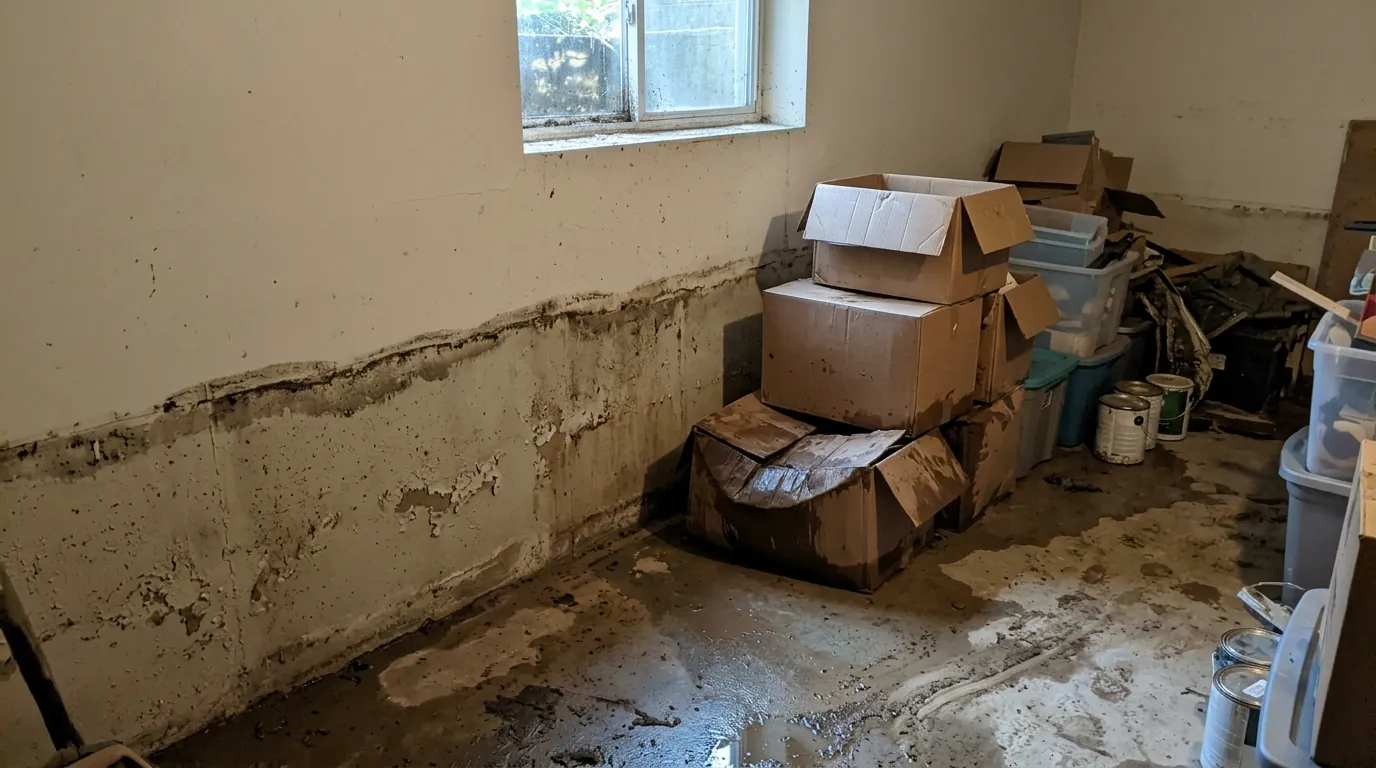
Storm & Flood Cleanup
Storm and flood cleanup covers water that enters a home from outside during heavy weather: flash flooding at basement doors and window wells, overflowing areaway drains, wind-driven rain through walls and windows, and roof openings from fallen limbs.
How we handle itWhy do big trees and steep roofs cause attic and gutter problems here?
Large oaks, maples and tulip poplars shade most Shepherd Park lots, and they keep gutters full. On a Tudor with steep roof planes meeting in valleys, a clogged gutter sends a sheet of water over the edge and down beside the foundation, or backs it up under the shingles at the eaves. In winter, snow on a steep roof can melt and refreeze at a cold eave, forming an ice dam that pushes water into the attic and down the inside of an exterior wall.
Attics have a second problem: bathroom exhaust fans that vent into the attic instead of outdoors, or ducts that have come loose. Warm, wet air condenses on the cold roof sheathing in winter, and dark spotting spreads across the underside of the boards. Our attic mold removal starts with finding that moisture source, because cleaning sheathing without fixing the fan only resets the clock. Storms add a different risk: a heavy limb through the roof brings rain straight into upstairs rooms, which calls for storm cleanup, tarping coordination and drying.
Typical calls we get from Shepherd Park
Sump pump fails during a long storm
A pump burns out after hours of heavy rain, and water spreads across a carpeted family room in a colonial's basement. We extract, remove the pad, dry the carpet and slab with air movers and dehumidifiers, and install a replacement pump with a battery backup.
Attic sheathing spotted from a bath fan
A bathroom fan vents into the attic of a Tudor, and the roof boards above it show dark spotting after winter. We contain the attic, HEPA sand or clean the sheathing, apply an antimicrobial, and show you where the fan duct needs to run outside.
Ice dam leak down an exterior wall
Meltwater backs up behind ice at a cold eave and runs down inside a bedroom wall. We find the wet wall cavity with a thermal camera, open the drywall where needed, and dry the framing and insulation before the wall is closed.
Tree limb through a second-floor roof
A storm drops a limb through the roof over a bedroom, and rain soaks the ceiling, carpet and closet. We extract the water, remove saturated ceiling drywall and insulation, protect contents, and dry the room once the opening is tarped.
How does a Shepherd Park job run from first call to dry?
Driveways and side yards make access easier than in the rowhouse neighborhoods to the south, so we can park beside the house, run pump hoses to the street drain path you approve, and bring equipment through a walkout or side basement door. Finished basements often hold furniture, books and electronics, so we move contents to dry rooms upstairs or set them on blocks before drying starts.
Near the Walter Reed campus, where redevelopment has added new apartment buildings and townhouses, we also handle leaks in newer units and coordinate with building management when a shared space is involved. Every job gets daily moisture readings and photos. Sump pump overflow is a common gap in homeowner coverage, and many policies only cover it through a separate endorsement, so check your policy before storm season rather than after. If you want to know whether hidden moisture remains after a past flood, moisture and leak detection gives you readings before you renovate.

Typical homes in this part of the DC area
Nearby areas we also cover
Questions from Shepherd Park homeowners
Do I need a battery backup on my Shepherd Park sump pump?
If your basement is finished and the pump runs often in storms, a backup is worth considering. Strong storms that bring the most water also cause power outages, and a primary pump can fail mechanically after years of service. A battery backup or a water-powered backup pump, plus a high-water alarm, buys time. We check pit size, discharge line and float switch when we install one.
Can wet carpet in a finished basement be saved after a sump failure?
Sometimes. If the water came from groundwater through the sump pit and was extracted quickly, the carpet can often be dried and reinstalled, though the pad is usually replaced. If the water sat for days or came from a sewer line, the carpet needs to go. We check the backing, the seams and how long it was wet before recommending either path.
How do I know if attic mold is coming from roof leaks or from inside the house?
Look at the pattern. Spots concentrated around a nail line, a valley or a vent pipe often point to a roof leak. Spotting spread evenly across the sheathing, especially above a bathroom, usually comes from warm, moist air from inside. We check the exhaust fans, insulation and ventilation along with the roof deck, and readings tell us which one is feeding the growth.
Water or mold trouble in Shepherd Park?
Call JEC Restoration any time. We answer 24/7 and talk through what you are seeing before anyone touches a wall.