Washington, DC neighborhood
Condo leak & water cleanup in Shaw, Washington, DC 20001
Many of Shaw's rowhouses have been split into condos, with a basement unit at the bottom and a roof deck at the top, and water travels down through all of them. We trace the leak, dry each affected unit and clean up smoke and sewage too.
In Shaw, JEC Restoration handles condo leaks, ceiling damage, flooded basement units, smoke from nearby kitchen fires and sewer backups across 20001, from the 7th Street corridor to the 9th Street restaurant blocks. Call (202) 989-3053; we answer 24/7. We document every affected unit so owners and the condo association work from one record.
What happens to water inside a Shaw rowhouse that became three condos?
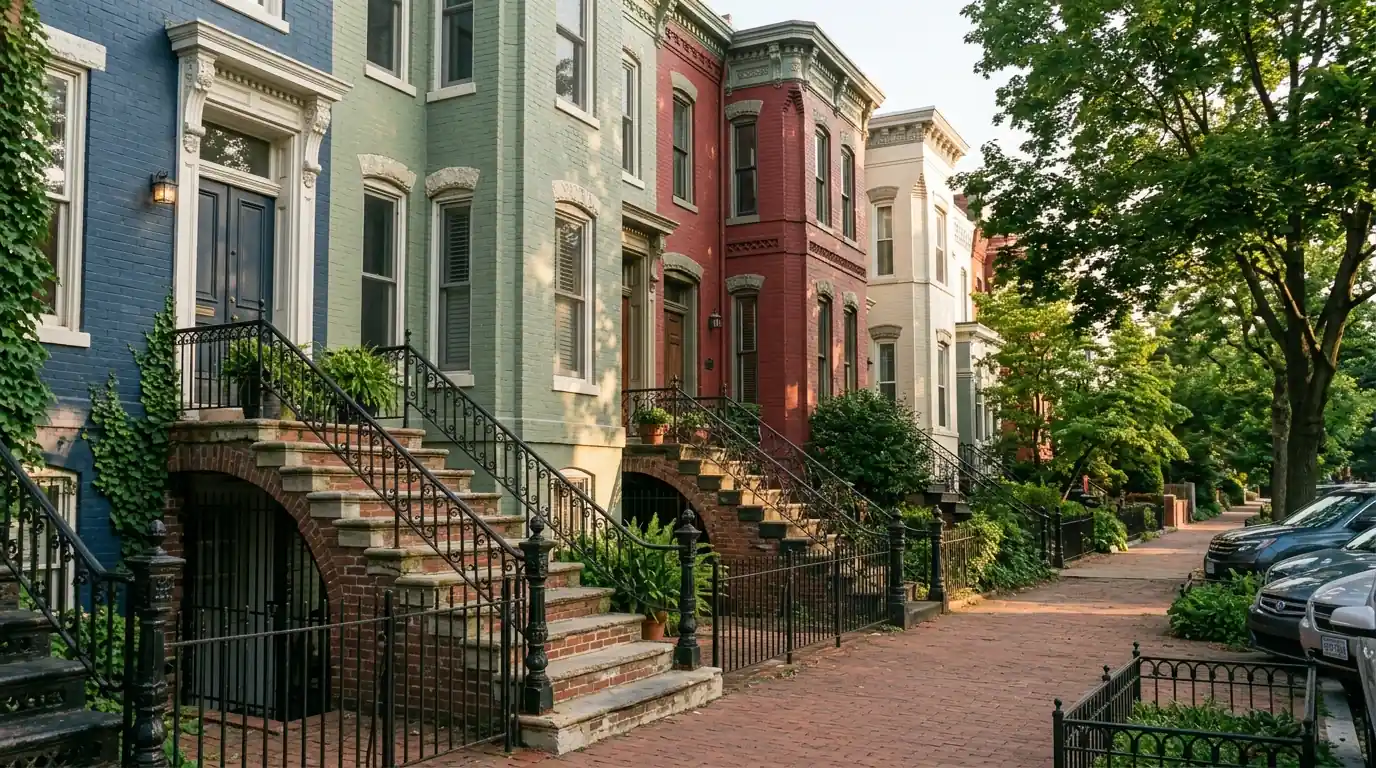
Walk along the side streets between 7th and 11th Streets and a good share of the brick rowhouses you pass have two or three doorbells. Over the last few decades, many were gutted and rebuilt as stacked condos: a basement unit dug down a few feet, a main-level unit, and an upper unit that often has a new roof deck or a pop-up story. Bathrooms and kitchens tend to stack directly over one another, sharing one plumbing chase.
That stacking is why one failure becomes three. A cracked supply line under a top-floor vanity runs down the chase, soaks the main-level ceiling drywall, then shows up as a stain on the basement unit's ceiling a day later. Renovation-era drywall ceilings hide wet joists well, and sprayed foam or batt insulation holds water against the framing. We start with a thermal camera and a moisture meter in every unit below the source, because the stain you can see is rarely the full wet area. Our page on wet and sagging ceilings explains when drywall can be dried in place and when it has to come down.
Most-called services in Shaw
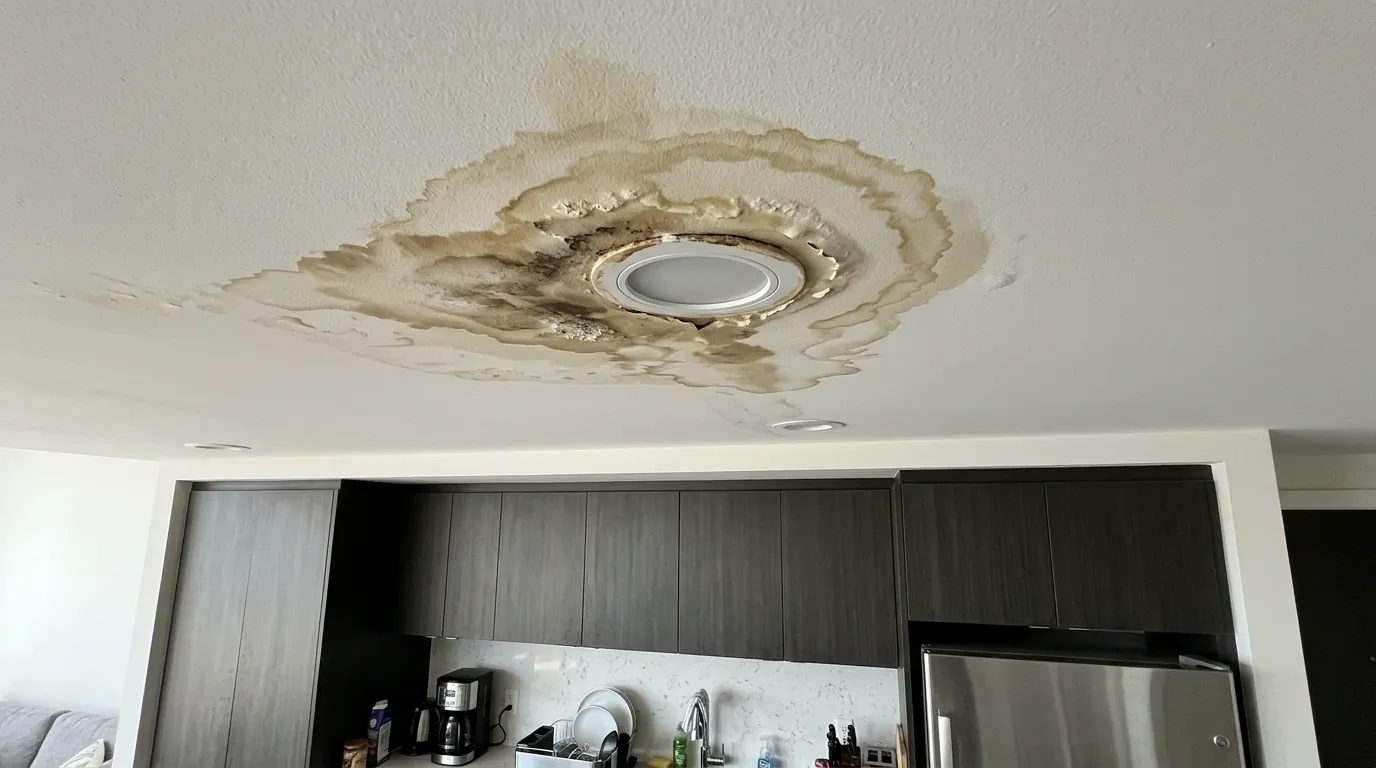
Condo Water Damage
Condo water damage work covers leaks that cross unit lines: water from the unit above, a failed riser, a shared wall or a roof over the top floor.
How we handle it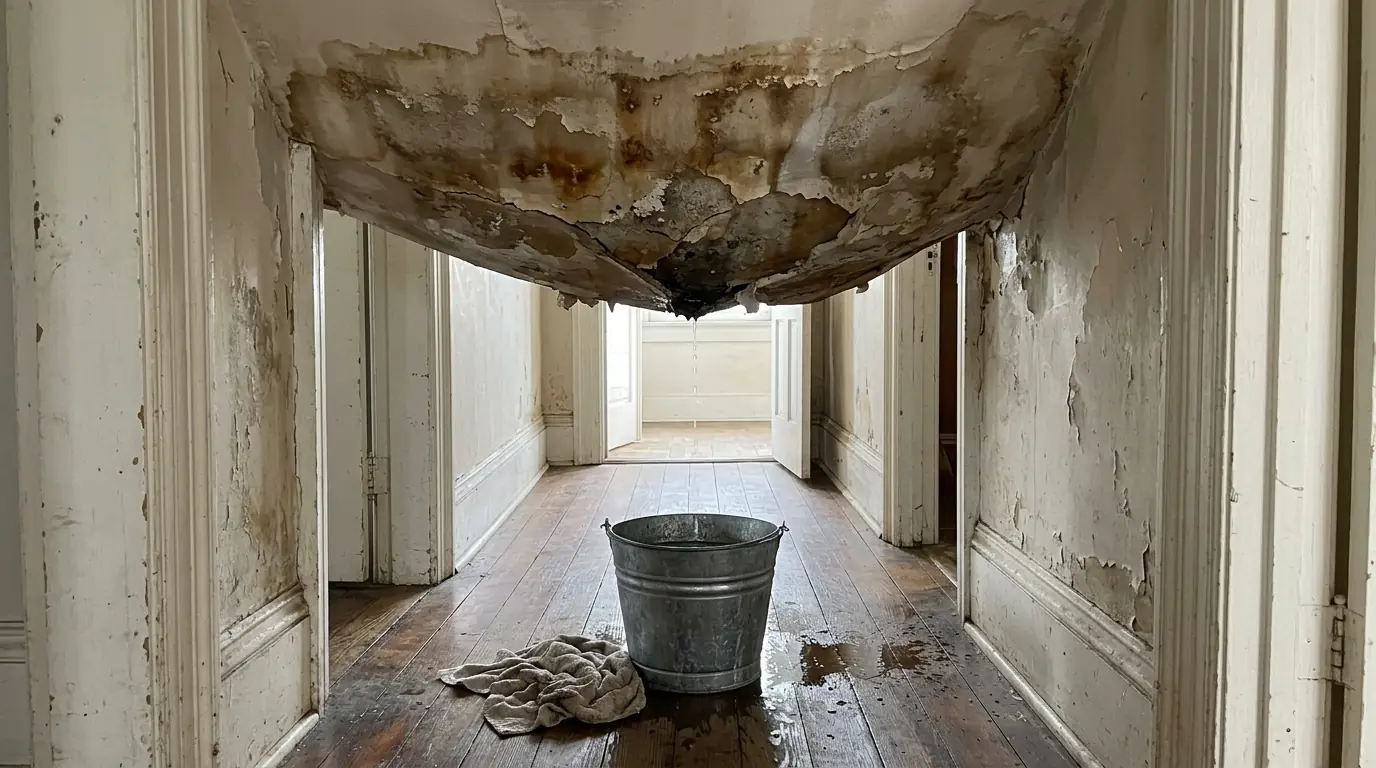
Ceiling Leak Damage
Ceiling leak damage work deals with water trapped above a ceiling from a roof, a bathroom, a radiator or an air conditioning line.
How we handle it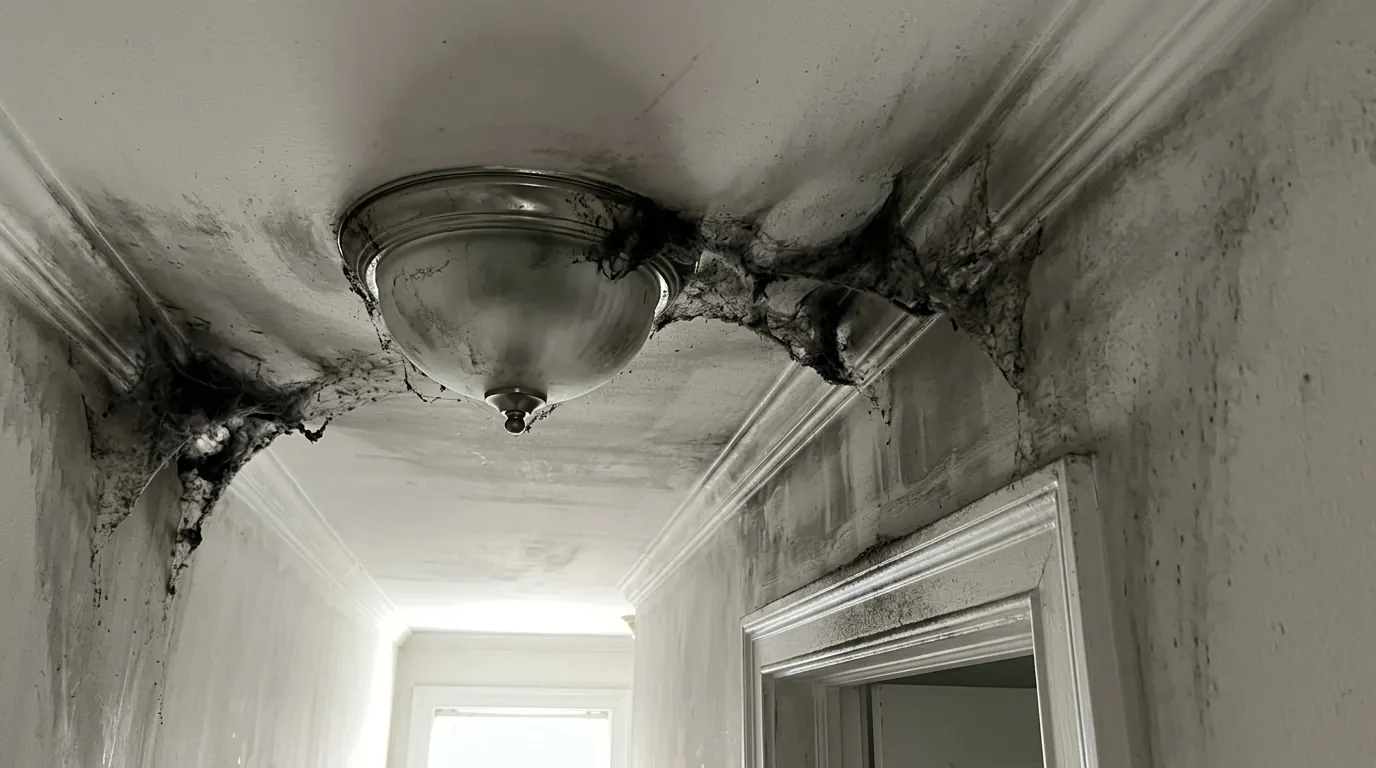
Smoke Damage Cleanup
Smoke damage cleanup removes the residue a fire leaves on walls, ceilings, ducts and belongings, then neutralizes the odor tied to it.
How we handle it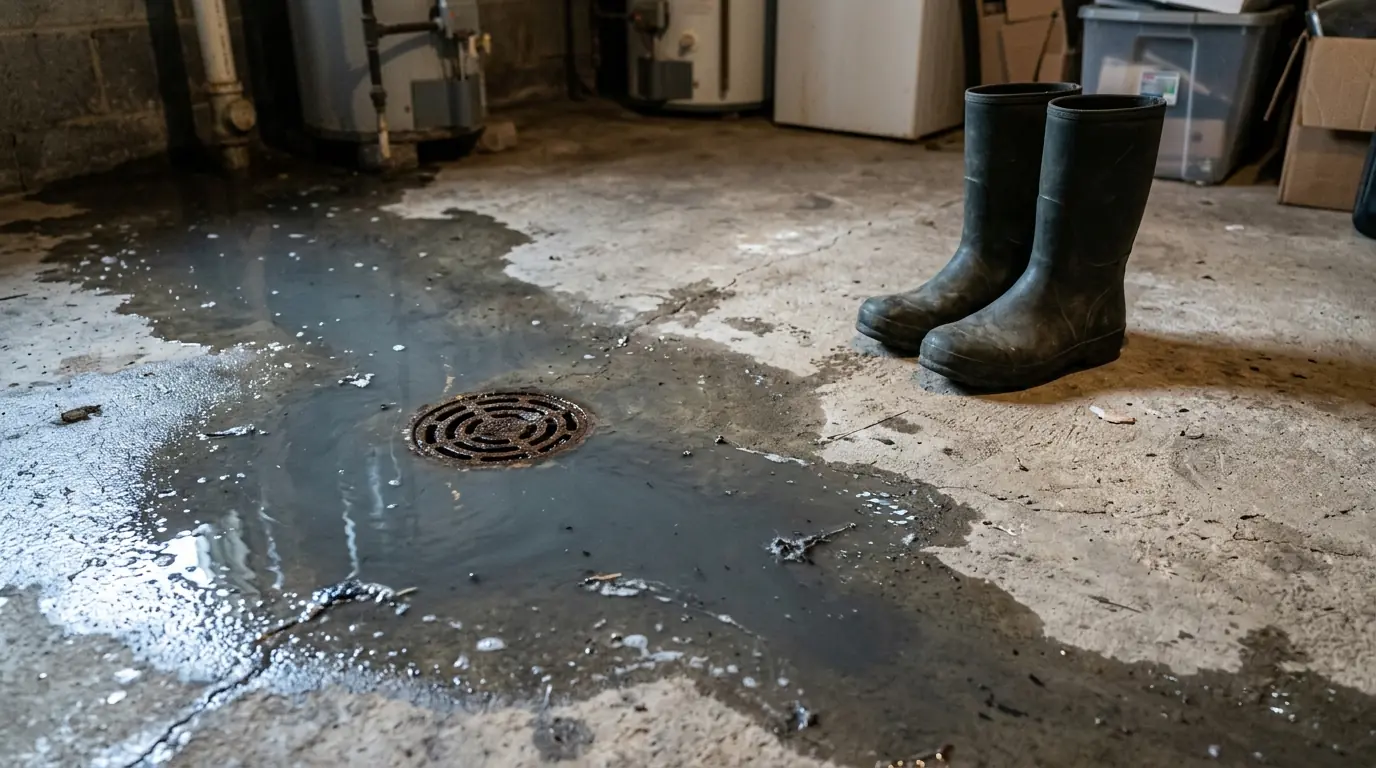
Sewage Backup Cleanup
Sewage backup cleanup is the removal of wastewater and the porous materials it soaked, followed by cleaning, disinfection and drying of the affected area.
How we handle it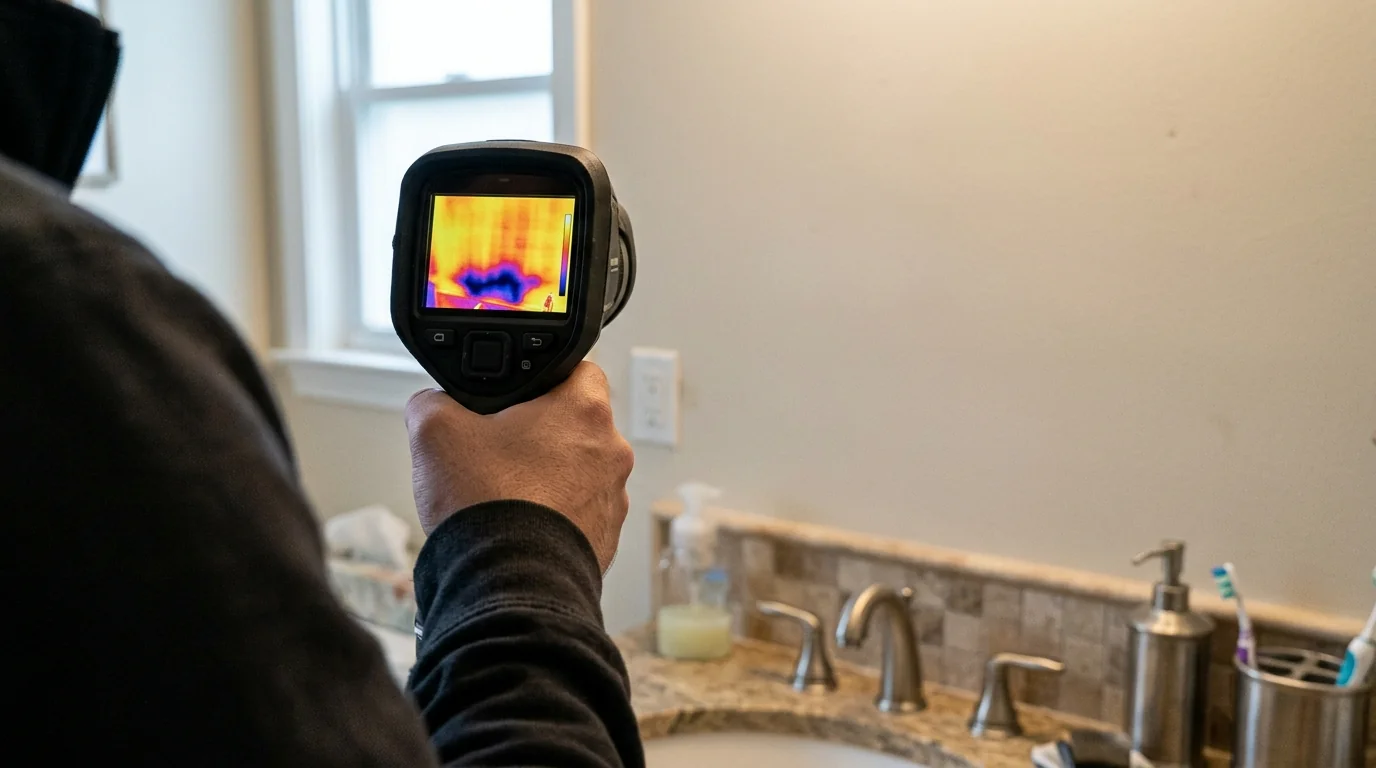
Moisture & Leak Detection
Moisture and leak detection is a non-invasive survey that finds where water is hiding in walls, ceilings and floors and how far it has spread.
How we handle itWhere do Shaw's leaks, floods and smoke usually start?
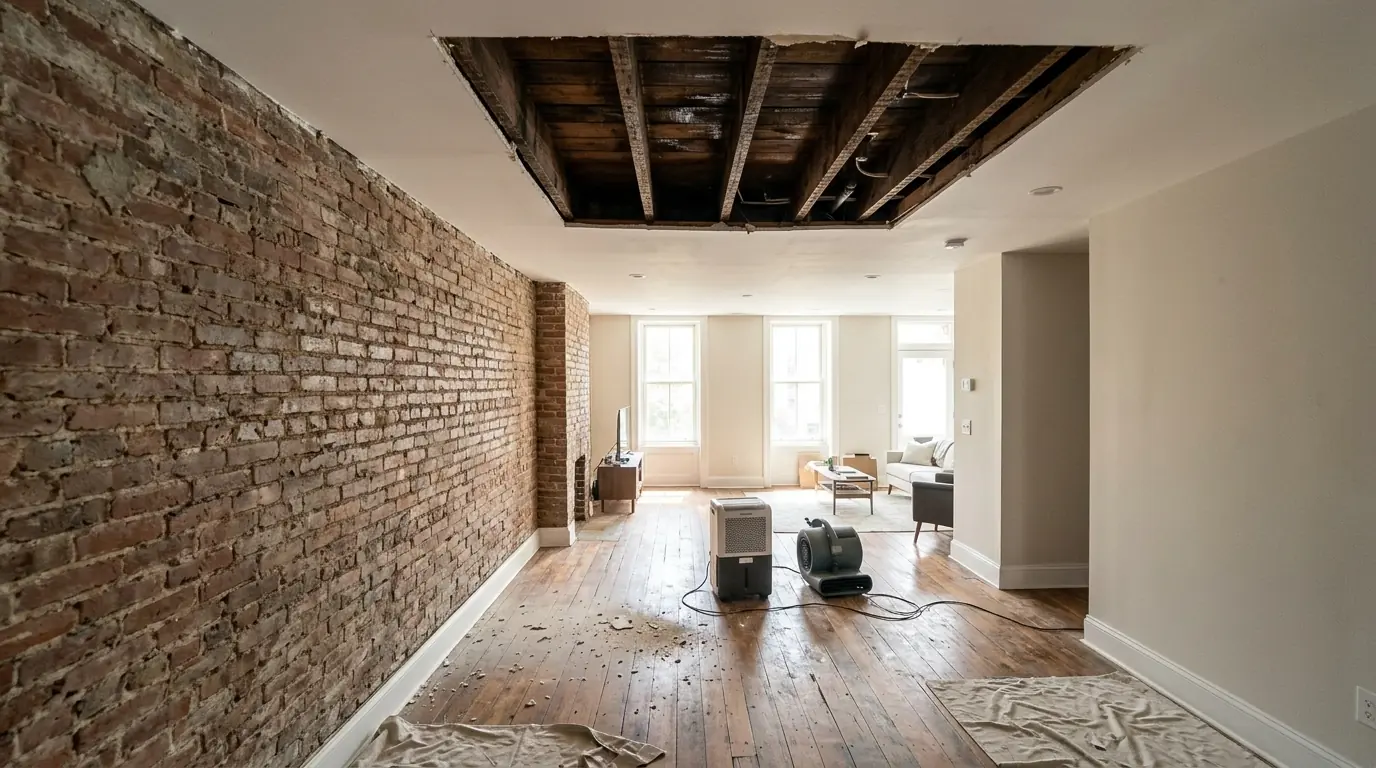
From the top down, the usual sources are predictable. Flat rowhouse roofs with parapet walls leak at flashing and around roof deck posts and new skylights. Inside, washing machines in hallway closets, dishwashers and toilet supply lines cause most unit-above calls. At the bottom, basement units sit below the sidewalk in an older part of the city served by combined sewers, so a heavy storm can push water up through a floor drain or a shower, and a clogged front stairwell drain can flood the entry. That is when sewage cleanup becomes part of the job.
Shaw also has more mixed-use buildings than most residential neighborhoods. Along 7th Street, 9th Street and around Blagden Alley, apartments sit above or beside restaurants and bars. A kitchen fire downstairs, or one next door, can push smoke through shared walls, stairwells and ductwork into homes that never saw a flame. Fine soot settles on window sills, inside closets and on the tops of door frames. We test surfaces and use smoke and soot cleaning methods matched to what we find, rather than painting over residue.
Typical calls we get from Shaw
Top-floor washer hose soaks two units below
A burst washing machine hose in an upper unit's hall closet sends water down the plumbing chase into two ceilings. We extract standing water, map the wet joist bays in each unit, remove saturated drywall where needed, and run drying in all three units at once.
Roof deck post leak above a bedroom ceiling
Rain finds its way around the base of a roof deck post on a flat rowhouse roof and stains the top-floor bedroom ceiling. We dry the ceiling cavity and insulation, check the rafters for mold, and document the entry point so the roofer knows exactly where to look.
Restaurant kitchen fire leaves soot in the apartment above
A grease fire in a ground-floor kitchen sends smoke up a shared stairwell into the units overhead. We test the residue, clean walls, ceilings and contents with the right sponges and detergents, clean exposed duct registers, and treat the remaining odor.
Floor drain backup in a basement condo
During a downpour, the lowest unit's floor drain sends sewage across new vinyl plank flooring. We remove the flooring and lower drywall, clean and disinfect the slab, dry the space under negative air, and suggest asking the association about a backwater valve.
How do we work with condo boards, neighbors and building managers in Shaw?
A Shaw condo leak almost always involves more than one owner. Before we open anything, we ask who manages the building, whether the association has a property manager, and whether the source unit's owner is reachable. We need access to the unit where the water started, and we need to know which parts of the building the association treats as common elements. Bylaws differ, and the split between the master policy and each owner's unit policy differs too, so check your policy and your condo documents before anyone agrees to pay.
Logistics are tight. Parking near the Shaw-Howard University Metro station and the Convention Center is limited, so we load in quickly, park on the nearest legal spot and carry compact dehumidifiers up narrow stairs. We set drying equipment so it doesn't block a shared hallway, and we post our readings for each unit separately. Our guide to leaks from the unit above covers the first calls to make while you wait.
Typical homes in this part of the DC area
Nearby areas we also cover
Questions from Shaw homeowners
Who pays when water from the Shaw condo above damages my unit?
It depends on the source, your association's bylaws and the policies involved. Often the source owner's policy, the association's master policy and your own unit policy each cover part of it, and sometimes none of them cover a slow leak. Check your policy and the condo documents, report the leak to the manager in writing, and keep our moisture readings and photos. Fault is settled between owners, the association and insurers, and our records show where the water went.
Do I need to open my ceiling if the stain from a leak above has dried?
Not always. A dried stain can hide wet insulation or damp framing above it, especially under spray foam or batt insulation. We check with a moisture meter and thermal camera first. If the readings are normal in the drywall and joists, a stain-blocking primer and paint may be all you need. If the cavity is still wet, we open a small section, dry it, and patch it.
How do you handle smoke odor in a condo that shares walls with a restaurant?
We find where the smoke traveled first, usually stairwells, shared walls with gaps around pipes, and ductwork. Surfaces get cleaned based on the residue type, since greasy kitchen smoke cleans differently from dry soot. Fabrics and closets are often the last places to stop smelling. If odor keeps coming back, the building may have open paths between spaces that a contractor should seal before final deodorizing.
Water or mold trouble in Shaw?
Call JEC Restoration any time. We answer 24/7 and talk through what you are seeing before anyone touches a wall.