Water Damage
Storm and flood cleanup in Washington, DC after summer downpours and wind-driven rain
A summer thunderstorm can drop more rain in an hour than drains and gutters can carry. When it ends up in your basement, attic or living room, we stop what we can, pull the water out and dry the house.
Drying, air and detection equipment on our jobs comes from names like
- Dri-Eaz
- Phoenix
- B-Air
- Abatement Technologies
- Protimeter
- Delmhorst
- FLIR
- Benefect
- Concrobium
- Omnitec
- Sapphire Scientific
- Tramex
Storm and flood cleanup covers water that enters a home from outside during heavy weather: flash flooding at basement doors and window wells, overflowing areaway drains, wind-driven rain through walls and windows, and roof openings from fallen limbs. Outside floodwater is treated as contaminated, so porous materials it touched usually come out. Call (202) 989-3053 as soon as it is safe to go inside.
How does storm water actually get into a house during a downpour?
Most storm water comes in at the low points and the openings, not through the middle of a wall. Every house has a few weak spots, and a hard summer storm finds all of them at once.
Knowing the entry point matters because it decides the water category and the repair afterward. Rain blown through a window is relatively clean. Water that ran across a yard, a street or an alley picked up soil, fertilizer, oil and whatever was in the drain, so it is treated as contaminated.
- Window wells: a basement window well without a drain, or with a clogged one, fills like a bucket until water pours over the sill or pushes through the window frame.
- Areaway and stairwell drains: the drain at the bottom of an exterior basement stair clogs with leaves and grit, and the water rises against the basement door.
- Flash flooding: low streets and yards near creeks overflow faster than storm drains can take it, and surface water runs straight into lower levels.
- Wind-driven rain: sideways rain gets past old window glazing, door thresholds, cracked mortar joints and gaps around vents that never leak in calm weather.
- Roof breaches: a tree limb punctures roofing or knocks out a skylight, and every hour of rain after that goes directly into the attic and ceilings.
Which storm damage signs mean you should call before the next rain?
Some storm damage only shows up after the sky clears, and the next storm makes it worse.
Water line on basement walls
A tide mark or a band of damp paint along the lower walls shows how high water rose and how far up the drywall needs checking.
Sagging or bubbling ceiling
A bulge in paint or drywall means water is pooled above it. Stay out from under it and call.
Wet attic insulation
Matted, dark or heavy insulation after a storm points to a roof opening or flashing failure, even if no ceiling stain has formed yet.
Silt or mud on the floor
A gritty film left behind as water drained away confirms outside floodwater, which changes what can be saved.
Damp window sills and frames
Wet sills, stained trim or swollen sashes after wind-driven rain mean water got into the wall framing too.
Standing water in window wells
Water still sitting in a well a day after the storm means its drain is clogged and the next downpour comes in again.
What a storm cleanup visit looks like from start to finish
Storm jobs mix emergency protection, contaminated-water cleanup and structural drying in one visit.
Secure the openings
We tarp roof breaches, board broken windows where needed and clear areaway or window well drains so more water stops coming in. Electrical hazards in flooded rooms are checked before anyone wades in.
Document before removal
Our technicians photograph the water line, the entry points and every damaged item before anything moves. Measurements of water height go into the job file.
Extract and remove
We pump and extract standing water, then remove soaked carpet, pad, insulation and drywall that floodwater reached. Mud and silt are shoveled and scrubbed out.
Clean and treat
Concrete, framing and masonry are washed, then treated with an antimicrobial suited to the surface. This step is what makes contaminated-water drying safe to finish.
Dry and verify
Air movers and dehumidifiers run while we log moisture readings daily. Most storm jobs dry in four to seven days, depending on how deep the water went into masonry.
What has to happen first when a tree limb opens the roof?
The first job is to stop more water from coming in. Once the area is safe to approach, we cover the opening with heavy tarps fastened over the damaged section and run past the ridge or the parapet where we can, so rain cannot run underneath. Large limbs resting on the roof need a tree crew to remove them; we work around what is there and come back to tarp properly once it is cleared.
Inside, the damage spreads downward fast. Wet attic insulation holds water against the ceiling drywall or plaster, which sags and can drop without warning. We clear people out of the rooms below, poke small drain holes in bulging ceilings to release trapped water, and pull wet insulation so the framing can dry. Rooms below often need the same work covered on our ceiling water damage page, with drying set up floor by floor.
Will homeowners insurance pay for storm flooding in my basement?
This is where storm claims get complicated, so check your policy carefully. Many standard homeowner policies treat damage from wind or a falling tree that opens the roof differently from water that rises from the ground. Rain that comes through a storm-damaged roof is often covered. Surface water that flows into a basement from a flooded yard or street is generally excluded from standard policies and falls under separate flood insurance, such as a policy through the National Flood Insurance Program.
Water backing up through a floor drain during a storm is a third category again. Many policies cover it only with a sewer or drain backup endorsement. If you are unsure which applies, document everything before cleanup starts: where the water entered, how high it reached on the walls, and photos of damaged items. Our guide to photos, receipts and timing for a claim lists what adjusters tend to ask for.
Why is floodwater handled differently from a burst pipe?
Outside floodwater counts as Category 3, the most contaminated class in the drying trade. That changes what we can save. Carpet, pad, upholstered furniture, mattresses and the bottom of drywall that floodwater touched are removed rather than dried. Wallboard is usually cut a foot or more above the highest water line so the cavity can be cleaned and dried.
Hard surfaces like concrete, tile, studs and masonry are cleaned, treated with an antimicrobial and then dried. The work runs slower and costs more than a clean-water leak, and protective gear is part of every visit.
Contents follow the same logic. Metal shelving, plastic bins, glass and sealed wood furniture can usually be washed and kept. Books, cardboard boxes, upholstered pieces and soft toys that sat in the water usually cannot. We photograph and list each discarded item before it leaves, since that list is what a flood or homeowner claim relies on.
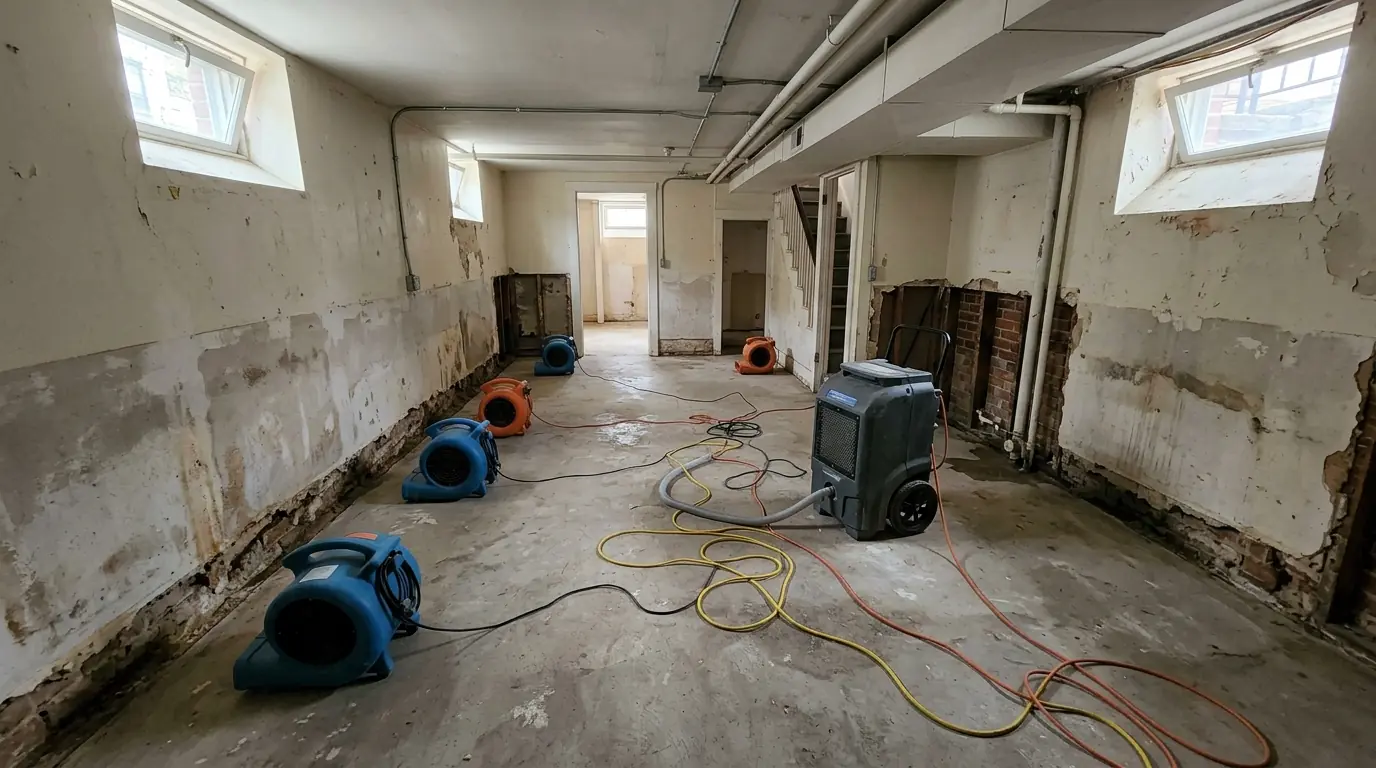
Air movers and a dehumidifier drying a DC basement apartment
How summer storms flood DC rowhouses, creeks and low blocks
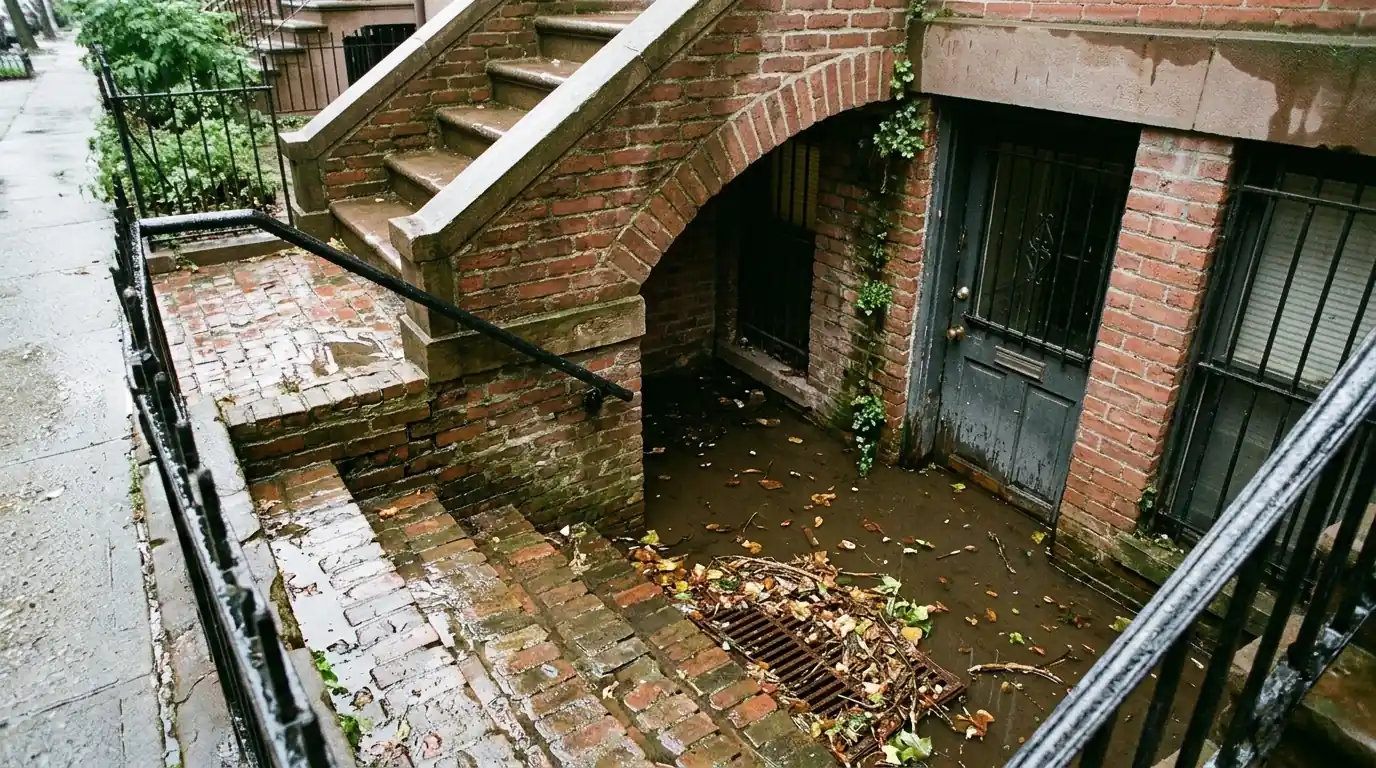
DC's heaviest rain tends to arrive in short summer bursts, and the city's older drainage was not built for that volume. In rowhouse neighborhoods like Capitol Hill, Bloomingdale and Shaw, the rear areaway and the front stairwell drain are the two spots that flood first. Both collect leaves, trash and grit from the alley or sidewalk, so a storm that would be harmless with clear drains sends a foot of water against the basement door.
Low ground near creeks floods differently. Homes along Watts Branch in Northeast DC and the Oxon Run valley in Southeast can see surface water move across yards toward foundations, and Bloomingdale has a long history of flooding during heavy storms. Across the river, Four Mile Run in Arlington and the Old Town Alexandria waterfront flood with storms and high tides. Large old oaks and tulip poplars in Chevy Chase DC, Palisades and Takoma Park bring limb-through-roof calls after strong wind. If storm water keeps coming in at the same spot, waterproofing that entry point is worth planning once the house is dry.
Where we do this work: Washington, DC and nearby Maryland and Virginia, including:
What does storm and flood cleanup typically cost around DC?
Storm costs swing widely because they combine emergency protection, removal of contaminated materials and drying.
| Window well or areaway flood, part of one basement room | $1,540-$3,870 |
|---|---|
| Full basement flood with outside floodwater | $4,260-$11,950 |
| Roof breach with emergency tarp and two ceilings dried | $2,930-$7,680 |
| Wind-driven rain through a wall, framing and drywall dried | $1,360-$3,540 |
These are typical DC-area ranges, not quotes; we price storm work after seeing the damage on site. Compare ranges across all 40 services.
What moves the price
- Clean rain versus contaminated floodwater
- Height the water reached on the walls
- Need for roof tarping or window boarding
- Finished versus unfinished basement space
- Silt, mud and debris to remove
Related work we often do on the same job
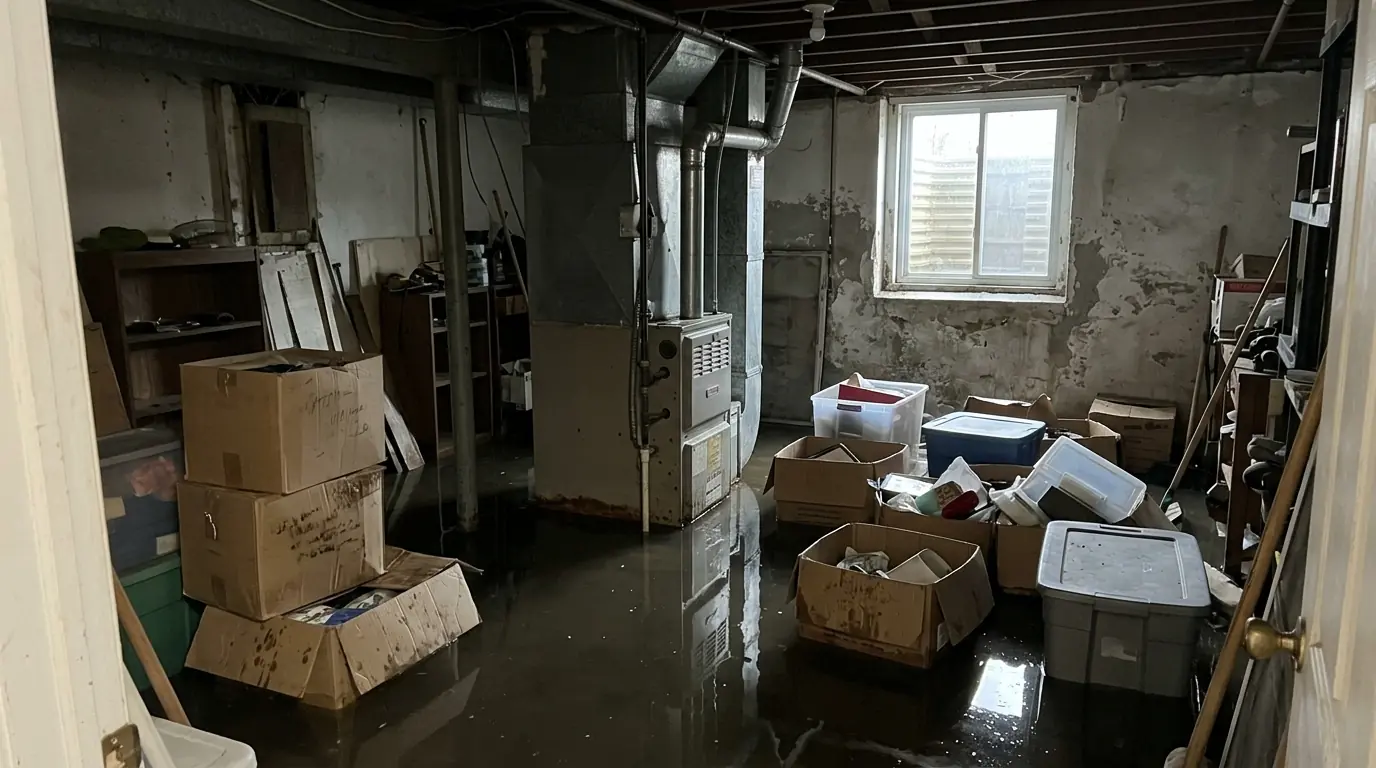
Flooded Basement Cleanup
Flooded basement cleanup removes water from a below-grade space, cleans and sanitizes what it touched, takes out finishes that cannot be saved, and dries the slab, walls and framing.
How we handle it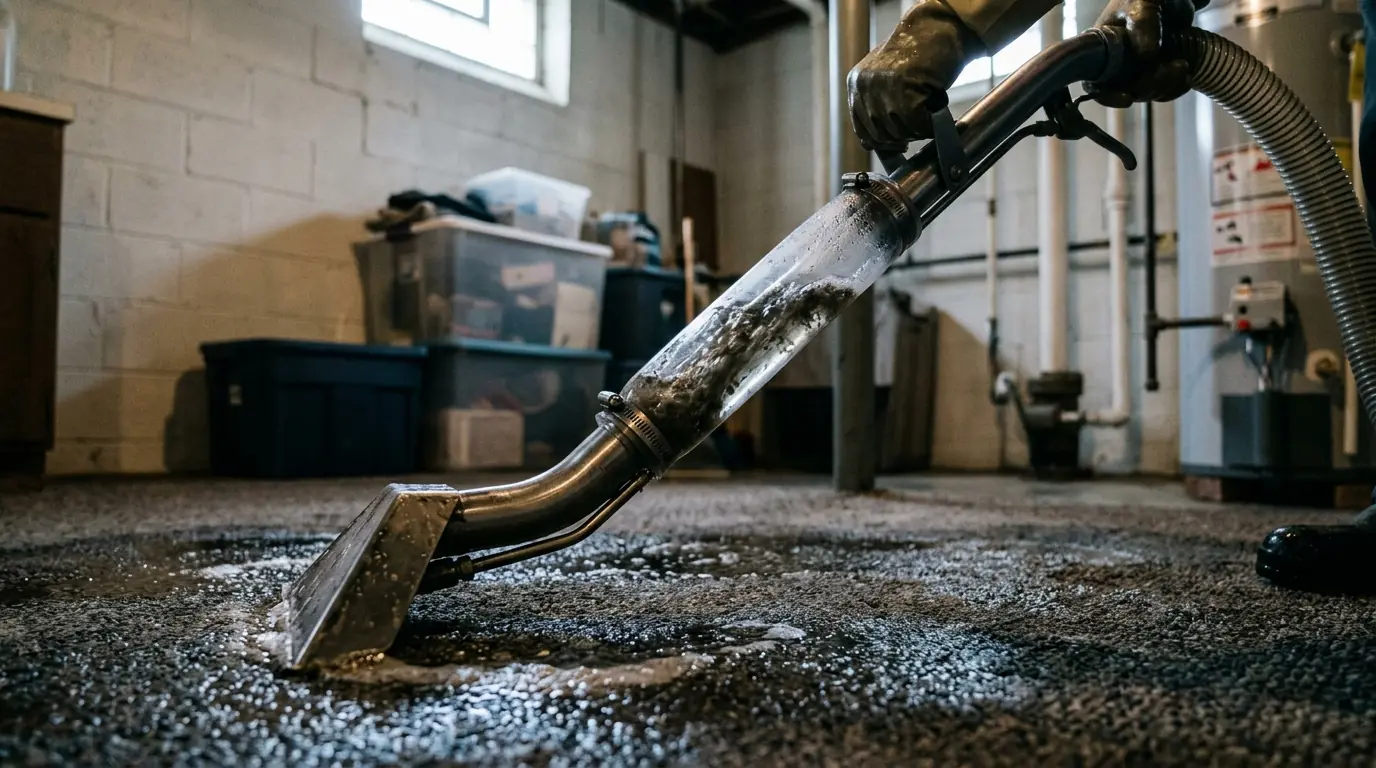
Emergency Water Removal
Emergency water removal is the first stage of a water job: shutting down the source, pumping out standing water, and extracting what has soaked into carpet, pad and hard floors before it moves into walls and subfloor.
How we handle it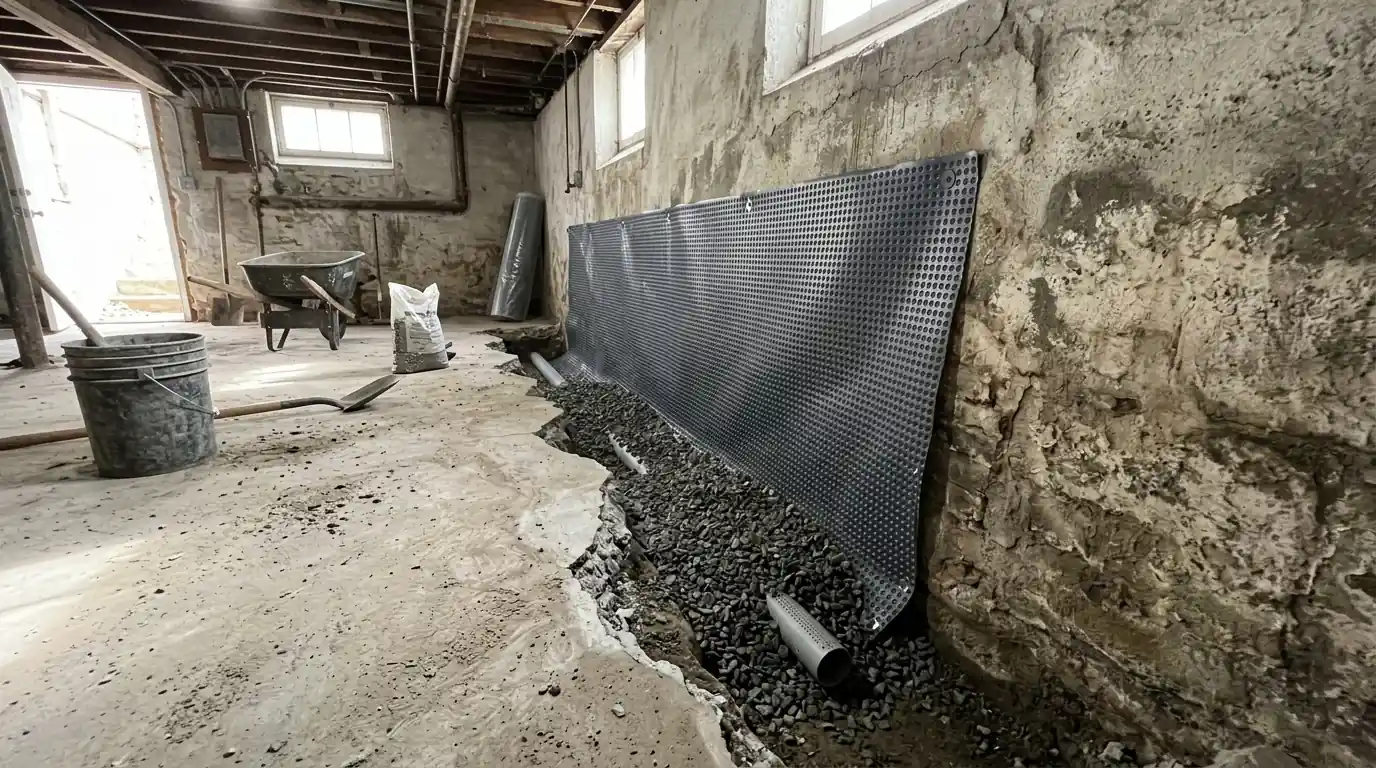
Basement Waterproofing
Basement waterproofing means stopping or managing the water that reaches a basement from outside: through wall cracks, mortar joints, the cove joint at the base of the wall, or a clogged stairwell drain.
How we handle it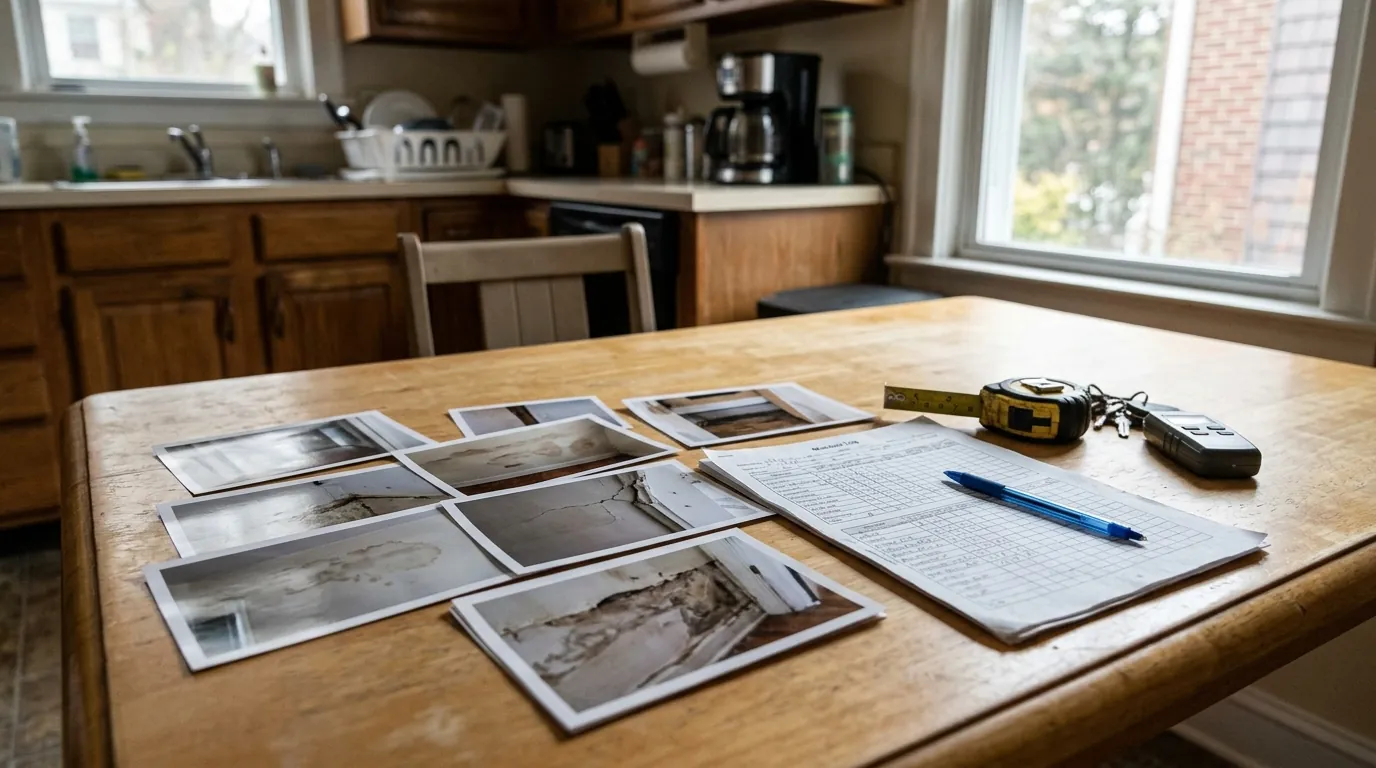
Insurance Claim Help
Insurance claim help, as we provide it, means documenting the damage and the work so you have what your insurer asks for: dated photos, moisture readings, daily drying logs, equipment records and an itemized repair scope.
How we handle itQuestions homeowners ask about storm & flood cleanup
My window well filled with water during a storm. What should I do first?
If water is still pouring in, scoop or pump the well down and clear the drain at its bottom, which is usually clogged with leaves. Then move belongings off the basement floor and photograph the water inside. Window well water ran across soil, so treat wet carpet and drywall below the window as contaminated and call before it sits overnight.
Is rain that came through a storm-damaged roof clean water?
Rain falling straight through an opening starts out fairly clean, so it is usually handled as Category 1 or 2 depending on what it ran through. Water that soaked through dirty attic insulation, old roofing debris or a ceiling cavity for a day or more picks up contaminants. We judge it by the path and the time, not the source alone.
Can storm cleanup start before my insurance adjuster visits?
Most policies expect you to take reasonable steps to prevent further damage, so emergency tarping and water removal usually should not wait. Photograph everything first, keep damaged items until the adjuster sees them or approves disposal, and save every receipt. Check your policy for exact requirements, and tell your insurer when cleanup begins.
How do I keep my areaway drain from flooding the basement again?
Clear leaves and debris from the grate before and after storms, especially in fall. Many older areaway drains are partly clogged further down the line, so a plumber may need to snake or camera the pipe. A raised threshold at the basement door and a cover or roof over the stairwell can cut the water reaching the drain.
Can flood-soaked drywall be dried instead of cut out?
Not when outside floodwater reached it. Drywall's paper face and gypsum core absorb the contamination along with the water, so the wet section is cut out, usually 12 to 24 inches above the water line. That also opens the wall cavity so the studs and insulation can be checked, cleaned and dried.
Water in the house or a musty room you can't explain?
Call JEC Restoration any time. We answer 24/7 and talk through what you are seeing before anyone touches a wall.