Washington, DC neighborhood
Basement flood & leak cleanup in Capitol Hill, Washington, DC 20003
Capitol Hill rowhouses take on water through front stairwell drains, rear areaways and old cast-iron lines, and the English basement usually gets it first. We pump it out, dry the plaster and brick, and clean up after sewer backups.
For rowhouses and condo conversions in 20003 and 20002, JEC Restoration handles water damage, sewage backups, mold and fire cleanup. Our technicians extract water, dry plaster and brick with logged moisture readings, and set up containment when mold turns up. The phone is answered 24/7: call (202) 989-3053 and we send a crew out as soon as one is available.
Why do Capitol Hill rowhouses leak at the English basement first?
Most of the housing between the Capitol grounds and Lincoln Park is brick rowhouses from the late 1800s and early 1900s, many with Italianate or Queen Anne fronts, bay windows and iron-railed stoops. Under the stoop sits the English basement, half below the sidewalk, with its own door and a small stairwell. That stairwell has a drain not much bigger than a coffee can lid. When leaves from the street trees pack it, a summer storm fills the well and pushes water under the door and across the floor.
Inside, the weak points are predictable. Plaster on lath wicks water up from a wet floor, the brick party wall you share with a neighbor holds moisture for weeks, and the original cast-iron drain under the basement slab rusts through at the joints. Many of these basements were turned into rental units with drywall, carpet over concrete and a kitchenette, so a modest leak can ruin finishes that hide where the water actually went. We open only what the moisture readings say is wet, then dry the masonry behind it.
Most-called services in Capitol Hill
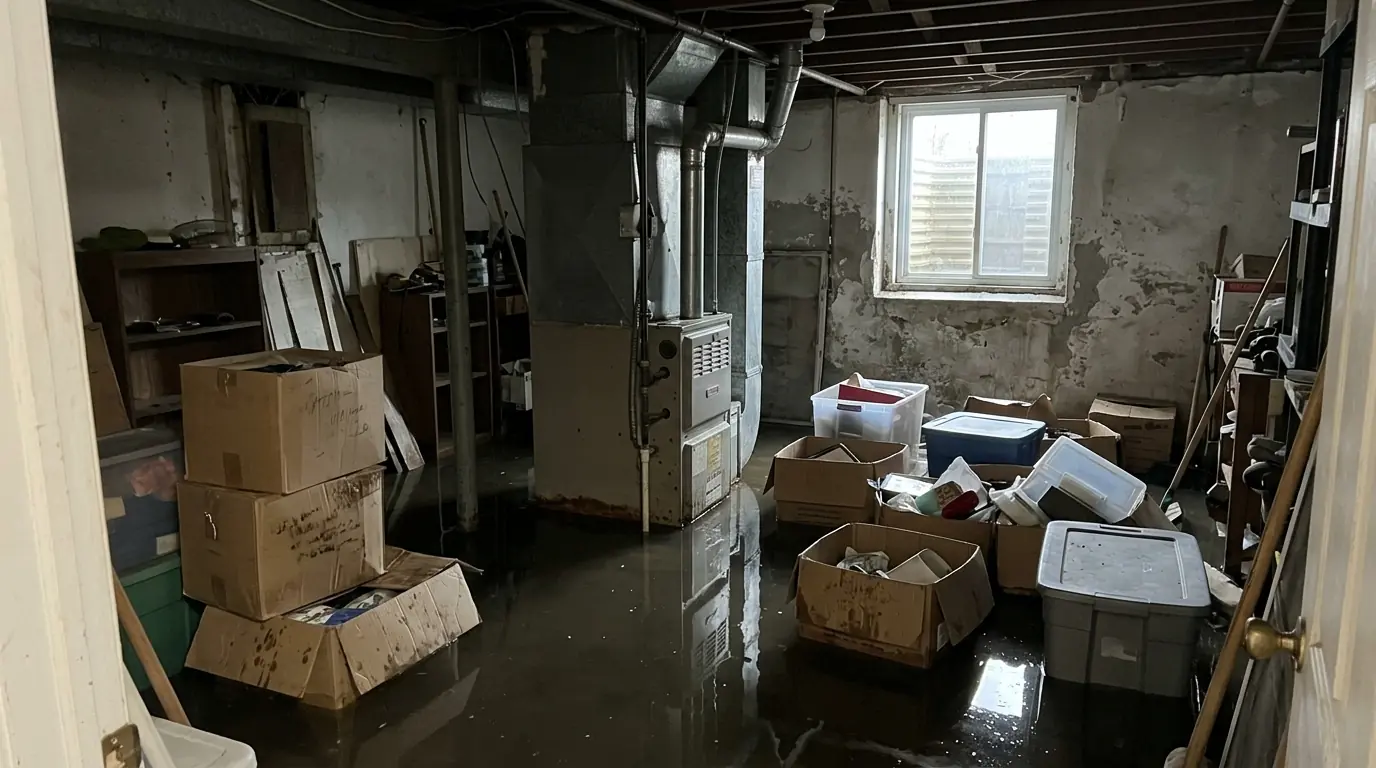
Flooded Basement Cleanup
Flooded basement cleanup removes water from a below-grade space, cleans and sanitizes what it touched, takes out finishes that cannot be saved, and dries the slab, walls and framing.
How we handle it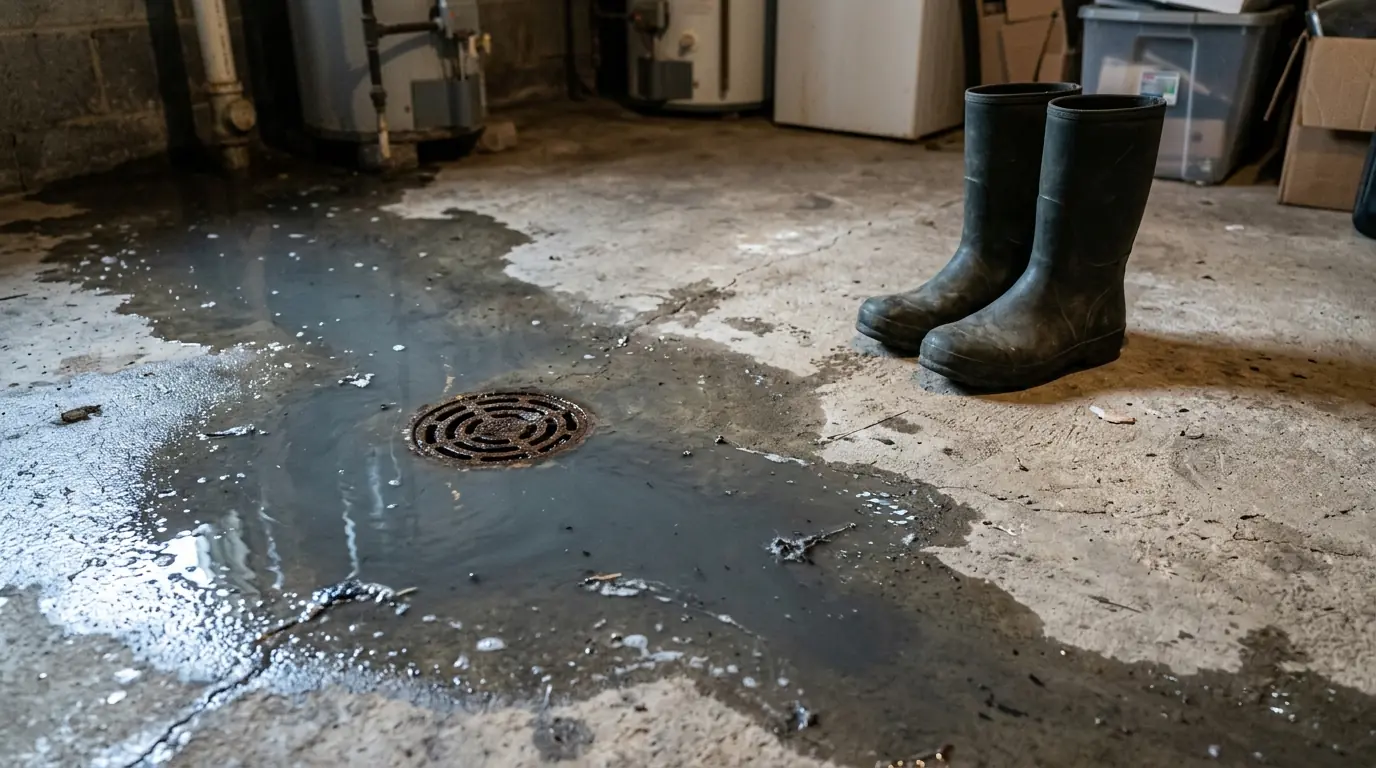
Sewage Backup Cleanup
Sewage backup cleanup is the removal of wastewater and the porous materials it soaked, followed by cleaning, disinfection and drying of the affected area.
How we handle it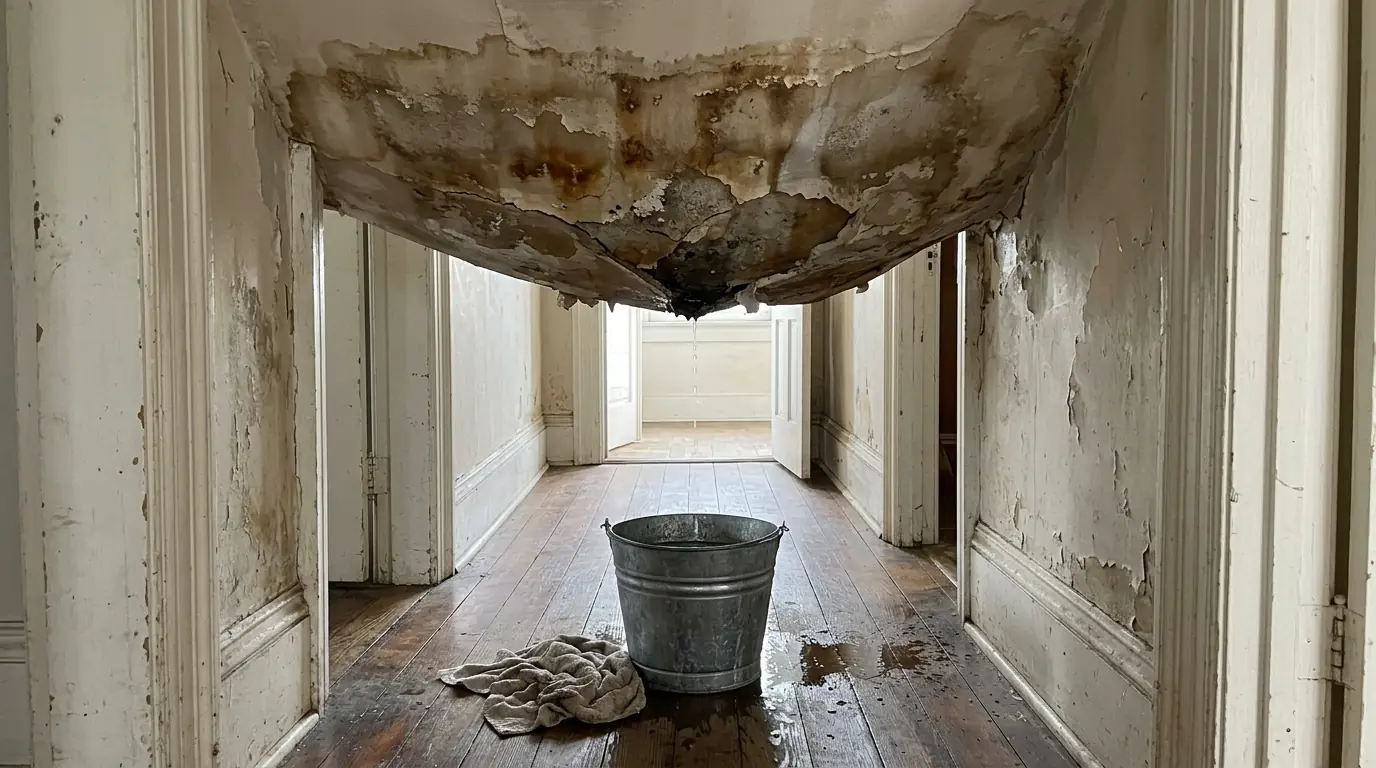
Ceiling Leak Damage
Ceiling leak damage work deals with water trapped above a ceiling from a roof, a bathroom, a radiator or an air conditioning line.
How we handle it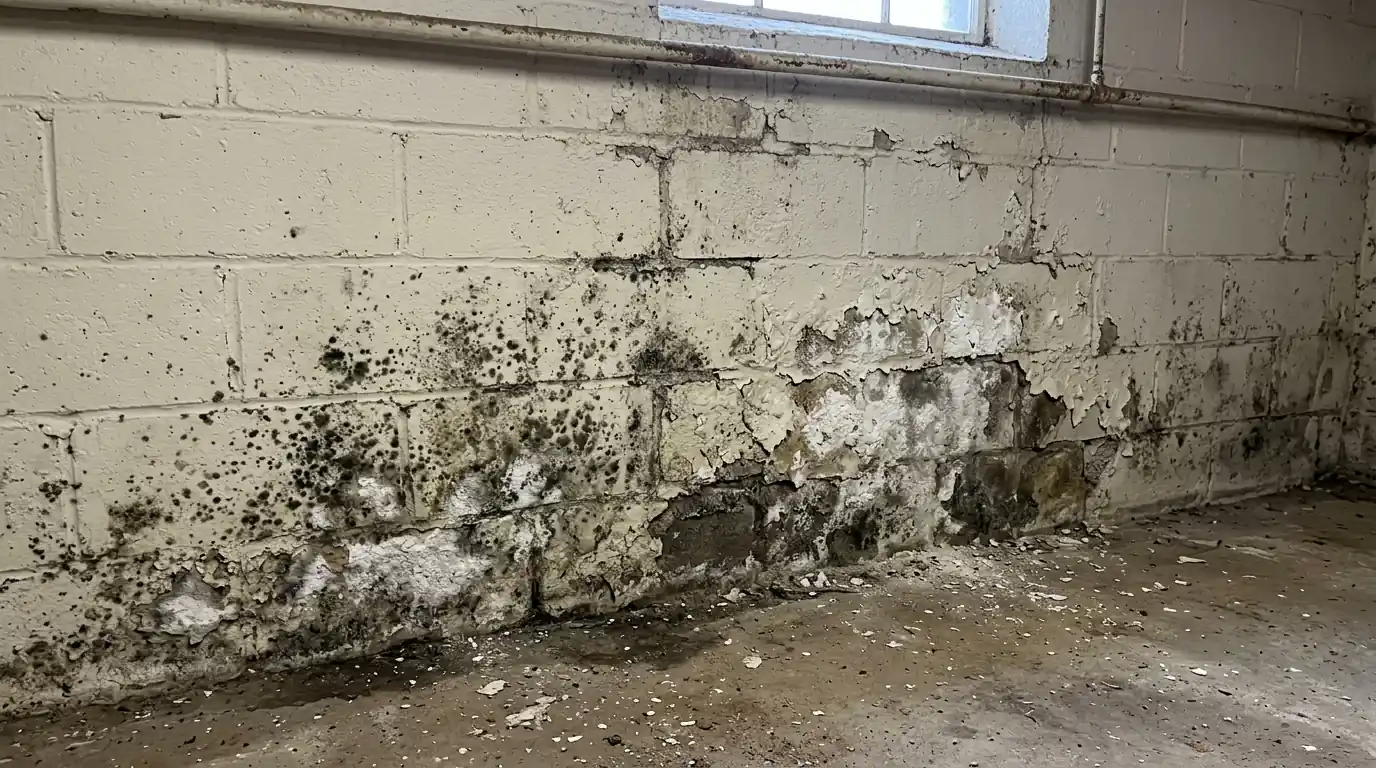
Basement Mold Removal
Basement mold removal cleans or removes growth on foundation walls, framing, finished drywall, carpet and stored contents below grade, then corrects the moisture that caused it.
How we handle it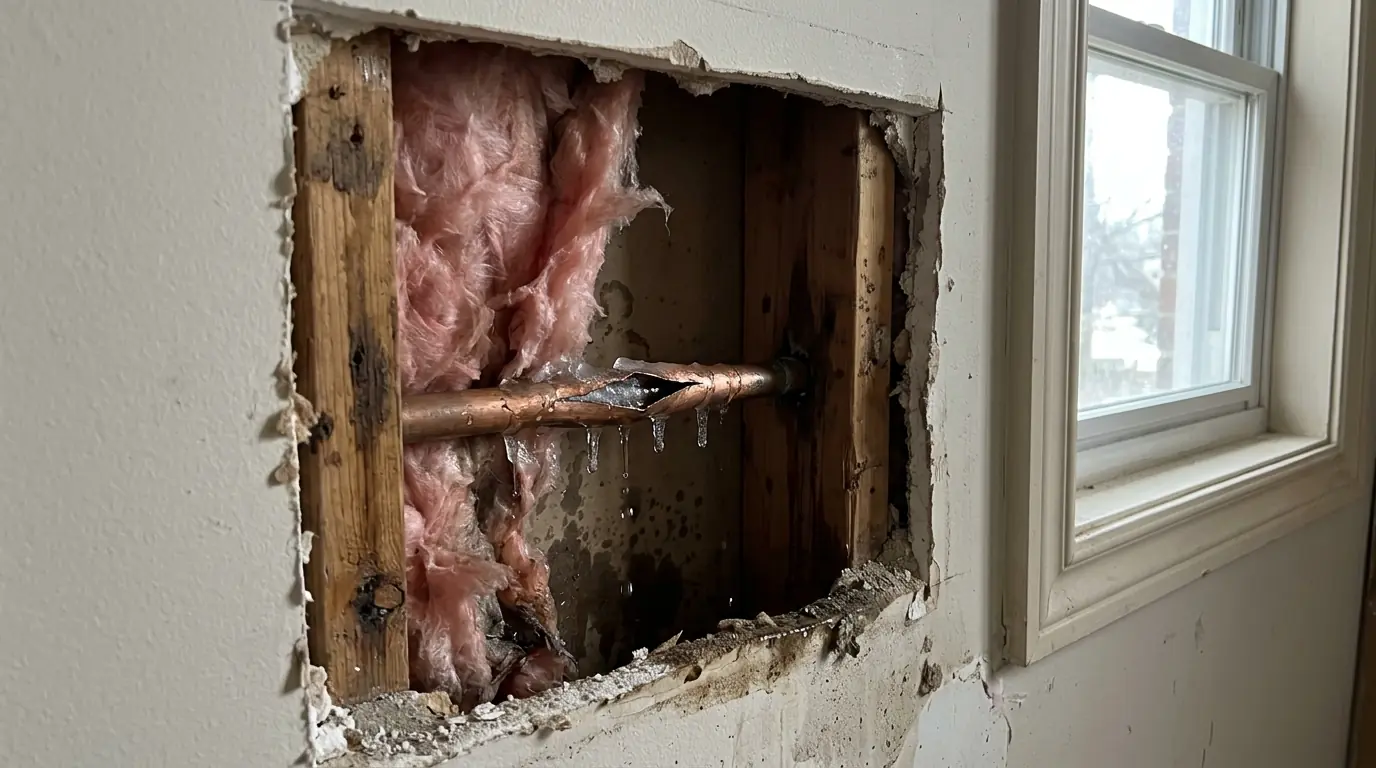
Burst Pipe Cleanup
Burst pipe cleanup deals with the water a split supply or heating line leaves inside walls, floors and ceilings: opening the wall at the break, extracting water, removing soaked insulation, and drying the cavities and the rooms below.
How we handle itWhat happens on the Hill when a summer storm overloads the sewers?
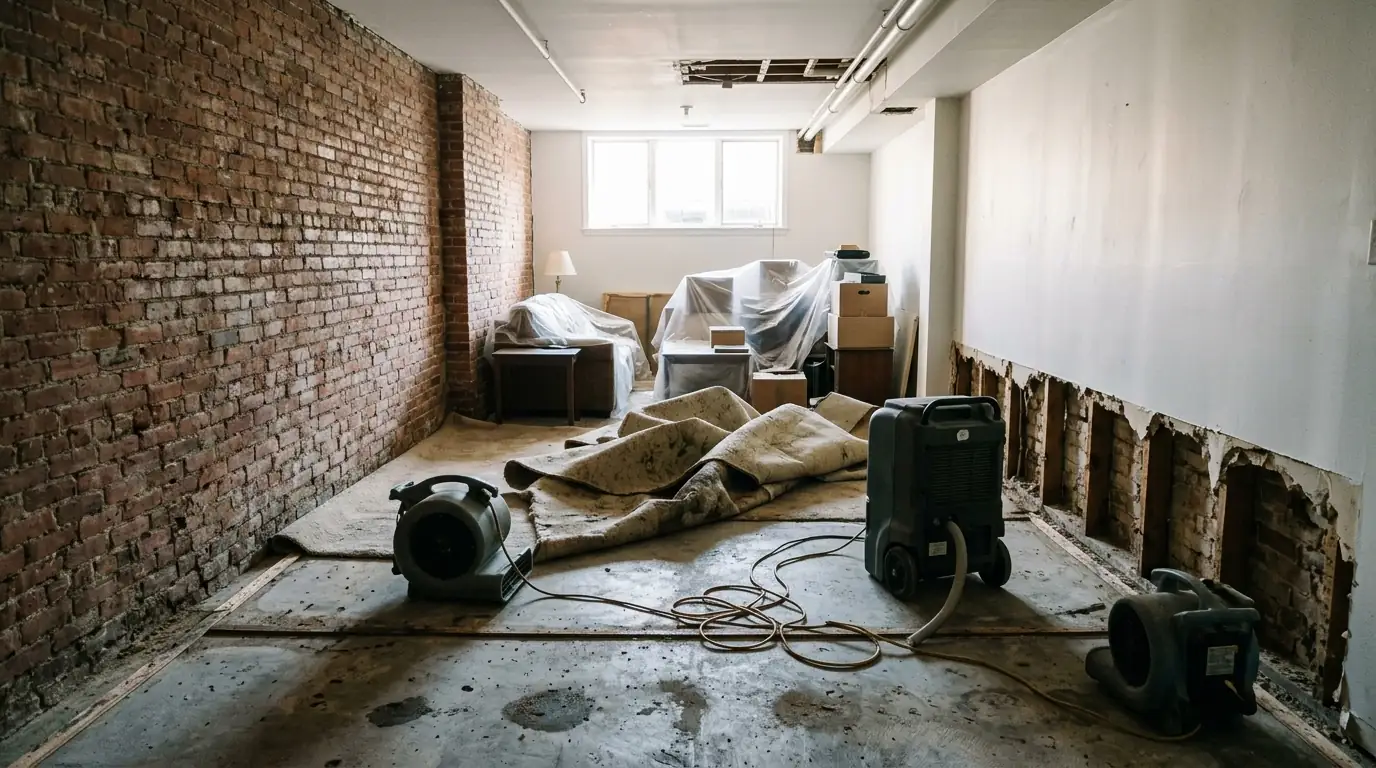
Capitol Hill lies inside the part of DC served by the old combined sewer system, where storm runoff and household sewage share the same pipes. During a hard July or August downpour those pipes can surcharge, and the lowest opening in the house is often the floor drain in the English basement. Water that rises through that drain is Category 3, meaning it carries sewage, so carpet and padding it touched have to be removed rather than dried. A backwater valve on the house sewer line is the most direct fix for repeat events.
Not every wet basement here is a sewer problem. Groundwater seeps through soft brick and stone foundation walls after long rainy stretches, rear areaway drains clog with debris, and flat roofs leak at the parapet flashing and send water down the party wall into a top-floor ceiling. January cold snaps add a fourth source: pipes inside the back wall of a kitchen addition freeze and split. Our first job on any call is to find which one it is, because the cleanup depends on the source. Our guide on telling sewer water from groundwater walks through the signs.
Typical calls we get from Capitol Hill
Floor drain backup in a rented English basement
After a cloudburst, dirty water rises through the floor drain and spreads under the carpet of a basement apartment. We extract it, remove the carpet and pad, disinfect the slab with an antimicrobial and dry the lower plaster before the tenant moves back in.
Parapet leak into a top-floor bedroom
Water slips past worn flashing at the front parapet and stains the plaster ceiling and the top of the party wall. We map the wet area with a meter, open only the sagging section, and dry the joist bay with an air mover and dehumidifier once the flashing is sealed.
Frozen line in a rear kitchen addition
A supply pipe inside the exterior wall of a one-story rear addition splits during a January freeze. We shut the water, extract the floor, cut out wet drywall low on the wall and dry the framing and subfloor before the base cabinets go back.
Musty odor in a converted basement unit
A tenant reports a musty smell and dark spots at the bottom of closet walls after a humid summer. We read moisture in the drywall and the brick behind it, set up containment, remove the affected material and size a dehumidifier for the unit.
How do we work on a historic block with street parking and a tenant downstairs?
Parking is the first puzzle. Most blocks have no alley wide enough for a truck, so we park on the street, run hoses and cords through the front door or the basement entrance, and cover the stoop and hallway floors. Older rowhouse wiring can be limited, so we check circuits before plugging in dehumidifiers and air movers. If a tenant lives in the English basement, we set access times with both of you and keep the equipment clear of their exits.
The Capitol Hill Historic District matters once drying ends and rebuilding starts. Interior work like new drywall, flooring and baseboard does not usually need design review, but street-facing exterior work, like replacing a basement door, front windows or a stairwell railing, generally go through DC's historic preservation review along with the permit. We plan the repairs after drying so the interior goes back first and any exterior piece follows that review. Wet plaster can often be patched with plaster rather than swapped for drywall, and we talk through that choice before anything is torn out.
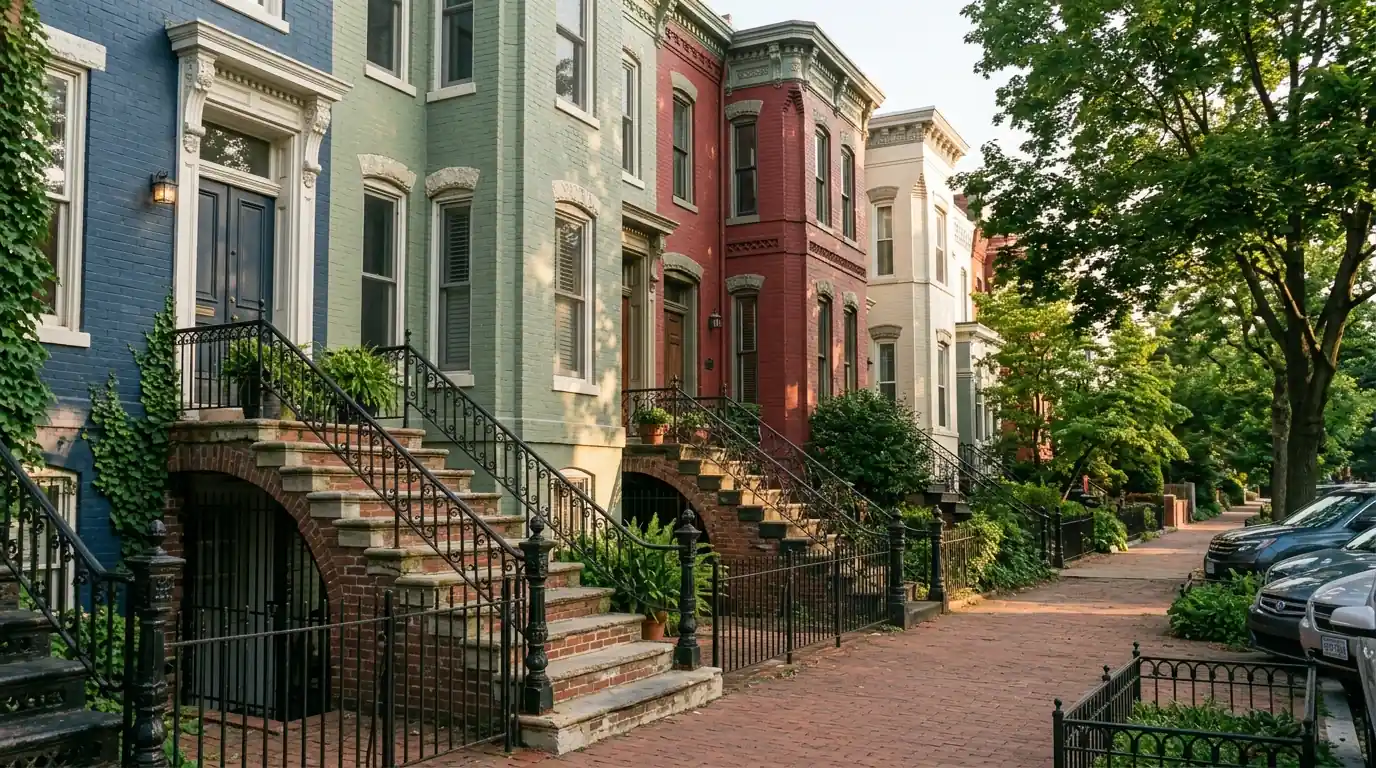
Typical homes in this part of the DC area
Nearby areas we also cover
Questions from Capitol Hill homeowners
Do I need historic district approval before you dry out my Capitol Hill basement?
Usually not. Emergency extraction, drying and interior cleanup do not go through design review. Historic preservation review generally applies to exterior changes visible from the street, so it comes up later if a damaged front door, window or stairwell railing has to be replaced. We keep the interior work separate from any exterior piece so the drying never waits on paperwork.
Will my homeowner's policy pay for water that came up through the basement floor drain?
It depends on the policy, so check your policy before assuming either way. Sudden and accidental pipe bursts are often covered, while sewer and drain backups usually need a separate endorsement and surface flooding often needs flood coverage. Call your carrier early. We record the source, daily moisture readings and dated photos, and our claim paperwork help covers what adjusters usually ask to see.
Can the plaster walls in an old rowhouse be dried instead of torn out?
Often, yes, when the water was clean and the plaster is still keyed tightly to the lath. Plaster tolerates wetting better than drywall, and we dry it in place with air movers, dehumidifiers and sometimes small holes at the base to vent the wall cavity. If the water carried sewage, or the plaster has pulled away from the lath, those sections come out and get rebuilt.
Water or mold trouble in Capitol Hill?
Call JEC Restoration any time. We answer 24/7 and talk through what you are seeing before anyone touches a wall.