Montgomery County, MD
Sump failure & flood cleanup in Rockville, MD 20850
Rockville's split-levels and ramblers depend on a sump pit to keep the lower level dry, and townhouses share walls with neighbors. When a pump fails or a pipe lets go, we extract, dry and rebuild.
Across Rockville, including Twinbrook, Woodley Gardens, College Gardens, the Rockville Pike corridor and the townhouse communities around King Farm, JEC Restoration takes calls about flooded lower levels, mold, fire and smoke damage, and sewage backups. Phone (202) 989-3053 whenever it happens; the line is answered 24/7, and we will tell you what to do first.
What makes a 1960s Rockville split-level flood from the bottom up?
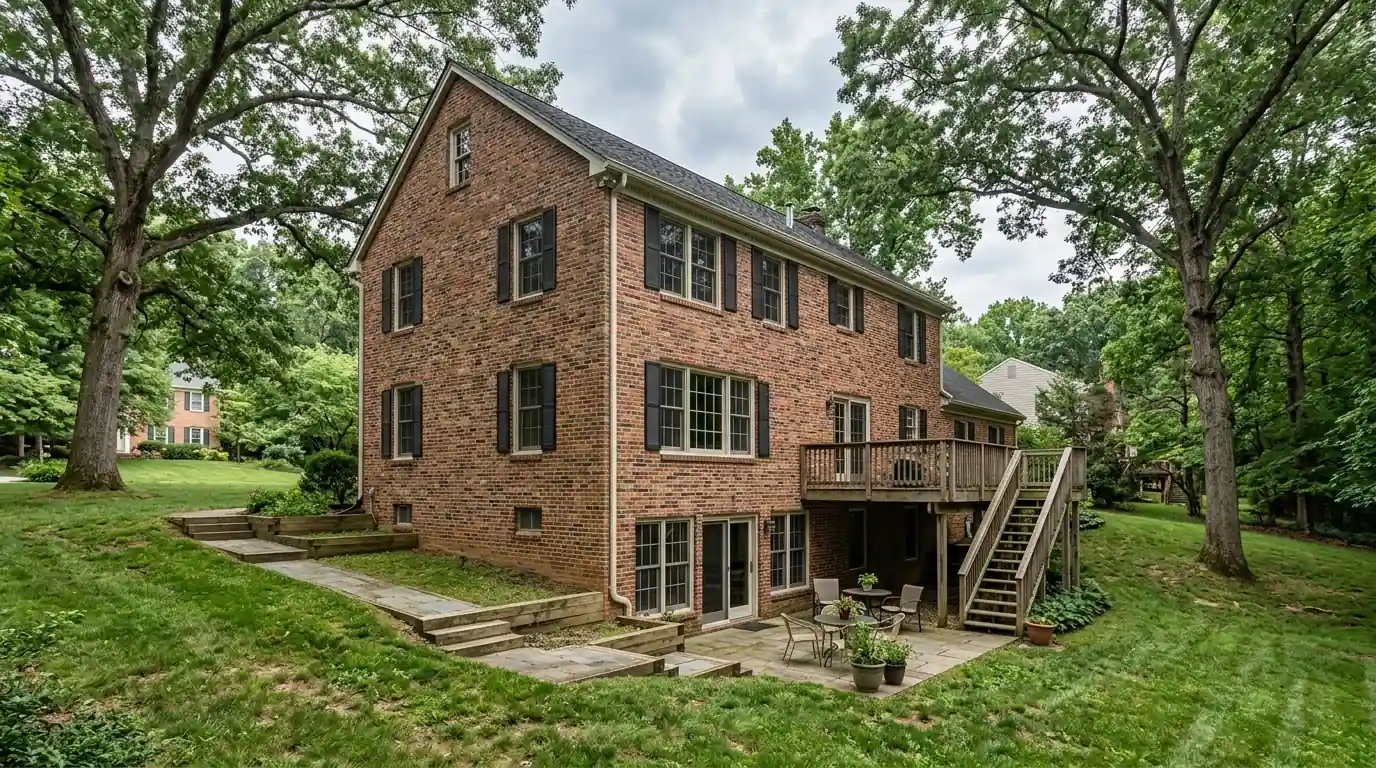
Rockville, centered on 20850, grew fast after World War II. Twinbrook filled with brick and frame ramblers, and the 1960s brought streets of split-levels and side-splits to Woodley Gardens, College Gardens and the neighborhoods west of the Pike. In a split-level, the lowest floor sits half below grade, usually holding a den, a laundry room and the furnace. Somewhere on that level there is a sump pit, often an original concrete or clay-tile pit with a pump that has been replaced several times.
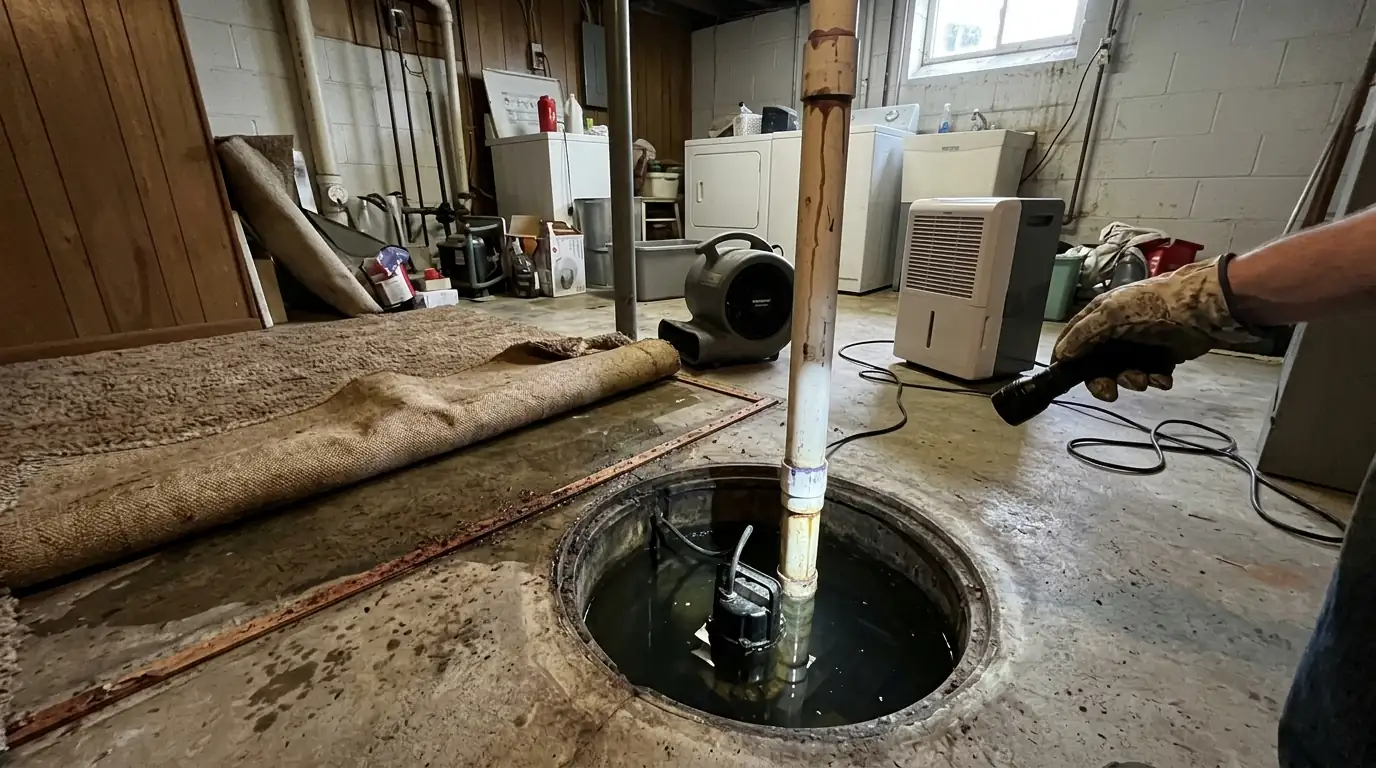
That pit is where most of our Rockville jobs begin. A pump runs fine for years, then the float sticks against the pit wall, the check valve fails and lets discharge water run back in, or a storm knocks out power just as the pit fills. A sump pit can overflow in less time than it takes to notice the pump is silent. Water spreads under the carpet pad and wicks up the bottom of the drywall, and in a side-split it can travel under the half-wall into the next room before anyone sees it.
Most-called services in Rockville
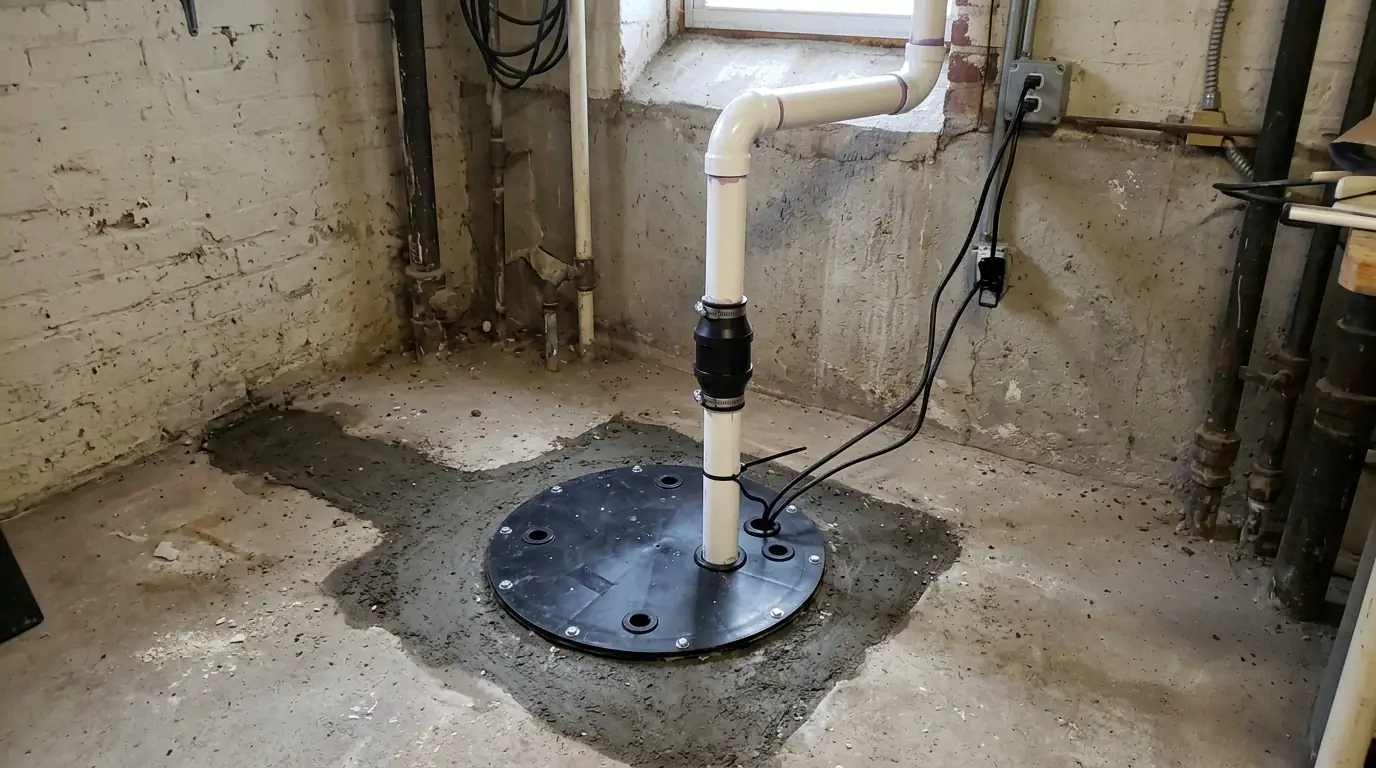
Sump Pump Installation
A sump pump sits in a lined pit at the low point of a basement and pumps out groundwater that collects there from under the slab or from a perimeter drain.
How we handle it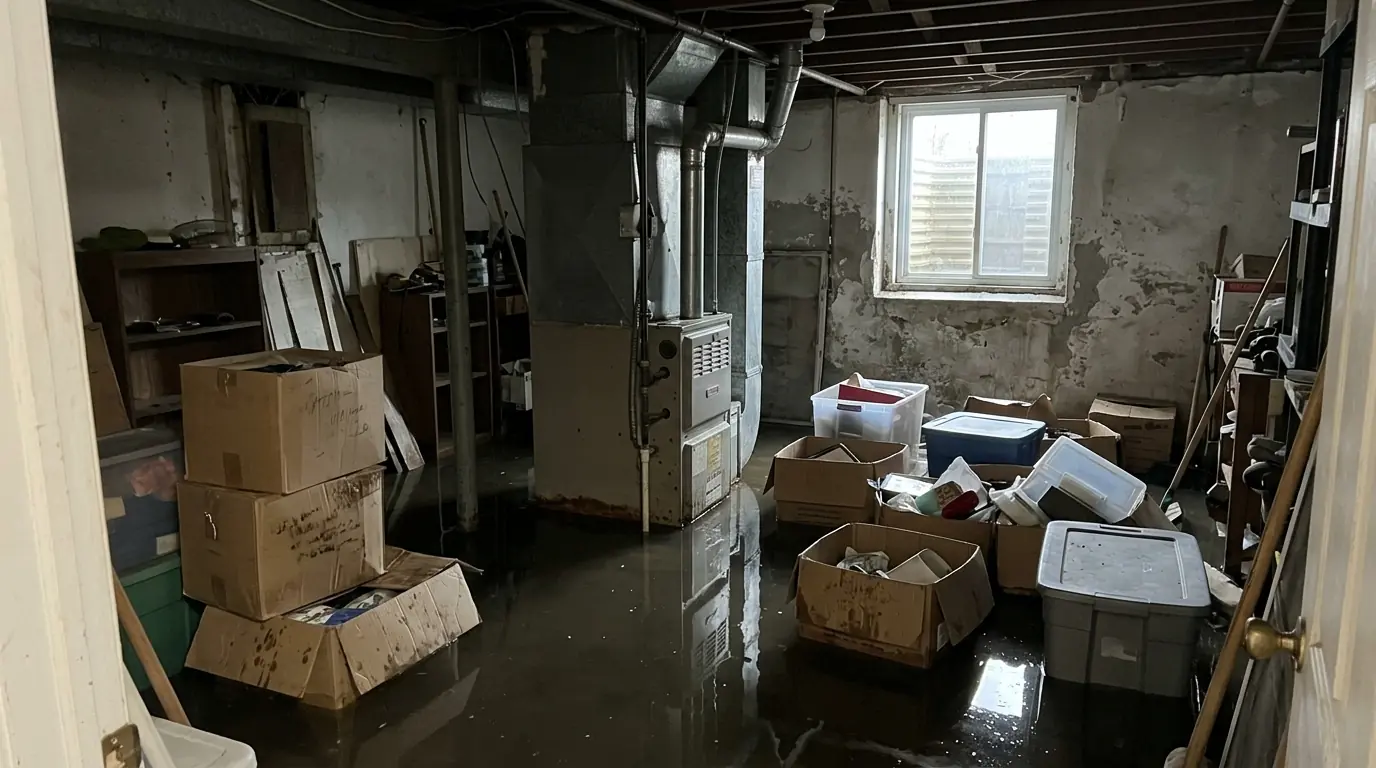
Flooded Basement Cleanup
Flooded basement cleanup removes water from a below-grade space, cleans and sanitizes what it touched, takes out finishes that cannot be saved, and dries the slab, walls and framing.
How we handle it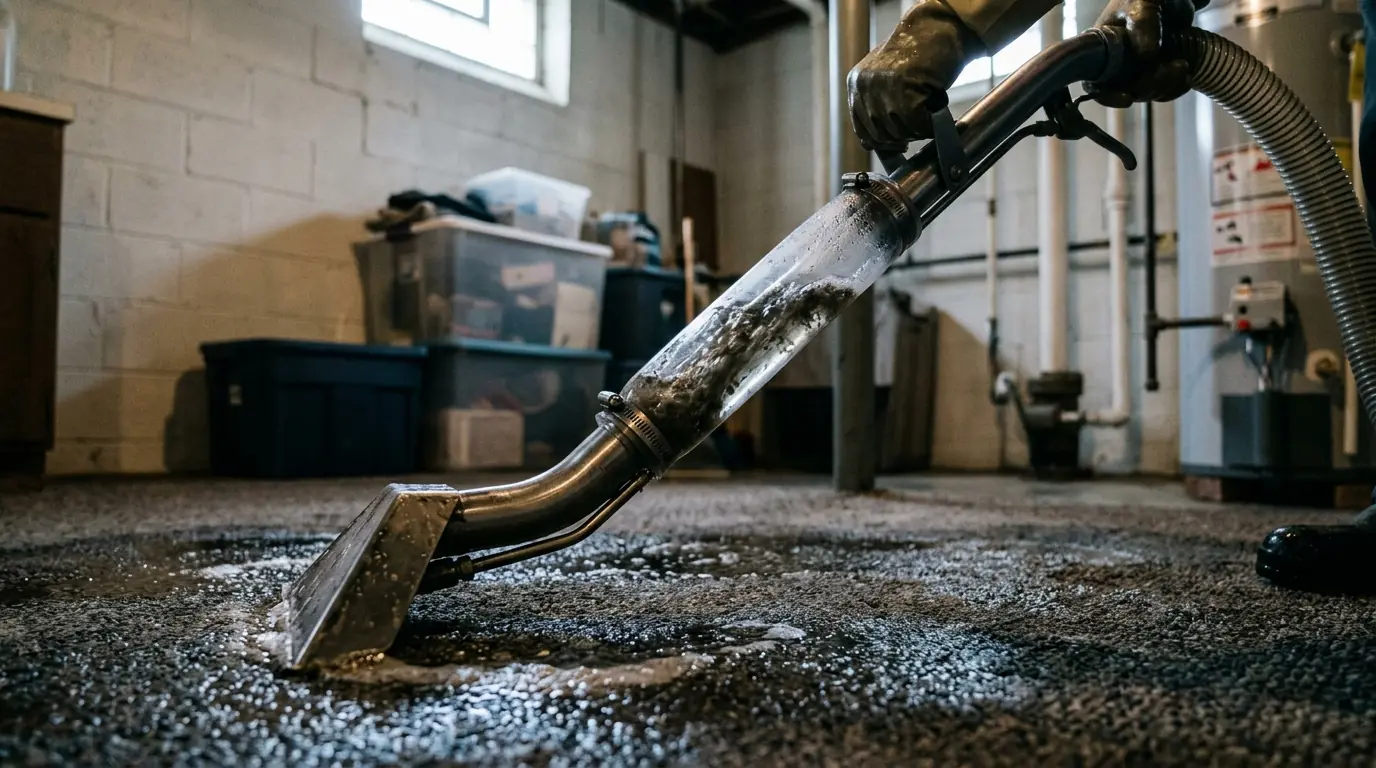
Emergency Water Removal
Emergency water removal is the first stage of a water job: shutting down the source, pumping out standing water, and extracting what has soaked into carpet, pad and hard floors before it moves into walls and subfloor.
How we handle it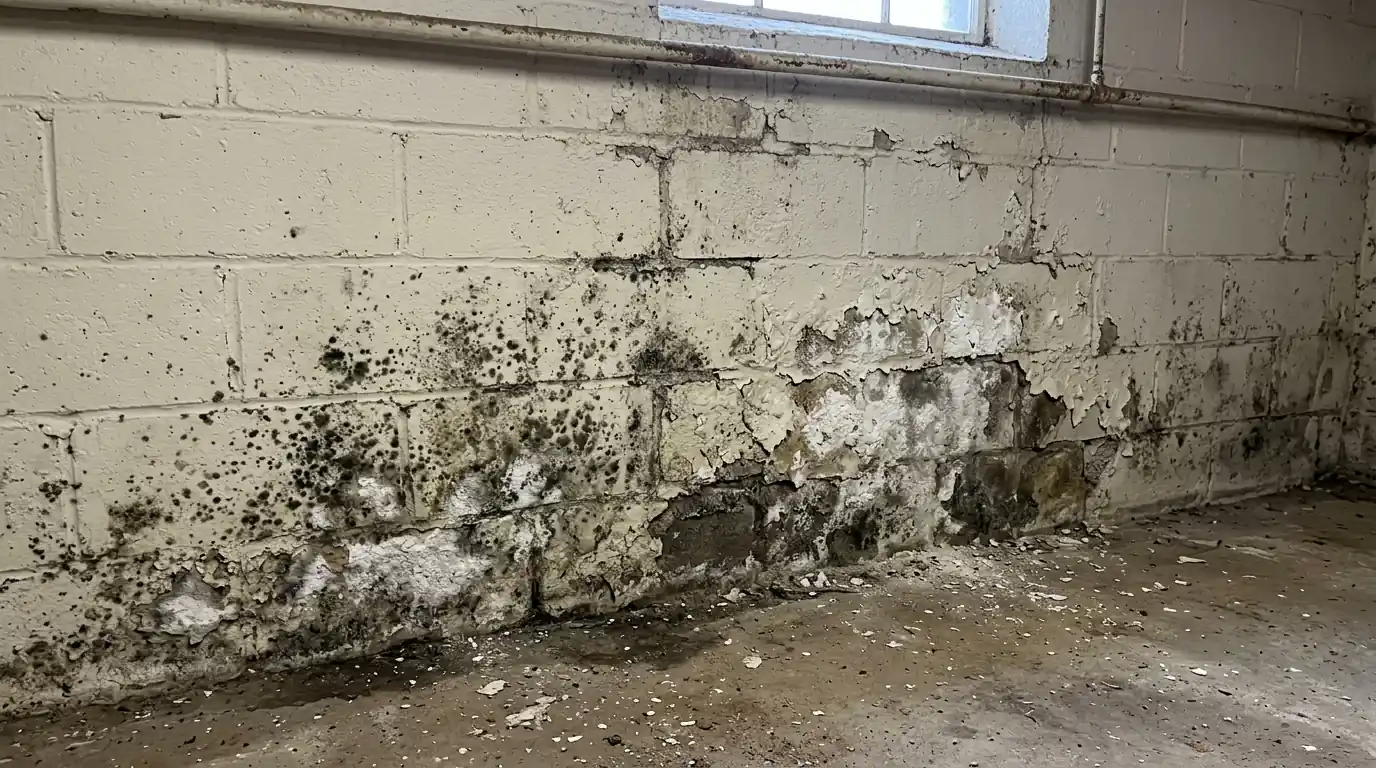
Basement Mold Removal
Basement mold removal cleans or removes growth on foundation walls, framing, finished drywall, carpet and stored contents below grade, then corrects the moisture that caused it.
How we handle it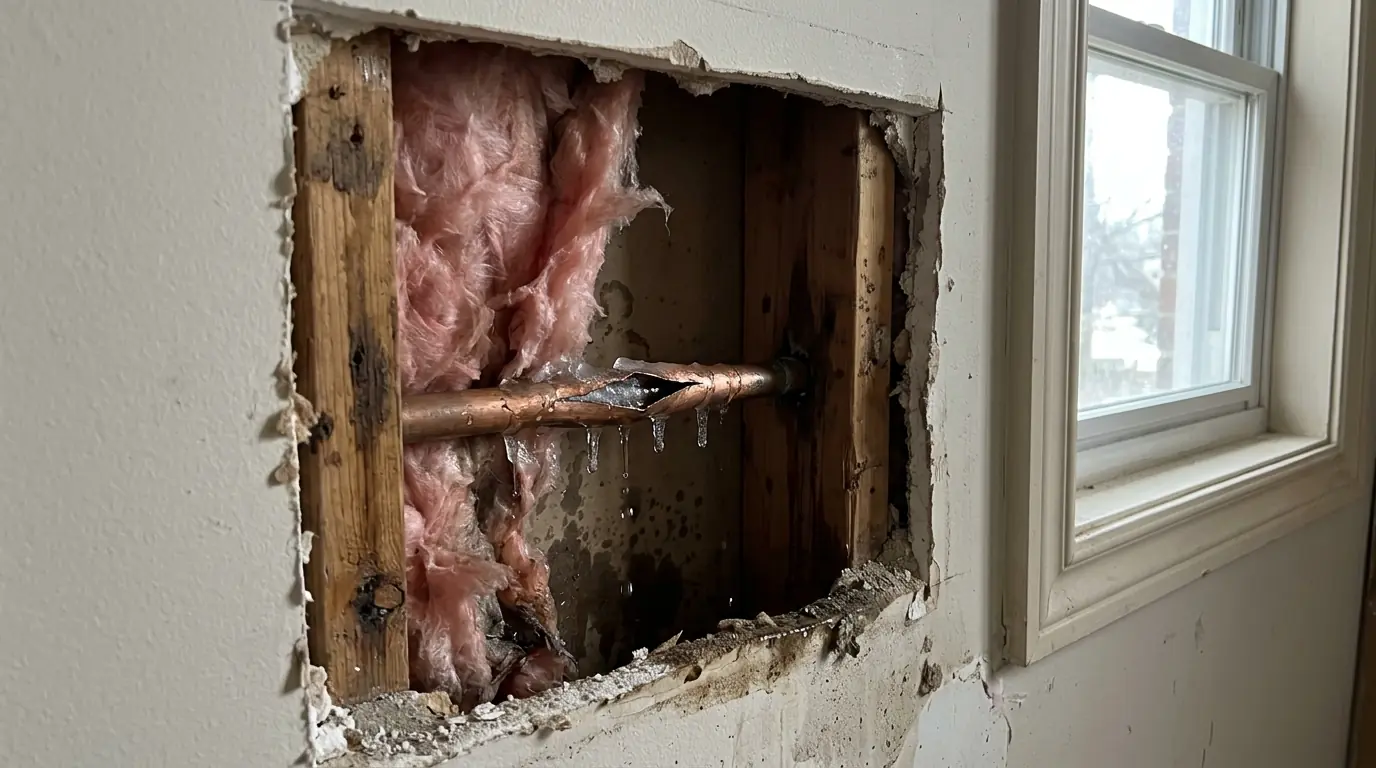
Burst Pipe Cleanup
Burst pipe cleanup deals with the water a split supply or heating line leaves inside walls, floors and ceilings: opening the wall at the break, extracting water, removing soaked insulation, and drying the cavities and the rooms below.
How we handle itWhere does the water come from around Rockville's creeks and clay soils?
Rock Creek runs along the eastern edge of the city through Rock Creek Regional Park and Lake Needwood, and Watts Branch drains much of the west side toward the Potomac. Homes on the lower ground near either stream deal with a higher water table, which keeps a sump pump cycling for days after a heavy rain. The soil in much of the area holds water rather than letting it drain quickly, so a long storm saturates the backfill around the foundation and puts steady pressure on the walls.
Inside the house, the usual suspects are a basement water heater past its service life, a washing machine supply hose, and a pipe that freezes and splits in an unheated garage ceiling or a crawl space under a family room addition. Townhouses and condos near Rockville Town Square and along Rockville Pike add another source: the neighbor. A leak in an upstairs bathroom or a shared wall can wet two homes at once.
Typical calls we get from Rockville
Stuck float in a split-level sump pit
During a long summer storm the pump's float catches on the pit liner and the lower-level den floods a few inches deep. We extract the water, cut out wet drywall and pad, and dry the slab and walls while the pump is replaced and tested.
Water heater failure next to the furnace room
An aging tank splits at the seam in a Twinbrook rambler basement, and water reaches the finished rec room through a wall gap. We pump out the standing water, strip the soaked pad and fiberglass insulation, and dry the framing behind the drywall until readings come back to normal.
Frozen pipe over a townhouse garage
A supply line in the garage ceiling of an end-unit townhouse freezes and splits in January, soaking the drywall and the family room above. We open the ceiling, dry the joist bays, and document the damage for the owner and the association.
Mold in a lower level that never fully dried
A small leak was mopped up months earlier, but the den now smells musty. We find mold on the back of the drywall and the bottom plate, set containment with negative air pressure, remove the affected materials, and HEPA vacuum before rebuilding.
How does a cleanup work in a Rockville townhouse community or condo?
Townhouse communities here usually have numbered parking and HOA rules about trailers, dumpsters and work hours, so we confirm those before we tear out wet materials. In stacked townhouses and the condo buildings near the Metro stations, we take readings in each affected unit and share a moisture map with the owners and the association, since responsibility often splits along the walls and ceilings. Check your policy, and your HOA documents, before assuming who covers what.
For a single-family split-level, the work is direct: pump and extract the standing water, pull wet pad and the lower section of drywall, and set dehumidifiers and air movers on the lower level. We log moisture every day until the framing and slab match dry reference readings. If the pump caused the flood, we can install a new pump with a battery backup and a proper check valve before we leave. Depending on your street, either the City of Rockville or WSSC Water handles the public sewer, which matters if a floor drain backs up.
Typical homes in this part of the DC area
Nearby areas we also cover
Questions from Rockville homeowners
How often should a Rockville homeowner test the sump pump?
Check it before spring rains and again before the summer storm season. Pour a bucket of water into the pit and watch the float rise and the pump start, then confirm the water leaves through the discharge line and does not flow back. Listen for grinding or rattling. A battery backup and a high-water alarm cost little compared with drying out a finished lower level.
My Rockville townhouse got wet from the neighbor's leak. Who handles the cleanup?
Usually each owner's side is handled under their own policy, with the association involved for common elements, but it depends on your HOA documents and policies, so check your policy. Do not wait to start drying while that is sorted out. We document moisture readings and photos in your unit, which helps everyone see where the water went and how far it spread.
Can wet carpet in a Rockville lower level be saved after a sump overflow?
Groundwater from a sump pit is often treated as Category 2 because it picks up soil and debris on the way. The pad usually has to go, since it acts like a sponge and is cheap to replace. Carpet can sometimes be cleaned, dried and relaid if we get to it quickly and it has not delaminated. If the water sat for days, replacing it is usually the safer call.
Water or mold trouble in Rockville?
Call JEC Restoration any time. We answer 24/7 and talk through what you are seeing before anyone touches a wall.