Washington, DC neighborhoods
Water, sewage & mold cleanup across Washington, DC neighborhoods
Water gets into DC homes in a handful of familiar ways: an English basement drain, a condo unit upstairs, a frozen pipe in a rear addition, a summer storm. We extract it, dry the structure and clean up mold, sewage and smoke.
JEC Restoration handles water damage, mold remediation, sewage backups and fire and smoke cleanup across Washington, DC, in rowhouses, condos, detached houses and apartment buildings in all four quadrants. Our DC office is in upper Northwest near Tenleytown and our headquarters is in Landover, MD. The phone is answered 24/7: call (202) 989-3053.
How do DC's different kinds of houses fail when water gets in?
The city is split into four quadrants that meet at the Capitol, and each holds a different mix of housing. Northwest and the older parts of Northeast and Southeast are dominated by brick rowhouses built from the late 1800s through the 1940s. Most were built with an English basement, a lower level a few steps down from the street with a separate entrance tucked beneath the stoop, and a lot of those spaces are rented out today. Plaster on wood lath, brick party walls shared with a neighbor, flat roofs behind parapets and cast-iron drain lines under the slab are standard. Water in these houses usually starts low, at a floor drain or a rear areaway, or high, at a parapet, and both paths end in the basement.
Condo and apartment buildings make up a large share of the city, from converted rowhouses split into two or three units to large prewar co-ops and the newer towers around Navy Yard and NoMa. In those buildings the most common call is a leak from the unit above, and the cleanup involves more than one owner. Upper Northwest and parts of Northeast have detached houses from the 1910s to the 1950s, including colonials, Tudors, foursquares and bungalows, often with full basements, radiators and older galvanized plumbing. East of the Anacostia, garden apartments, duplexes and postwar rowhouses share drain stacks and building sewer lines, so one blockage can affect several households at once.
Most-called services in Washington, DC
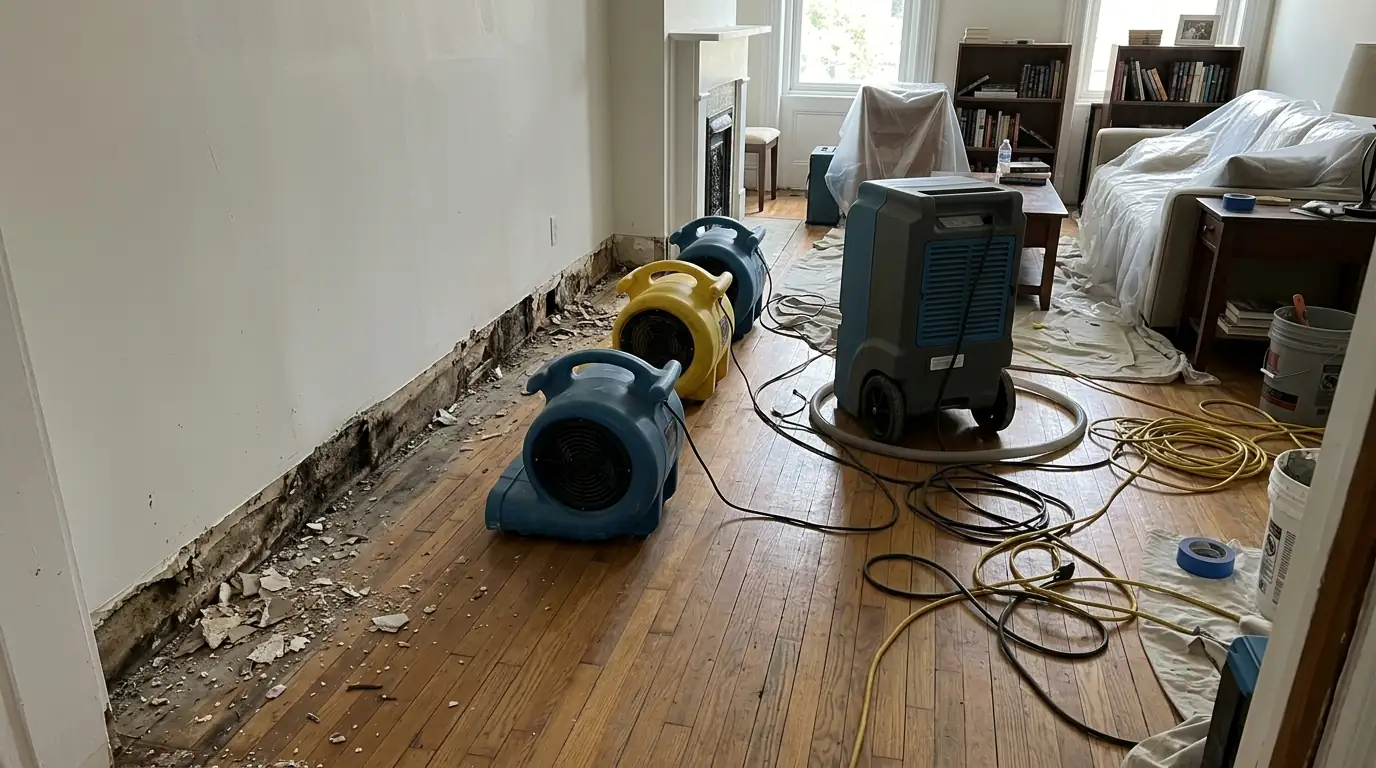
Water Damage Restoration
Water damage restoration is the full sequence after a leak or flood: stopping the source, extracting standing water, removing materials that cannot be saved, drying walls and floors with dehumidifiers and air movers, and logging moisture readings until they reach a dry standard.
How we handle it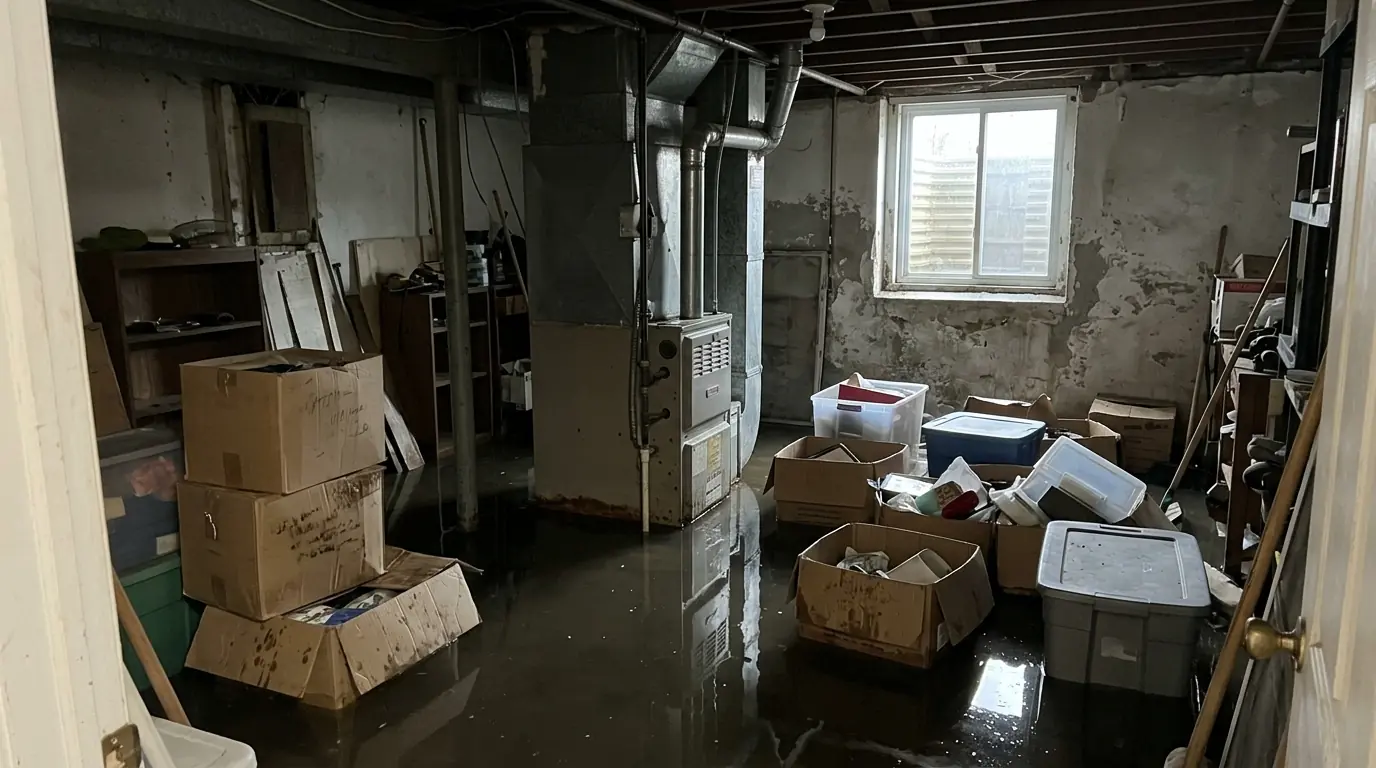
Flooded Basement Cleanup
Flooded basement cleanup removes water from a below-grade space, cleans and sanitizes what it touched, takes out finishes that cannot be saved, and dries the slab, walls and framing.
How we handle it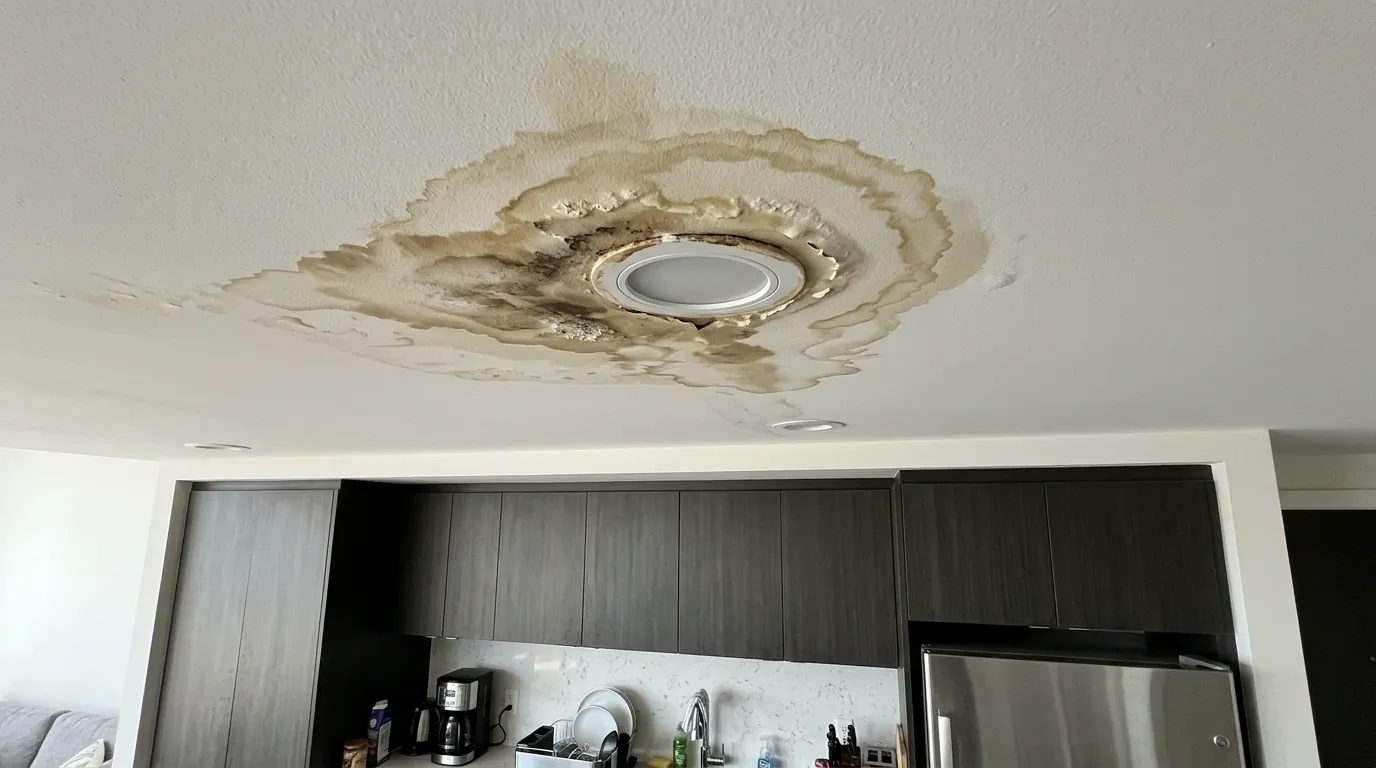
Condo Water Damage
Condo water damage work covers leaks that cross unit lines: water from the unit above, a failed riser, a shared wall or a roof over the top floor.
How we handle it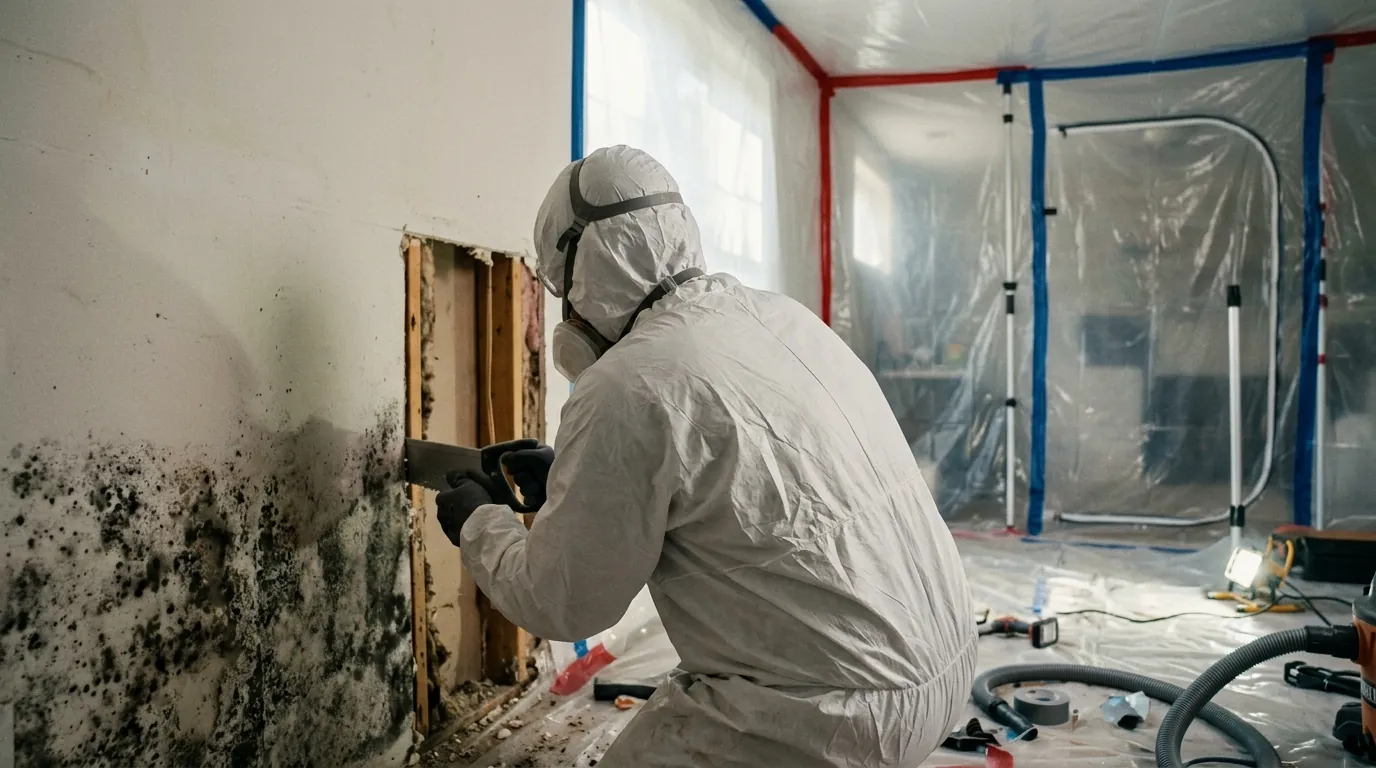
Mold Remediation
Mold remediation is the controlled removal of mold growth from a building.
How we handle it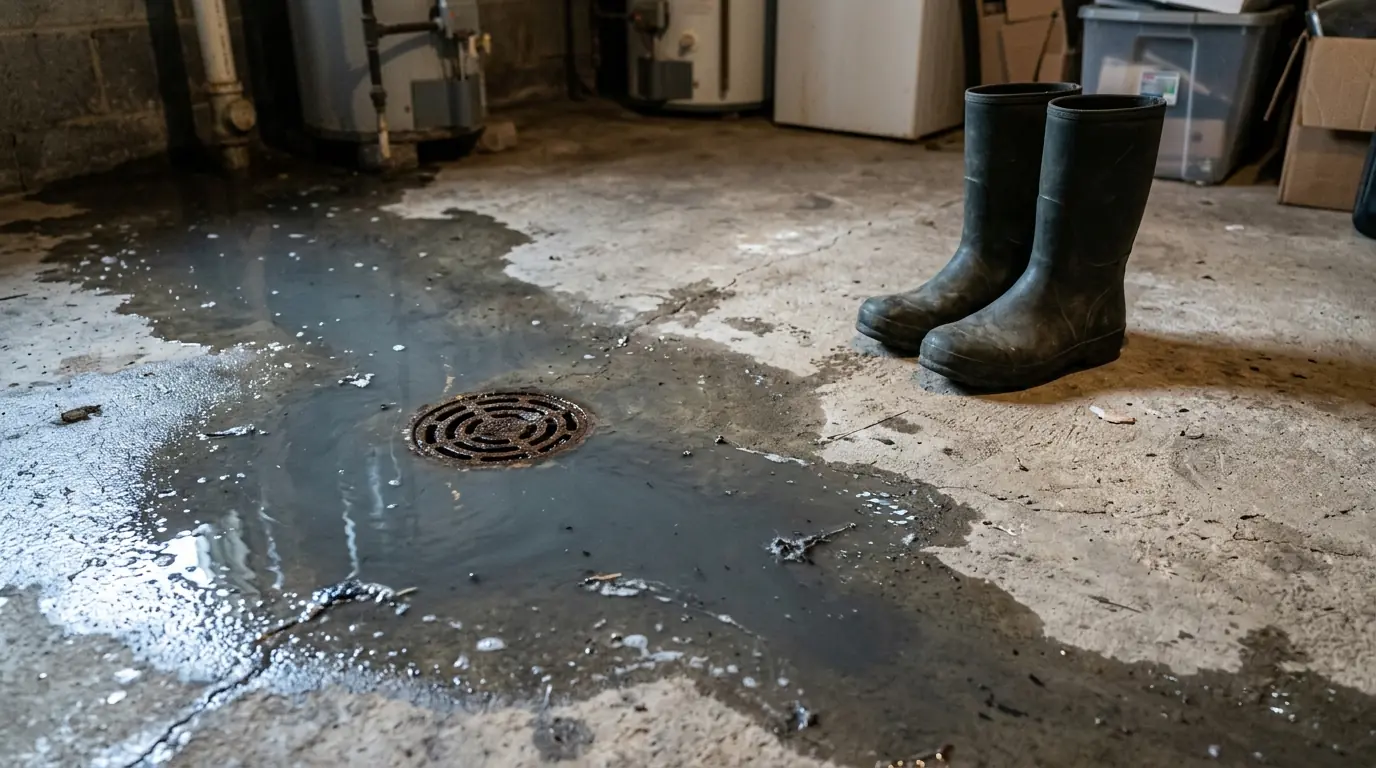
Sewage Backup Cleanup
Sewage backup cleanup is the removal of wastewater and the porous materials it soaked, followed by cleaning, disinfection and drying of the affected area.
How we handle itWhy does a DC summer storm push water up through basement floor drains?
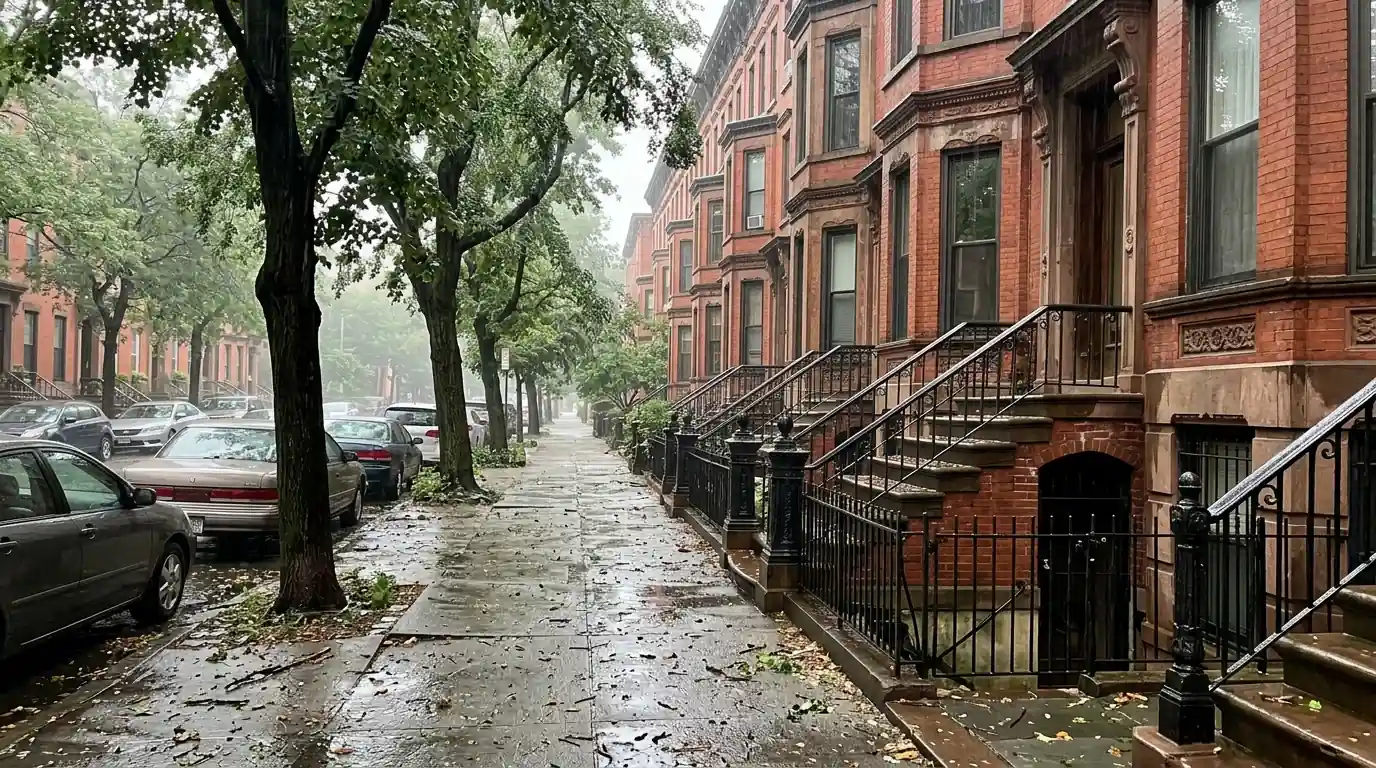
Roughly a third of the city, mostly the older central neighborhoods, is served by a combined sewer system where rainwater and household sewage flow through the same pipes. When a July thunderstorm drops a lot of rain in a short time, those pipes can fill, and the lowest opening in a house, often a basement floor drain, is where the overflow shows up. DC Water has built large storage tunnels to reduce overflows into the rivers, but a house's own sewer lateral and drain still matter. Water that comes up a floor drain is treated as Category 3 because it may carry sewage. A backwater valve installed by a plumber is the standard fix for repeat backups. If you are not sure which kind of water you have, this explainer on drain backups and seepage lays out the differences.
The rivers and creeks shape the rest. The Potomac runs along the west and south, the Anacostia cuts through the eastern half, and Rock Creek runs down the middle of Northwest through its park. Smaller streams like Watts Branch near Deanwood and Oxon Run below Congress Heights collect runoff from the surrounding hills. Most basement water, though, is not river flooding: it is groundwater seeping through old foundation walls after long wet stretches, runoff from sloped lots, clogged stairwell and areaway drains, and gutters packed with leaves.
The seasons add their own problems. Summers are hot and humid from about June through September, which keeps basement relative humidity high and leads to musty odors and mold on stored items, carpet and the bottoms of drywall. Winters are milder than farther north, but cold snaps in January and February freeze pipes in exterior walls, unheated rear additions, crawl spaces and outdoor hose bibs, and the leak usually appears when the pipe thaws.
Typical calls we get from Washington, DC
Stairwell drain overflow in an English basement
The drain at the foot of the basement entry steps is packed with leaves, so storm water rises in the stairwell and runs in at the threshold. We extract, pull wet carpet, and dry the plaster and brick with air movers and dehumidifiers.
Leak from a condo above in a converted rowhouse
A toilet supply line fails in a second-floor unit and water comes through the ceiling of the unit below. We dry both units, open only the ceiling sections readings show are wet, and keep a separate log for each owner.
Burst pipe in a rear kitchen addition
A pipe in the exterior wall of a rear addition freezes during a cold snap and splits when it thaws. We shut off the water, extract, cut out the lower drywall and dry the framing and subfloor before cabinets go back.
Musty basement after a humid summer
A basement smells musty by September, and growth appears on stored boxes and the base of drywall. We measure moisture, contain and remove affected material, HEPA vacuum and recommend a properly sized dehumidifier.
How does a cleanup work in a city of rowhouses, condo boards and tight parking?
Our DC office sits in upper Northwest near Tenleytown, American University Park and Spring Valley, and our headquarters is in Landover, MD, just east of the DC line in Prince George's County. Between the two we reach every quadrant. On rowhouse blocks we usually park on the street, run hoses through the front or basement door, protect stairs and hallways, and check the circuits before plugging in drying equipment, because older houses often have limited wiring. In Capitol Hill and other historic districts, interior drying and repairs move ahead normally, while exterior replacements visible from the street generally go through preservation review.
Condo and apartment work adds building rules: reserved service elevators, loading dock access, set work hours and notice to management. We keep a separate moisture log and photo record for each affected unit, so owners, associations and their adjusters can each see what happened in their space. If an English basement is rented, we plan access with both the owner and the tenant. In detached houses in places like Tenleytown or Chevy Chase, the work looks more like a suburban basement job, with driveways, sump pits and finished family rooms.
Insurance questions come up on nearly every call. A pipe that bursts without warning is often covered; a leak that dripped for months, outside floodwater and backups from a drain often fall under separate coverage or a rider. Check your policy and let your insurer know soon. Whatever the answer, our technicians keep a daily file of readings and dated photos showing where the water came from and how far it went.
DC neighborhoods with their own pages
- Capitol Hill 20003
- Navy Yard 20003
- Anacostia 20020
- Hillcrest 20020
- Congress Heights 20032
- Deanwood 20019
- Brookland 20017
- Bloomingdale 20001
- Shaw 20001
- Georgetown 20007
- Petworth 20011
- Brightwood 20011
- Shepherd Park 20012
- Columbia Heights 20010
- Mount Pleasant 20010
- Adams Morgan 20009
- Dupont Circle 20036
- Cleveland Park 20008
- Tenleytown 20016
- Spring Valley 20016
- AU Park 20016
- Chevy Chase DC 20015
- Palisades 20016
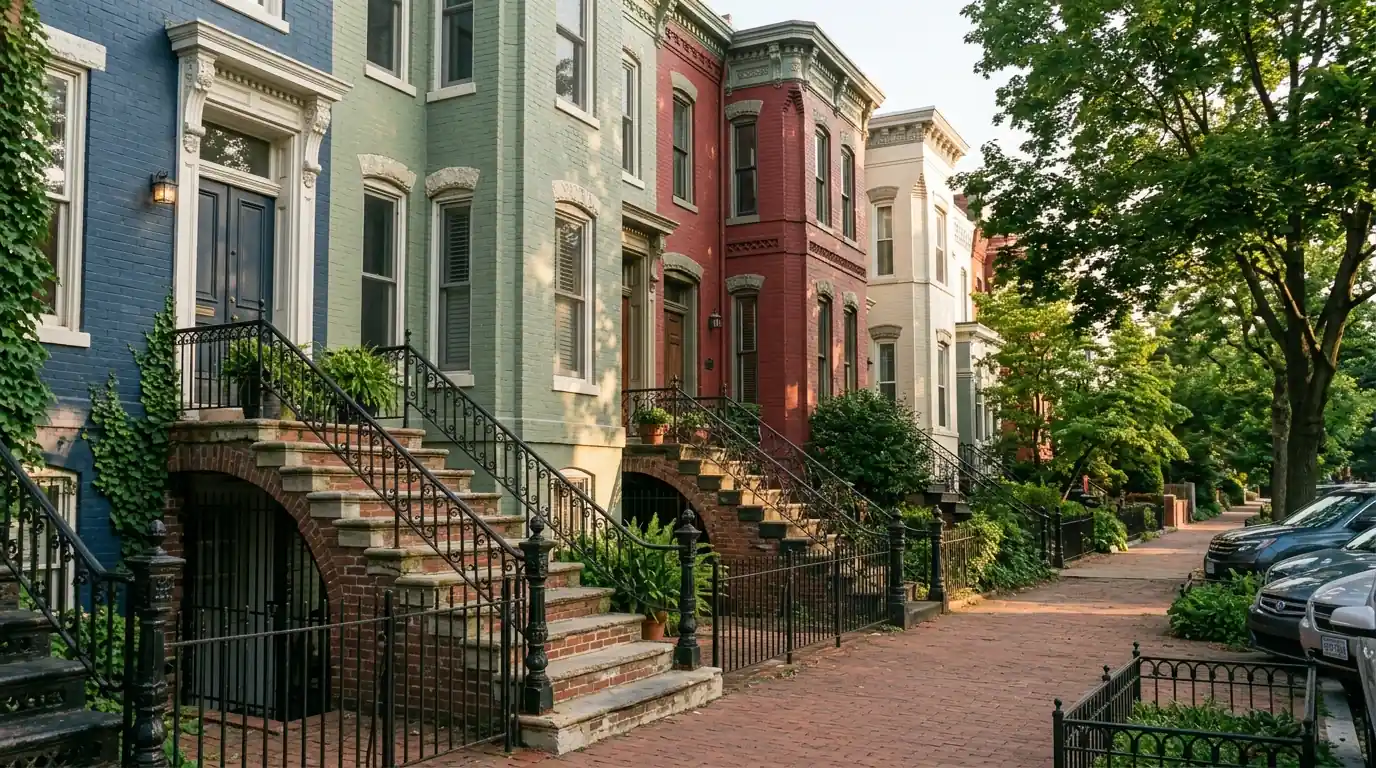
Typical homes in this part of the DC area
Questions from Washington, DC homeowners
Which parts of Washington, DC does JEC Restoration cover?
All four quadrants. That includes rowhouse neighborhoods like Capitol Hill, Petworth and Shaw, detached-house areas in upper Northwest such as Tenleytown, Cleveland Park and the Palisades, the condo towers along the Anacostia waterfront, and neighborhoods east of the river including Anacostia, Hillcrest, Congress Heights and Deanwood. We also serve the nearby Maryland and Virginia suburbs.
Is water coming up through my DC basement floor drain a plumbing problem or a city sewer problem?
It can be either. In the combined sewer area, heavy rain can surcharge the system and push water back into the lowest drain. A blocked or broken house lateral causes the same symptom even in dry weather. If backups happen only during storms, a backwater valve is the usual answer. If they happen anytime, a plumber's camera inspection of your lateral is the place to start.
Should I run my own dehumidifier after a small basement leak in DC?
It helps, but it is not always enough. A household dehumidifier can handle normal summer humidity, but wet plaster, brick and subfloor hold much more water than the air does. If materials still read wet with a meter after a couple of days, or you smell mustiness, professional drying equipment and moisture readings will tell you whether the walls and floor are actually dry.
Water or mold trouble in Washington, DC?
Call JEC Restoration any time. We answer 24/7 and talk through what you are seeing before anyone touches a wall.