Montgomery County, MD
Water damage & leak cleanup in Gaithersburg, MD 20878
Gaithersburg mixes 1970s and 1980s townhouses, some on slabs and some over basements, with the newer streets of Kentlands and Lakelands. Leaks behave differently in each, and we dry and repair both.
If a pipe, appliance or storm has soaked your Gaithersburg home, including Kentlands, Lakelands, Olde Towne and the townhouse sections along Muddy Branch, JEC Restoration handles the drying, mold removal, smoke cleanup and sewage work. We dispatch from our Landover headquarters. Call (202) 989-3053, which is answered 24/7, and we will talk you through the first steps.
How do Gaithersburg's slab townhouses and Kentlands homes fail differently?
Gaithersburg grew in layers. Olde Towne, near the railroad and the historic train station, still has frame houses from the early 1900s. The 1970s and 1980s brought large townhouse and single-family subdivisions, and some of those homes sit on concrete slabs while others have full or partial basements. Then Kentlands, and later Lakelands next door, both in 20878, introduced the neotraditional plan: front porches close to the sidewalk, rear alleys, detached garages, and in some cases small apartments above those garages.
On a slab, there is no basement to collect water, so a leak spreads sideways. A failed water heater or a dishwasher hose wets vinyl plank, laminate or carpet across the whole first floor and wicks up every wall it touches. Over a basement, the same leak drops through the subfloor into a finished ceiling below. Kentlands and Lakelands homes add long runs of plumbing to garage apartments and upstairs laundry rooms, which is where many of the slow leaks we find there begin.
Most-called services in Gaithersburg
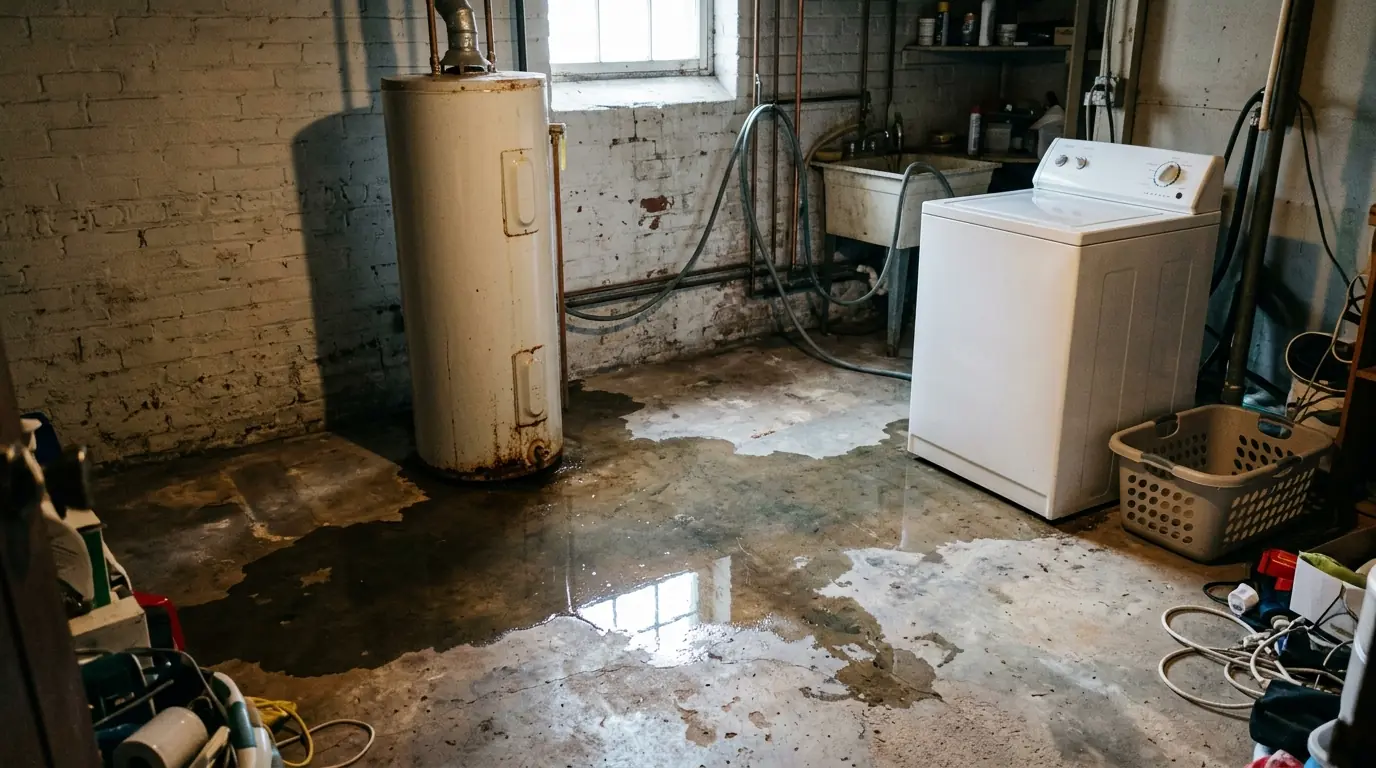
Appliance Leak Cleanup
Appliance leak cleanup is the extraction, drying and cleanup that follows water escaping from a water heater, washing machine, dishwasher, refrigerator ice maker or air conditioner condensate line.
How we handle it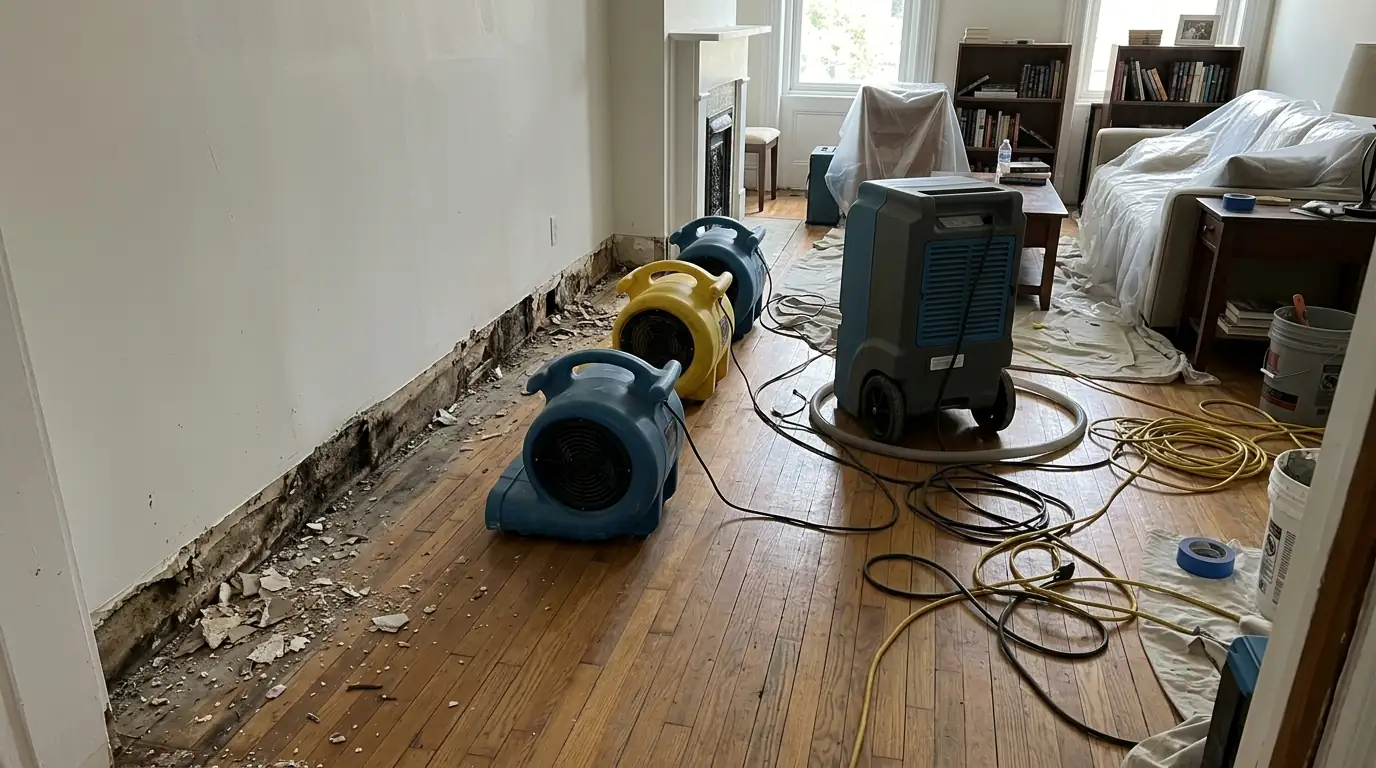
Water Damage Restoration
Water damage restoration is the full sequence after a leak or flood: stopping the source, extracting standing water, removing materials that cannot be saved, drying walls and floors with dehumidifiers and air movers, and logging moisture readings until they reach a dry standard.
How we handle it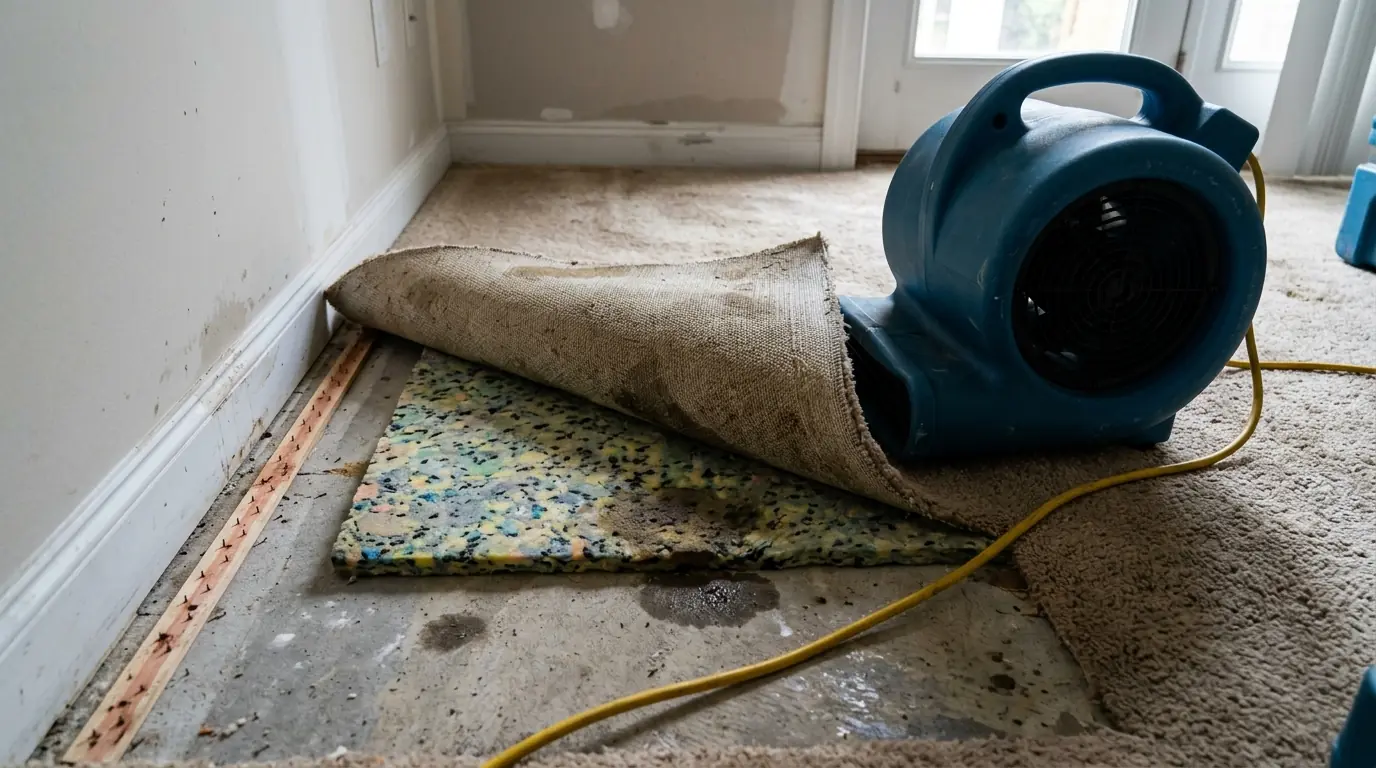
Wet Carpet Drying
Wet carpet drying is the extraction and controlled drying of carpet, pad and the subfloor beneath them after a leak or flood.
How we handle it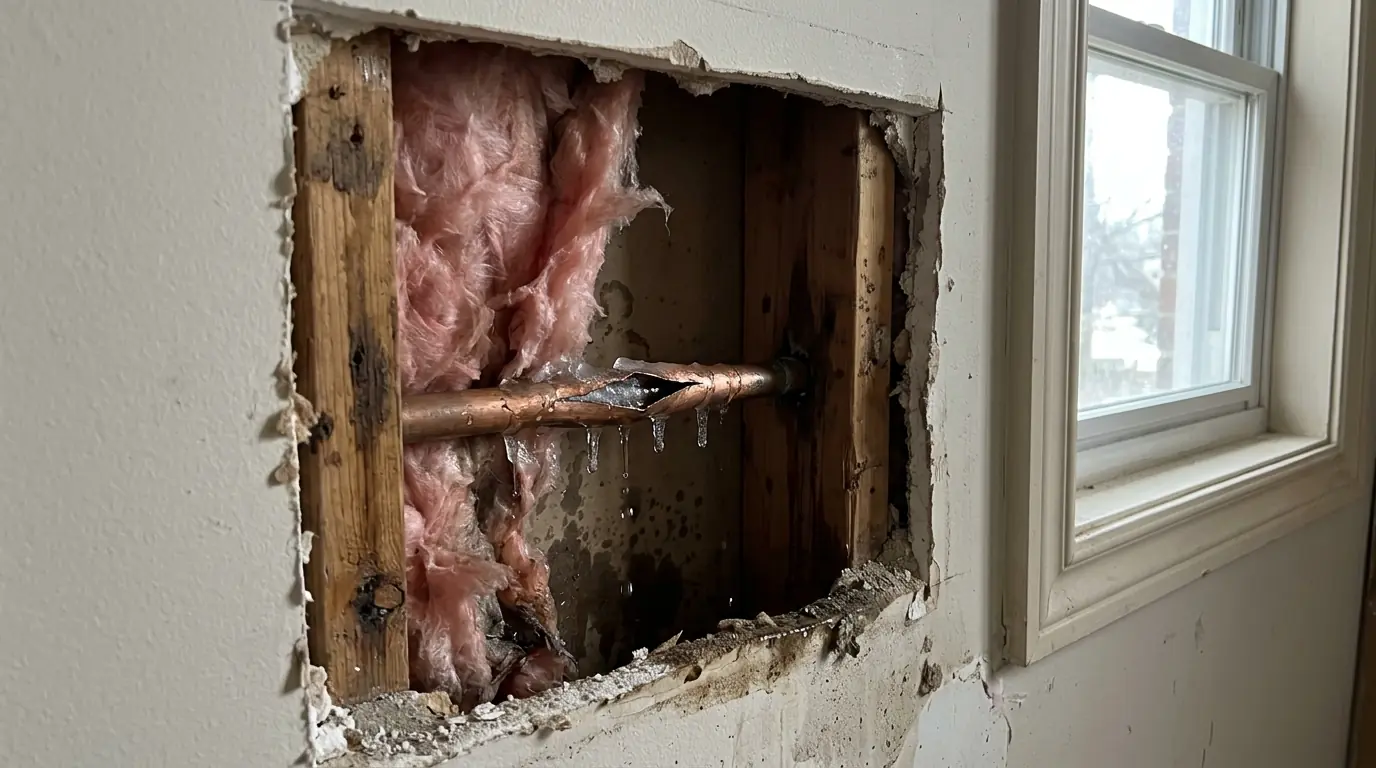
Burst Pipe Cleanup
Burst pipe cleanup deals with the water a split supply or heating line leaves inside walls, floors and ceilings: opening the wall at the break, extracting water, removing soaked insulation, and drying the cavities and the rooms below.
How we handle it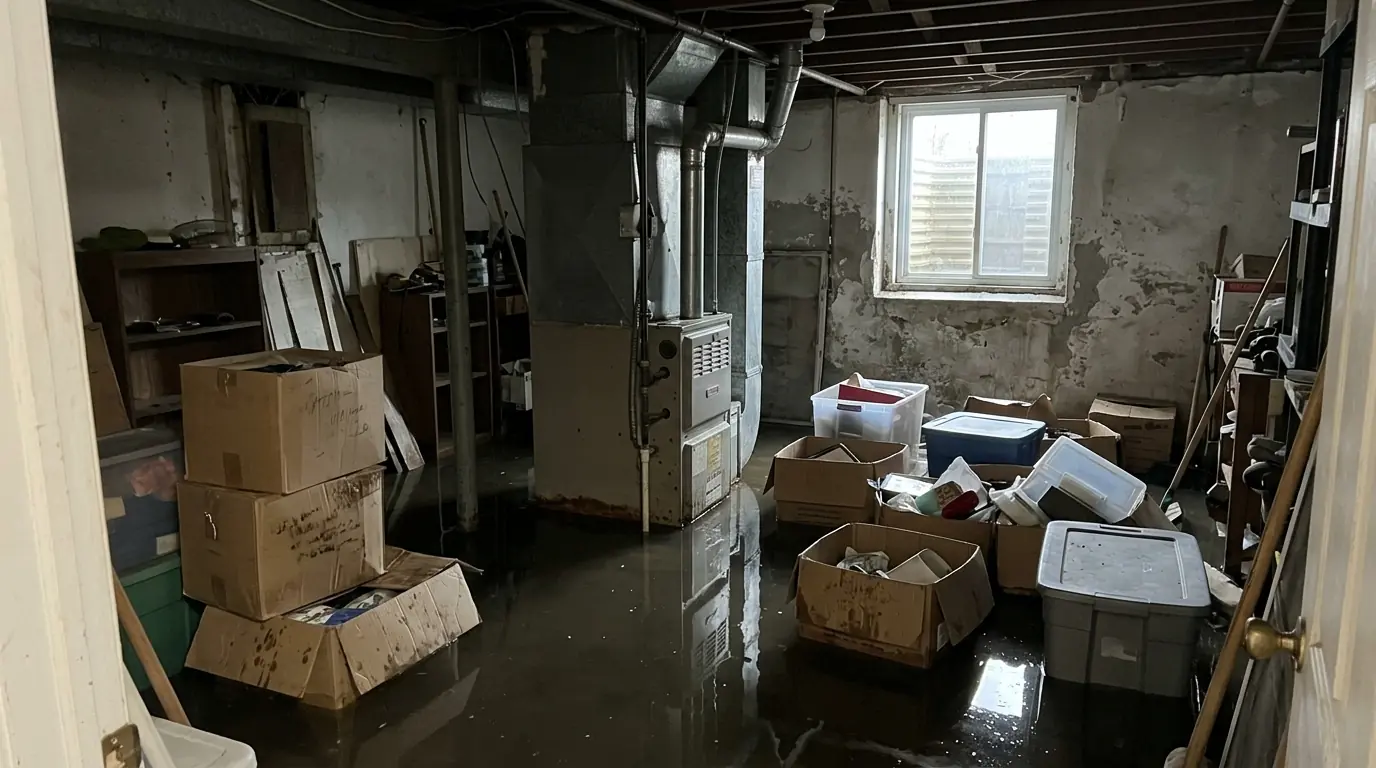
Flooded Basement Cleanup
Flooded basement cleanup removes water from a below-grade space, cleans and sanitizes what it touched, takes out finishes that cannot be saved, and dries the slab, walls and framing.
How we handle itWhat role do Muddy Branch, Seneca Creek and summer storms play?
Muddy Branch runs along the western side of the city, and Great Seneca Creek winds through Seneca Creek State Park just past its northern edge. Homes backing onto those stream valleys, or onto the storm water ponds that many 1980s subdivisions were built around, see wetter yards and higher groundwater after long rains. Basements in those spots rely on sump pumps that may run for days at a stretch.
Summer thunderstorms bring flash runoff off roofs, driveways and alleys faster than gutters and drains can carry it. In the alley-loaded neighborhoods, water can run toward a rear garage or a basement entrance rather than toward the street. Winter cold snaps cause the other big category of calls: hose bibs that were not shut off, and supply lines in exterior walls of upstairs laundry rooms or in garage apartments that sit empty and unheated over a holiday.
Typical calls we get from Gaithersburg
Water heater leak across a slab townhouse
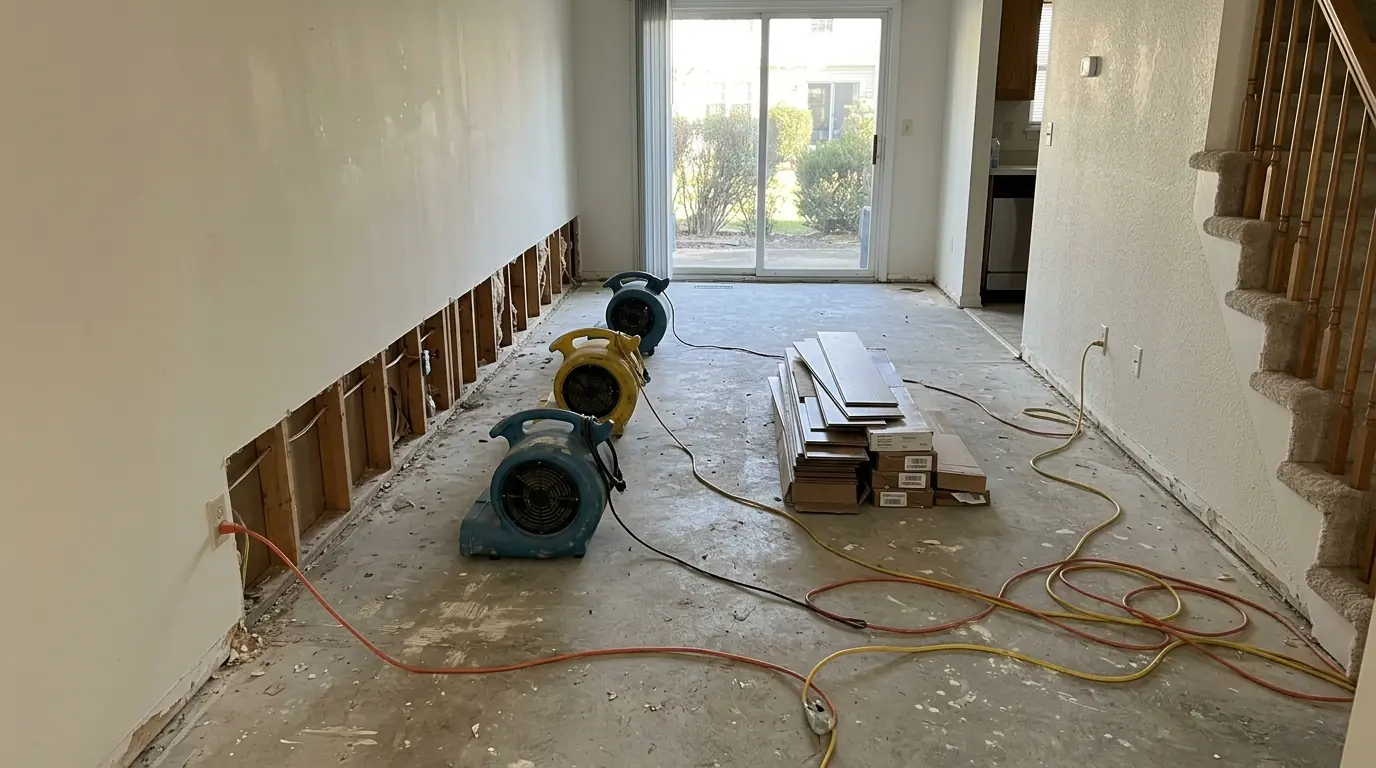
In a 1980s slab townhouse, the water heater closet sits next to the kitchen and a failed tank soaks the first floor. We extract, pull laminate and baseboard, trim the drywall in a straight cut, and dry the slab and wall bottoms with dehumidifiers and air movers.
Garage apartment leak in Kentlands
A supply line freezes in the apartment over a detached garage while it sits empty in winter. We open the wet ceiling and walls in the apartment and the garage below, dry the framing, and check the insulation, which usually has to be replaced.
Upstairs laundry overflow in Lakelands
A washer drain hose slips out of the standpipe on the second floor, and water runs through the subfloor into the ceiling of the room below. We dry the floor system with directed air through small openings and replace only the drywall that stays wet.
Basement seepage beside a storm water pond
A single-family home backing onto a pond takes on water along the rear basement wall after a week of rain. We take out the soaked pad and lower drywall, set up drying, and point out the grading and sump issues that keep the water coming.
What does an HOA community job in Gaithersburg involve?
Almost every neighborhood here has a homeowners association, and many have architectural review rules. Drying and cleanup are interior work, so they rarely need approval, but dumpsters, trailers and exterior repairs often do. We ask for the HOA contact early so nothing stalls once rebuild starts. In attached townhouses, we check the shared walls and the neighbor's side when readings suggest water crossed over.
On slab homes, drying focuses on flooring and wall bottoms: we pull baseboard, check the drywall with a meter, and decide whether the flooring can be dried or has to come up. Laminate usually does not survive a soaking; tile over a slab often does. In homes with basements, we treat the job like any flooded lower level. When a dishwasher or washer caused it, our appliance leak cleanup page explains what we look for, and carpet drying covers when pad and carpet can be saved.
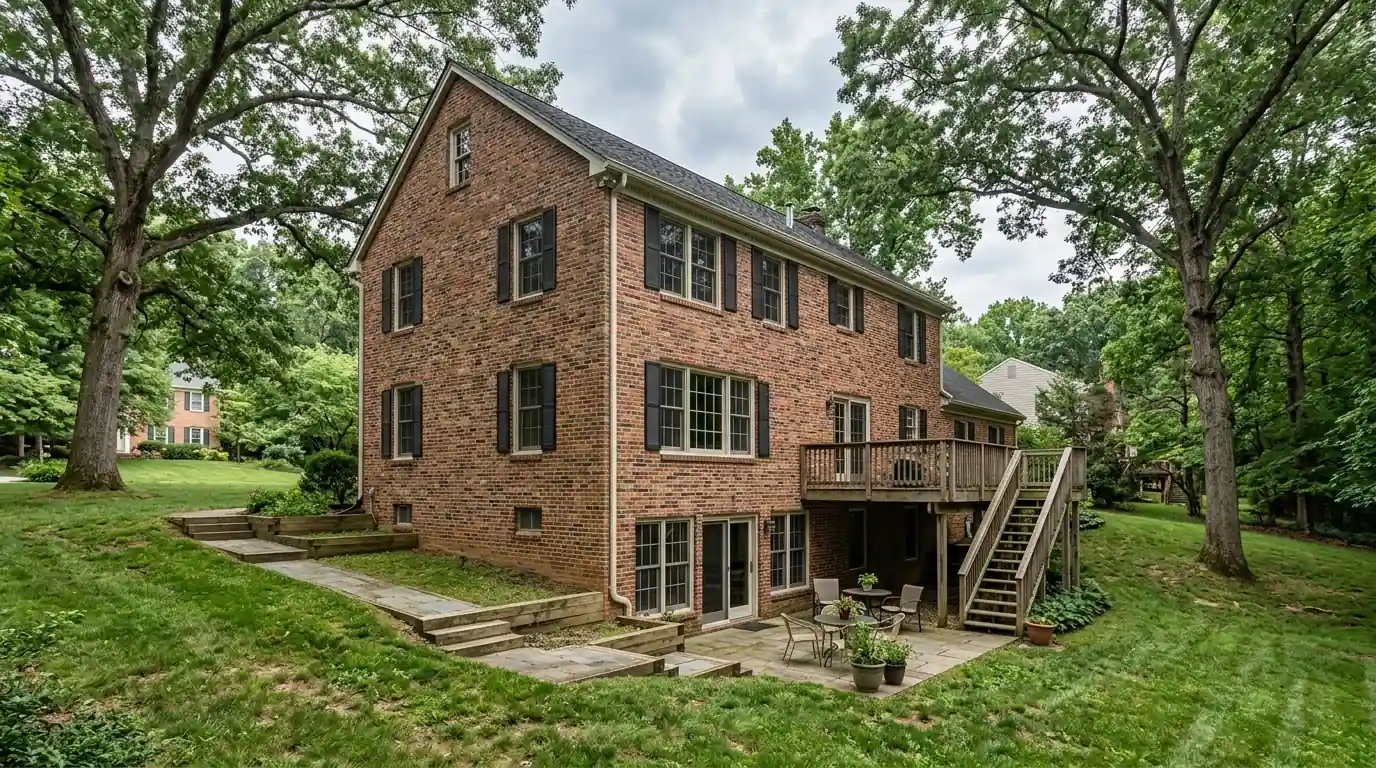
Typical homes in this part of the DC area
Nearby areas we also cover
Questions from Gaithersburg homeowners
Can laminate flooring in a Gaithersburg slab home be dried after a leak?
Rarely. Most laminate has a pressed-wood core that swells and separates at the seams once it gets wet, and water trapped under it sits on the slab. We usually remove it so the slab and wall bottoms can dry. Luxury vinyl plank does better because the planks themselves are waterproof, though we still lift some to check the slab underneath.
Does my Gaithersburg HOA have to approve water damage repairs?
Interior drying and cleanup rarely need approval, but check your community's rules for dumpsters, trailers, work hours and any exterior changes such as a new sump discharge line or a window well cover. We ask about those rules at the start so the rebuild does not stall. For attached homes, the association may also want to know if water crossed a shared wall.
What should I do first if a garage apartment pipe bursts in Kentlands or Lakelands?
Find the shutoff for the apartment, which is often separate from the main house, and close it. If you cannot find it, close the main valve for the property. Turn off power to any circuits near the water, then photograph the damage. Call (202) 989-3053 and we will begin drying the apartment and the garage below before the drywall and insulation hold the water for days.
Water or mold trouble in Gaithersburg?
Call JEC Restoration any time. We answer 24/7 and talk through what you are seeing before anyone touches a wall.