Prince George's County, MD
Co-op leak & mold remediation in Greenbelt, MD 20770
Greenbelt's late-1930s cooperative rowhouses were built of masonry block or wood frame and joined in rows. When water gets into one home, it rarely stays there. We dry, clean and remove mold after leaks, backups and smoke damage.
JEC Restoration handles water damage, mold remediation, smoke cleanup and sewage backups in Greenbelt, from the original cooperative homes near Roosevelt Center to the newer townhouse communities in east Greenbelt. Call (202) 989-3053, answered 24/7. We work with the cooperative or HOA so each part of the repair goes to the right party.
How were Greenbelt's cooperative rowhouses built, and where do they leak?
Greenbelt was built in the late 1930s as one of the federal government's New Deal planned towns, laid out around a town center, interior footpaths and shared green space. The original rowhouses are now owned and run by Greenbelt Homes, Inc., a housing cooperative whose members hold shares in the cooperative rather than deeds to individual lots. The rows come in two main types, masonry block units and wood frame units, and few of them have full basements, so water that gets in spreads across the ground floor or into the space underneath instead of collecting in a deep cellar.
Age shows in specific places. Block walls hold moisture and stay cool, so condensation and mildew appear behind furniture pushed against exterior walls. Kitchens and bathrooms have been renovated several times, and each layer of tile or flooring can hide an old leak. In the attached rows, a burst pipe or a failed water heater in one home can wet the shared wall and the floor of the next. The newer townhouse communities in east Greenbelt share walls too, and they add finished lower levels and sump pits that the original town never had.
Most-called services in Greenbelt
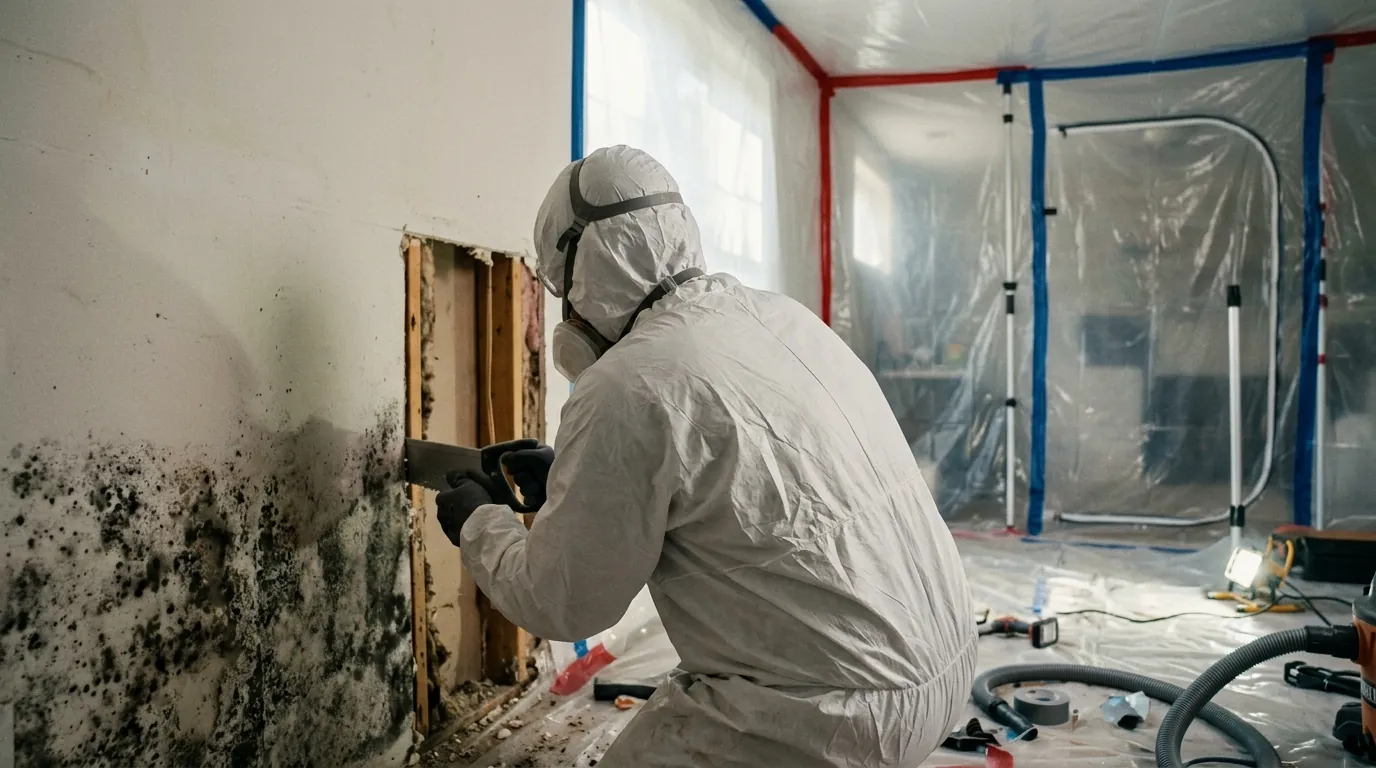
Mold Remediation
Mold remediation is the controlled removal of mold growth from a building.
How we handle it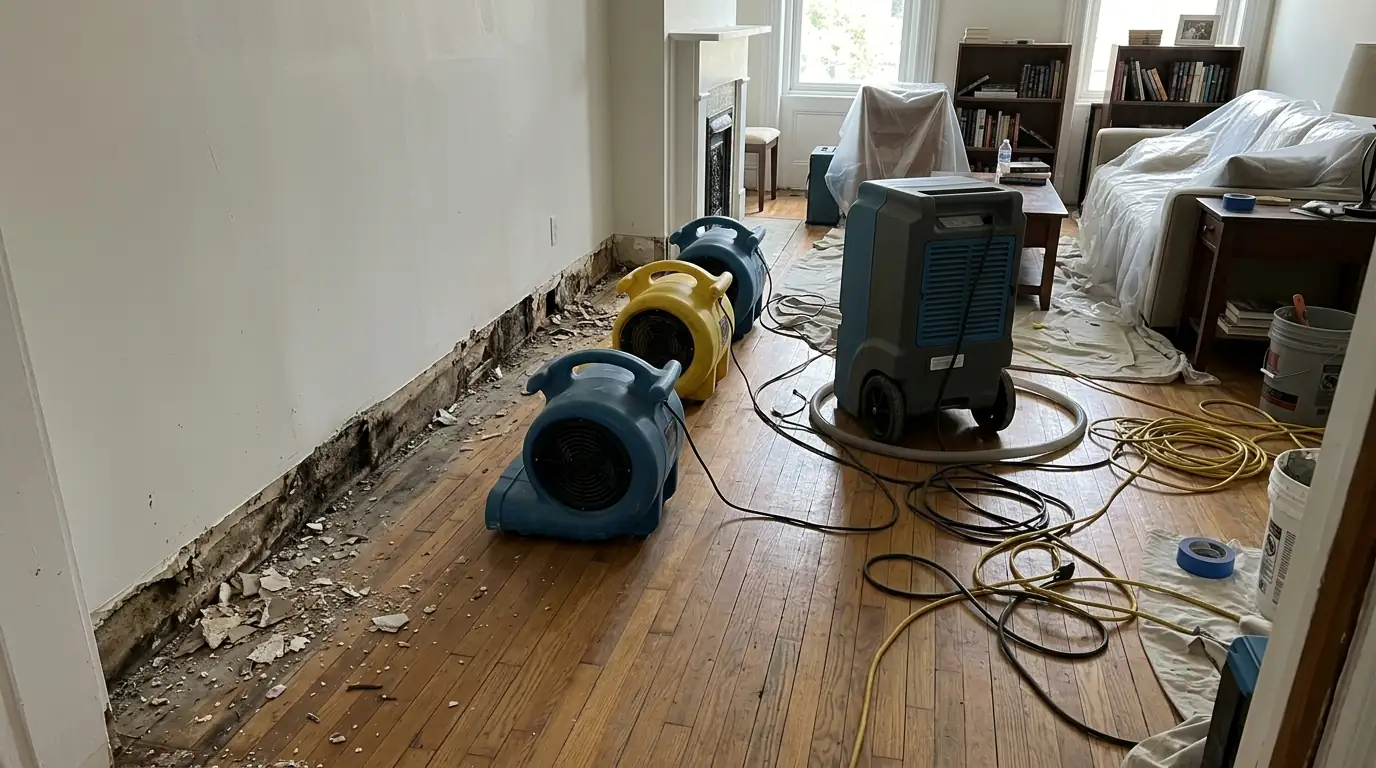
Water Damage Restoration
Water damage restoration is the full sequence after a leak or flood: stopping the source, extracting standing water, removing materials that cannot be saved, drying walls and floors with dehumidifiers and air movers, and logging moisture readings until they reach a dry standard.
How we handle it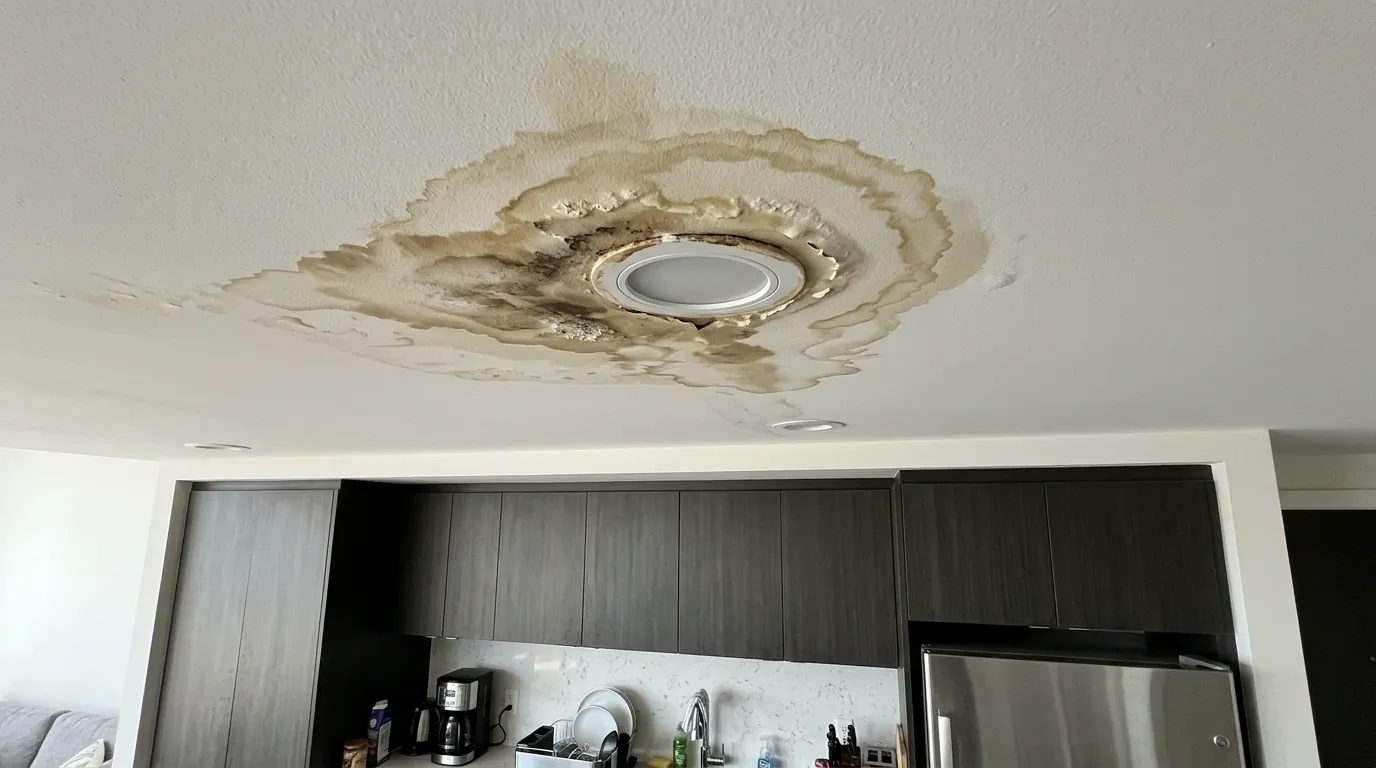
Condo Water Damage
Condo water damage work covers leaks that cross unit lines: water from the unit above, a failed riser, a shared wall or a roof over the top floor.
How we handle it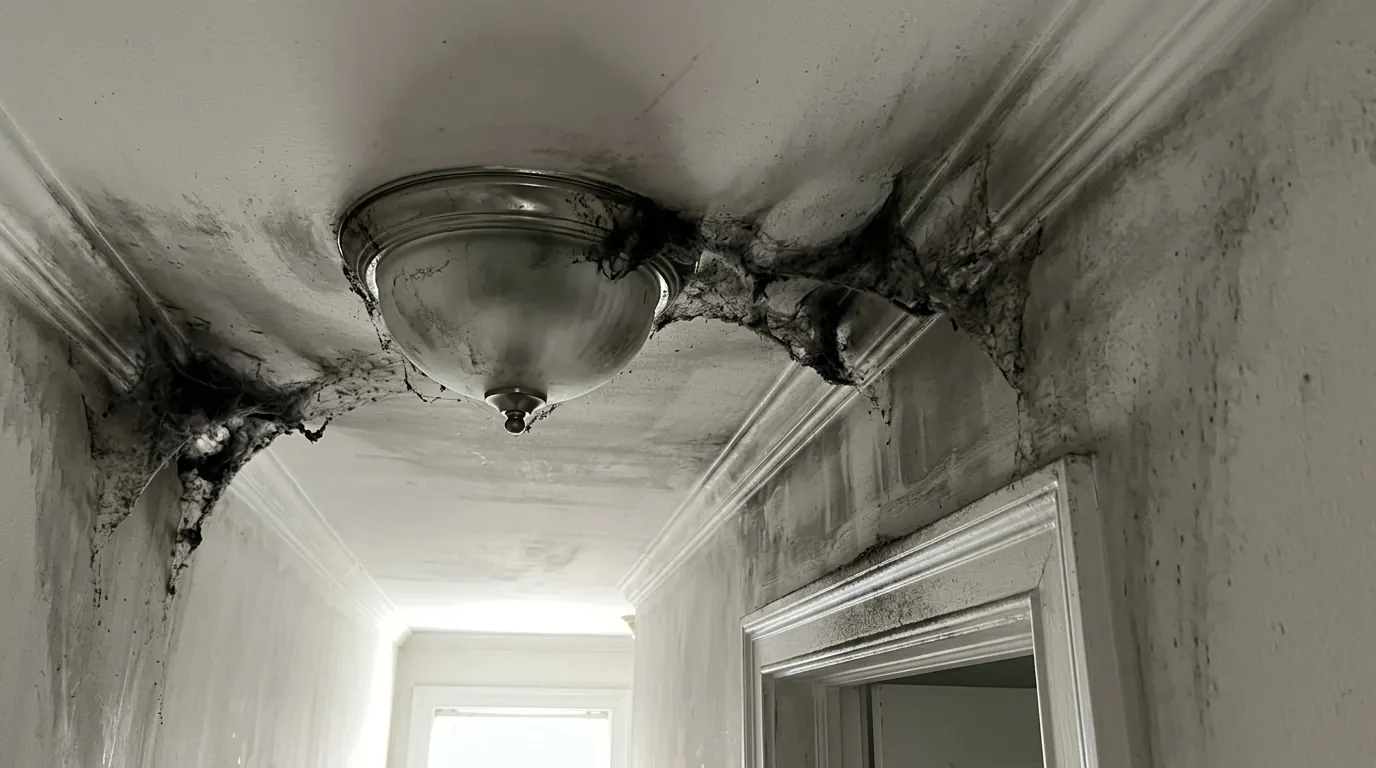
Smoke Damage Cleanup
Smoke damage cleanup removes the residue a fire leaves on walls, ceilings, ducts and belongings, then neutralizes the odor tied to it.
How we handle it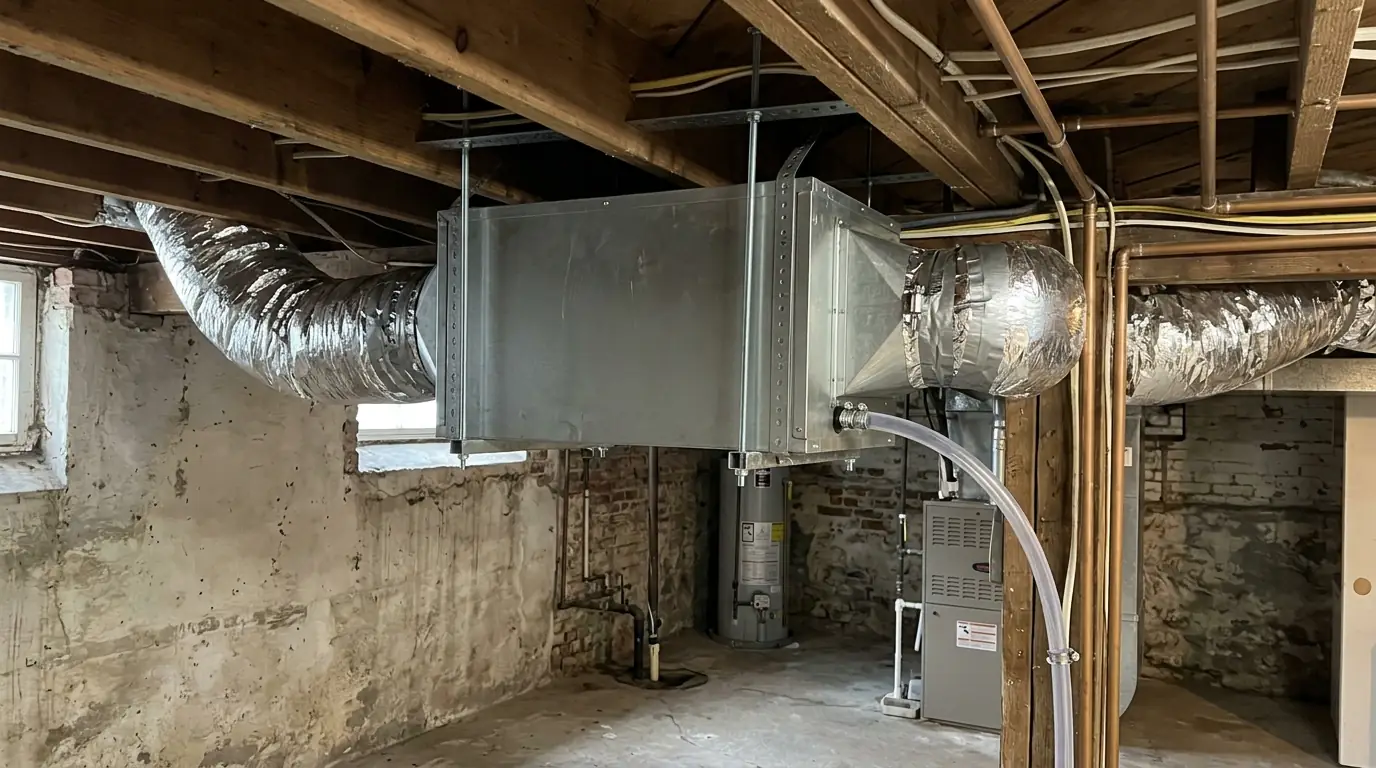
Dehumidifier Installation
A whole-basement dehumidifier is a fixed unit that pulls moisture from the air in a basement or crawl space and drains it continuously through a hose or condensate pump.
How we handle itWhat sends water into Greenbelt homes: rain, humidity or plumbing?
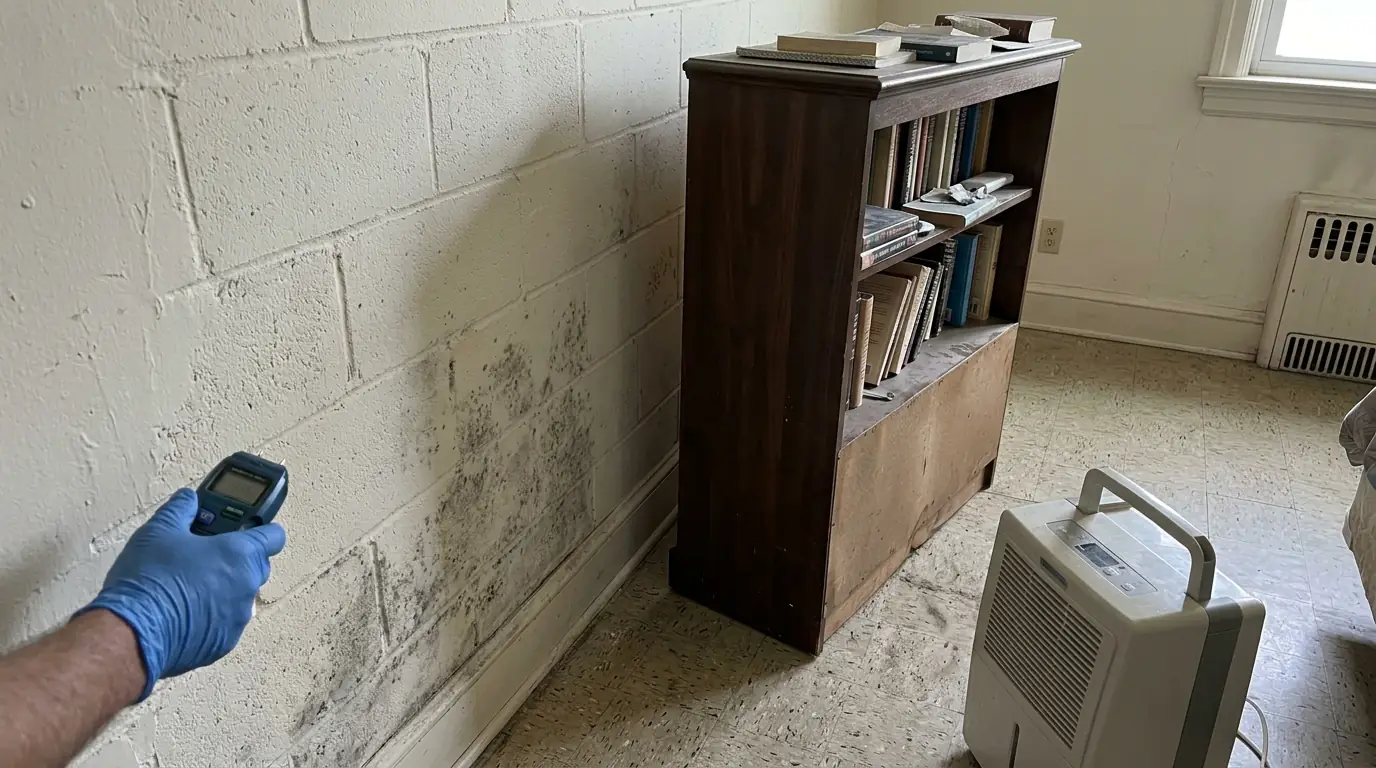
Old Greenbelt follows a crescent-shaped ridge, with Greenbelt Lake in Buddy Attick Park below it and footpaths linking the inner blocks. The slope helps drainage overall, but rows at the low end of a court collect runoff in heavy storms, and walkways can channel water straight to a back door. Summer humidity is the quieter problem. In a block home without a basement, it shows up as musty closets, mildew on cool walls and damp bedding stored against exterior walls.
Plumbing is the bigger source. Supply lines, water heaters, washer hoses and toilet connections in renovated units fail just as they do anywhere, and January cold snaps freeze pipes near exterior walls and in crawl spaces. An older sewer line can back up into the lowest fixture in a row. The 20770 area also includes larger apartment and condo buildings where a leak above becomes a ceiling stain below, and our condo leak drying follows the water through every unit it reached.
Typical calls we get from Greenbelt
Water heater failure in a frame row home
A water heater leaks in the utility closet of an original frame home, and water runs under the kitchen floor toward the wall shared with the next unit. We extract, pull the wet flooring, dry both sides of the shared wall with permission, and note which items belong to the member and which to the cooperative.
Mildew on a cold block wall
Gray spotting appears behind a bookcase on an exterior block wall in a bedroom. We clean the surface, check readings in the wall, and look at humidity and airflow so the wall surface stays above the dew point.
Bathroom leak under layered tile
Grout cracks around a tub in a renovated bathroom, and the floor below starts to feel soft. We remove the tile and underlayment, dry or replace the subfloor, and treat any mold on the framing before the bathroom is rebuilt.
Lower-level flooding in an east Greenbelt townhouse
A sump pump in a newer townhouse fails during a storm, and water covers the finished lower level. We extract, cut wet drywall, dry the slab and walls, and report readings to the owner and the HOA.
Who handles what when a Greenbelt cooperative home has water or mold?
Cooperative living changes the order of operations. At Greenbelt Homes, Inc., the cooperative generally takes care of parts of the structure and shared systems, while members are responsible for many interior finishes and their own belongings. The exact split comes from the cooperative's member documents and maintenance rules, not from us, so after you stop the water, the next call is usually to the cooperative's maintenance office. They may want to inspect first, handle some items with their own staff, or approve outside work before it starts.
We work within that. We map the moisture, photograph everything, and write a scope that separates structural items from interior ones, so the cooperative, the member and any adjuster can see who is responsible for each. In the newer townhouse communities, the HOA typically controls exteriors and common grounds while the owner handles the inside. If mold covers more than about 10 square feet, we set up containment and negative air following EPA guidance and finish with clearance testing when the job calls for it. A member's own policy and the cooperative's master policy usually cover different things, so check your policy and the cooperative's rules before work begins. Neighbors in nearby College Park and across Prince George's County get the same documentation.
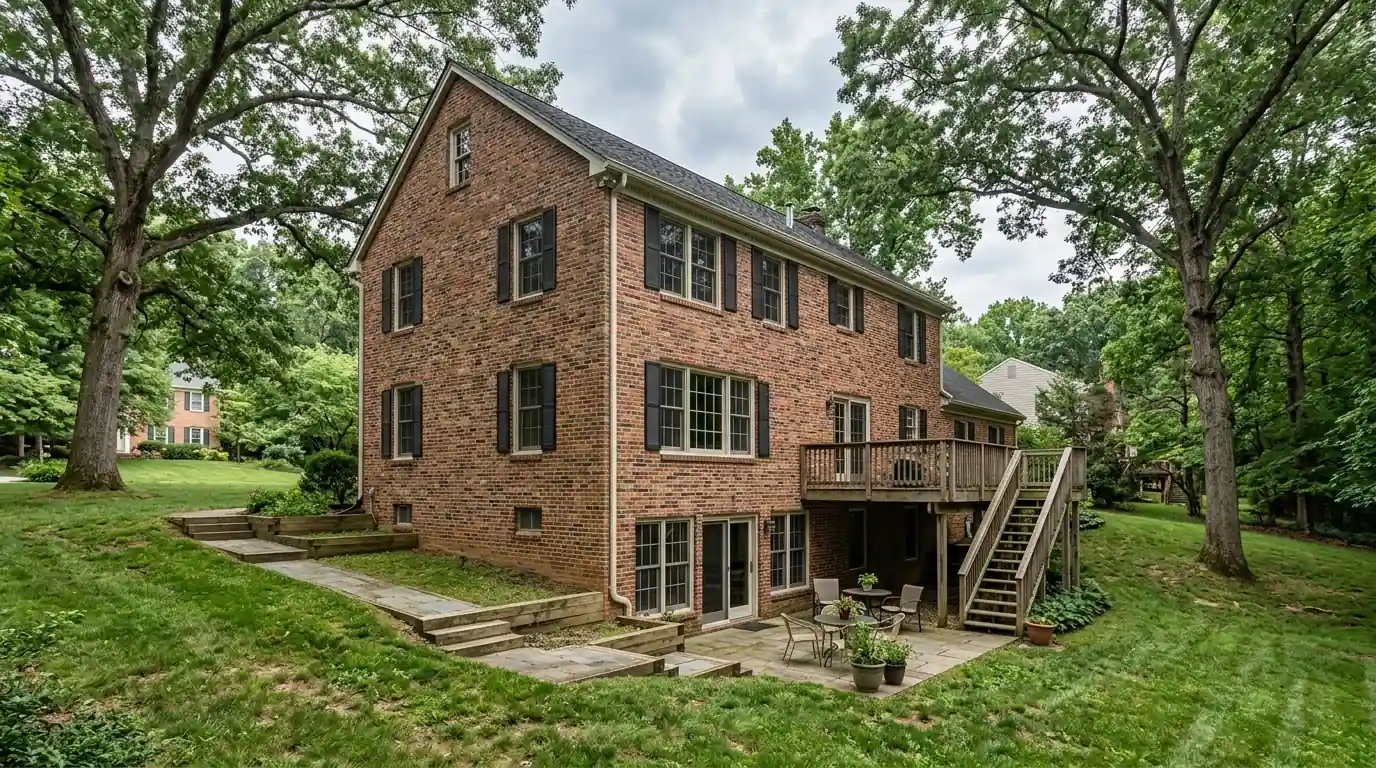
Typical homes in this part of the DC area
Nearby areas we also cover
Questions from Greenbelt homeowners
Do I need the cooperative's approval before you work on my Greenbelt Homes unit?
In most cases, contact the cooperative's maintenance office first, because some parts of the home are the cooperative's responsibility and member documents set rules for outside work. Stopping the water and removing standing water should not wait, but larger demolition and rebuilding should wait for the cooperative's go-ahead. We give the cooperative our readings and scope so they can see exactly what was done.
Why does my block-walled Greenbelt home get musty every summer?
Masonry block walls stay cooler than the indoor air, and in a humid Maryland summer, moisture condenses on them, especially behind furniture and inside closets where air does not move. That damp surface feeds mildew. Running a dehumidifier to keep relative humidity below about 50 percent, pulling furniture a few inches off exterior walls and running bathroom fans longer usually helps. A musty odor that lingers may mean moisture inside the wall.
Can smoke from a fire in one row home affect the next one?
Yes. Smoke follows air paths through gaps around pipes and wiring in shared walls, through connected attic or crawl spaces where they exist, and under doors. After a fire in an attached home, we check neighboring units for odor and soot on walls, ceilings and inside closets, even when no flames reached them. Cleaning usually involves HEPA vacuuming, dry chemical sponges on walls and ceilings, and odor treatment.
Water or mold trouble in Greenbelt?
Call JEC Restoration any time. We answer 24/7 and talk through what you are seeing before anyone touches a wall.