Washington, DC neighborhood
Sewage & burst pipe cleanup in AU Park, Washington, DC 20016
AU Park's colonials, Cape Cods, bungalows and Tudors sit on modest lots, and decades of additions and basement bathrooms have added new places for water to get in. We clean up sewage, dry burst-pipe damage and trace leaks where old and new work meet.
JEC Restoration works on water damage, mold, smoke and sewage problems across American University Park, the streets between Massachusetts Avenue and Western Avenue at the Maryland line, with River Road cutting through. Our Washington, DC office shares the 20016 ZIP and sits close by in upper Northwest. Call (202) 989-3053. The phone is answered 24/7.
How do additions and basement bathrooms change the way an AU Park house leaks?
AU Park filled in from the 1920s through the 1940s with brick and frame colonials, Cape Cods, bungalows and Tudors on modest lots. Few still look the way they were built. Owners have pushed out rear kitchens and family rooms, raised second floors over one-story wings and turned basements into guest suites and offices. Every one of those changes adds a joint between old work and new, and that joint is usually where water shows up first.
The basement bathroom is the clearest case. A toilet or shower set below the level of the sewer line drains into a sealed pit, and an ejector pump lifts the wastewater up to the main drain. If the pump fails or its float sticks, the pit fills and sewage rises through the shower drain or around the toilet base. That is Category 3 water and needs sewage cleanup with disinfection, not a shop vacuum. Upstairs, the seam where a second-story addition's roof meets the original roof often stains only in wind-driven rain, and air conditioning added later frequently sits in the attic or behind a knee wall, where a clogged condensate line can overflow onto the ceiling below.
Most-called services in AU Park
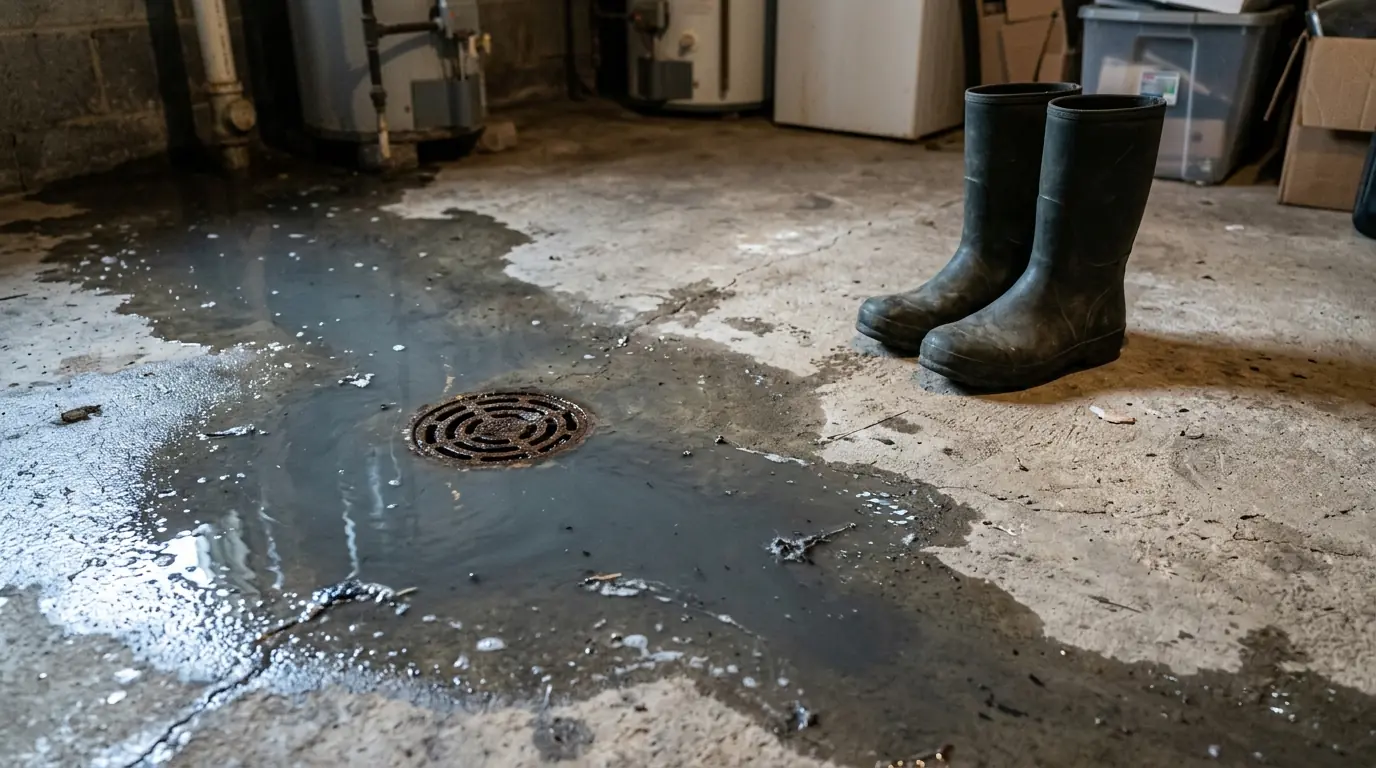
Sewage Backup Cleanup
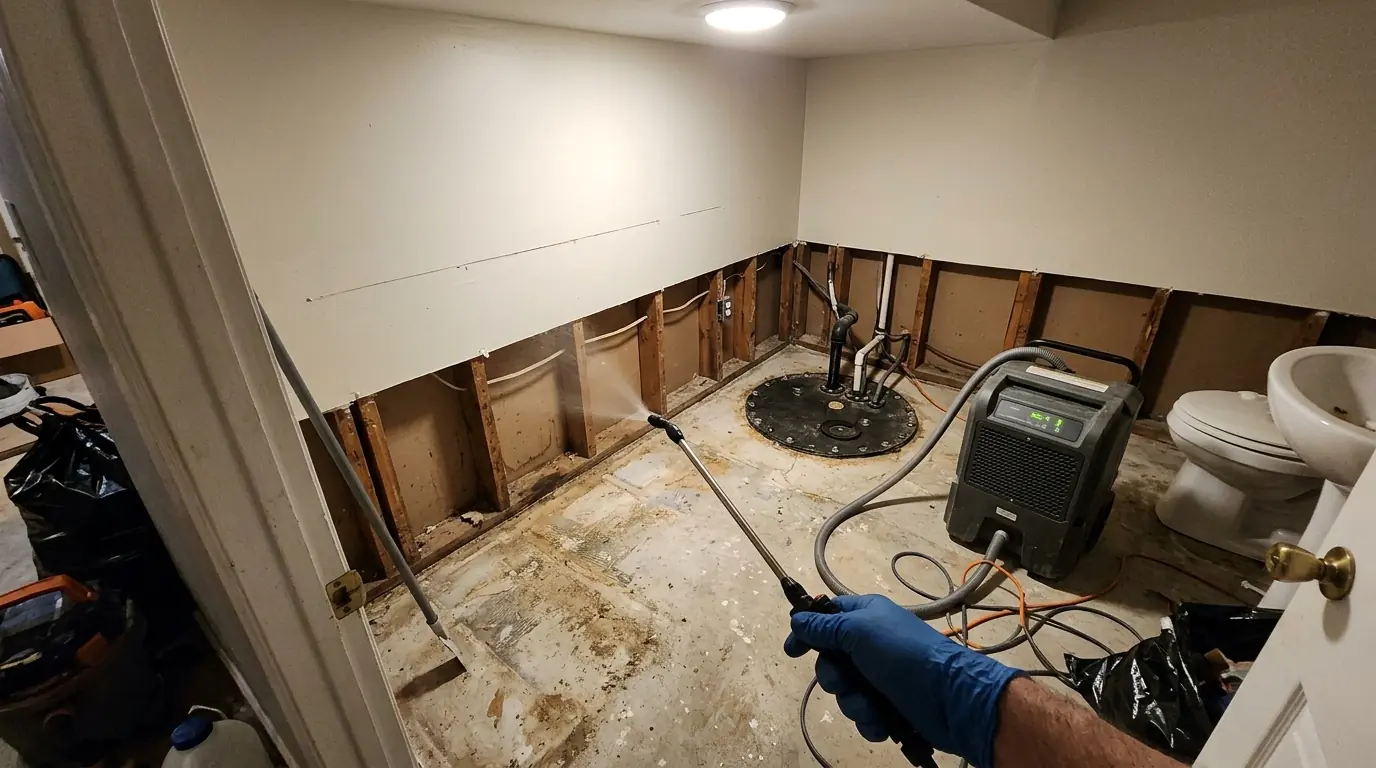
Sewage backup cleanup is the removal of wastewater and the porous materials it soaked, followed by cleaning, disinfection and drying of the affected area.
How we handle it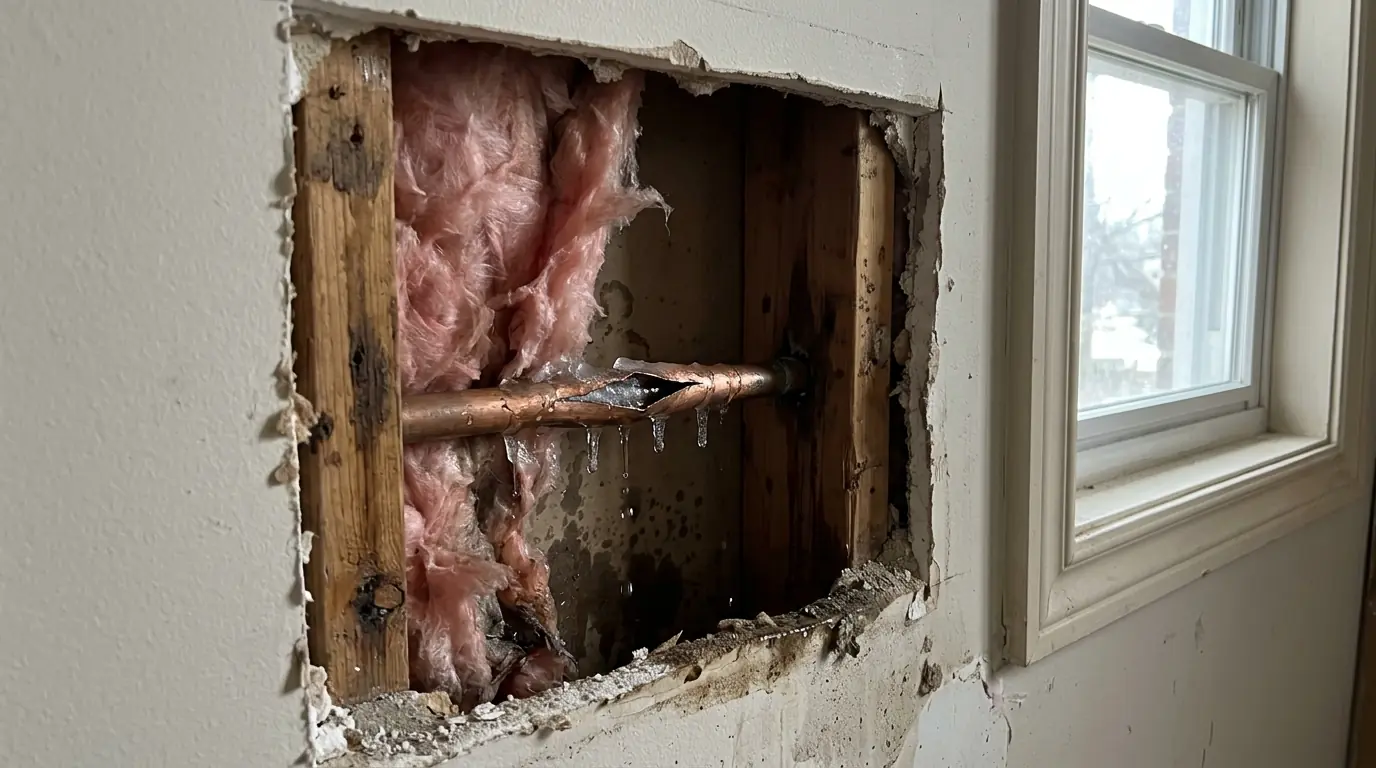
Burst Pipe Cleanup
Burst pipe cleanup deals with the water a split supply or heating line leaves inside walls, floors and ceilings: opening the wall at the break, extracting water, removing soaked insulation, and drying the cavities and the rooms below.
How we handle it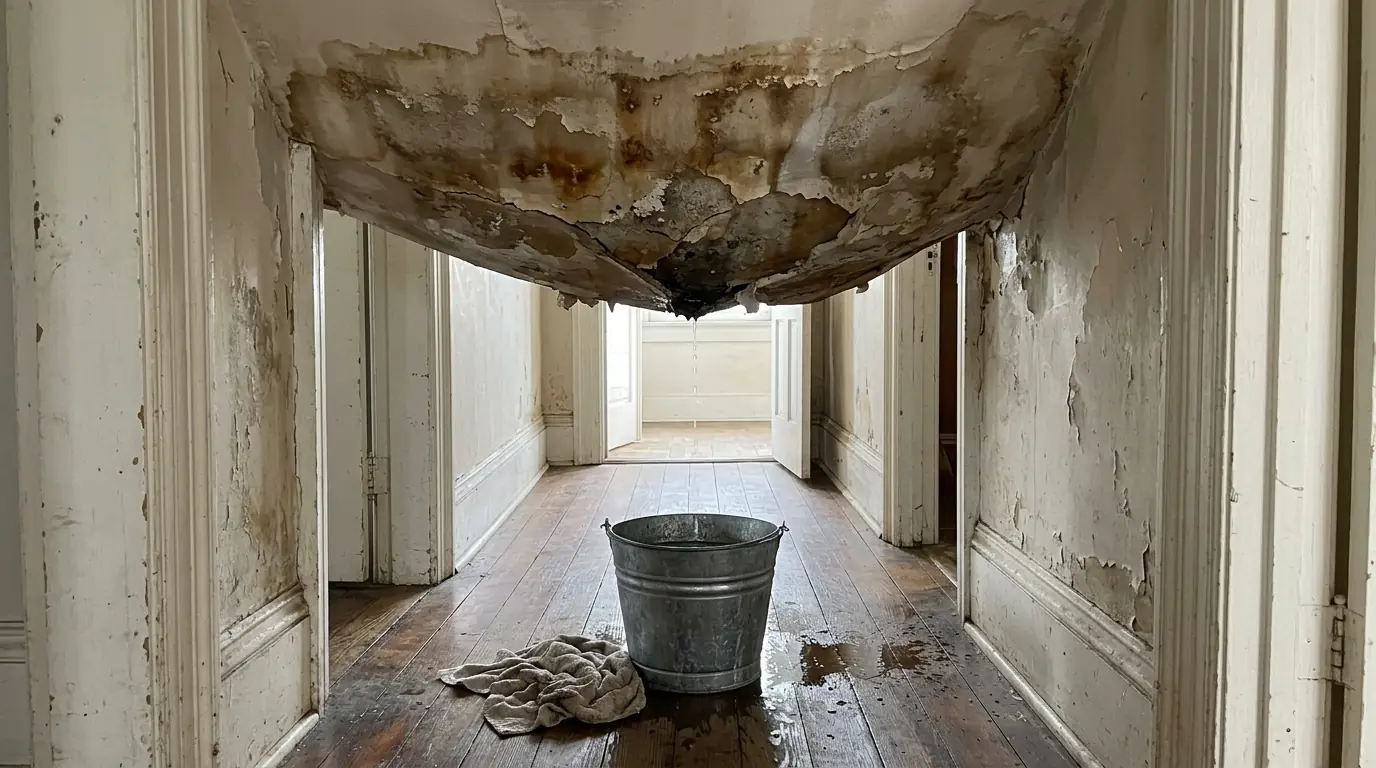
Ceiling Leak Damage
Ceiling leak damage work deals with water trapped above a ceiling from a roof, a bathroom, a radiator or an air conditioning line.
How we handle it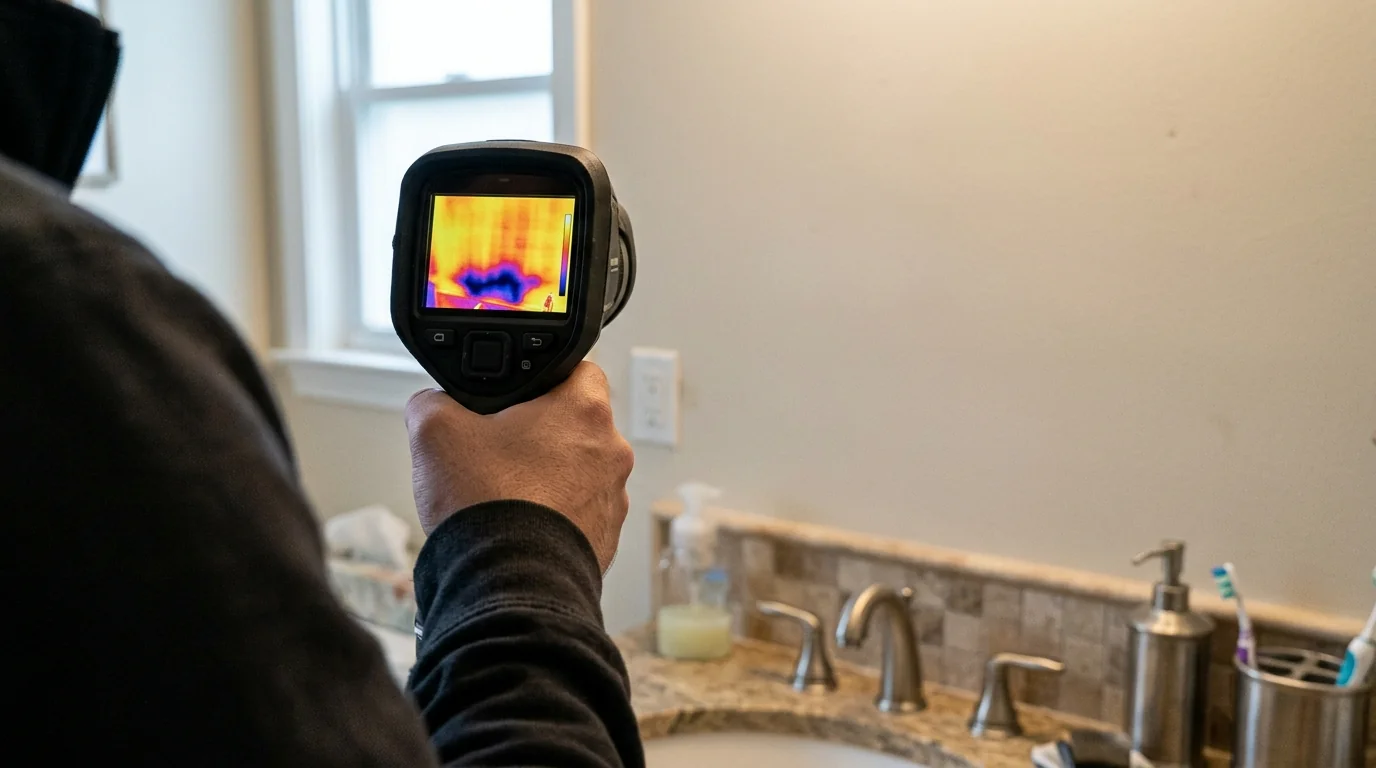
Moisture & Leak Detection
Moisture and leak detection is a non-invasive survey that finds where water is hiding in walls, ceilings and floors and how far it has spread.
How we handle it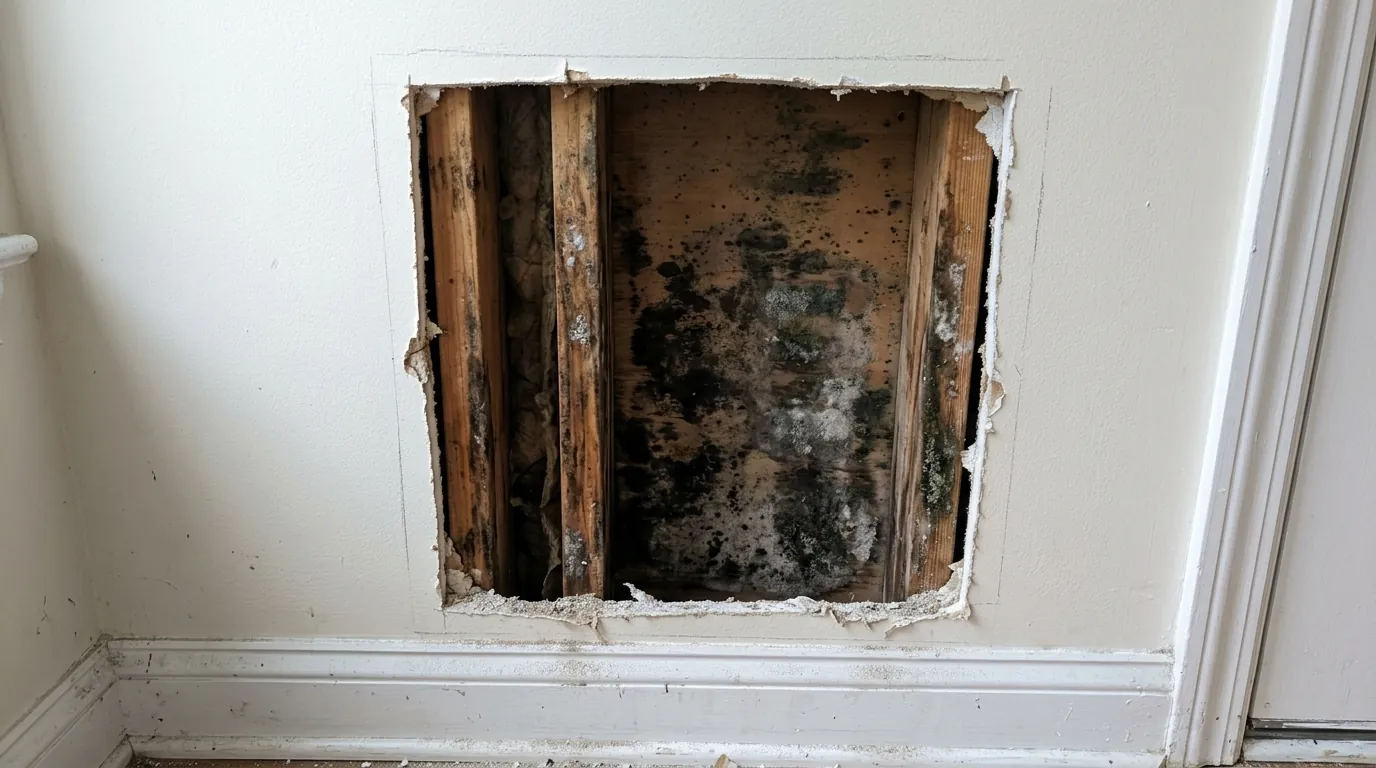
Mold Behind Drywall
Mold behind drywall grows on the back of the paper facing, on studs and on insulation inside a wall that has stayed damp from a slow leak, condensation or an old flood.
How we handle itWhy do narrow side yards and outdoor faucets cause so many calls here?
Houses sit close together, and many side yards are little more than a walkway. When the house next door aims its downspouts into that strip, or a lot is regraded during a teardown and rebuild, runoff lands against your side wall instead of heading for the street. The first sign is often a damp baseboard in a finished basement room on that side after a thunderstorm, with the other three walls dry.
Winter brings a different failure. Many houses have frost-free sillcocks, outdoor faucets whose valve sits back inside the heated wall. They protect the pipe only if the hose comes off in the fall. Leave it attached, and trapped water freezes and splits the pipe inside the wall during a January cold snap. Nothing leaks until the first warm weekend, when you open the faucet and water pours into the basement ceiling or the wall cavity instead of the garden. Our page on drying out after a split pipe covers what happens next.
Typical calls we get from AU Park
Ejector pump failure under a basement bathroom
The float in a sewage ejector pit sticks, and wastewater backs up through a basement shower drain onto the vinyl plank floor of a guest suite. We set up containment, remove the flooring and the bottom of the drywall, then clean, disinfect and dry the room once the pump has been repaired.
Split sillcock found on the first warm weekend
A hose left attached through January cracks the pipe behind a frost-free outdoor faucet, and the break only shows when someone turns the faucet on in spring. We dry the joist bay, rim joist and basement ceiling, and check the insulation in that wall for wet spots that would hold moisture.
Attic condensate overflow above a Cape Cod bedroom
An air handler behind a knee wall clogs its condensate line during a humid July stretch, and the overflow pan spills onto the bedroom ceiling below. We dry the insulation and drywall, check the knee-wall framing for mold and suggest a float switch that shuts the system down before the pan can overflow again.
Seepage beside a neighbor's teardown and rebuild
After the house next door is rebuilt, its new grading and downspouts send water into the shared side yard, and your basement wall starts to seep. We dry the finished room on that side, record the water path with photos and readings, and outline drainage changes that would keep the wall dry.
What should you expect when we work on a close-set AU Park block?
Most houses have a driveway, but many are narrow, lead to a back garage or hold the family's cars. We bring equipment through whichever door is nearest the wet room, often the rear or basement entrance, and keep cords off front walks. Wet drywall and carpet leave in sealed bags or a small container, not a large dumpster. Curb space gets tighter toward Wisconsin Avenue and the Tenley-Friendship Library, so we plan where the truck will stand.
Additions also mean mixed construction, and each material dries at its own pace. A 1930s wall of plaster over brick, a 1990s addition with fiberglass behind drywall and a slab under laminate all hold water differently. We take pin and pinless readings in each, sketch the wet area room by room and size dehumidifiers and air movers to the space. If mold has started inside an addition wall, our page on mold inside walls explains why we cut a small inspection opening before removing large sections. Houses closer to the shops and the Metro are covered on our Tenleytown page.

Typical homes in this part of the DC area
Nearby areas we also cover
Questions from AU Park homeowners
Sewage is coming up through the basement shower. What should I stop using?
Stop using the basement toilet, shower, sink and any laundry tub that drains to the ejector pit, including the washer if it empties there. Keep people and pets out and close the door. If the pump's plug or breaker can be reached without stepping in the water, cut its power. Then call (202) 989-3053 so cleanup can start once the pump is fixed.
Is a frost-free outdoor faucet safe to leave on all winter?
The faucet is designed for it, but only with the hose disconnected. A hose holds water in the pipe, and that water freezes and splits the line inside the wall. Take hoses off before the first hard freeze. If you turn the faucet on in spring and hear water running inside, or see it in the basement, shut the valve right away and call us.
Can a neighbor's new house really push water into my basement?
It can. New grading, a raised yard, downspouts piped toward the property line or a patio that sheds water your way can all change where runoff goes on close-set lots. We document the water path with photos and readings, which helps when two neighbors talk it through. Drying fixes the damage. Keeping water out may take drainage or waterproofing work on your side.
Water or mold trouble in AU Park?
Call JEC Restoration any time. We answer 24/7 and talk through what you are seeing before anyone touches a wall.