County we serve, MD
Water damage & mold removal in Montgomery County, MD 20850
Montgomery County basements were built to be lived in, and that is where most trouble starts: a sump pump quits in a storm, or a water heater lets go behind finished drywall. We dry it out and put it back.
JEC Restoration handles water damage, mold, fire and smoke, and sewage cleanup in homes throughout Montgomery County, Maryland, from Takoma Park and Silver Spring out to Potomac and Gaithersburg. Our technicians work from our Landover headquarters and our upper Northwest DC office. Call (202) 989-3053; the line is answered 24/7.
How do Montgomery County's postwar houses usually let water in?
Most of the county's housing went up between the 1950s and the 1980s, and the shapes repeat from one subdivision to the next. Brick ramblers sit over full basements with poured or cinder block walls. Split-levels put a family room, laundry and half bath a few steps below grade, often beside the sump pit. Colonials stack two bathrooms over a kitchen and finish the basement with carpet and drywall. Townhouse communities fill in the gaps, and newer condo buildings cluster around the Red Line stations.
Each shape fails in its own way. In a split-level the lower level is the low point of the house, so a sump pump that trips its breaker during a storm floods the family room first. Colonials tend to call us about ceilings: a wax ring or shower valve upstairs leaks for weeks before the drywall below stains. Townhouses add shared walls and HOA rules, and the condos near Metro bring the unit-above leak. Finished basements everywhere hide the slow problems, because carpet pad and drywall hold water out of sight.
Most-called services in Montgomery County
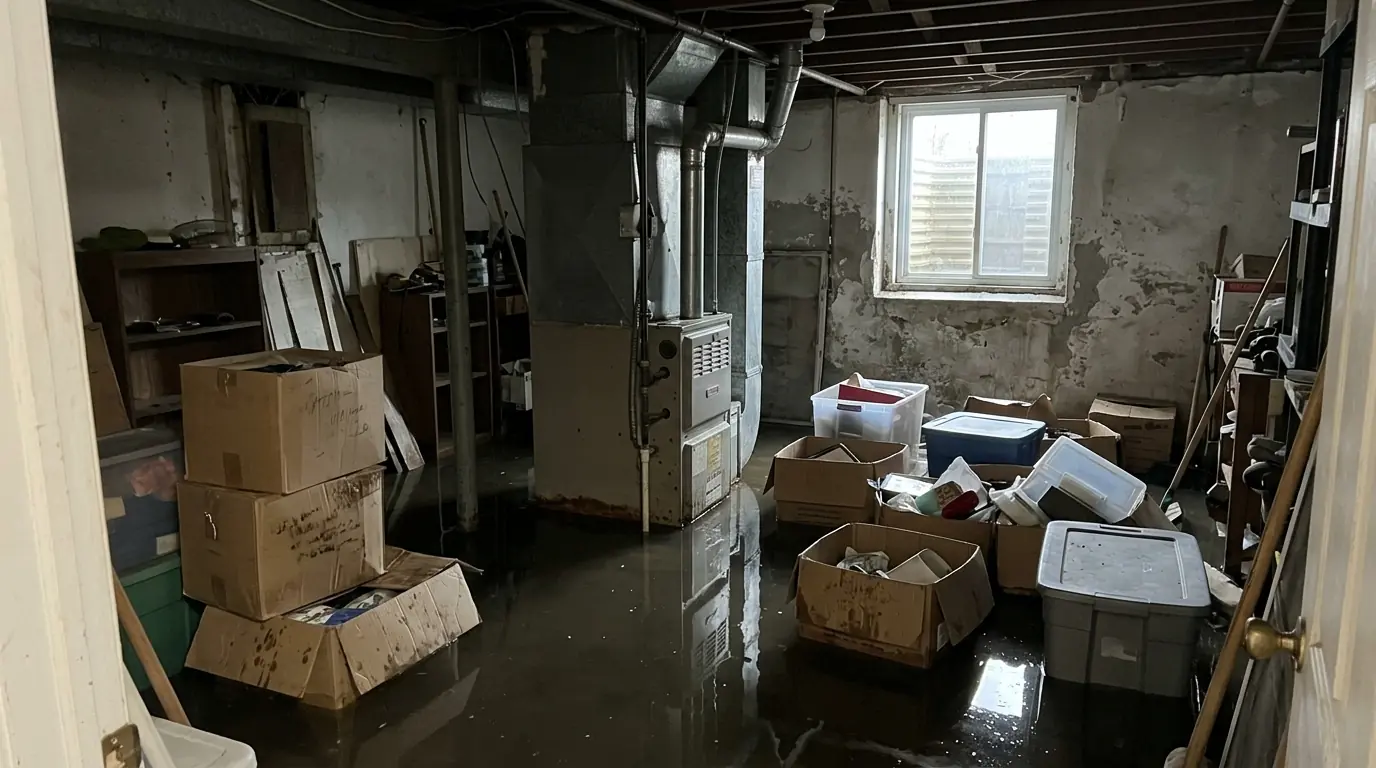
Flooded Basement Cleanup
Flooded basement cleanup removes water from a below-grade space, cleans and sanitizes what it touched, takes out finishes that cannot be saved, and dries the slab, walls and framing.
How we handle it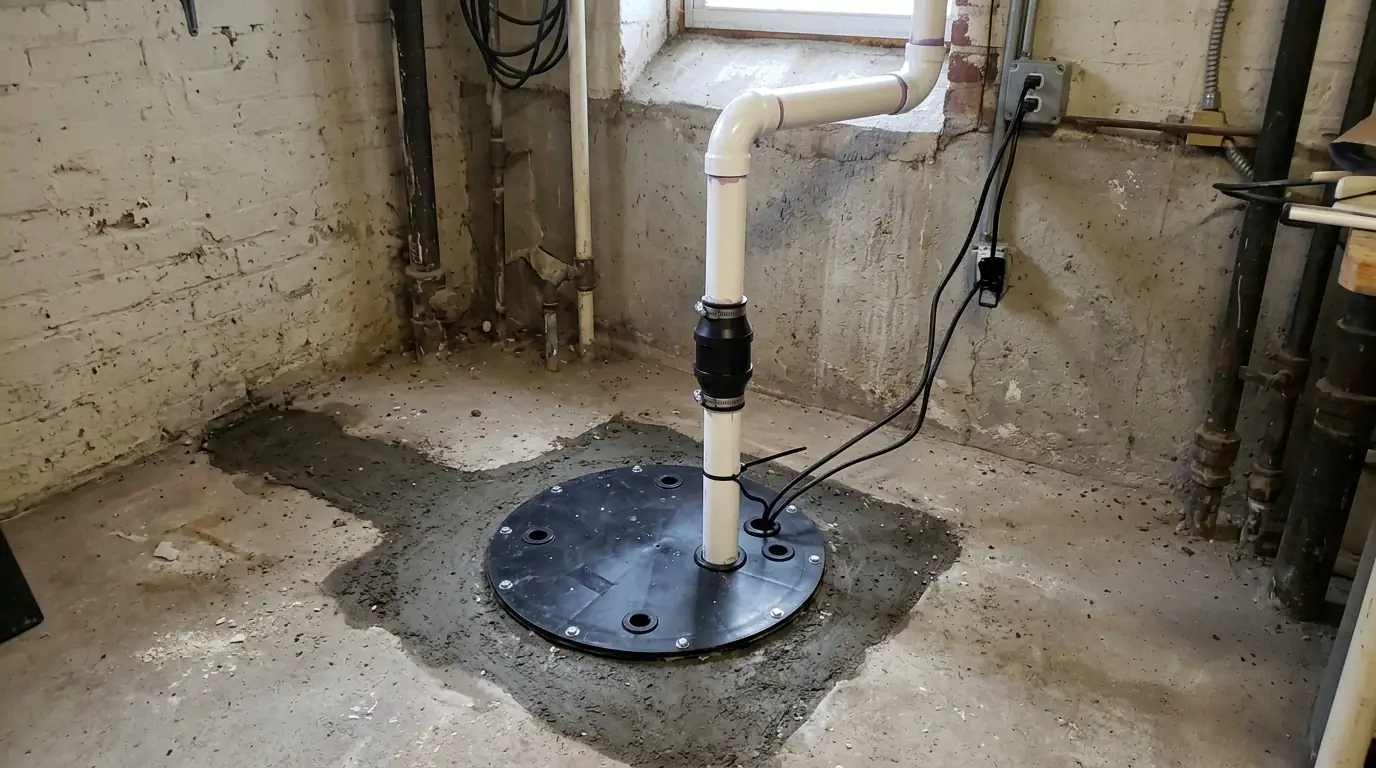
Sump Pump Installation
A sump pump sits in a lined pit at the low point of a basement and pumps out groundwater that collects there from under the slab or from a perimeter drain.
How we handle it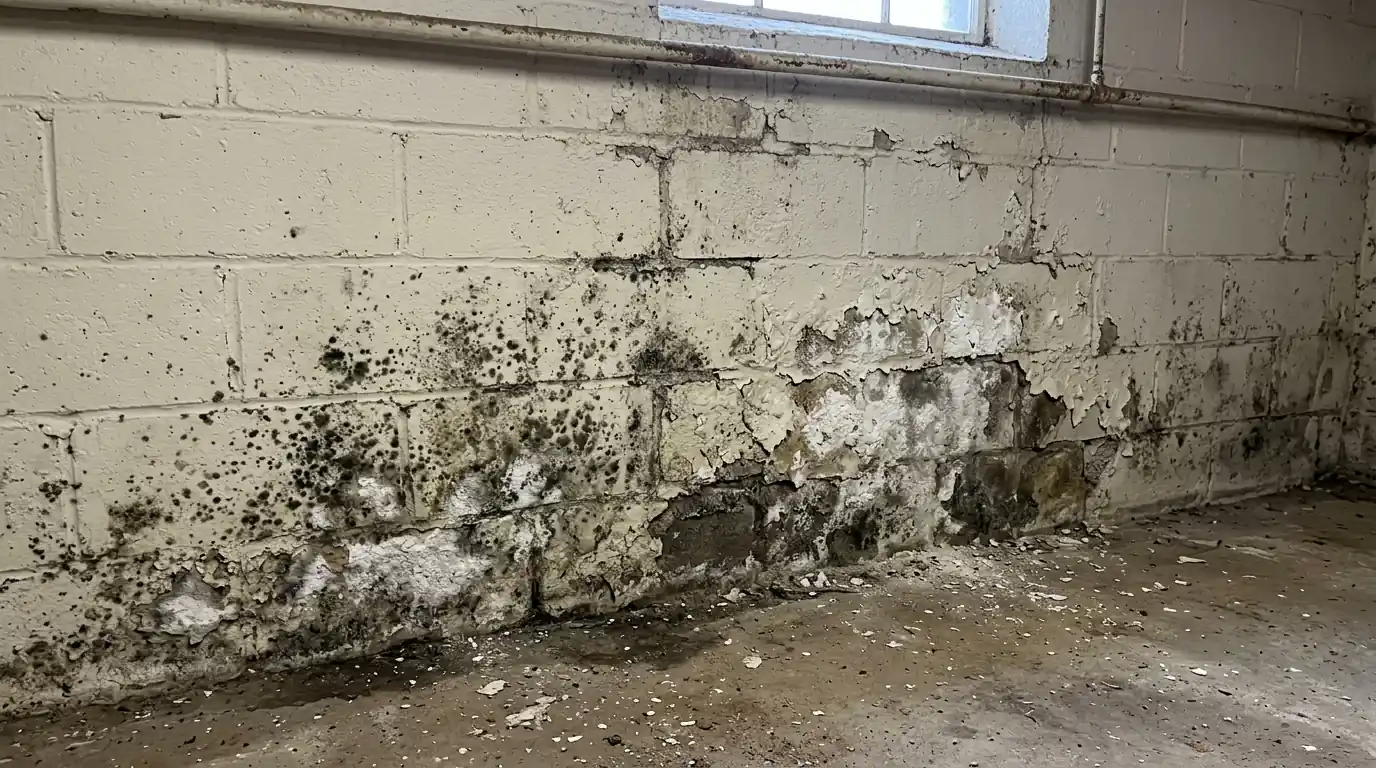
Basement Mold Removal
Basement mold removal cleans or removes growth on foundation walls, framing, finished drywall, carpet and stored contents below grade, then corrects the moisture that caused it.
How we handle it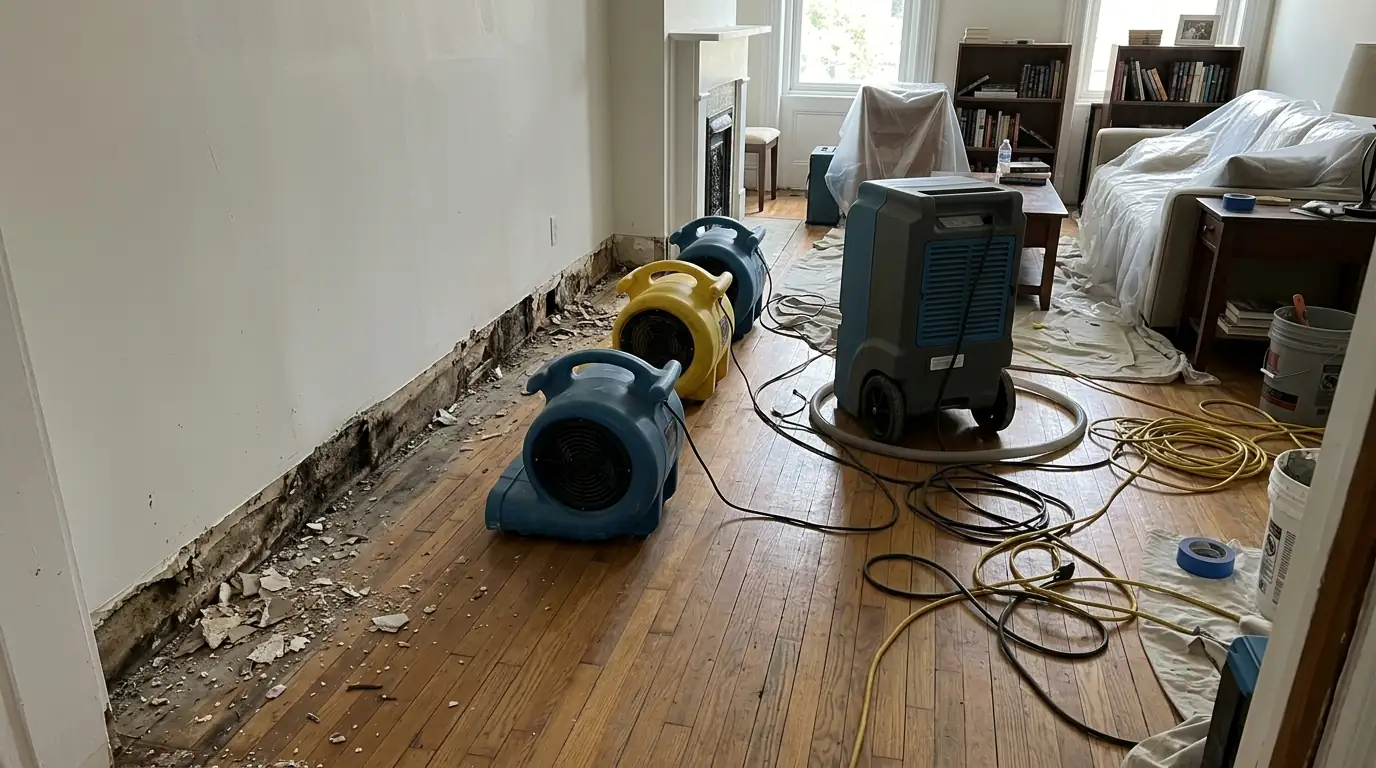
Water Damage Restoration
Water damage restoration is the full sequence after a leak or flood: stopping the source, extracting standing water, removing materials that cannot be saved, drying walls and floors with dehumidifiers and air movers, and logging moisture readings until they reach a dry standard.
How we handle it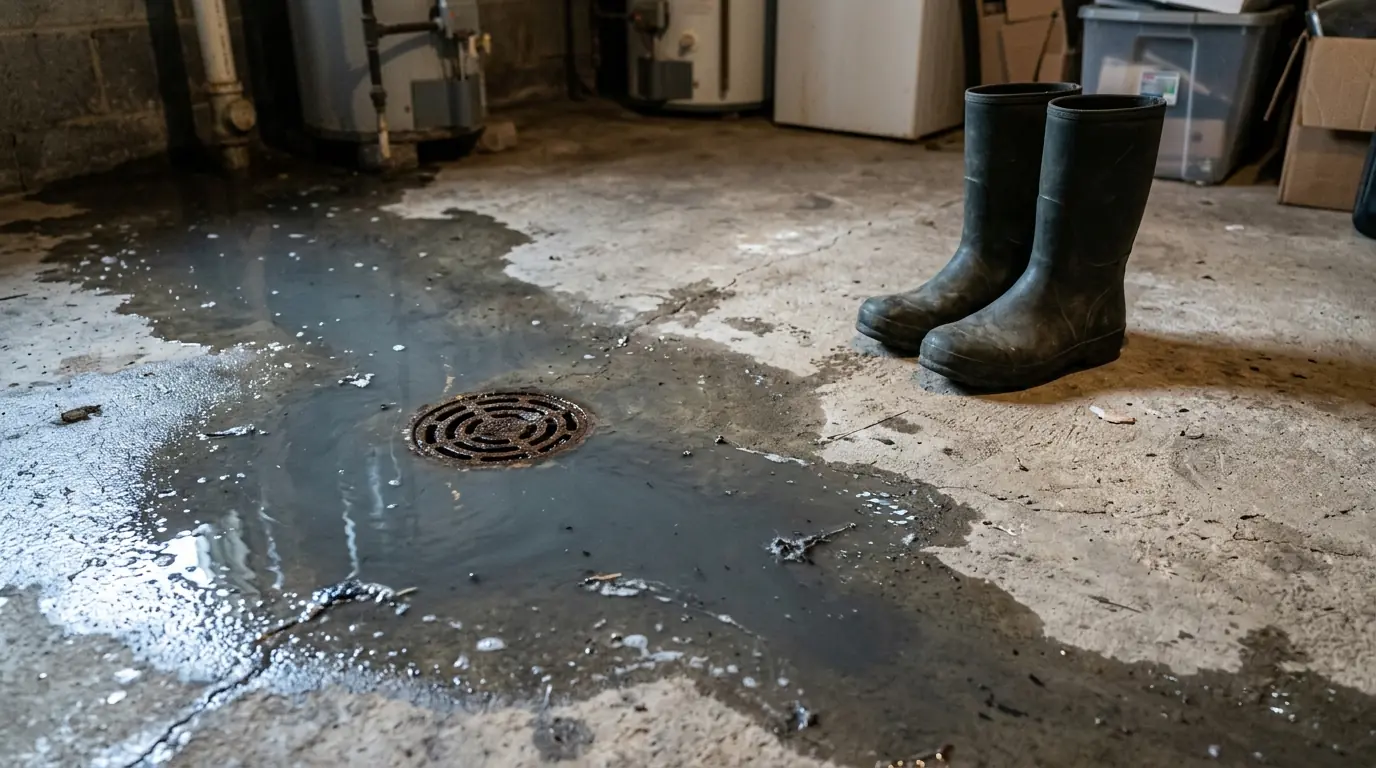
Sewage Backup Cleanup
Sewage backup cleanup is the removal of wastewater and the porous materials it soaked, followed by cleaning, disinfection and drying of the affected area.
How we handle itWhich creeks and storms drive basement water calls in the county?
The county drains toward the Potomac through stream valleys that most residents know as parks: Rock Creek, Sligo Creek, Cabin John Creek and Northwest Branch, along with Seneca Creek farther north. Homes on the lower streets near those valleys sit closer to the water table, and after a wet spring their basement walls can stay damp for weeks. Summer thunderstorms are the other driver. When a storm stalls overhead, gutters overflow, window wells fill, and short downspouts push water straight into the block.
Unlike the older parts of DC, most of the county has separate sanitary and storm sewers, so a floor drain backup here usually traces to a blocked house line, often roots that have grown into a decades-old sewer lateral. Winter adds frozen pipes in garage ceilings, crawl spaces and the exterior walls of bonus rooms, which split during a hard January cold snap and leak the moment they thaw.
Typical calls we get from Montgomery County
Split-level family room after a sump failure
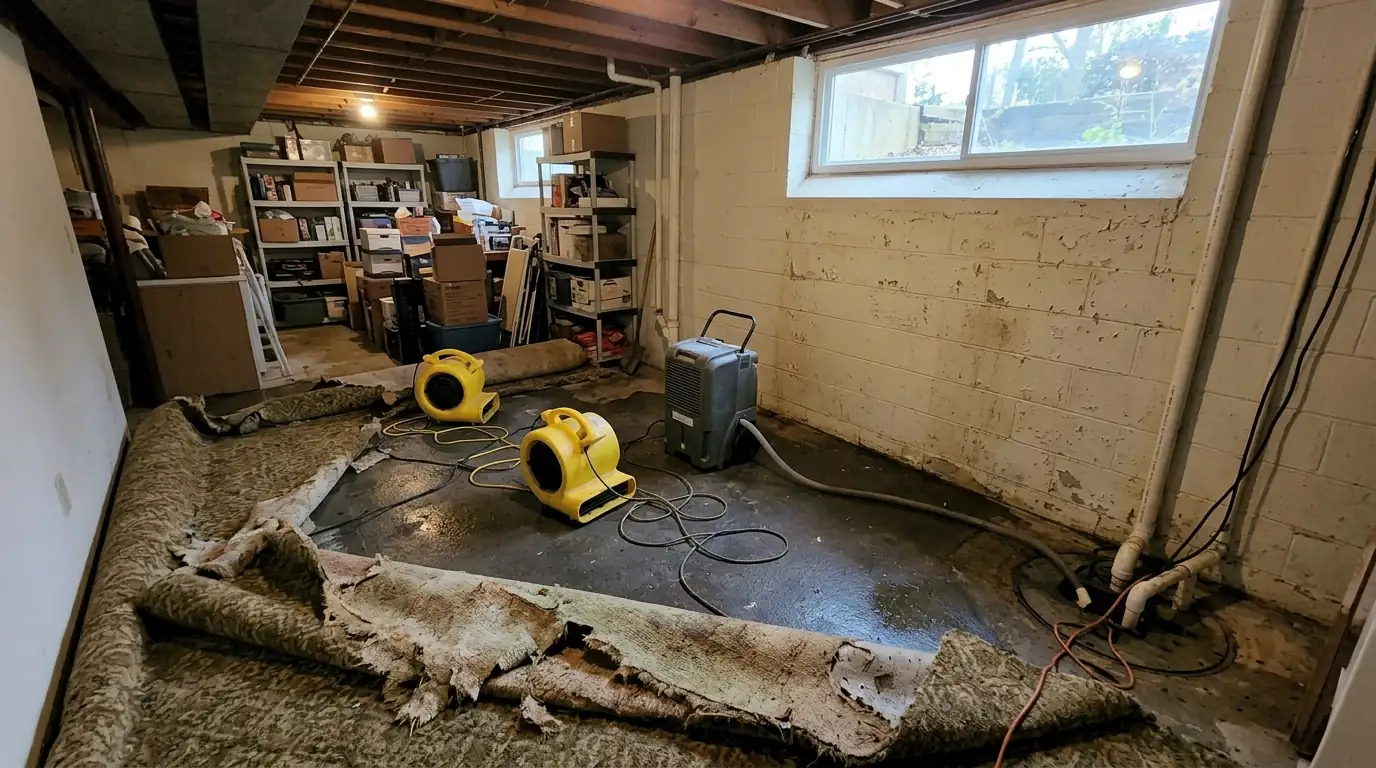
A storm trips the pump's circuit and the pit overflows across the lower level. We extract the water, pull wet carpet pad and the bottom foot or two of drywall, and dry the block wall and framing until readings match dry reference points elsewhere in the house.
Water heater leak in a finished utility room
An aging tank leaks slowly behind a closet door, and the first sign is a musty smell or swollen baseboard in the next room. We trace the moisture with meters, open the affected wall cavities, and check the back of the drywall for mold before drying.
Ceiling stain under an upstairs bathroom
In a two-story colonial, a failing toilet seal or tub drain leaks into the kitchen or dining room ceiling below. We cut an inspection opening, dry the joist bay with directed air, and replace the drywall once the framing reads dry.
Dryer fire in an end-unit townhouse
A lint fire in the laundry closet stays small, but soot drifts through the house and into the HVAC returns. We clean soot from walls and contents, run HEPA air scrubbers, and treat odor in the ductwork as well as the room where the fire started.
Where in Montgomery County do we work, and what changes from town to town?
We work across the whole county, from the county seat in Rockville, around 20850, to the inner suburbs on the DC line. Several communities have their own pages because their houses behave differently. Bethesda mixes downtown condo towers with older detached homes. Silver Spring has 1930s to 1950s brick colonials and garden apartments. Rockville is split-level and townhouse country, and Gaithersburg adds the Kentlands and Lakelands.
Kensington and Takoma Park hold some of the oldest frame houses in the county, with plaster walls and stone or brick cellars. Wheaton is built on postwar ramblers and Cape Cods, and Potomac brings large homes on large lots, some on wells.
What should you expect when we arrive at a Montgomery County home?
Most jobs here start in a finished basement, so the first task is finding where the water went, not just where it showed up. We map the wet area with a pin meter and a thermal camera, pull baseboard to check the bottom plate, and lift a corner of carpet. Pad that soaked up clean water usually comes out; the carpet itself can often be dried in place.
Townhouse HOAs sometimes limit where a trailer or dumpster can sit, so we ask about the rules before tearing anything out. If a sump pump failed, we can replace it and add a battery backup once the space is dry. We photograph every room and keep a daily moisture log for your records. Sudden pipe bursts are often covered, while groundwater seepage and sewer backups often need an endorsement, so check your policy.
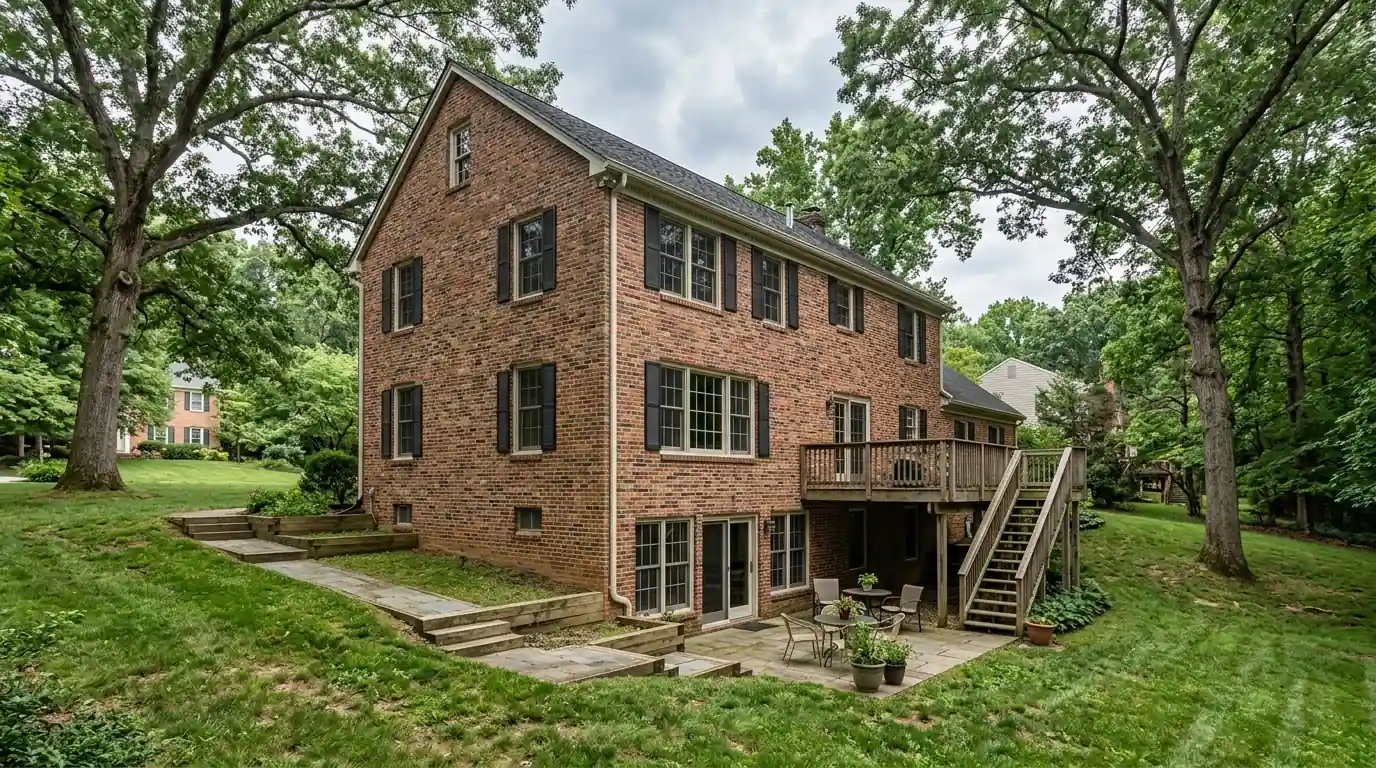
Typical homes in this part of the DC area
Nearby areas we also cover
Questions from Montgomery County homeowners
Do you serve upcounty areas like Germantown and Olney, or only the towns near DC?
We work across the whole county, including Germantown, Clarksburg, Olney, Damascus and Poolesville. Upcounty homes are often newer, with poured basement walls and sump pumps, so the jobs lean toward sump failures, appliance leaks and finished basements rather than old stone foundations. Call (202) 989-3053 from anywhere in the county.
Who do I call about a sewer backup in Montgomery County besides a cleanup company?
Call your sewer utility first, which is WSSC Water for most of the county, so it can check whether the public main is blocked. If the main is clear, the blockage is usually in your own house line and needs to be cleared before cleanup starts. We then remove affected porous materials, disinfect and dry, treating the water as Category 3 throughout.
Is basement mold common in Montgomery County homes even without a flood?
Yes. Finished basements here hold damp air through the humid summer months, and carpet laid over a concrete slab stays cool enough to collect condensation. We often find mold on the back of drywall along exterior walls and on stored cardboard. Mold can trigger allergy and asthma symptoms in sensitive people, so we test when the situation is unclear and remove it under containment when it is not.
Water or mold trouble in Montgomery County?
Call JEC Restoration any time. We answer 24/7 and talk through what you are seeing before anyone touches a wall.