Washington, DC neighborhood
Sewage backup & leak cleanup in Congress Heights, Washington, DC 20032
In Congress Heights, a clogged stack or a radiator leak in a garden apartment building often reaches several units, and the terrace-level apartments take the worst of it. We extract the water, clean up sewage and dry each unit.
In Congress Heights (20032), JEC Restoration cleans up sewage backups, water damage, mold and fire residue in garden apartments, rowhouses and duplexes. We extract and disinfect after drain backups, dry multiple units with separate moisture logs, and remove mold under containment. Owners, tenants and property managers can call (202) 989-3053, answered 24/7.
Why do leaks in Congress Heights garden apartments spread to more than one unit?
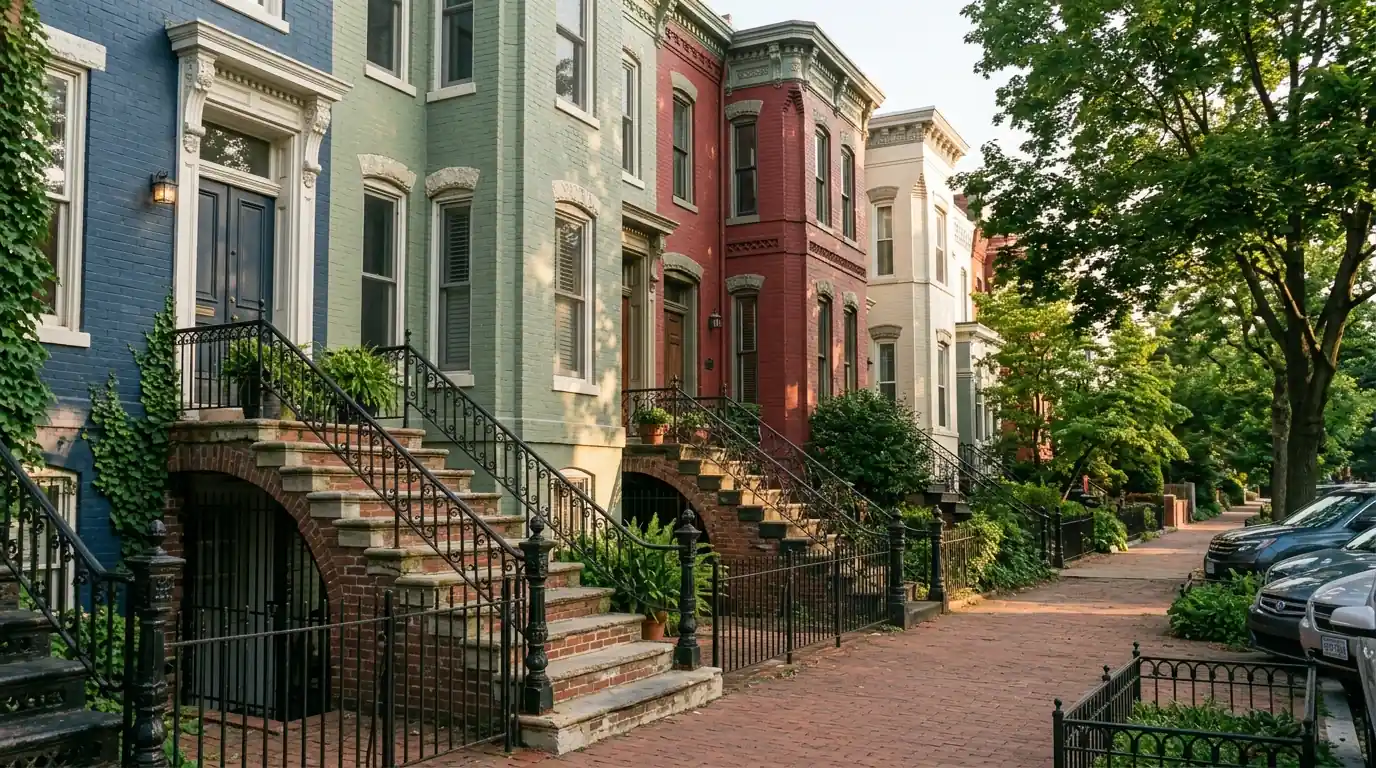
Much of the housing along and off Martin Luther King Jr Avenue SE is mid-20th-century garden apartments: two- and three-story brick walk-ups grouped around shared lawns and parking courts. Between them are blocks of brick rowhouses and semi-detached duplexes, many with basements, built in the same postwar decades. The buildings are solid masonry, but their plumbing is old. Kitchens and bathrooms stack directly above one another and share cast-iron drain lines, so a clog low in the stack sends wastewater up through the sink or tub in the lowest unit while the units above keep draining into it.
Terrace-level apartments, set half below grade, sit at the bottom of every path water can take. They catch overflow from the units above, groundwater through the foundation walls, and backups from the shared laundry room drain. Hot-water radiators fed by a central boiler add another source when an old valve or a corroded radiator section leaks into the floor below. Walls are often plaster or drywall over block, and floors are tile or carpet over concrete, so water spreads along the slab before it shows. When a drain backup is involved, our sewage cleanup process treats every affected unit as Category 3 until testing and cleaning say otherwise.
Most-called services in Congress Heights
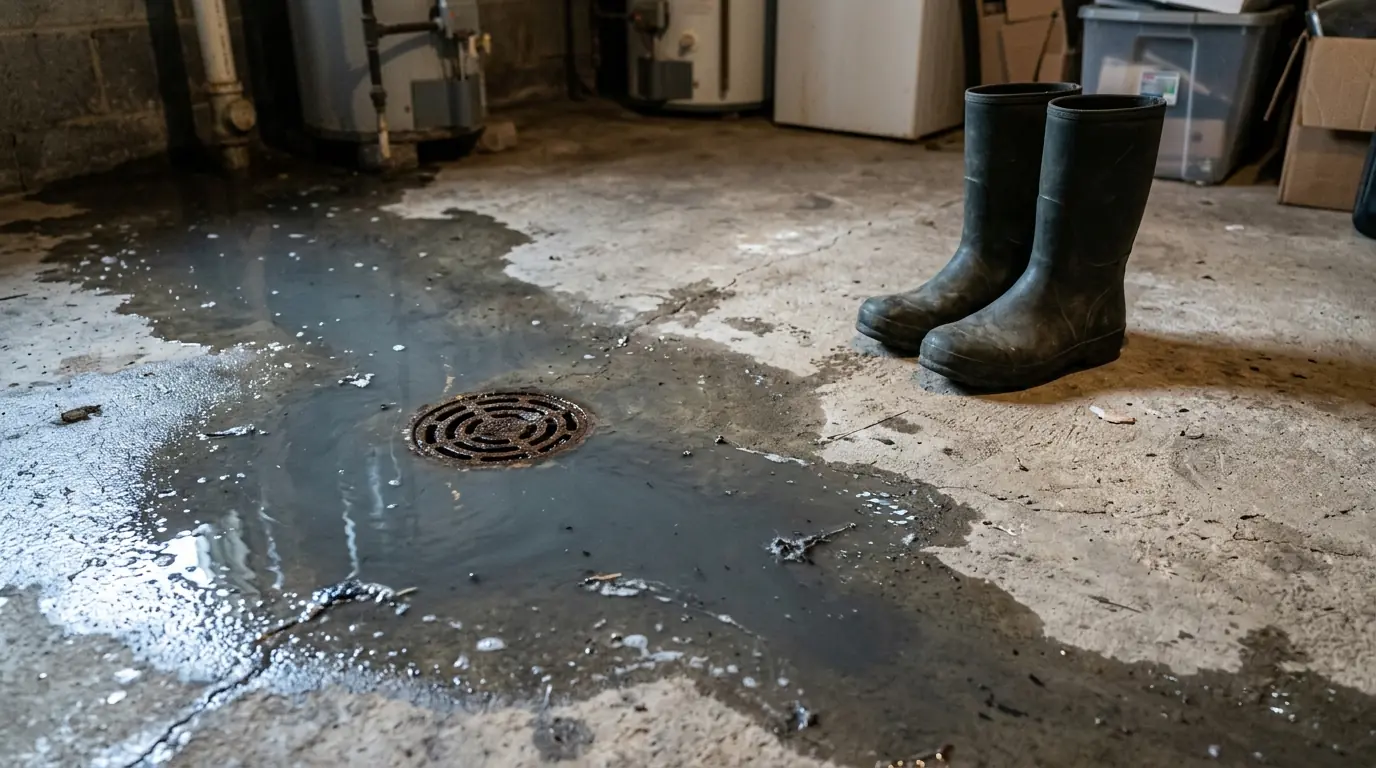
Sewage Backup Cleanup
Sewage backup cleanup is the removal of wastewater and the porous materials it soaked, followed by cleaning, disinfection and drying of the affected area.
How we handle it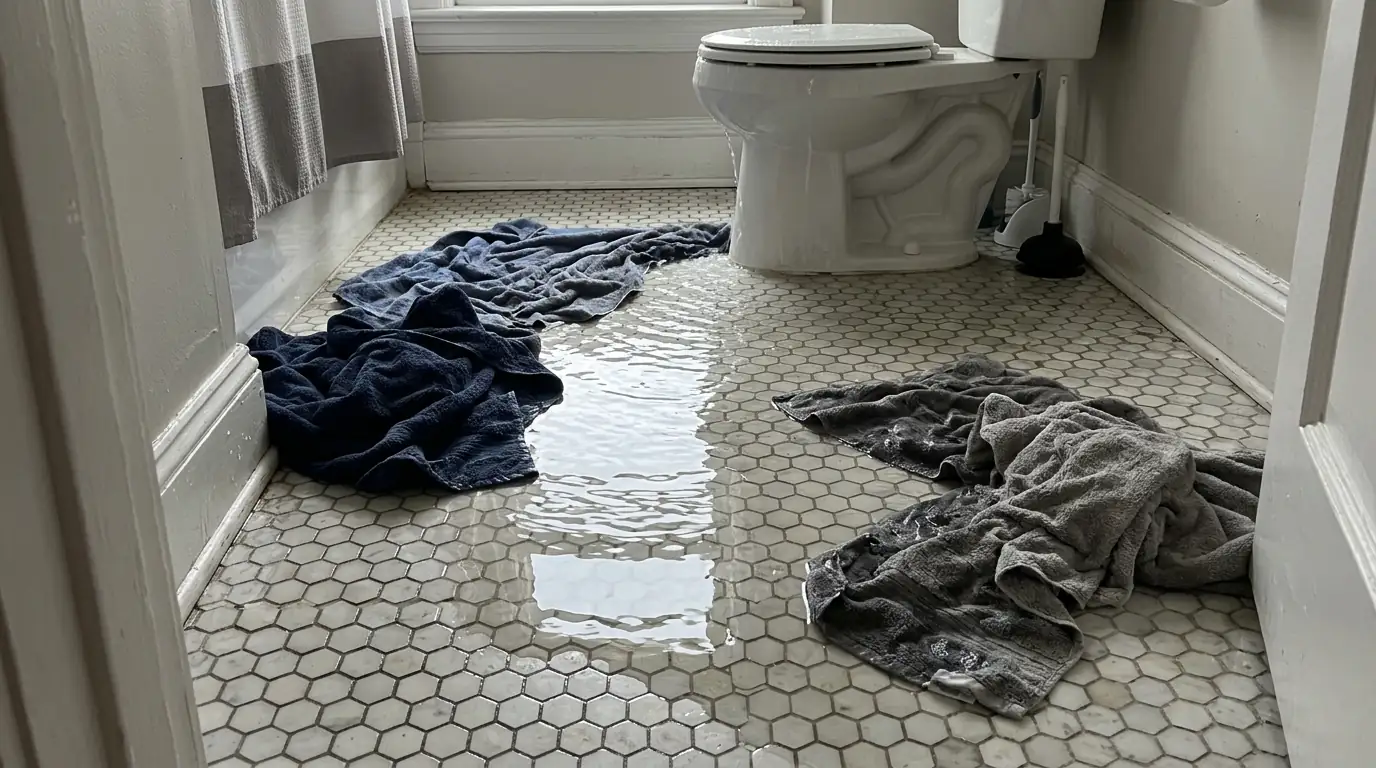
Toilet Overflow Cleanup
Toilet overflow cleanup is the removal, disinfection and drying that follows water escaping from a toilet bowl, tank, supply line or wax ring seal.
How we handle it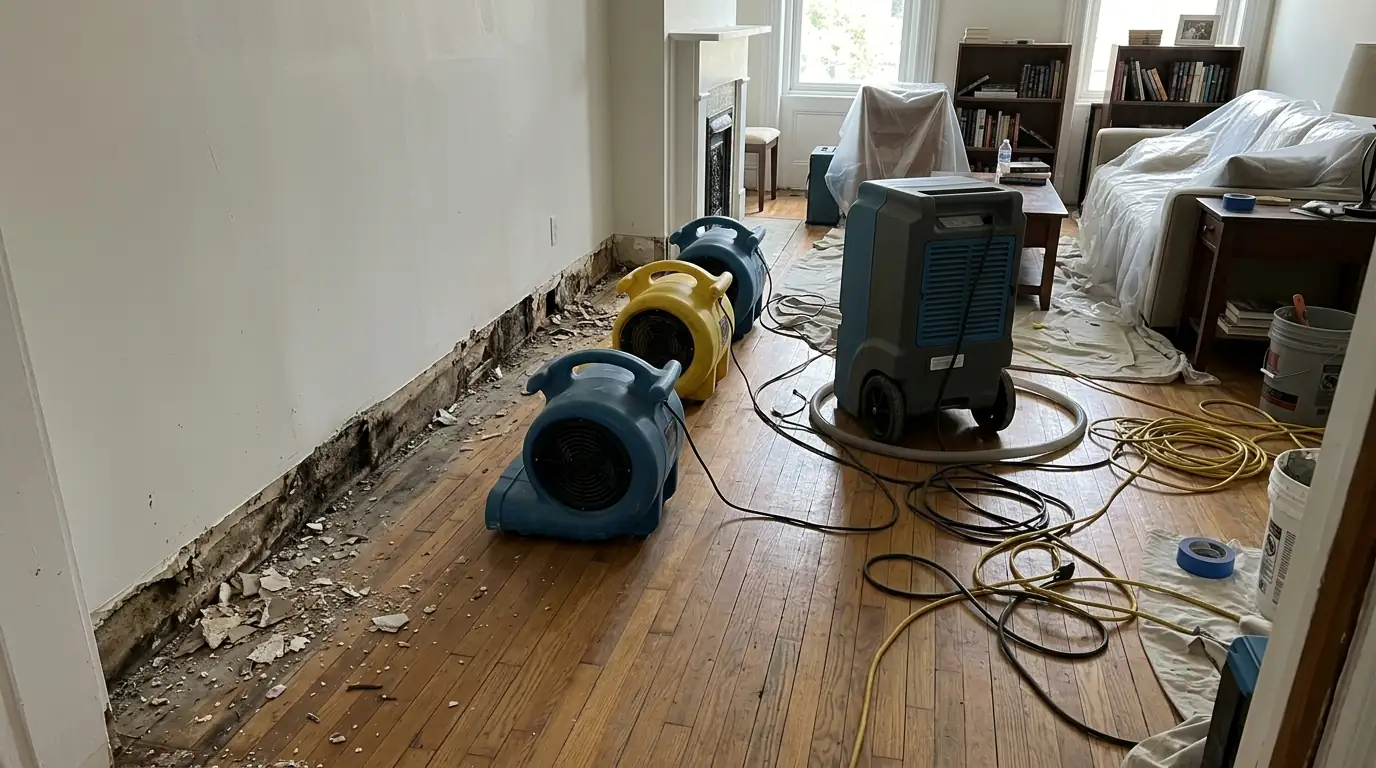
Water Damage Restoration
Water damage restoration is the full sequence after a leak or flood: stopping the source, extracting standing water, removing materials that cannot be saved, drying walls and floors with dehumidifiers and air movers, and logging moisture readings until they reach a dry standard.
How we handle it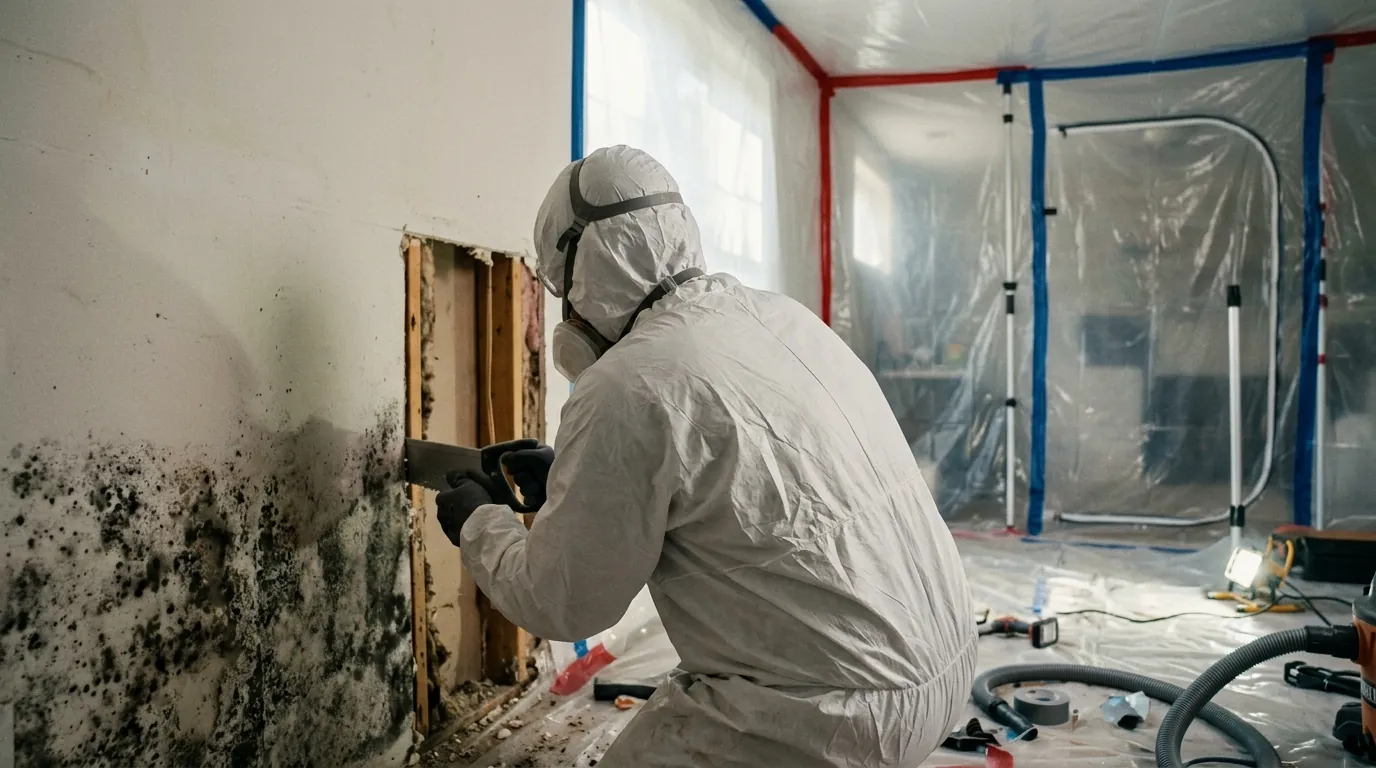
Mold Remediation
Mold remediation is the controlled removal of mold growth from a building.
How we handle it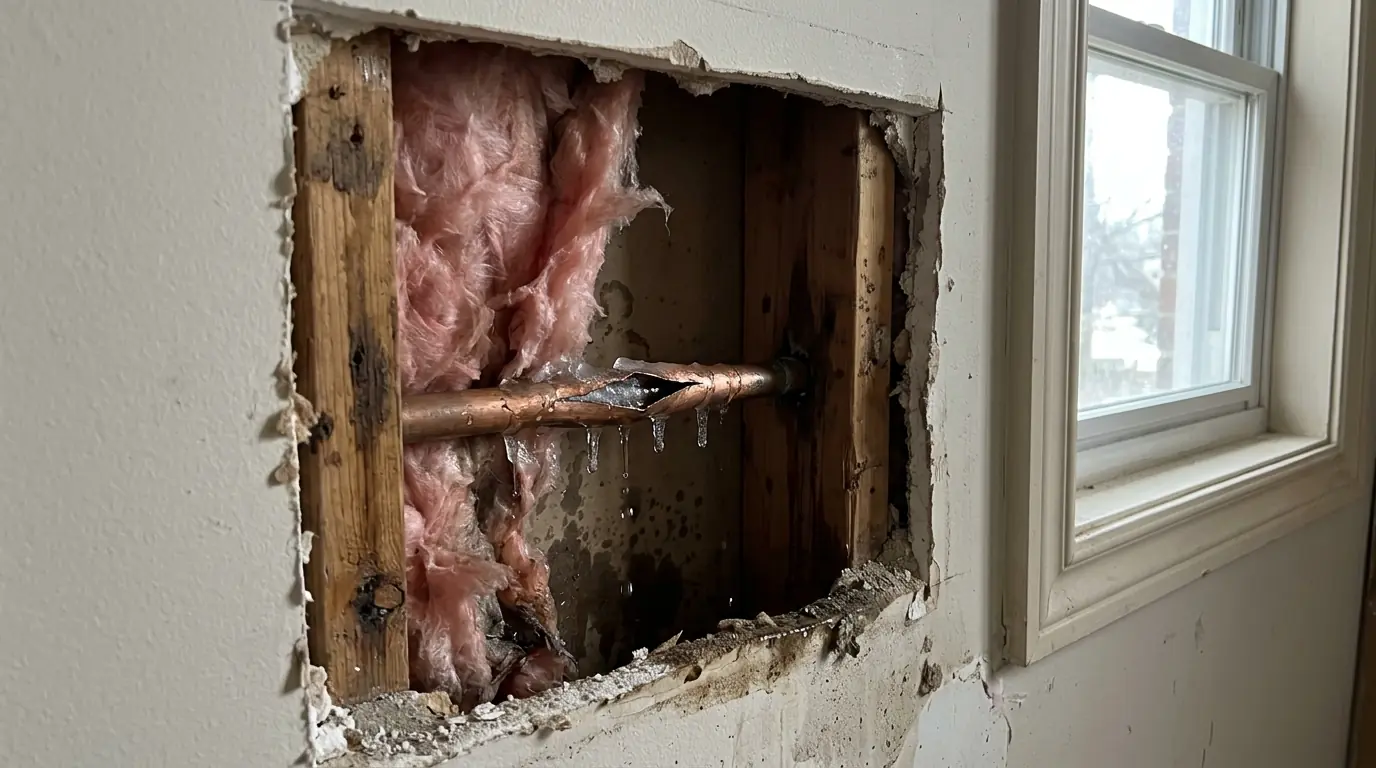
Burst Pipe Cleanup
Burst pipe cleanup deals with the water a split supply or heating line leaves inside walls, floors and ceilings: opening the wall at the break, extracting water, removing soaked insulation, and drying the cavities and the rooms below.
How we handle itHow do storms, Oxon Run and old sewer lines affect homes here?
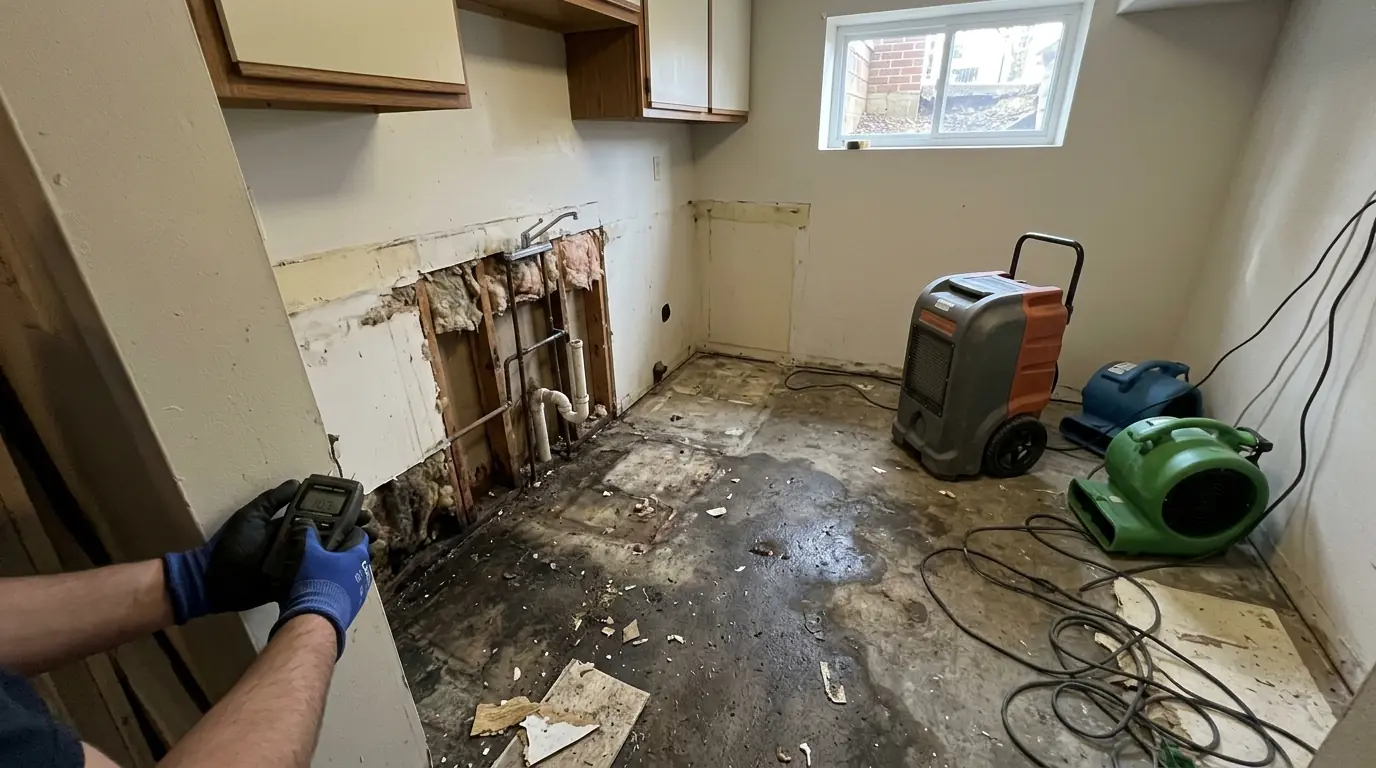
Congress Heights sits on high ground above the Potomac and Anacostia, with Oxon Run flowing through the long park along its southern side. The ridge means river flooding is rarely the issue. The water problems come from the hills themselves: summer thunderstorms dump heavy rain on sloped streets and parking lots, the runoff collects against the lowest walls of buildings, and window wells and areaway steps at terrace units fill up. Parts of the low ground near Oxon Run hold water for a while after a big storm, and yards on the slopes above it send runoff downhill toward foundations.
Underground, the sewer laterals that connect older buildings to the city main are often clay or cast iron and decades past their design life. Roots crack them, grease narrows them, and a full blockage forces wastewater back into the lowest drain. In January and February, pipes in unheated stairwells, exterior walls and crawl spaces freeze when a cold snap settles in. If your building has a recurring backup, a camera inspection of the lateral and a backwater valve usually address the cause, and our article on reading a wet basement floor helps sort out which problem you have.
Typical calls we get from Congress Heights
Kitchen stack backup in a terrace-level unit
A grease clog in a shared cast-iron stack forces wastewater up through the kitchen sink of the lowest apartment. We extract, remove contaminated flooring and lower drywall, disinfect the slab and walls, and check the units above for wet cabinets.
Radiator valve leak into the apartment below
An old radiator valve drips for days before it is noticed, staining the ceiling of the apartment below. We find the wet zone with a thermal camera, open the affected ceiling section and dry the joists and plaster before repairs.
Laundry room drain overflows during a storm
A heavy downpour overloads the building lateral, and the basement laundry room floor drain backs up into a terrace unit next door. We remove the water, discard contaminated carpet and pad, disinfect and dry both spaces.
Mold along a cold exterior wall
A tenant finds dark growth behind furniture against an exterior block wall in a corner bedroom. We measure moisture, contain the room, remove affected drywall, HEPA vacuum and treat the wall, and recommend steps to keep humidity down.
What should owners and tenants expect when we clean up a multi-unit building?
We work with whoever controls the building, whether that is a property manager, a small landlord, a condo association or a homeowner with a rental unit. On the first visit we trace the water, check every unit below and beside the source, and set up drying in each one. Each unit gets its own moisture map and photo log, which matters later when the owner, the tenants and different insurers each need to see what happened in their space. Check your policy: building owners and renters carry different coverage, and drain backups often need a separate endorsement.
Tenants usually stay in place during drying if the unit is safe and the water was clean. After a sewage backup, we may recommend that a household stay elsewhere until the affected rooms are cleaned and disinfected. Parking courts make it easier to stage equipment than on a rowhouse block, but we still keep cords and hoses out of shared stairwells and exits. Near the St. Elizabeths campus, where the East Campus arena hosts games and concerts, event traffic can slow access, and we plan around it. Once readings clear, we move on to rebuilding the damaged rooms.
Typical homes in this part of the DC area
Nearby areas we also cover
Questions from Congress Heights homeowners
Who pays for cleanup when sewage backs up into a Congress Heights rental apartment?
That depends on the lease, the cause of the backup and the policies involved, so check your policy and talk to your landlord or property manager right away. The building owner's policy usually addresses the structure, and a renter's policy may cover personal belongings if it includes backup coverage. We document the cause and the damage in each unit so everyone works from the same record.
Can I stay in my apartment while it is being dried?
Often yes, if the water was clean and the electrical system is safe. Drying equipment is noisy and runs around the clock for several days, but most households manage. After a sewage backup, we usually recommend staying elsewhere until the affected rooms are cleaned and disinfected, especially for children, older adults or anyone with breathing problems.
Why does the same drain keep backing up in our building?
Repeated backups at the lowest drain usually point to the building's sewer lateral: roots, grease buildup, a sag in the line or a crack. Heavy rain can make it worse where storm runoff enters the system. A camera inspection by a plumber shows the cause, and a backwater valve can stop sewage from rising into the building while the line is repaired.
Water or mold trouble in Congress Heights?
Call JEC Restoration any time. We answer 24/7 and talk through what you are seeing before anyone touches a wall.