Prince George's County, MD
Rental leak & mold cleanup in College Park, MD 20740
Around the University of Maryland, houses change tenants every year, and small leaks go unreported until they become soft subfloors and moldy closets. We dry, clean and repair College Park rentals and owner-occupied homes alike.
JEC Restoration handles water damage, mold, smoke and sewage cleanup in College Park, including rental houses near campus and the post-war neighborhoods along the Paint Branch. Landlords, property managers and homeowners can call (202) 989-3053 at any hour. We document moisture readings and damage so owners and tenants work from the same record.
Why do College Park rentals and post-war Cape Cods hide so much water damage?
Much of College Park's housing went up in the 1940s and 1950s as the university grew: brick and frame Cape Cods, small colonials and ramblers with partial basements, plus older early-1900s houses in Old Town and Calvert Hills closer to campus. A large share now belongs to landlords and is rented by the room to students. That arrangement is hard on a house. Bathrooms handle four or five showers a morning, exhaust fans get switched off because they are loud, and nobody wants to be the tenant who reports a drip.
The result is damage that builds slowly. A loose toilet flange rots the subfloor under vinyl. A tub surround with failed caulk wets the wall cavity behind it. In a Cape Cod, the knee-wall spaces behind the upstairs bedrooms trap warm, moist air against cold roof sheathing in winter, and mold shows up on the underside of the roof deck. When we open these spaces, we often find fresh water alongside old staining, and we sort out which damage is new before anyone talks to an adjuster.
Most-called services in College Park
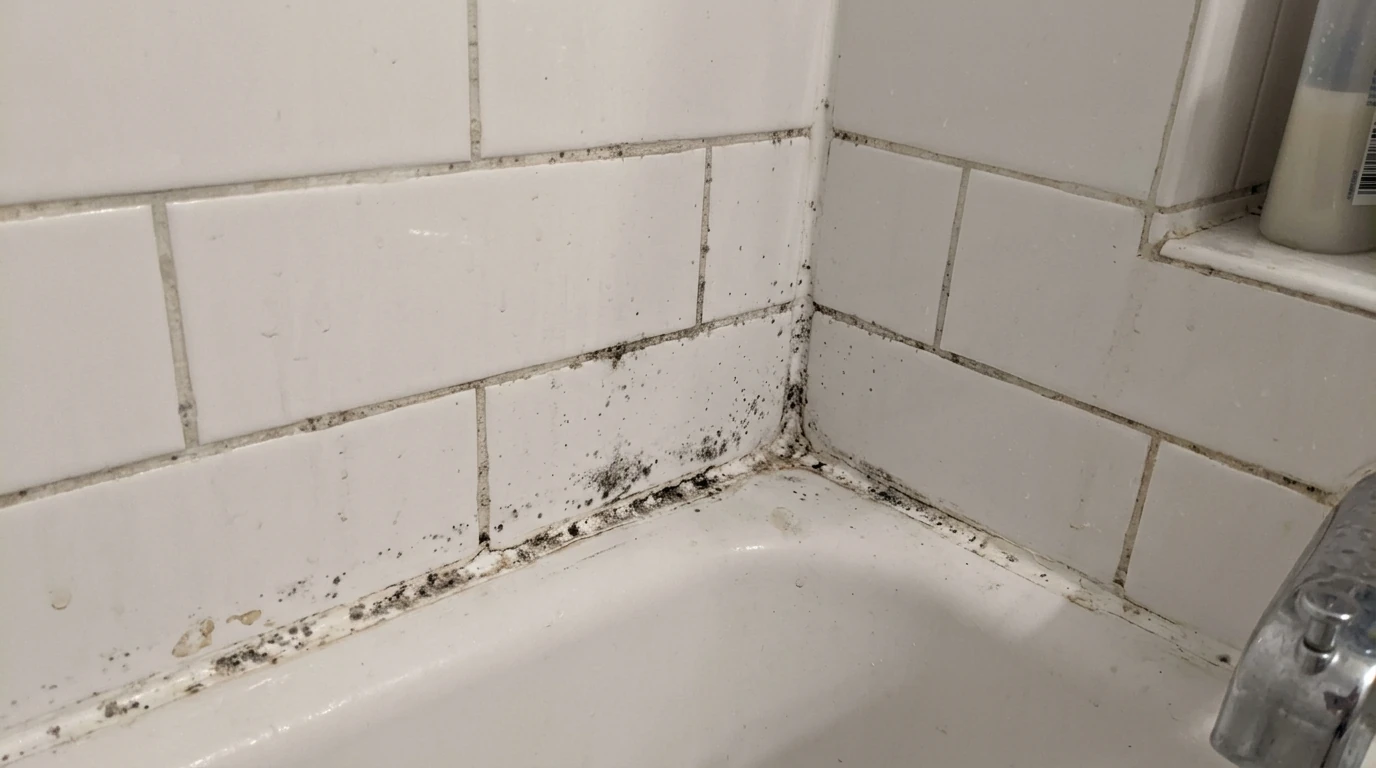
Bathroom Mold Removal
Bathroom mold removal ranges from cleaning surface growth on grout, caulk and painted ceilings to opening tile walls where a failed shower pan, valve or drain has wet the cavity.
How we handle it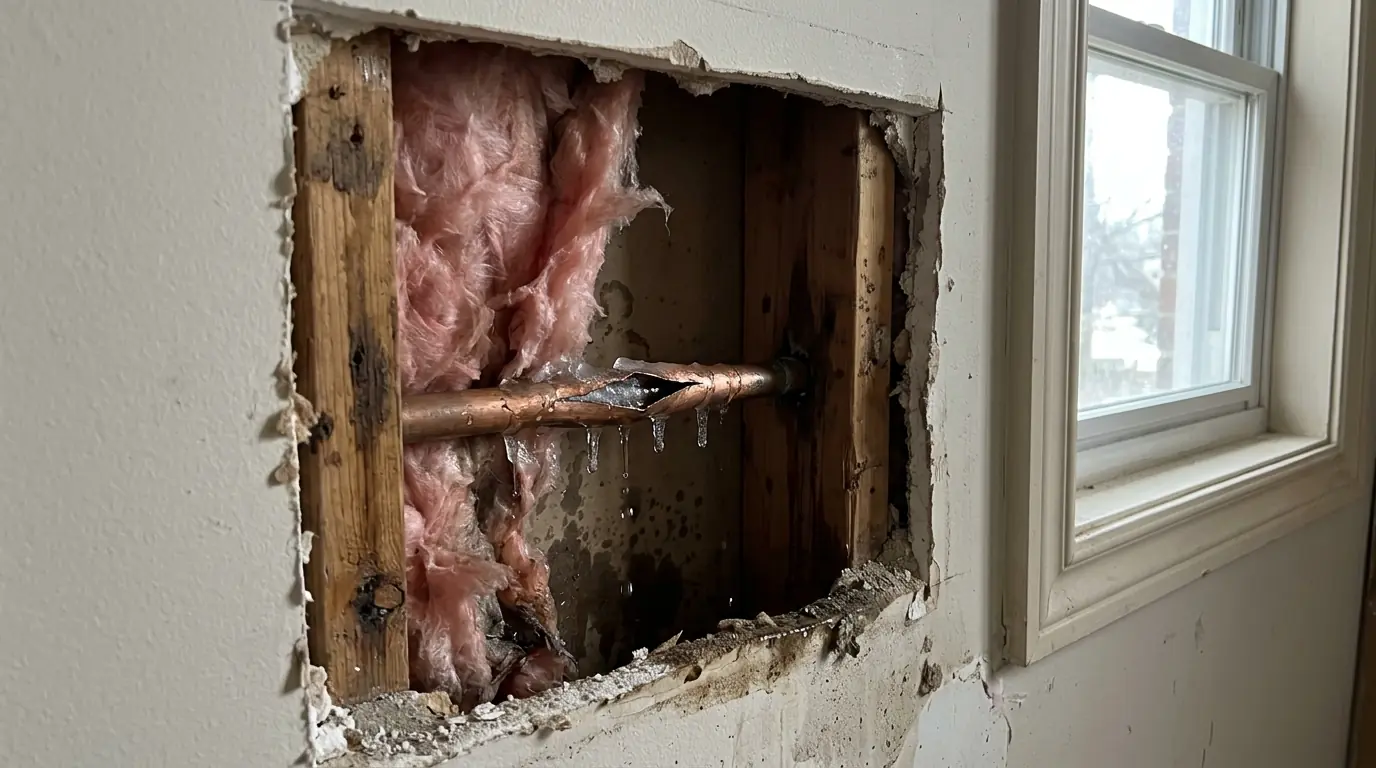
Burst Pipe Cleanup
Burst pipe cleanup deals with the water a split supply or heating line leaves inside walls, floors and ceilings: opening the wall at the break, extracting water, removing soaked insulation, and drying the cavities and the rooms below.
How we handle it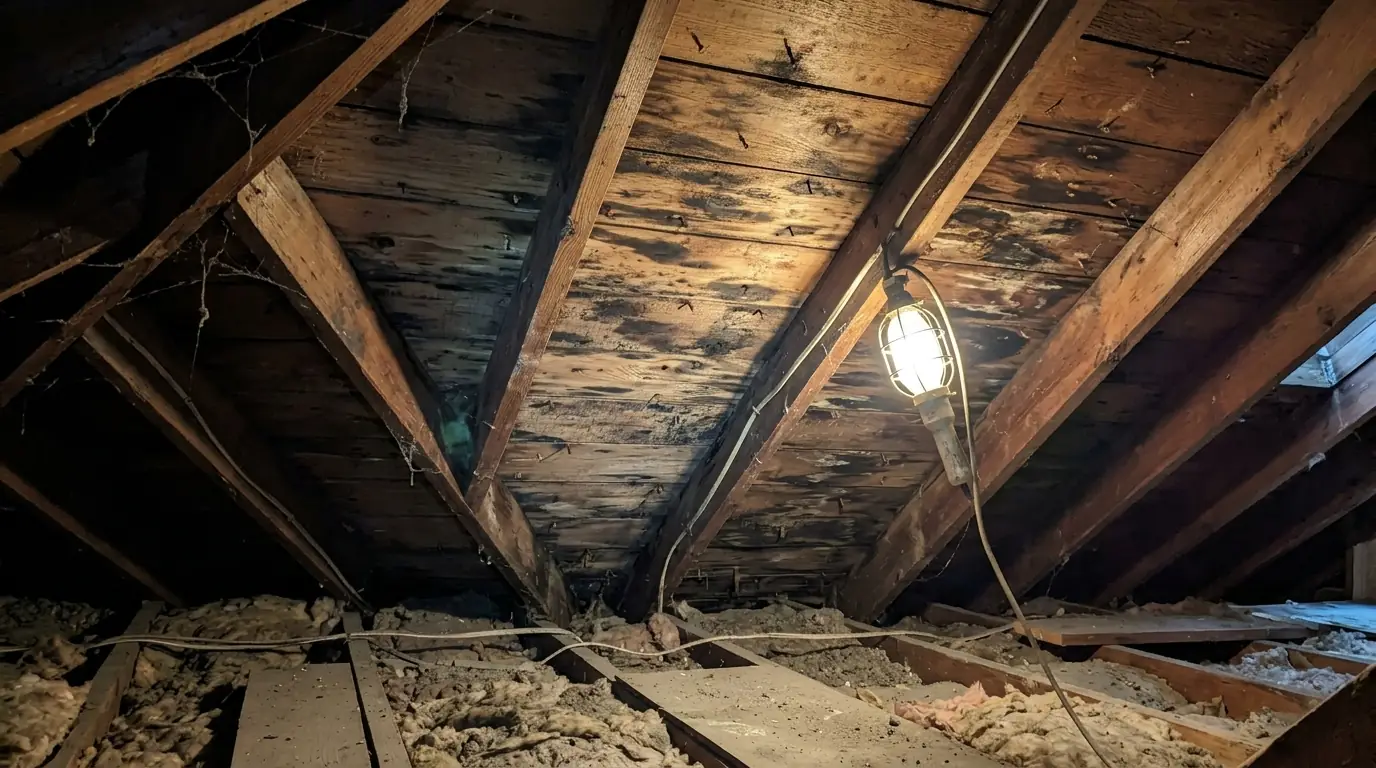
Attic Mold Removal
Attic mold removal cleans growth from roof sheathing, rafters and trusses, removes damaged insulation, and corrects the moisture source, which is usually household air leaking or being vented into the attic and condensing on cold wood in winter.
How we handle it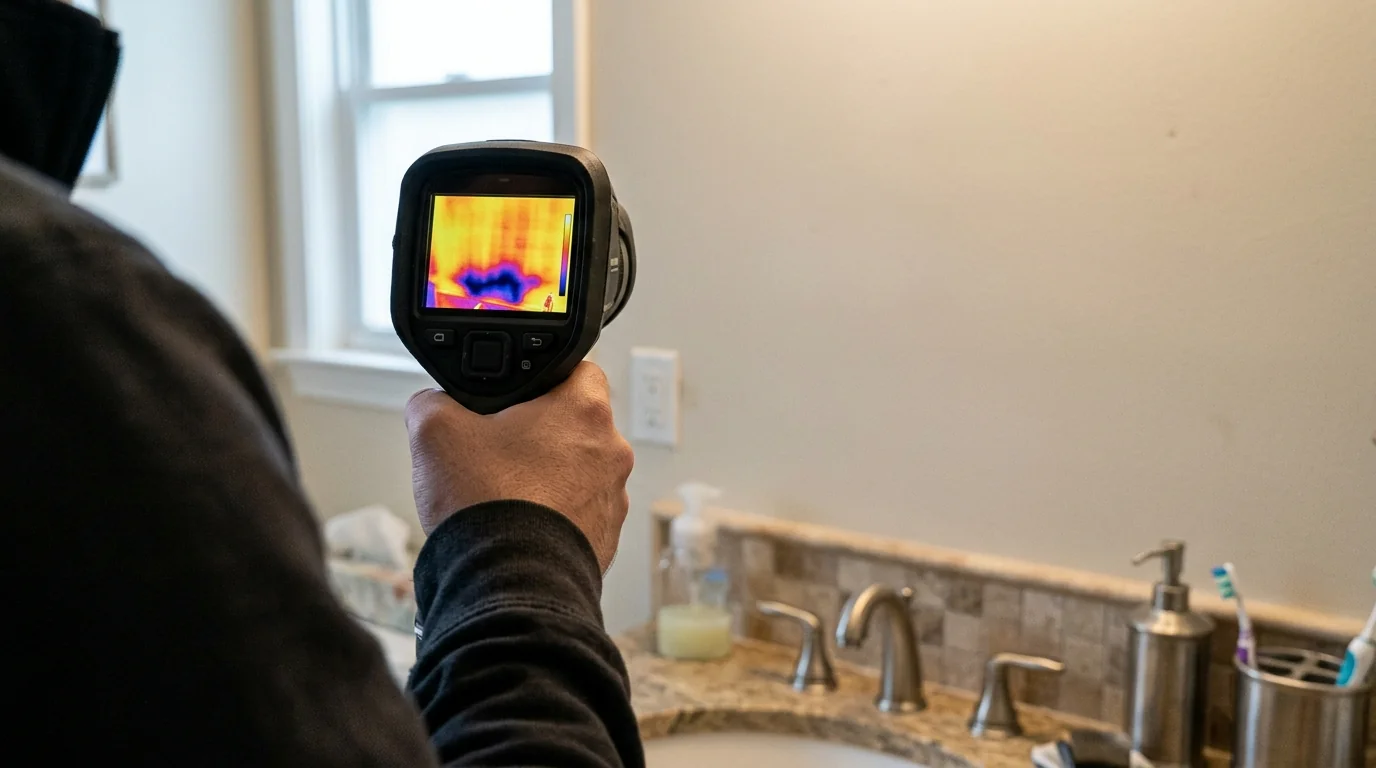
Moisture & Leak Detection
Moisture and leak detection is a non-invasive survey that finds where water is hiding in walls, ceilings and floors and how far it has spread.
How we handle it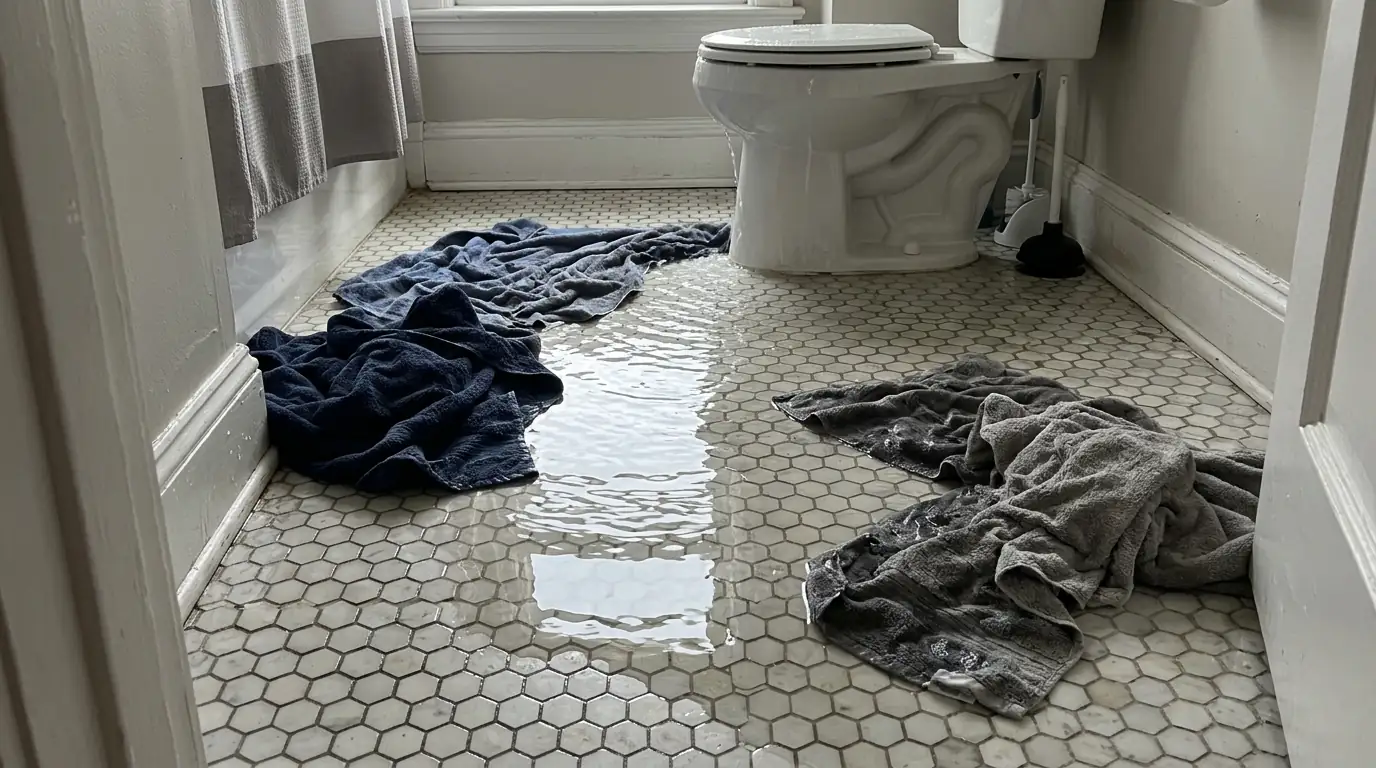
Toilet Overflow Cleanup
Toilet overflow cleanup is the removal, disinfection and drying that follows water escaping from a toilet bowl, tank, supply line or wax ring seal.
How we handle itHow do the Paint Branch and campus-area storms send water into basements?
The Paint Branch runs along the east side of the university campus and joins Indian Creek to form the Northeast Branch of the Anacostia. Low-lying streets near the stream have long had flooding problems, and houses there tend to have damp basements and crawl spaces even in dry months because the water table sits close to the slab.
Summer thunderstorms are the other big source. Heavy rain overwhelms storm inlets along Baltimore Avenue and the side streets, water runs toward the lowest yards, and exterior basement stairwells fill when their drains are packed with leaves. In winter, the risk shifts to frozen pipes in uninsulated crawl spaces and in the outside walls of additions that were stacked onto small houses to add bedrooms. A split pipe in a house left empty over winter break can run for days before anyone sees it, which is why burst pipe cleanup is a regular January call across 20740.
Typical calls we get from College Park
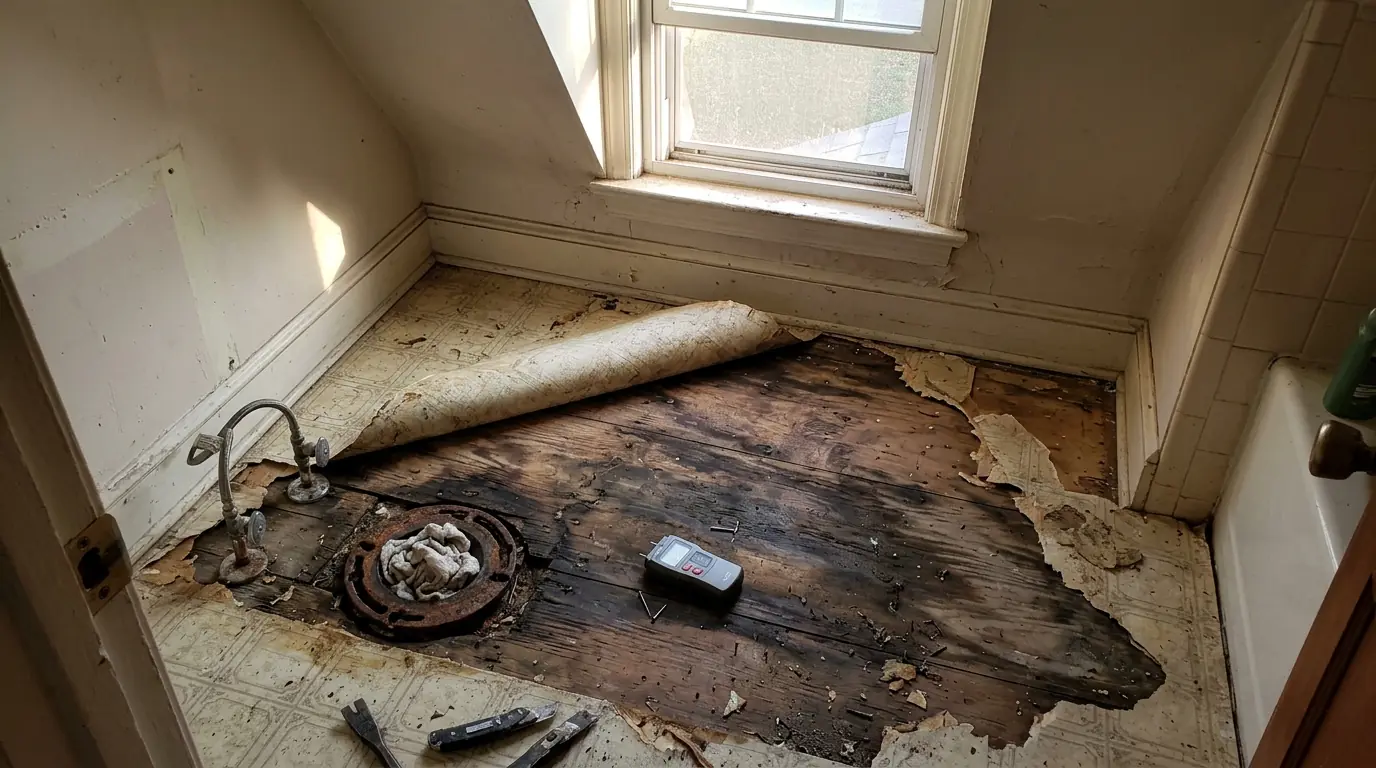
Toilet leak rotting a rental bathroom subfloor
A slow leak at a toilet flange in a student rental goes unreported for a semester, and the vinyl starts to lift. We pull the toilet and flooring, measure moisture in the subfloor and joists, dry what can be saved and mark the soft sections that need replacement.
Burst pipe in a house left empty over winter break
A supply line in an uninsulated crawl space freezes while the tenants are away, and water runs until a neighbor notices. We extract standing water, open wet drywall and insulation, and follow a drying plan with daily readings until the framing is back to normal.
Mold on roof sheathing behind Cape Cod knee walls
Dark spotting appears on the roof deck in the knee-wall space beside an upstairs bedroom. We contain the space, HEPA vacuum and clean the sheathing, and look at the bathroom fan and soffit vents that let moist air collect there.
Stairwell drain overflow during a summer storm
Leaves clog the drain at the bottom of an exterior basement stairwell, and storm water pours under the door into a basement bedroom. We extract the water, remove wet carpet and pad, and dry the walls and slab before the room is rented again.
How do we handle a leak when the owner and the tenants are different people?
Rental jobs need two sets of conversations. We talk with the owner or property manager about scope and approval, and with the tenants about access, which rooms we need and which belongings are wet. Tenants usually want to know whether they can stay, and owners want to know how long the rooms will be out of service. We photograph and list damaged items room by room and give the owner and each tenant the same record, which heads off arguments later.
For landlords, a leak found early costs far less to fix. After drying, we point out the usual trouble spots in that house, such as the floor under a second-floor bathroom, the water heater closet and the basement wall that took water last time, and our leak detection work can check them between tenants. Mold that grows from shower humidity in a shared bathroom gets cleaned and the cause fixed, usually with a properly ducted exhaust fan. Growth larger than about 10 square feet goes under containment following EPA guidance, and clearance testing can confirm the cleanup worked before the next group moves in. Owners elsewhere in Prince George's County get the same paperwork.
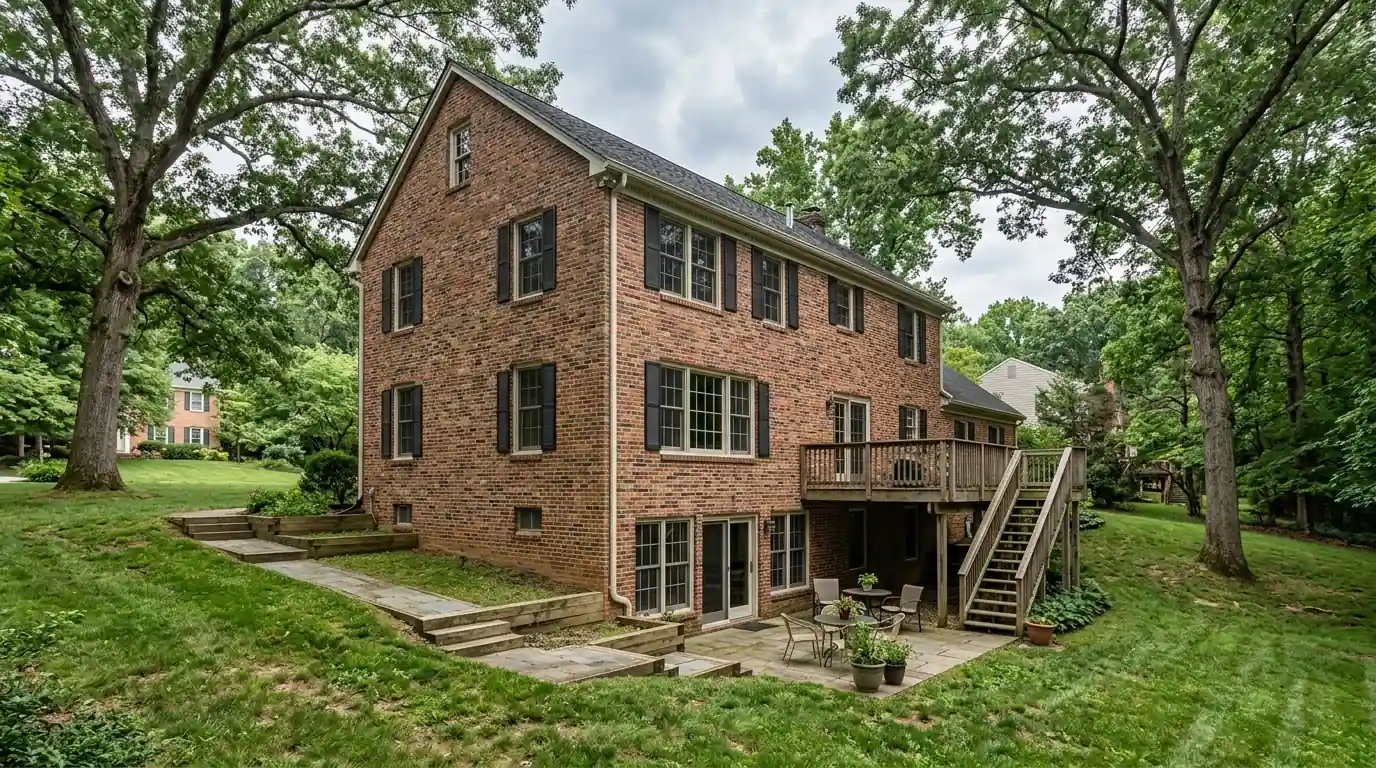
Typical homes in this part of the DC area
Nearby areas we also cover
Questions from College Park homeowners
As a landlord, how do I tell whether damage is new or from a past leak?
Moisture readings, staining patterns and the condition of the materials tell most of the story. Fresh water gives high meter readings and soft, wet drywall, while an old leak leaves dry, hard staining or rot that has been there a while. We note both in our report, which helps when you check your policy, since many policies treat sudden damage differently from long-term seepage or wear.
Can student tenants stay in the house while you dry it?
Often they can, if the work area is limited and the water was clean. Air movers and dehumidifiers are loud and run around the clock for several days, so tenants in the affected rooms may want to stay elsewhere for a few nights. If sewage or mold is involved, we seal off the work area, and anyone with asthma or allergies should keep out of it until cleanup is done.
Should I have mold tested before new tenants move in?
If there was visible growth or a musty odor, clearance testing after cleanup gives you a record that the work was done and the air and surfaces are back in line with normal background levels. It is not needed after every small bathroom cleanup. For a rental, that record helps if a future tenant raises concerns, and it shows the cause was fixed, not painted over.
Water or mold trouble in College Park?
Call JEC Restoration any time. We answer 24/7 and talk through what you are seeing before anyone touches a wall.