Prevention & Repairs
Insurance claim documentation for water, mold and fire damage in Washington, DC
An adjuster decides a claim from the record in front of them. We build that record as we work: photos, moisture logs, drying data and an itemized scope you can hand to your insurer.
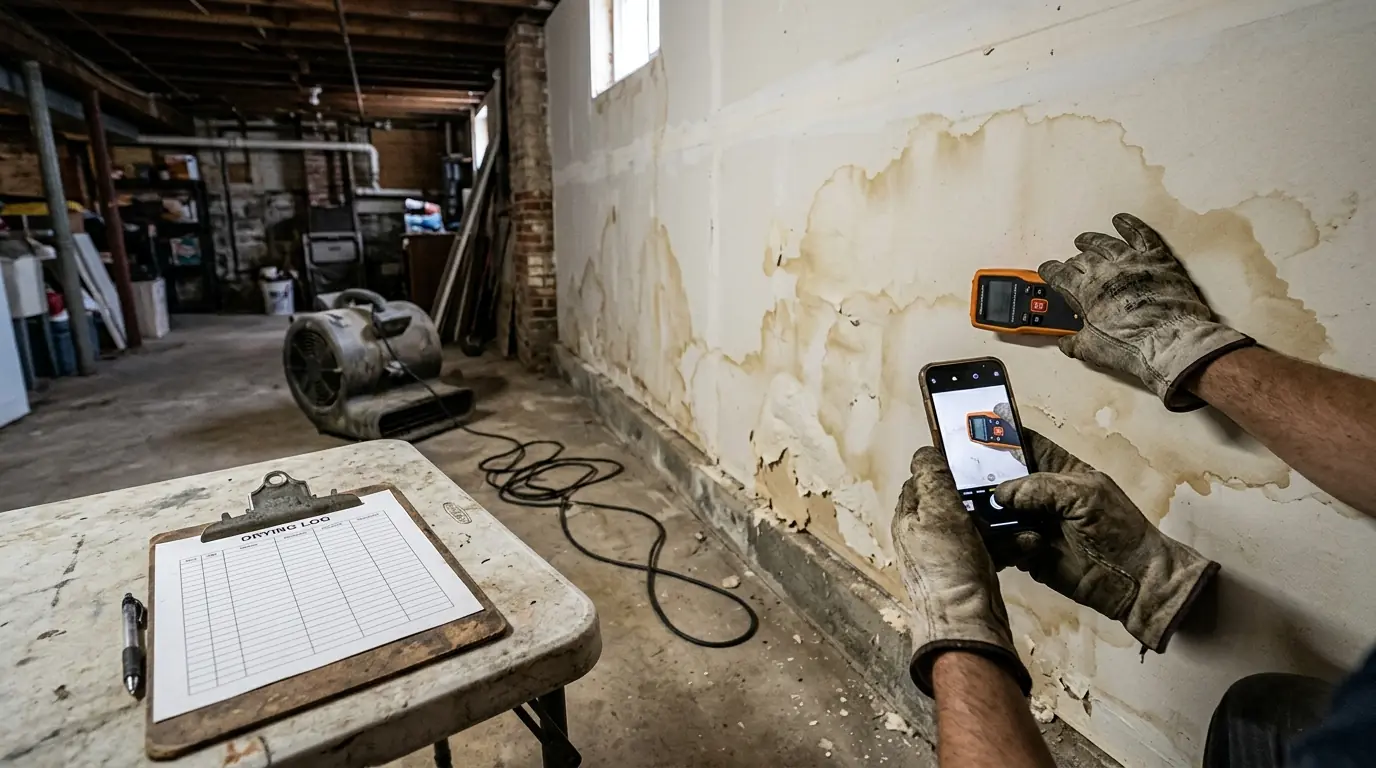
Drying, air and detection equipment on our jobs comes from names like
- Dri-Eaz
- Phoenix
- B-Air
- Abatement Technologies
- Protimeter
- Delmhorst
- FLIR
- Benefect
- Concrobium
- Omnitec
- Sapphire Scientific
- Tramex
Insurance claim help, as we provide it, means documenting the damage and the work so you have what your insurer asks for: dated photos, moisture readings, daily drying logs, equipment records and an itemized repair scope. We give that file to you and, with your permission, to your adjuster, and we answer the adjuster's technical questions about the work. Settlement amounts and coverage decisions stay between you and your insurer.
What does an adjuster need to see from a water or fire job?
Adjusters work through the same questions on almost every property claim. What caused the damage, and when did it happen? How far did it spread? What had to be removed, and why could it not be dried or cleaned in place? How long did drying take, and what equipment ran? A clear, dated answer to each one moves a file forward. A missing answer usually means a request for more information and a longer wait.
Most of that record can only be made while the work is happening. Once wet drywall is gone and the floor is dry, nobody can photograph the water line or take a reading that shows how wet the subfloor was on day one. That is why we start documenting before the first piece of equipment goes in, and why the file grows each day of the job rather than being written afterward. You own the file, and you decide who gets a copy.
How we build your claim file during the job
Documentation runs alongside the mitigation, not after it.
Record the scene first
Before moving anything, we photograph each affected room, the source if visible, and standing water or soot levels. We note the date and time you discovered the damage.
Map moisture or soot
We take readings across walls, floors and ceilings and mark them on a floor plan. On fire jobs, we photograph soot patterns and test surfaces.
Log every removal
Each material removed gets a photo and a short reason, such as wet beyond drying, delaminated or Category 3 contamination.
Track drying daily
We record readings, temperature, humidity and equipment counts on each visit until materials reach the dry reference.
Hand over the file
You get the full set: photos, logs, maps, equipment records and the itemized repair scope. With your permission, we send a copy to your adjuster and answer their questions.
Which records go into the file we hand you?
The file follows the job from first visit to final readings. Each item is dated and tied to a room so an adjuster who was never on site can follow what happened in what order.
Two items matter most on water losses. The moisture map shows where water traveled, which supports removal of materials beyond the visible stain. The drying log shows readings falling day by day until they reach the dry reference, which supports the length of time equipment ran. On mold and fire jobs, the containment photos and the cleaning or clearance results do the same work.
- Photos and short videos of the damage before, during and after work
- The likely source of the water or fire, as observed, with photos
- Moisture maps with readings marked on a floor plan
- Daily drying logs: material readings, temperature and humidity
- Equipment records: what ran, where, and for how many days
- A list of removed materials with the reason each came out
- An itemized scope of work and repair estimate, room by room
Signs your claim file needs more documentation
These are the gaps that most often slow down a residential water or fire claim.
No photos before cleanup
If the water was mopped up and wet items thrown out before anyone took pictures, the extent of the damage is hard to show later.
No moisture readings
Without readings, an adjuster has little to support removal of drywall or flooring that looks fine on the surface.
Unclear cause or timing
A file that does not show where the water came from or when it started invites questions about whether the loss was sudden or long-term.
Discarded items not listed
Damaged belongings thrown away without a list, photo or receipt are difficult to include in a contents claim.
Drying time not logged
Equipment that ran for a week with no daily readings leaves the length of drying open to dispute.
Scope written after the fact
A repair estimate prepared weeks later, without demolition photos, is harder to match to the original damage.
Where does our role stop?
Because we do the mitigation and repair, our documentation describes the damage and the work itself. The claim itself stays yours. Policy interpretation, settlement amounts and coverage decisions sit with you, your agent and your insurer. Those conversations are between you and your insurance company, and if you want an advocate, that is a separate professional you would hire.
What we do is answer technical questions. When an adjuster asks why baseboard was removed in a room that looked dry, why a dehumidifier ran for six days instead of three, or how a stain on the ceiling relates to a leak upstairs, we explain with the readings and photos. If the adjuster wants to see the site, we schedule a time for them to walk it with our technician. That keeps the discussion on facts about the job, which tends to help everyone reach a decision faster.
What is usually covered, and what usually is not?
Coverage depends entirely on your policy and the cause of the damage, so read your policy and confirm with your agent or insurer before assuming either way. Some general patterns hold for many homeowner policies. Damage from a sudden and accidental event, such as a supply line that bursts or a water heater that splits, is often covered. Damage from a slow leak that went on for months, or from wear and tear, is often excluded. Water that enters from surface flooding typically needs a separate flood policy. Sewer and drain backup usually needs its own endorsement, which many DC homeowners do not realize they lack until a storm.
Mold coverage is often limited to a capped amount and tied to a covered water event. Fire and smoke damage is generally a covered peril, but contents, additional living expenses and code-related upgrades each have their own limits. Condo owners have a unit policy that works alongside the building's master policy, and which one pays depends on the bylaws and where the damage started.
What does stand-alone claim documentation cost?
When we handle the mitigation, the photos, logs and scope are produced as part of that job. Documentation on its own, for damage already cleaned up or still untouched, is priced like this.
| Stand-alone moisture survey and photo report | $385-$790 |
|---|---|
| Itemized repair estimate for an existing loss | $460-$1,180 |
| Contents inventory with photos, one to two rooms | $540-$1,260 |
| Adjuster site meeting outside an active job | $215-$395 |
Read these as typical DC-area figures, not quotes; we confirm a price after seeing the damage and what your insurer has requested. Compare ranges across all 40 services.
What moves the price
- Size of the affected area
- Whether we did the mitigation
- Number of rooms in the scope
- Contents to inventory
- Site meetings requested
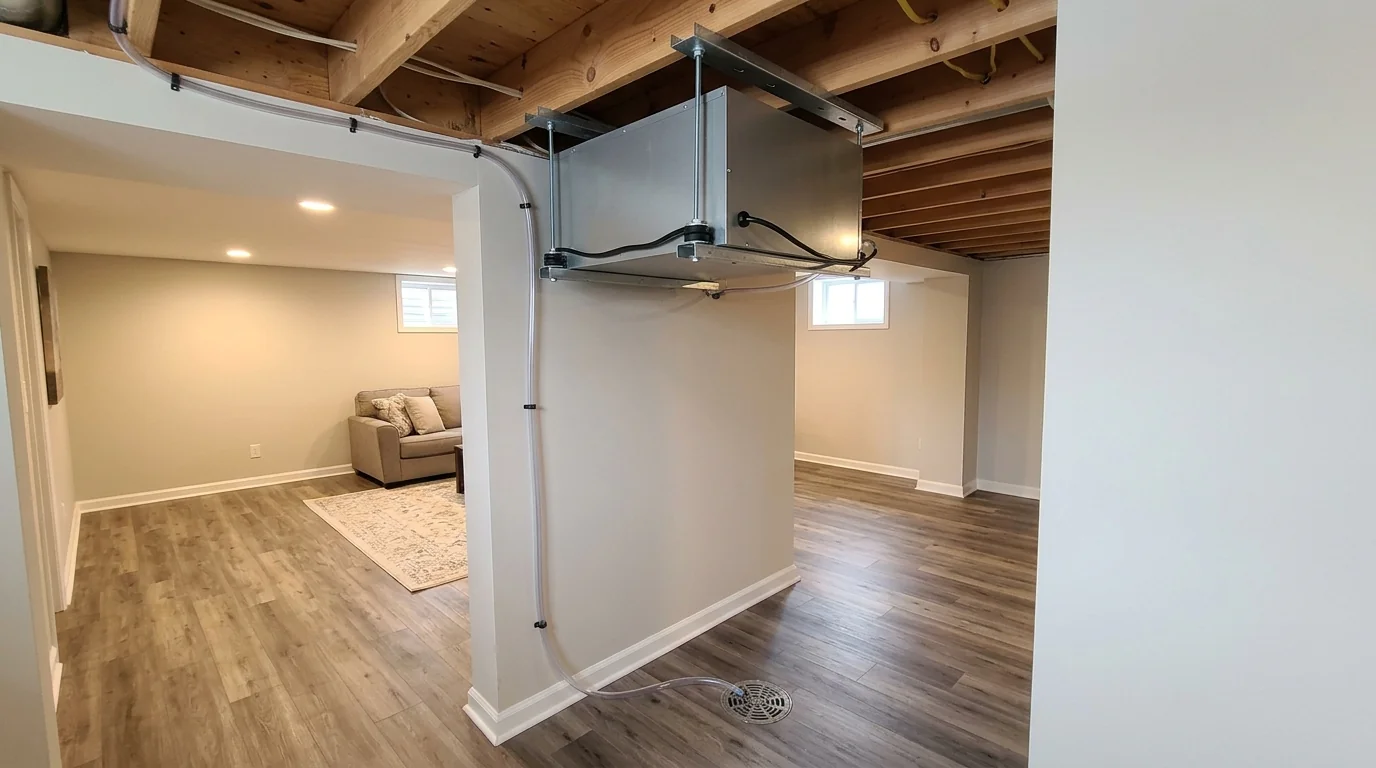
A whole-basement dehumidifier holding humidity down after the work
What makes DC claims different from claims elsewhere?
Several things about housing in the District shape the claims we document. Condo and co-op buildings are everywhere, from converted rowhouses in Dupont Circle to the newer towers around the Navy Yard, and leaks between units raise the question of which policy responds: yours, the neighbor's or the building's master policy. Our moisture maps and photos showing where water traveled are often what all three insurers rely on. Much of the older city drains into a combined sewer, so a summer cloudburst can force sewage back up basement floor drains, and that loss usually depends on whether you carry a sewer backup endorsement. Rowhouse basements near the Anacostia and in low spots across Northeast can take surface water too, which falls under flood insurance instead. English basement apartments add a tenant's own renters policy to the picture. Documenting the cause clearly from the first visit keeps those claims from tangling.
Where we do this work: Washington, DC and nearby Maryland and Virginia, including:
Related work we often do on the same job
Water Damage Restoration
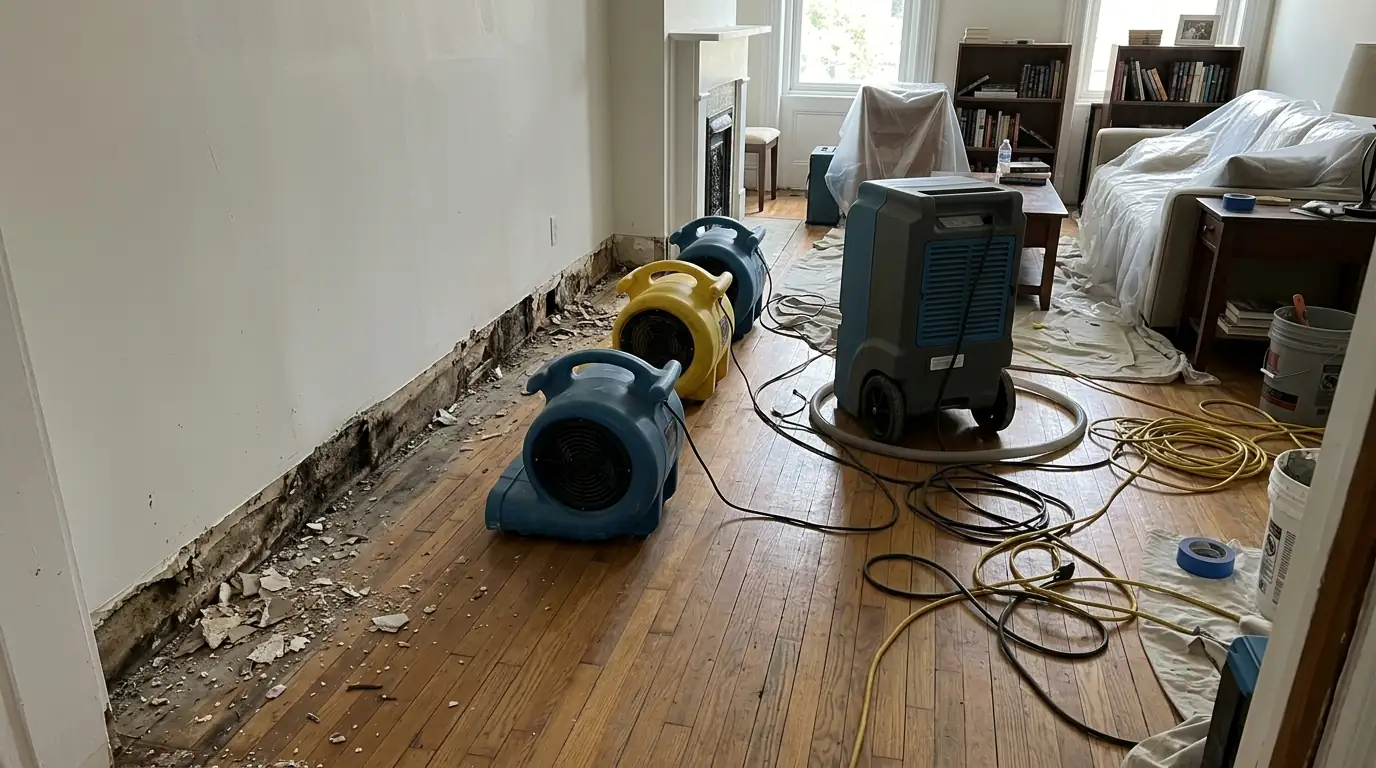
Water damage restoration is the full sequence after a leak or flood: stopping the source, extracting standing water, removing materials that cannot be saved, drying walls and floors with dehumidifiers and air movers, and logging moisture readings until they reach a dry standard.
How we handle it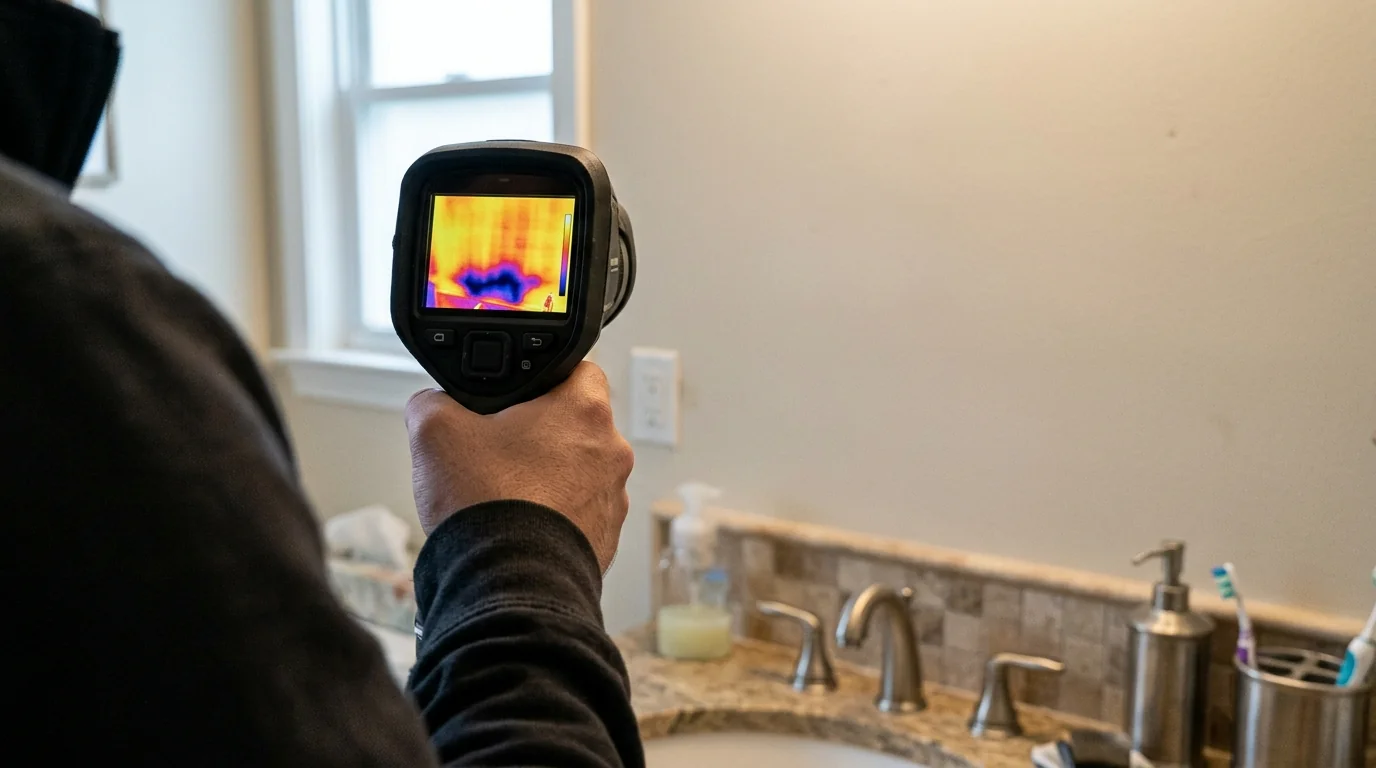
Moisture & Leak Detection
Moisture and leak detection is a non-invasive survey that finds where water is hiding in walls, ceilings and floors and how far it has spread.
How we handle it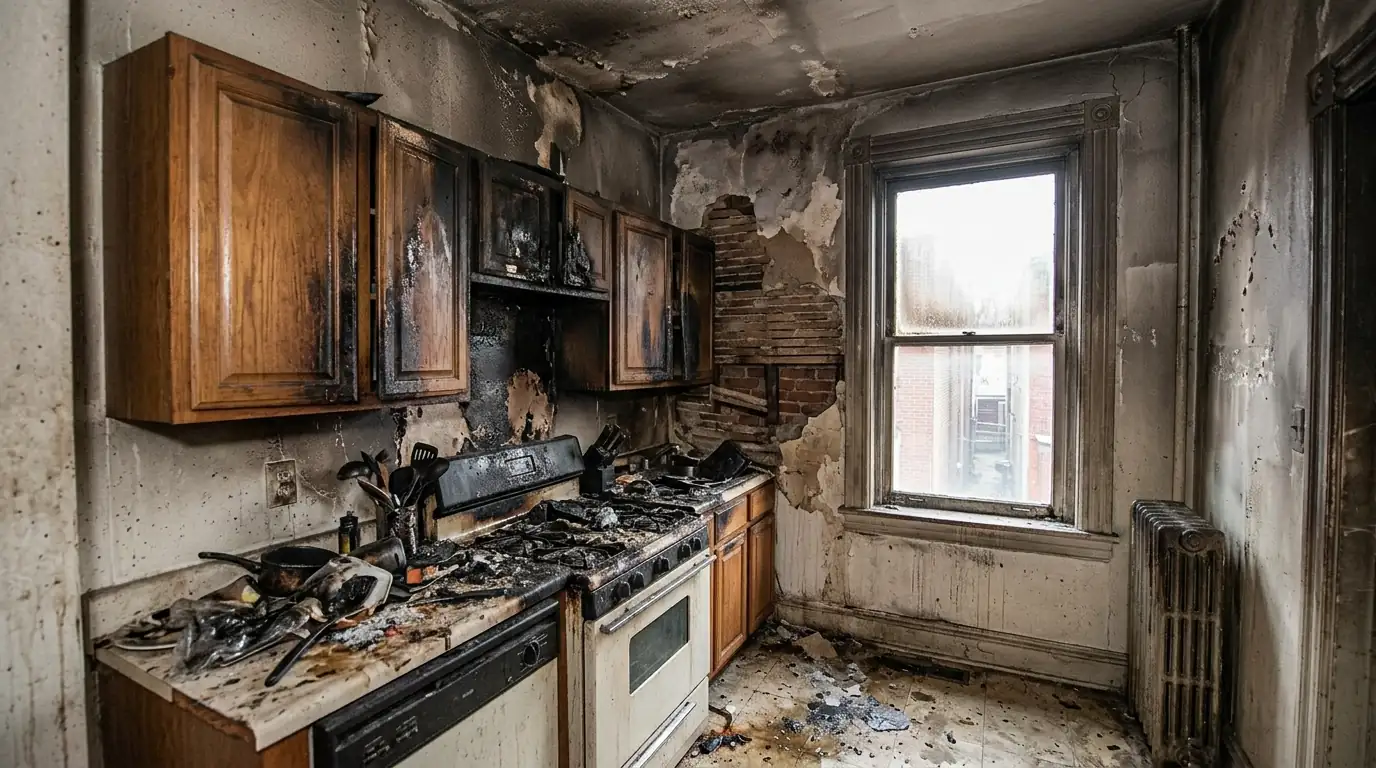
Fire Damage Restoration
Fire damage restoration is the full recovery of a home after a fire: boarding and tarping openings, removing firefighting water, cleaning soot and smoke residue, treating odor, handling contents and preparing for repairs.
How we handle it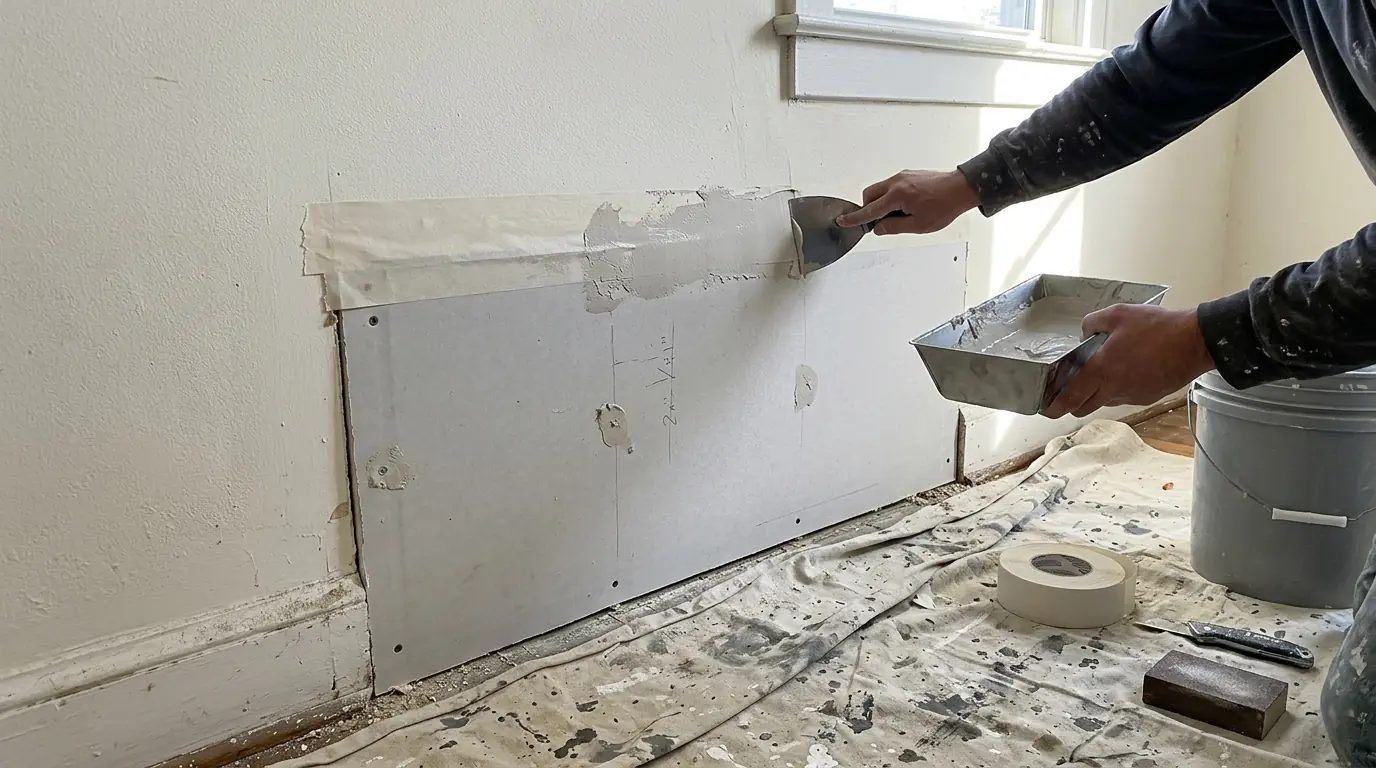
Damage Repair & Rebuild
Damage repair and rebuild is the work that restores a room after water, mold or fire mitigation is finished.
How we handle itQuestions homeowners ask about insurance claim help
Should I call my insurer before or after calling a restoration company?
Tell your insurer about the loss promptly, since most policies require timely notice. You do not usually have to wait for the adjuster before stopping the damage, though. Most policies actually require you to limit further damage, like shutting off water and starting drying. Take photos first. Check your policy, and read our claim checklist for DC homeowners for the details.
What receipts should I keep after water or fire damage?
Keep receipts for anything you buy or pay for because of the damage: fans, tarps, cleaning supplies, emergency plumbing repairs, hotel stays, meals out while the kitchen is unusable and storage. Many policies include additional living expenses, but only with proof. Keep the damaged item's receipt or credit card record too, if you have it. A shared folder on your phone with photos of each receipt is enough.
Can you talk to my adjuster for me?
We talk to your adjuster about the work: what we found, what we removed and why, how drying went and what the repair scope includes. With your permission, we send them the documentation and walk the site with them if they ask. Settlement and coverage questions stay between you and your insurer. Those stay between you and your insurer, or a representative you choose.
What if my claim is denied for a slow leak or long-term damage?
A denial for gradual damage usually means the insurer believes the leak went on for a long time. Our readings and photos show what we found, but they cannot change when a leak started. If you disagree with the decision, ask your insurer for the reason in writing and review your policy. Some homeowners hire a public adjuster or an attorney at that point. We can provide copies of our records to whoever you choose.
Does a mold problem get documented differently from water damage?
The basics are the same, photos, readings and removal records, but mold files usually add a few items. We document containment setup, the materials affected and their square footage, and any air or surface results from before and after the work. Many policies cap mold coverage or tie it to a covered water event, so linking the growth to its water source matters. Our mold remediation page covers the work itself.
Water in the house or a musty room you can't explain?
Call JEC Restoration any time. We answer 24/7 and talk through what you are seeing before anyone touches a wall.