Sewage & Cleanup
Hoarding cleanup in Washington, DC, done privately and at your pace
When a home has filled up over many years, the cleanup is as much about people as about belongings. We sort with you, remove what goes, clean and deodorize, and check the floors and walls underneath for water damage and mold.
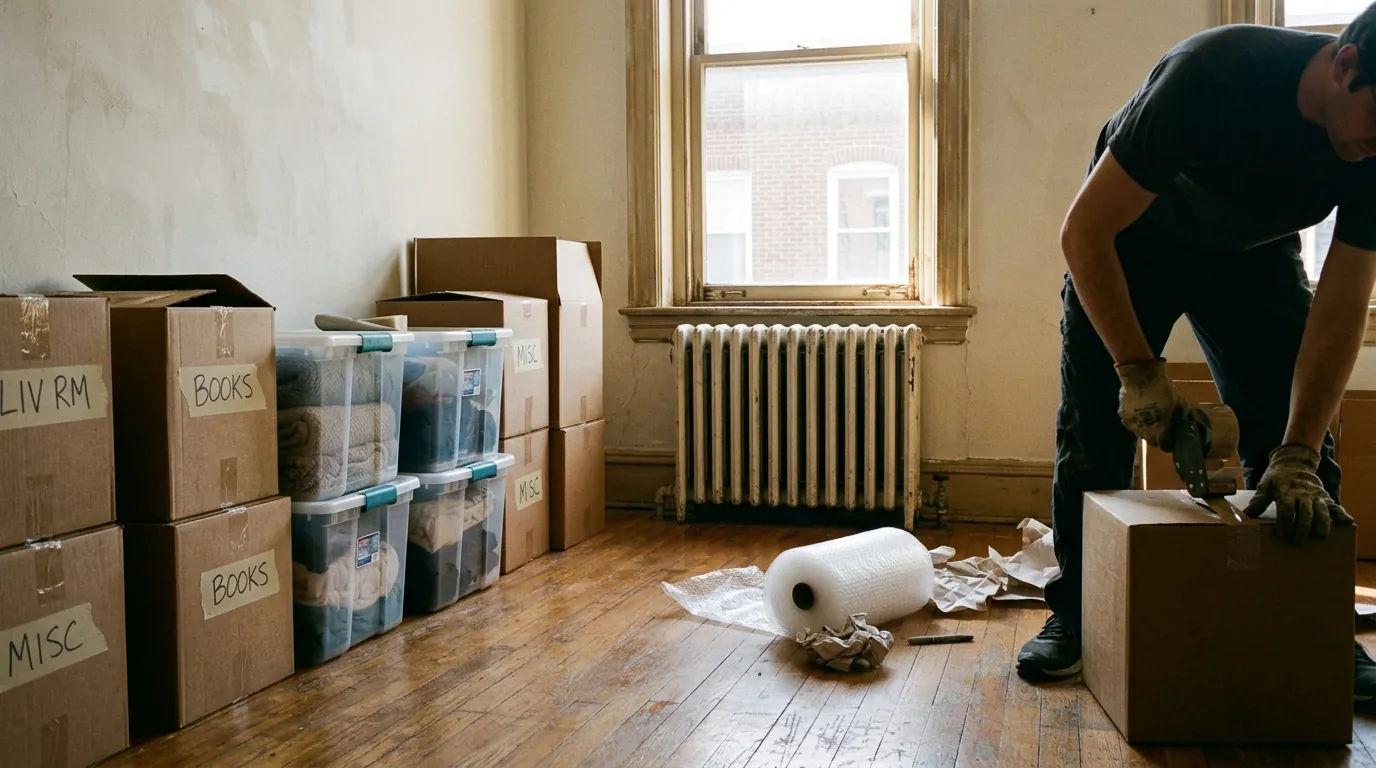
Drying, air and detection equipment on our jobs comes from names like
- Dri-Eaz
- Phoenix
- B-Air
- Abatement Technologies
- Protimeter
- Delmhorst
- FLIR
- Benefect
- Concrobium
- Omnitec
- Sapphire Scientific
- Tramex
Hoarding cleanup clears a home that has become hard or unsafe to live in because of accumulated belongings, then cleans and deodorizes it. The work includes sorting with the resident or family, hauling away what is not kept, removing spoiled food and waste, deep cleaning, and checking for damage hidden under the clutter. It suits a parent's home, an estate or a rental that needs to be livable again.
How do we work with the person whose home it is?
The resident decides what stays. That principle shapes the whole job. Before anything is moved, we sit down with the resident and any family members involved and agree on ground rules: which categories are never discarded without asking, who makes the call when there is a question, and how many hours a day the resident is comfortable with. Some cleanups run straight through; others go better in shorter sessions over a couple of weeks.
Our technicians are there to help, not to comment. Nobody on site remarks on the home, its contents or how it got this way, and conversations about belongings stay between the people who live with them. If a therapist, social worker or care manager is involved, we follow the plan they have set and keep them updated with the family's permission.
Discretion is part of the work too. Bags are filled and staged inside, carried out in opaque bags, and loaded without piling anything on the sidewalk or the front stoop.
How a hoarding cleanup moves from first visit to a livable home
Each stage is agreed with the resident or family before it starts.
Private walkthrough
We see the home with the resident or a family member, listen to what they want, and note hazards such as blocked exits, spoiled food or signs of leaks. Photos are only taken with permission.
Agree on the ground rules
Together we set what is kept, who decides, the schedule, and where kept, donated and discarded items go. Nothing leaves without that agreement.
Sort and remove
Working one room at a time, we sort, bag and carry out, with regular runs to donation, recycling and disposal. Kept items are boxed and labeled as we go.
Clean, disinfect and deodorize
Floors, walls, kitchens and bathrooms are cleaned and disinfected, surfaces are HEPA vacuumed, and odor treatment targets what cleaning alone does not remove.
Inspect and plan repairs
With the rooms clear, we take moisture readings, photograph damage and walk the family through what we found and what repair would involve.
Sorting, finding what matters and hauling the rest
Each room is sorted into a few simple groups, and kept items are boxed and labeled by room. Anything that looks important goes into a set-aside box for the family to review: cash, checks, jewelry, photographs, legal papers, keys, medications and anything sentimental. It is common to turn up documents and valuables that were thought lost years ago.
Hauling in DC takes some planning. A dumpster placed on a city street needs a public space permit, and many rowhouse blocks have no room for one, so we often haul in multiple truck runs or load from the rear alley. Donations go to local donation centers, recyclables to recycling, and items such as old paint, propane cylinders and pool chemicals to household hazardous waste drop-off rather than the trash. In short, every item ends up in one of five places:
- Keep: boxed, labeled and returned to the room it belongs in
- Donate: delivered to donation drop-off
- Shred: papers with personal information
- Set aside: valuables and documents for family review
- Discard: bagged and hauled, never left at the curb overnight
When is it time to bring in help for a cluttered home?
Families usually call when one of these situations comes up.
Paths instead of rooms
Rooms can only be crossed on narrow paths, and the kitchen, bathroom or bedroom can no longer be used for its purpose.
Blocked exits and stairs
Doors, stairways or windows that cannot be reached quickly are a safety concern, especially for an older resident.
Utilities out of reach
When the water heater, electrical panel or main water shutoff cannot be reached, a leak or repair cannot be handled.
Odor reaching neighbors
In rowhouses and condos with shared walls, smells or pests can spread next door before anyone inside notices.
A move, sale or estate
A closing date, a move to assisted living or the settling of an estate means the home has to be cleared.
A landlord or condo notice
An inspection or a building notice sets a date by which the unit has to be cleared and cleaned.
What is often found underneath the clutter?
Clearing a room reveals floors and walls that may not have been seen in years, and they often have a story. A running toilet, a dripping radiator valve or a slow leak under the kitchen sink can go unnoticed when everything around it is covered, leaving soft subfloor and stained plaster. Boxes stacked tight against an exterior wall block airflow and trap moisture, which can lead to mold behind and under them.
Pests are common too, and droppings in storage areas need careful rodent cleanup rather than ordinary sweeping. Spoiled food and pet waste leave odors in carpet and subfloor that surface cleaning will not reach, which is where odor removal comes in.
We document what we find with photos and moisture readings and explain it to the family plainly, without alarm. If there is growth, mold remediation is scoped as a separate step, and floors, plaster and drywall can be handled through repair and rebuild once the home is clear.
What does hoarding cleanup cost in the DC area?
Cost follows the volume of material, the days of labor and what has to be cleaned once the rooms are clear.
| One room, garage or basement section | $1,180-$3,450 |
|---|---|
| Full condo or apartment | $3,640-$9,280 |
| Full house across several floors | $8,750-$23,600 |
These are typical DC-area ranges, not quotes; we price after a private walkthrough of the home. Compare ranges across all 40 services.
What moves the price
- Volume of material to remove
- Labor days on site
- Spoiled food or waste present
- Stairs, elevators and parking
- Donation and disposal runs
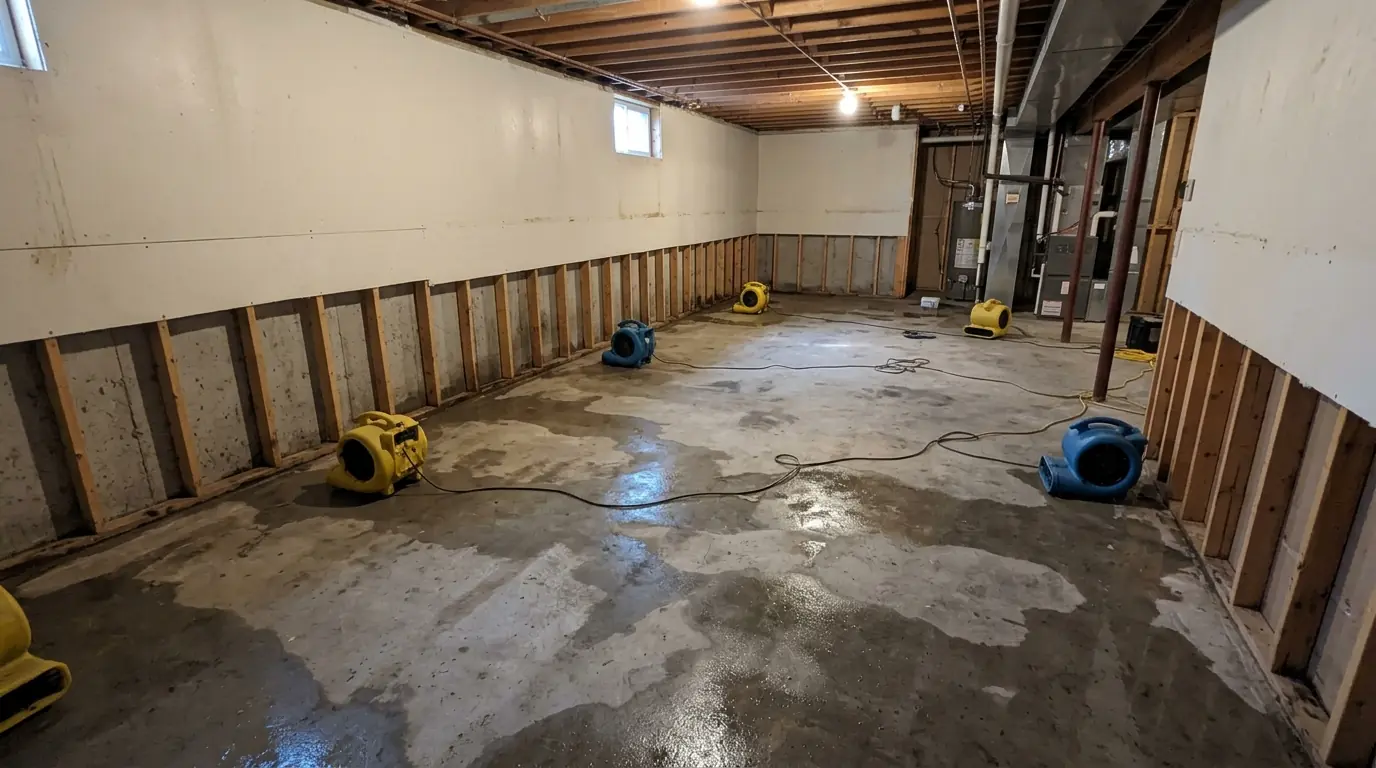
A basement floor drying after sewer backup cleanup
Hoarding cleanups in DC rowhouses, apartments and suburban houses
Rowhouses bring narrow front stairs, tight hallways and basements that tend to fill first. Many have an English basement unit or storage area with its own entrance under the stoop, which can make loading easier, and a rear alley that is often the better route out. Street parking is tight, and on residential permit parking blocks we plan loading times around it. Because rowhouses share walls, odors and pests can affect the neighbors, so families often call after a neighbor has raised a concern.
Apartment and condo buildings mean elevator reservations, loading dock hours and management rules about where bags can sit. We work within those rules and keep the hallway clear between loads. In Montgomery, Prince George's and Fairfax counties, garages and finished basements are where belongings build up most, and we often work for adult children who live out of town and need someone careful with a parent's home.
Where we do this work: Washington, DC and nearby Maryland and Virginia, including:
Related work we often do on the same job
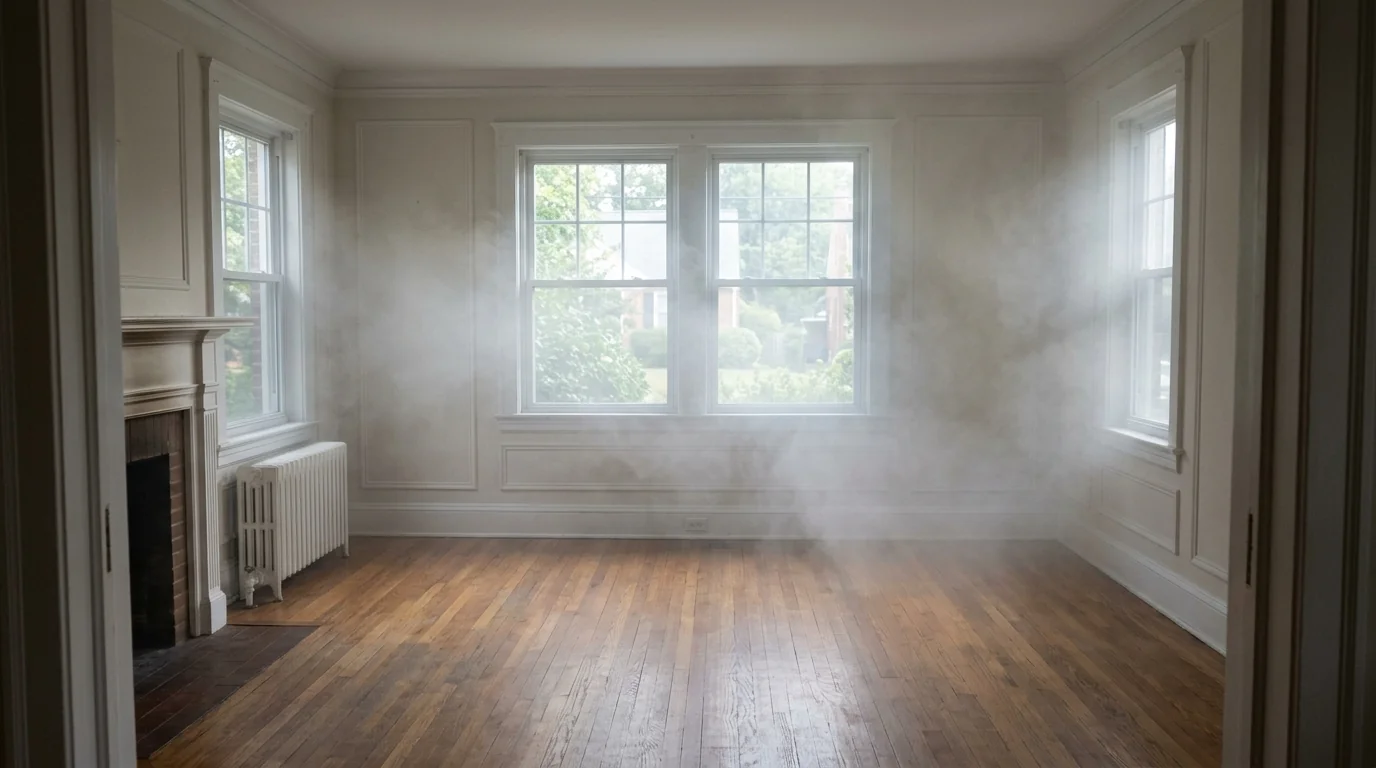
Odor Removal
Odor removal is the process of finding what's causing a persistent smell in a home, removing or cleaning that source, and then treating the remaining odor with methods like thermal fogging, hydroxyl generators or, in empty spaces, ozone.
How we handle it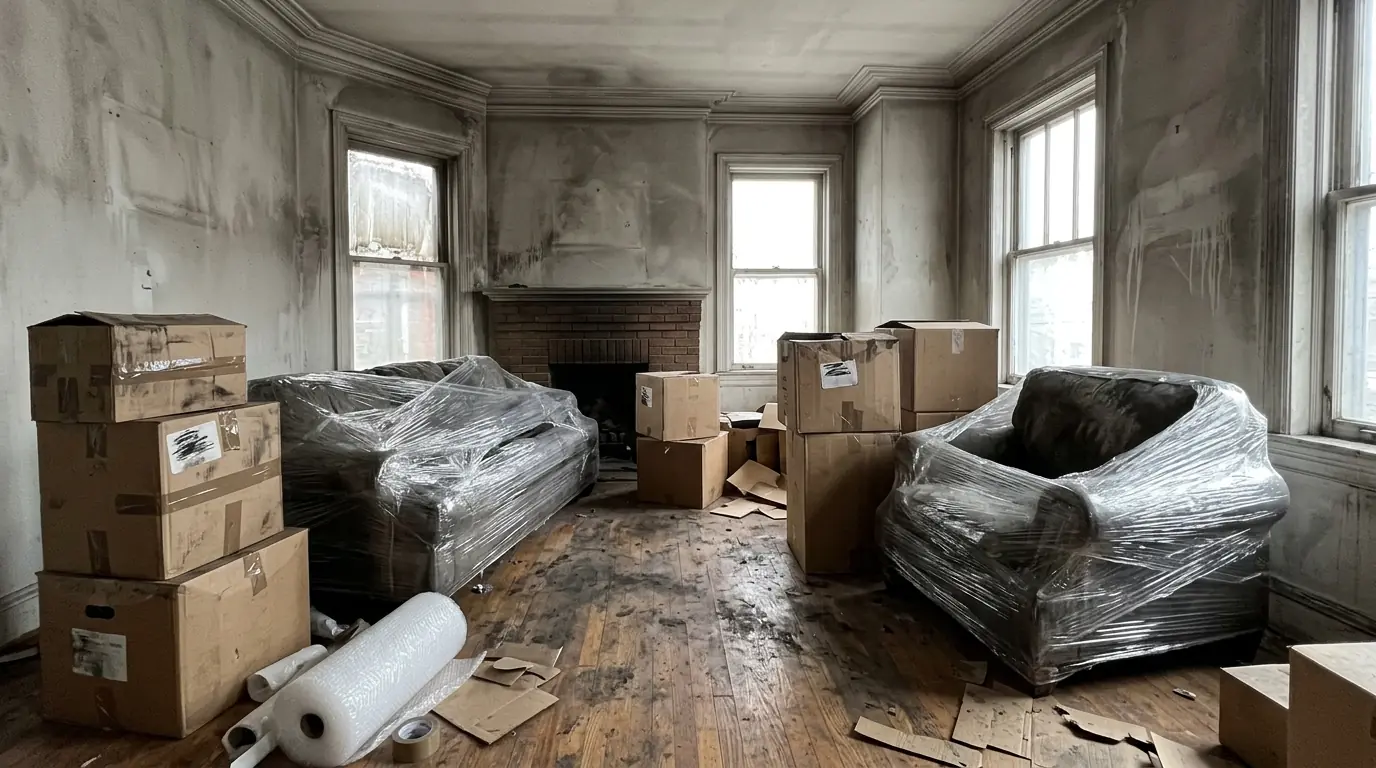
Contents Cleaning & Pack-Out
A contents pack-out is the inventory, packing and removal of belongings from a home damaged by fire, smoke, water or sewage, so the structure can be cleaned and repaired while items are cleaned and stored elsewhere.
How we handle it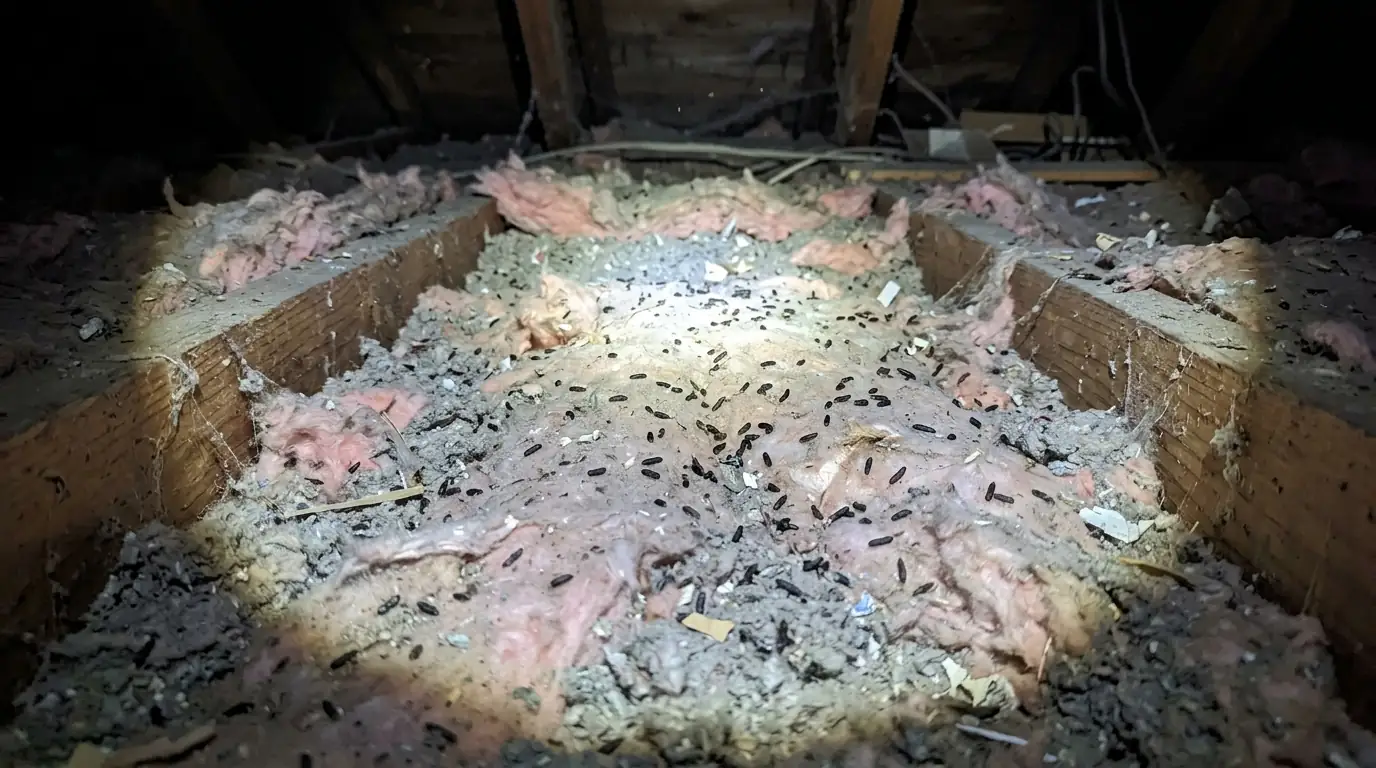
Rodent Droppings Cleanup
Rodent droppings cleanup removes mouse and rat droppings, urine-soaked material and nesting debris from attics, basements, crawl spaces and storage areas, then disinfects the surfaces.
How we handle it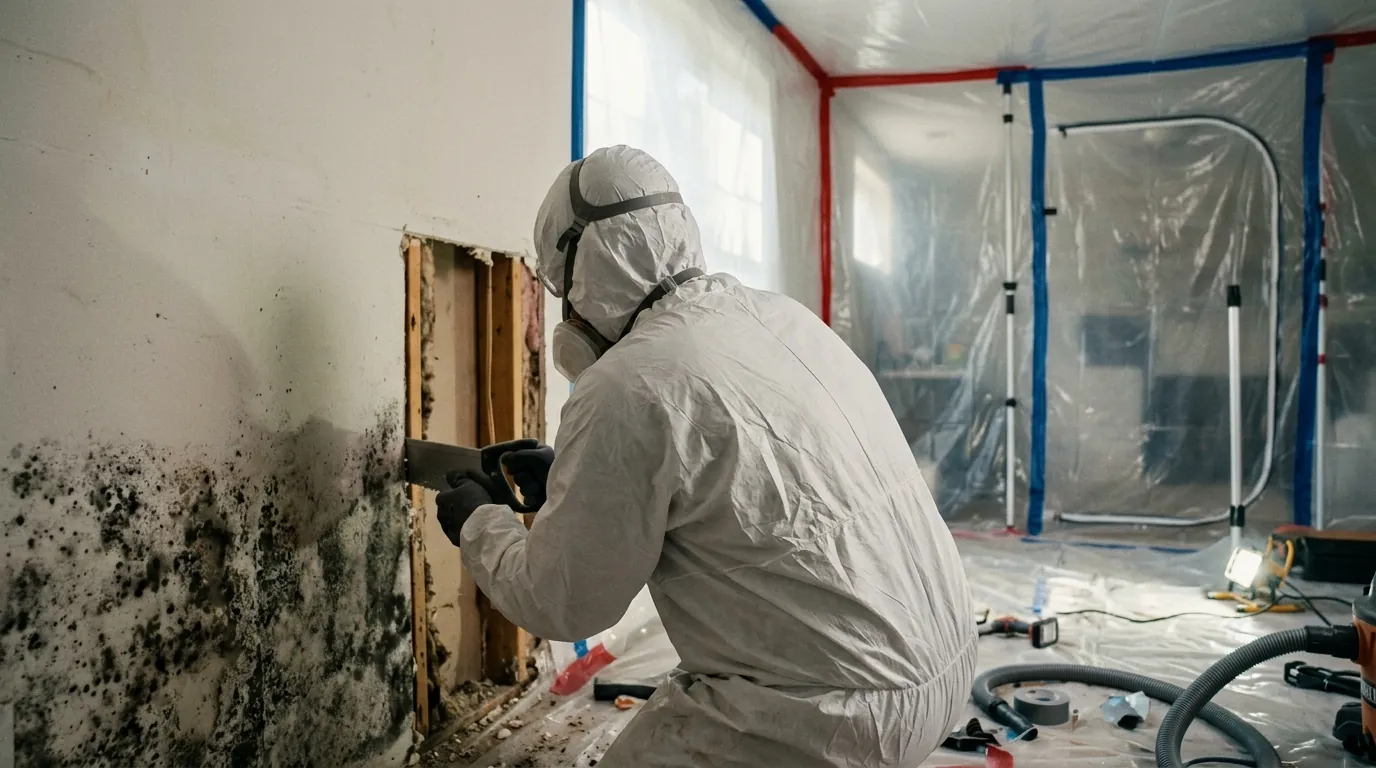
Mold Remediation
Mold remediation is the controlled removal of mold growth from a building.
How we handle itQuestions homeowners ask about hoarding cleanup
Will you throw anything away without asking?
No. Before work starts we agree on which categories are always set aside, who makes decisions and how questions get answered when that person is not on site. Anything uncertain goes into a hold pile for review rather than the discard pile. The resident or the family's chosen decision maker has the final word on every category.
Can the cleanup be done without the neighbors knowing?
We keep it as low-key as the home allows. Bags are filled and staged indoors, carried out in opaque bags, and loaded at times you choose, without piles on the sidewalk or stoop. In a condo, the management office will know because elevators and loading docks have to be reserved, but they do not need any details beyond the dates.
What happens to items that are kept or donated?
Kept items are boxed, labeled by room and placed where the family wants them, or staged for a move. Donations go to local donation drop-off, and we can give you a list of what was donated. Valuables, papers and photographs we come across go into a set-aside box that stays with the family.
Can you handle the cleanup if the family lives out of town?
Yes. Many cleanups are arranged by adult children who live elsewhere. We can do the first walkthrough with a family member joining by video call, agree on the ground rules by phone, and send photo updates as rooms are cleared. The set-aside box of documents and valuables is kept secure until a family member can collect it.
Does hoarding cleanup include repairs to the house?
The cleanup and the repairs are priced separately, because the condition of floors and walls is often unknown until the rooms are clear. Once they are, we document water damage, mold and pest damage, explain what we found and price any remediation or repair as its own scope, so you can decide what to do and when.
Water in the house or a musty room you can't explain?
Call JEC Restoration any time. We answer 24/7 and talk through what you are seeing before anyone touches a wall.