Prevention & Repairs
Basement waterproofing for Washington, DC rowhouses and suburban homes
Water that seeps through an old brick wall or slips under the door of an English basement comes back with every storm. We find the path it takes and install drains, membranes and grading fixes that keep it out of the living space.
Drying, air and detection equipment on our jobs comes from names like
- Dri-Eaz
- Phoenix
- B-Air
- Abatement Technologies
- Protimeter
- Delmhorst
- FLIR
- Benefect
- Concrobium
- Omnitec
- Sapphire Scientific
- Tramex
Basement waterproofing means stopping or managing the water that reaches a basement from outside: through wall cracks, mortar joints, the cove joint at the base of the wall, or a clogged stairwell drain. You need it when water returns after rain, when walls stay damp or chalky white, or after a cleanup you do not want to repeat. Fixes range from downspout extensions to interior perimeter drains.
What actually keeps water out of a DC basement, and what only manages it?
Waterproofing work falls into two groups, and it helps to know which one you are paying for. Exterior fixes keep water away from the wall in the first place: regrading soil so it slopes away, extending downspouts, clearing the drain at the bottom of a front stairwell, and in some cases digging down to apply a membrane to the outside of the foundation. Interior systems accept that some water will reach the wall and give it a controlled path to a pump instead of across your floor.
An interior perimeter drain does not make a brick or block wall dry. Water still soaks into the masonry from outside; the drain catches what runs down the inside face or rises at the joint between wall and slab, and it relieves the pressure that pushes water up through the floor. If you want the wall itself dry, only exterior work does that, and on a rowhouse with neighbors on both sides and a sidewalk out front, full excavation is rarely possible. We tell you which group your problem needs before anything gets cut.
Signs your basement needs waterproofing, not just another cleanup
Most of these show up between storms, which is when they are easiest to fix.
White crust on masonry
Efflorescence is mineral salt deposited on the surface when water travels through brick or block and then evaporates. It means water passes through the wall regularly.
A damp line at the floor
A dark band where the wall meets the slab after rain points to water rising at that joint, the most common entry point in poured basements.
Water under the front door
In an English basement, a soaked doormat after storms usually means the stairwell drain is slow or clogged.
Peeling basement paint
Paint and masonry coatings blister and flake when water pushes through from behind. Another coat will not hold.
Musty smell after rain
If the odor gets stronger for a few days after each storm, moisture is getting in, even if you never see standing water.
Repeat cleanups
If this basement has been dried before, the water source is still there. Drying fixes the result, not the cause.
What does basement waterproofing cost in the DC area?
Price depends mostly on how many linear feet of wall need work and whether concrete has to be cut. These ranges cover the jobs we see most often.
| Single wall crack injection, poured concrete | $465-$890 |
|---|---|
| Downspout extensions and regrading along one side | $380-$1,640 |
| Stairwell or areaway drain rebuild at a basement door | $1,270-$3,480 |
| Interior perimeter drain with sump, typical basement | $7,850-$17,900 |
Figures reflect typical DC-area jobs and are not quotes; the price for your basement comes after we assess it on site. Compare ranges across all 40 services.
What moves the price
- Linear feet of wall treated
- Brick, block or poured walls
- Slab thickness and access
- Finished walls to remove
- Discharge route for the pump
How a waterproofing job runs from first look to final test
We work from the outside in, because the lowest-cost fix that works is the one you should pay for.
Trace the water
We take moisture readings along the walls and floor and use a thermal camera to see where water enters. Then we walk the outside: gutters, downspouts, grading, stairwells and window wells.
Rank the fixes
You get a written scope that lists exterior fixes first and interior systems second, with what each will and will not do. Many basements need only part of the list.
Protect the space
Before cutting concrete, we cover belongings, seal off the work area with plastic and run air scrubbers to keep dust out of the rest of the house.
Install and close up
We cut, trench, lay pipe and gravel, hang membrane, set the pit and pour new concrete, or inject cracks and rebuild drains as the scope calls for.
Test with water
We run a hose against the outside wall or fill the pit to confirm water reaches the drain and the pump cycles. Then we show you what to check after the next heavy rain.
How do interior perimeter drains and wall membranes work?
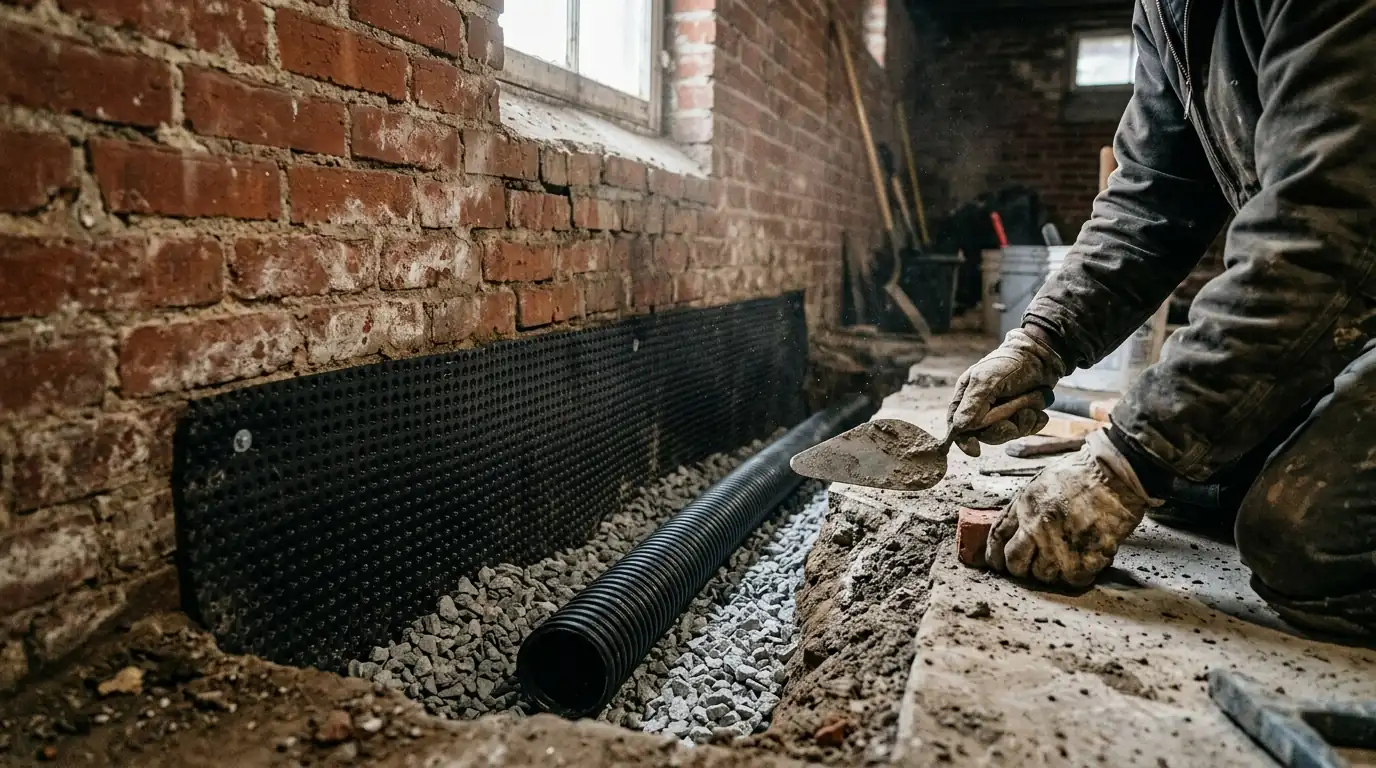
We saw-cut the concrete slab about a foot in from the walls, break it out and dig a trench down toward the footing. A perforated drain pipe goes into clean gravel in that trench, and a dimpled plastic membrane is fastened to the lower wall so water running down the masonry drops behind it into the gravel instead of onto the floor. The pipe slopes to a sump pit and pump, which lifts the water out through a discharge line. New concrete closes the trench, with a narrow gap left at the wall so future seepage still has somewhere to go.
On walls that will be finished, the membrane can run full height and sit behind studs and drywall. On an unfinished utility room wall, a short membrane at the base is often enough. The work is loud and dusty for two to four days, so we hang plastic sheeting and run HEPA air scrubbers while the slab is open.
When is crack injection or a grading fix enough on its own?
Not every wet basement needs a trench. A single leaking crack in a poured concrete wall, common in 1960s and 1970s houses in Montgomery and Fairfax counties, can usually be sealed from inside by injecting polyurethane resin, which expands and fills the crack through the full wall thickness. Epoxy is used instead when the crack also needs its structural strength restored. Injection works on poured concrete. It does not work on cinder block, brick or stone, where water travels through hollow cores and mortar joints.
Outside, the least expensive fixes often do the most. Soil that has settled toward the house over decades, a downspout that empties at the foundation, or a window well with no drain can put hundreds of gallons against one wall during a summer thunderstorm. We regrade, extend downspouts six to ten feet out, and check that window wells drain before recommending anything that involves a saw.
Why do English basement stairwells and rear areaways flood?
The door to an English basement sits at the bottom of a short stairwell under the front stoop, and the only thing keeping rain out of that stairwell is a small drain in its floor. Leaves, trash and silt from the sidewalk clog it, the stairwell fills during a downpour, and water comes in under the door. Rear areaways behind rowhouses share the same weakness. Their old drains are often cast iron or clay tied into the house sewer line, and they crack or fill with roots.
We clear the drain and check the line, then rebuild what needs it: a new drain body with a larger grate, a raised threshold or curb at the door, and sometimes a trench drain across the bottom step. Where the drain is part of the sewer line, your plumber handles the pipe and we handle the concrete and the threshold. Our article on where English basements let water in walks through the other usual entry points.
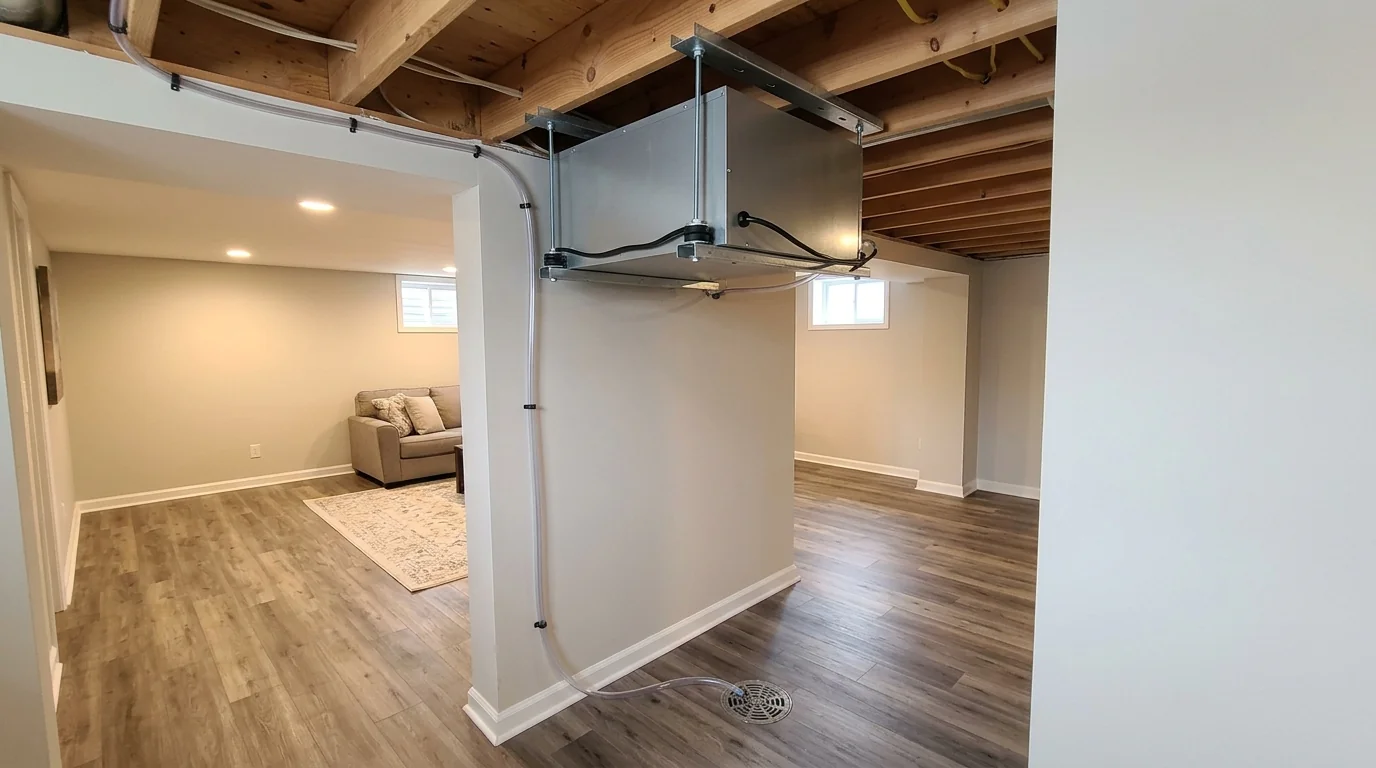
A whole-basement dehumidifier holding humidity down after the work
What makes waterproofing a DC rowhouse different from a suburban basement?
Many DC rowhouses from the late 1800s through the 1940s stand on brick or rubble stone foundations laid in soft lime mortar. That mortar was never meant to be watertight, and patching it with hard modern cement can trap moisture in the brick and speed up spalling, so we repoint with a compatible mortar where the wall needs it. Shared party walls mean any digging stops at your lot line, and the front wall usually sits under a sidewalk or a small garden behind an iron fence, which is why interior drainage is the common answer on Capitol Hill and in Shaw and Bloomingdale. Detached houses in upper Northwest and the colonials and split-levels of Silver Spring, Bethesda and Fairfax County more often have block or poured walls, room to regrade and an existing sump. One more DC wrinkle: where older neighborhoods drain to the combined sewer, water coming up a floor drain in a cloudburst is a sewer problem, not seepage, and calls for a backwater valve rather than waterproofing.
Where we do this work: Washington, DC and nearby Maryland and Virginia, including:
Related work we often do on the same job
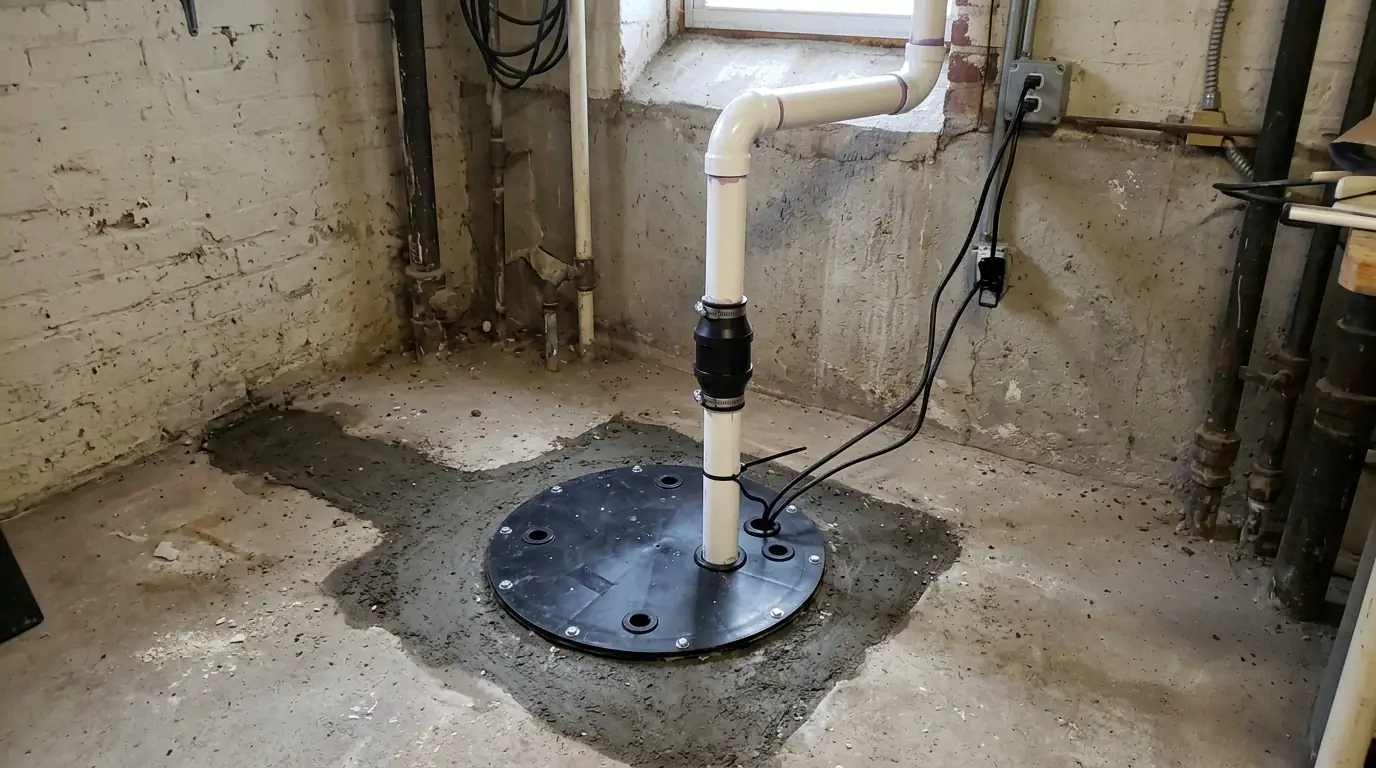
Sump Pump Installation
A sump pump sits in a lined pit at the low point of a basement and pumps out groundwater that collects there from under the slab or from a perimeter drain.
How we handle it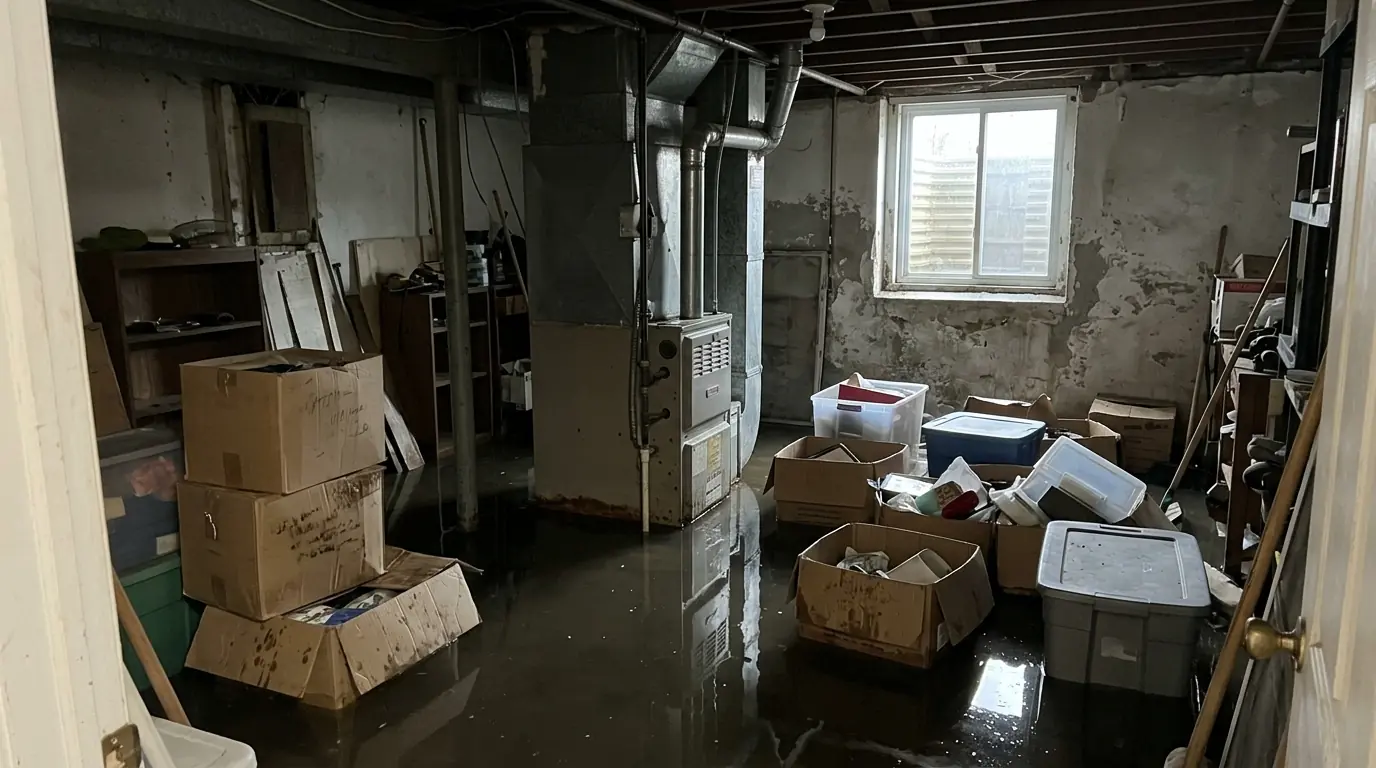
Flooded Basement Cleanup
Flooded basement cleanup removes water from a below-grade space, cleans and sanitizes what it touched, takes out finishes that cannot be saved, and dries the slab, walls and framing.
How we handle it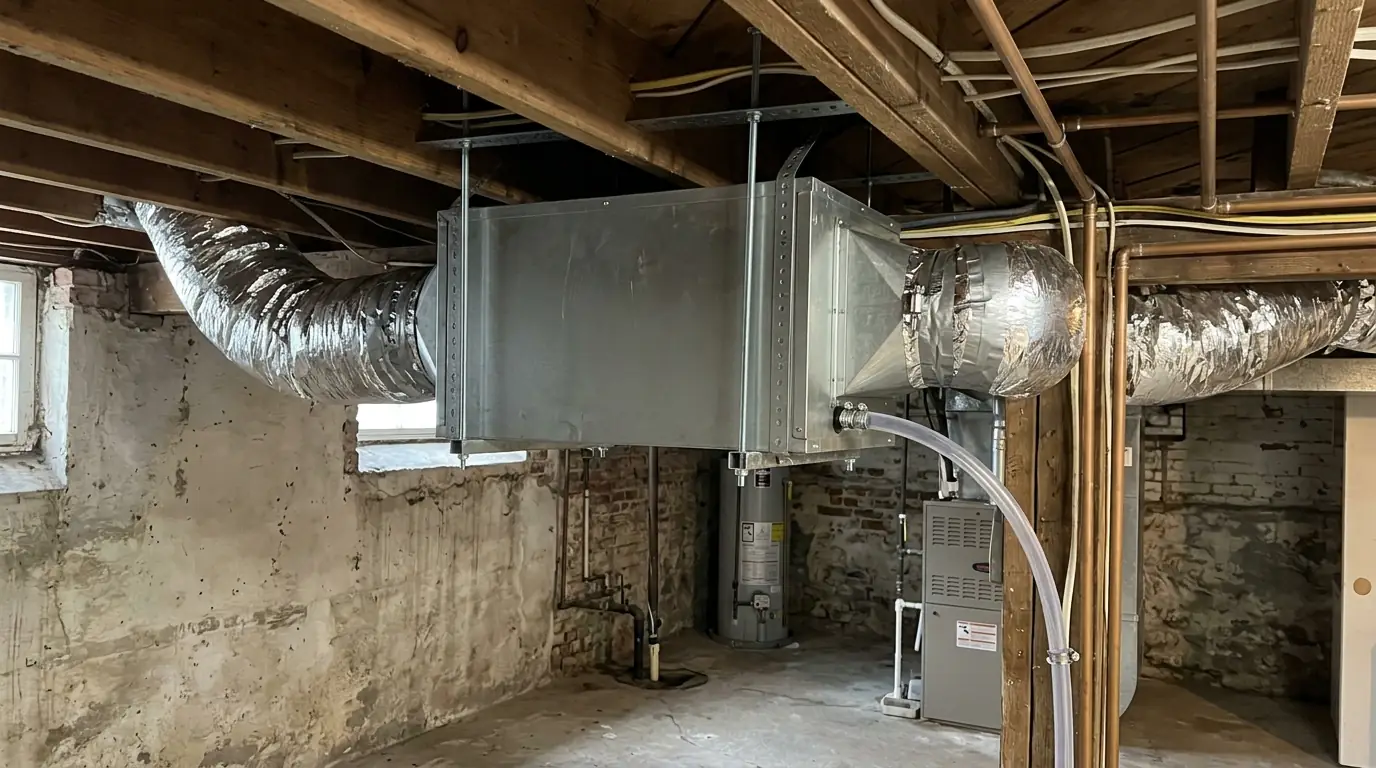
Dehumidifier Installation
A whole-basement dehumidifier is a fixed unit that pulls moisture from the air in a basement or crawl space and drains it continuously through a hose or condensate pump.
How we handle it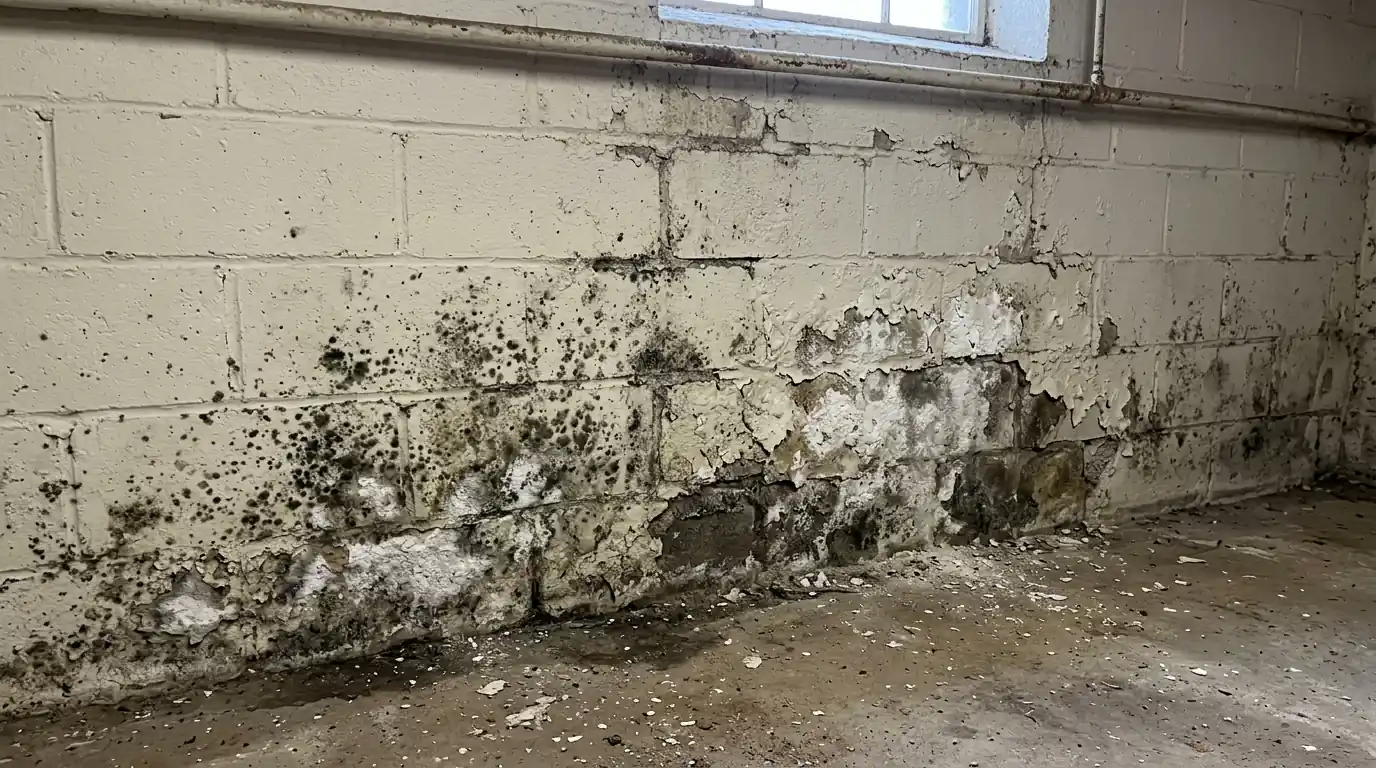
Basement Mold Removal
Basement mold removal cleans or removes growth on foundation walls, framing, finished drywall, carpet and stored contents below grade, then corrects the moisture that caused it.
How we handle itQuestions homeowners ask about basement waterproofing
Can I waterproof a basement that is rented out as an apartment?
Yes, but plan around the tenant. Interior drain work takes two to four days of saw-cutting and dust, so most owners schedule it between leases or arrange a few nights elsewhere for the tenant. Where the unit has finished walls, we remove the lower drywall, install the membrane and drain, and the walls go back afterward. A stairwell drain rebuild outside the unit door takes about a day and leaves the unit usable.
Does waterproof paint or sealer work on old brick foundation walls?
Rarely for long. Masonry coatings can slow light dampness, but when water pushes through from outside, the coating blisters and peels within a season or two. On old brick laid in lime mortar, sealing the inside face can also trap moisture in the wall and speed up spalling. We use coatings only for minor dampness, never as the answer to an active leak.
Should the basement be dried out before waterproofing starts?
If water is standing or the walls and framing are soaked, yes. Saturated drywall, carpet and framing need to come out or be dried first, or mold can start behind the new membrane. We can handle the extraction and drying first and move straight into the waterproofing once moisture readings are back near normal for the house.
How long does an interior perimeter drain last?
The pipe, gravel and membrane are plastic and stone, so they do not wear out in normal use. What fails is usually the pump, which tends to need replacing every seven to ten years, or a drain line that silts up where soil washes in. We leave cleanouts at the corners so the line can be flushed, and we suggest testing the pump each spring before storm season.
Will waterproofing get rid of the musty smell and mold in my basement?
It removes the water that feeds mold, but it does not remove growth already on drywall, framing or stored boxes. If you can see growth, or the odor stays after the walls dry out, that needs separate basement mold cleanup under containment. Doing the waterproofing first and the remediation second keeps the problem from coming back.
Water in the house or a musty room you can't explain?
Call JEC Restoration any time. We answer 24/7 and talk through what you are seeing before anyone touches a wall.