Washington, DC neighborhood
Radiator leak & mold removal in Dupont Circle, Washington, DC 20036
Dupont Circle's big Victorian rowhouses now hold condos and co-ops, heated by steam radiators and topped by aging flat roofs. We dry leaks around ornamental plaster, clean up mold in garden-level units and work through boards and building managers.
JEC Restoration handles water damage, mold remediation, smoke cleanup and sewage problems around Dupont Circle, including the converted rowhouses on P, Q and R Streets, the apartment buildings along Connecticut Avenue and the co-ops near Massachusetts Avenue. The line at (202) 989-3053 is answered 24/7.
What makes water damage in a converted Victorian rowhouse harder to dry?
Many of the large brick and brownstone houses around the circle were built in the late 1800s as single-family homes and later divided into condos or co-op units. They kept their high ceilings, deep crown moldings, plaster medallions and thick plaster on wood lath. Those details are worth saving, and they hold water in ways drywall does not. A leak that would mean a quick cut-and-replace in a newer building calls for a slower decision here.
We read moisture through the plaster with pin and pinless meters, check for sagging or a hollow sound that means the keys have let go of the lath, and dry sound plaster in place with dehumidifiers and directed airflow. Only the sections that have failed come down. The same care applies to old pine and oak floors, which cup when water gets under them. Drying mats pull moisture up through the boards so they have a chance to flatten again, a process described on our wood floor drying page.
Most-called services in Dupont Circle
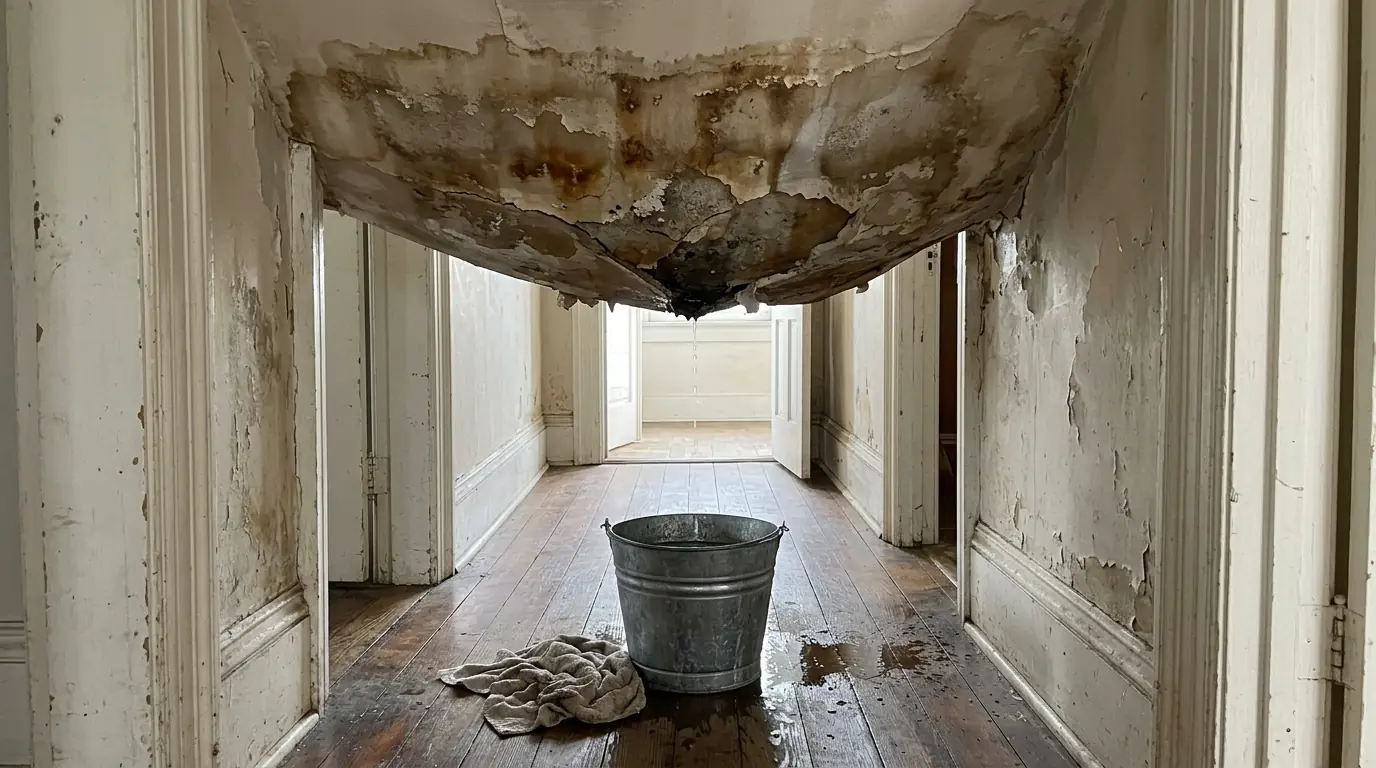
Ceiling Leak Damage
Ceiling leak damage work deals with water trapped above a ceiling from a roof, a bathroom, a radiator or an air conditioning line.
How we handle it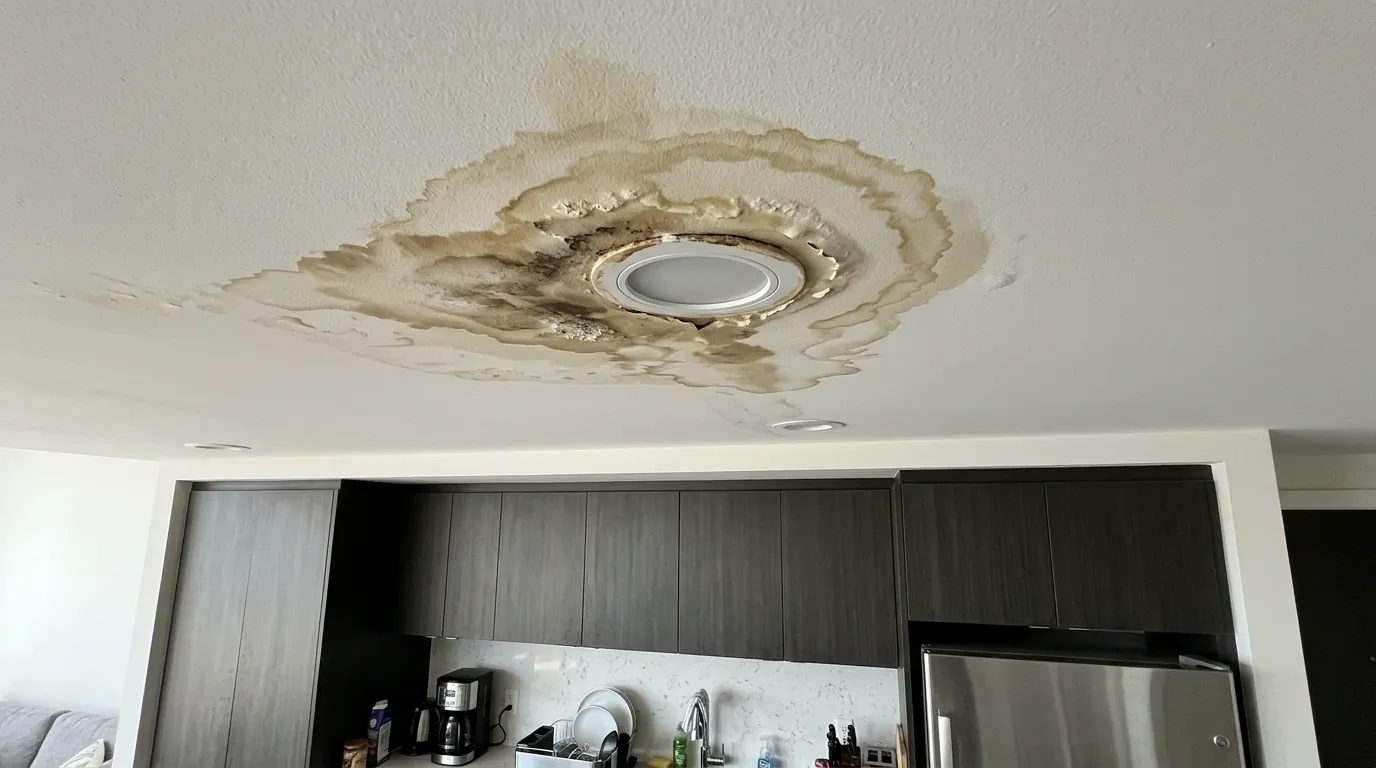
Condo Water Damage
Condo water damage work covers leaks that cross unit lines: water from the unit above, a failed riser, a shared wall or a roof over the top floor.
How we handle it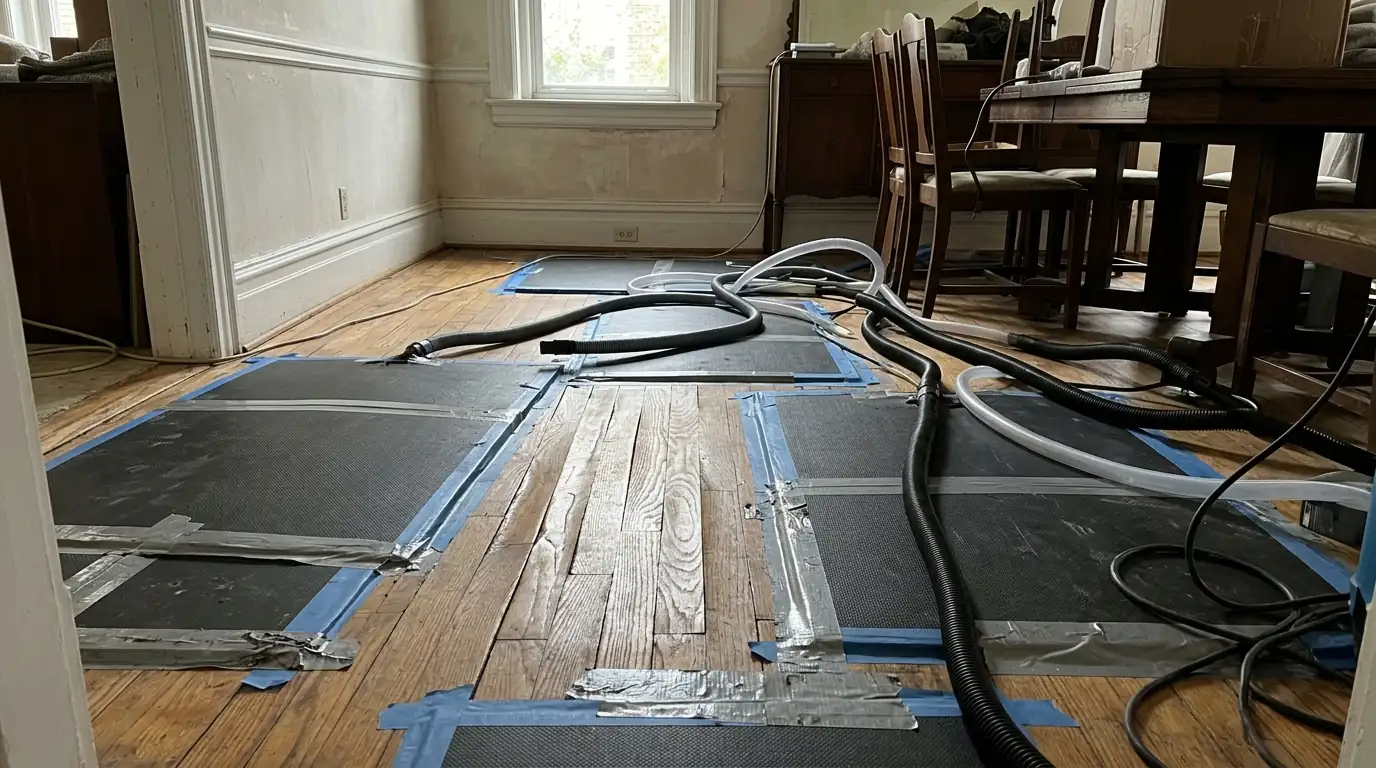
Hardwood Floor Drying
Hardwood floor drying removes water from solid wood flooring and the subfloor beneath it, usually with suction floor mats, dehumidifiers and steady monitoring.
How we handle it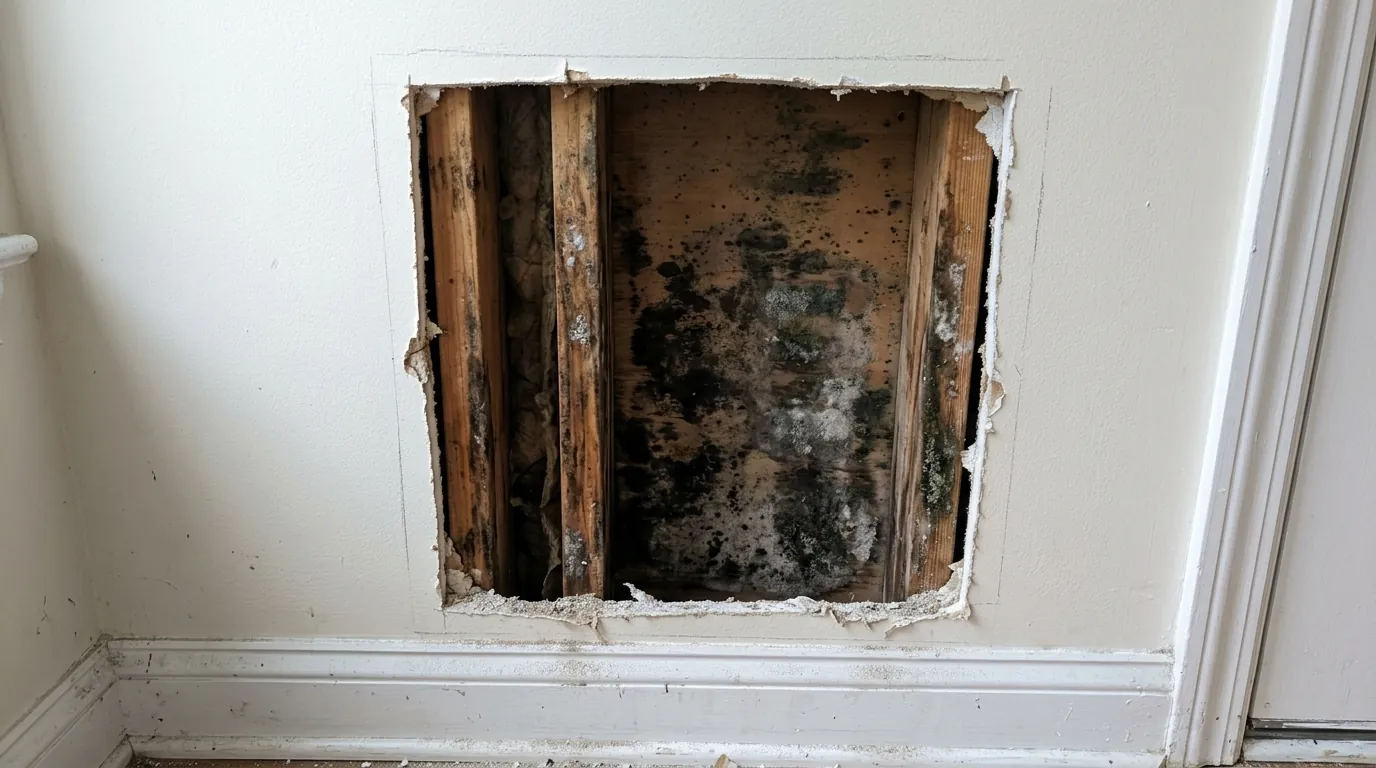
Mold Behind Drywall
Mold behind drywall grows on the back of the paper facing, on studs and on insulation inside a wall that has stayed damp from a slow leak, condensation or an old flood.
How we handle it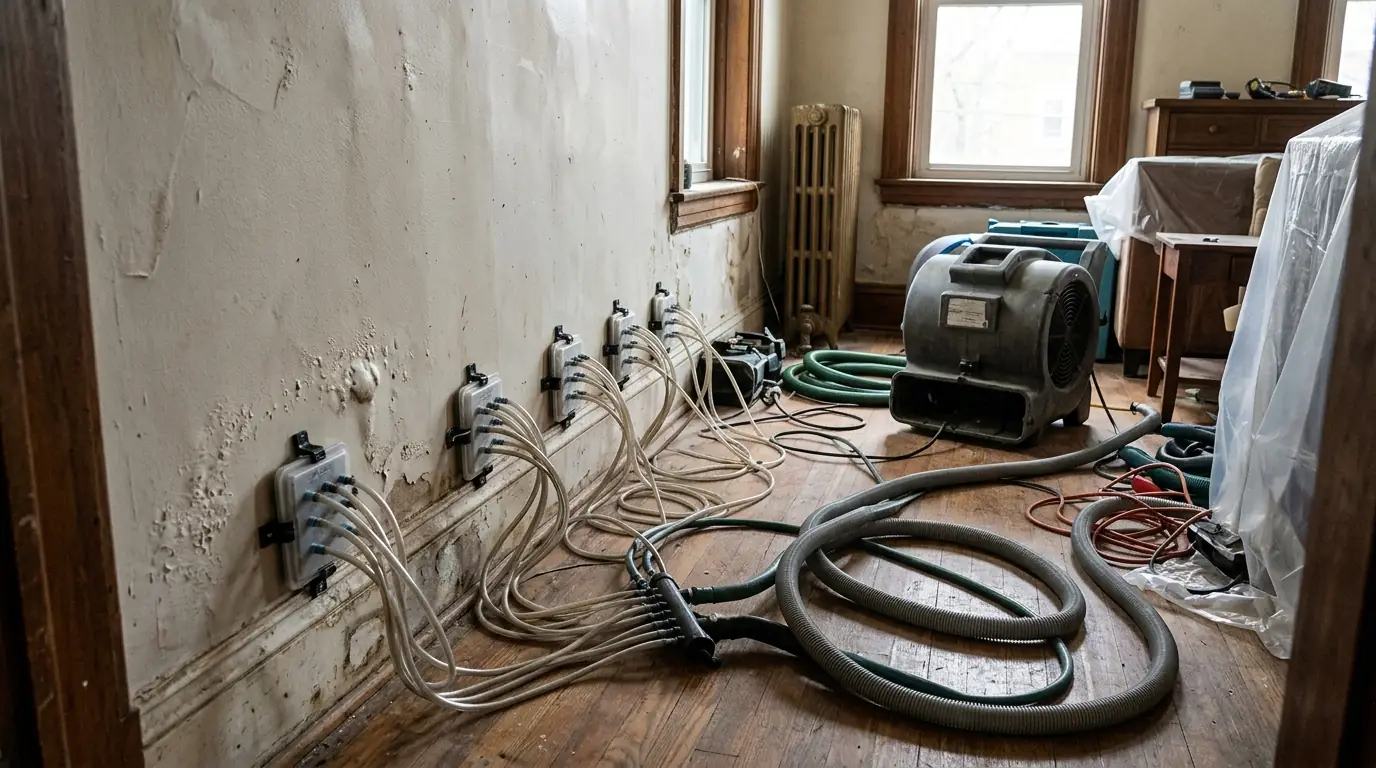
Structural Drying
Structural drying is the controlled removal of moisture from a building's framing, subfloor, wall cavities, plaster and masonry after a water loss.
How we handle itWhy do steam radiators and flat roofs cause so many leaks here?
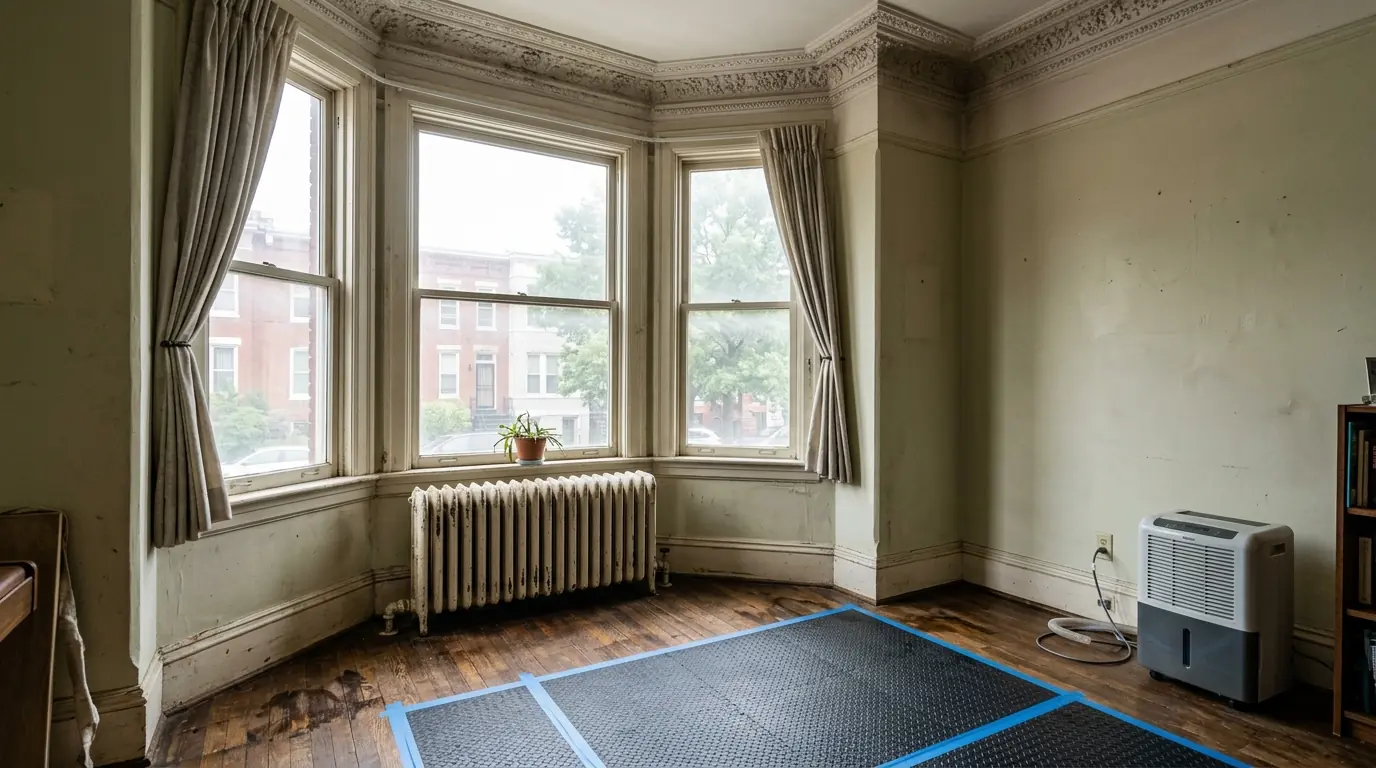
Much of the older housing around the circle still runs on steam heat. One-pipe steam radiators have an air vent that can stick open and spit water, a valve whose packing dries out over the summer, and a pitch that goes wrong when a floor settles. The first cold week of fall is when many of these problems show up, after the boiler has sat idle for months. Two-pipe systems and hot-water conversions add more fittings that can drip slowly into a floor for weeks before anyone sees it.
Up top, low-slope roofs behind tall parapets collect water when the scuppers or drains clog, and old skylights over stairwells are a classic source of ceiling stains. Down in boiler rooms and garden-level units, a failed feed valve, a leaking condensate return or a heavy summer storm can leave inches of water on the floor. Slow leaks inside plaster walls often turn into mold remediation work by the time they are found.
Typical calls we get from Dupont Circle
Stuck radiator vent soaking an oak floor
A steam vent sticks open on the first cold night of fall and spits water beside a bay window for days. We extract, set drying mats on the boards, run a dehumidifier sized to the room and track readings until the floor matches dry areas elsewhere in the unit.
Skylight leak down a four-story stairwell
Rain gets past old skylight flashing and runs down the plaster of a tall stairwell. We find the wet areas with a thermal camera, protect the treads, dry the plaster in place and open only the sections that have lost their grip on the lath.
Water across a co-op boiler room
A boiler feed valve fails overnight and floods a basement mechanical room and the storage lockers beside it. We extract the water, move wet boxes out for owners to sort through, dry the masonry and coordinate access with the building manager.
Mold behind plaster in a garden-level unit
A slow drain leak inside a party wall leaves a musty smell and a bubbling paint line in a garden-level condo. We set up containment under negative air, open the wall, remove the moldy plaster and lath, HEPA vacuum the cavity and dry it before rebuild.
How do co-op boards, condo associations and building managers fit into the work?
In a co-op, the board and the managing agent usually control access to common areas, risers and the boiler room, and many boards want a written scope before any work beyond emergency drying begins. Stopping active water and extracting it is treated as emergency work in most buildings, but check your proprietary lease or bylaws. We provide moisture logs, photos and a written scope that a board can review at its next meeting, and we keep the unit owner's records separate from the building's.
Parking in 20036, around the circle, along Connecticut Avenue and near Embassy Row, is limited, and many buildings have small elevators or none at all. We plan equipment loads to fit what the building allows, protect lobby floors and stair runners, and keep containment tidy in shared halls. Owners dealing with water from upstairs can also read what to do first when the unit above leaks.

Typical homes in this part of the DC area
Nearby areas we also cover
Questions from Dupont Circle homeowners
Our co-op board has to approve work. Can drying start before the next meeting?
In most buildings, stopping the water and drying the affected units is treated as emergency work that cannot wait for a meeting, while demolition beyond that and rebuilding go through the usual approval. Your proprietary lease, house rules or bylaws decide the details, so check them and tell the managing agent right away. We send a written scope and moisture logs the board can review.
Can an original plaster cornice be saved after a radiator leak?
Often, yes. Ornamental plaster that got wet but is still firmly attached usually dries in place with controlled airflow and dehumidification, and it may need only paint afterward. Sections that sag, crumble or sound hollow when tapped have lost their bond and need to be re-secured or recast. We map which parts are sound before anyone touches the molding.
Why does my radiator leak only when the heat first comes on?
Steam systems sit idle all summer, and the packing around valve stems dries and shrinks. Air vents can also stick after months of dust. When the boiler fires, steam and condensate find those weak points. A drip that stops after a few days can still wet the floor underneath, so check under and behind radiators during the first week of the heating season.
Water or mold trouble in Dupont Circle?
Call JEC Restoration any time. We answer 24/7 and talk through what you are seeing before anyone touches a wall.