Mold Remediation
Attic mold removal for Washington, DC homes
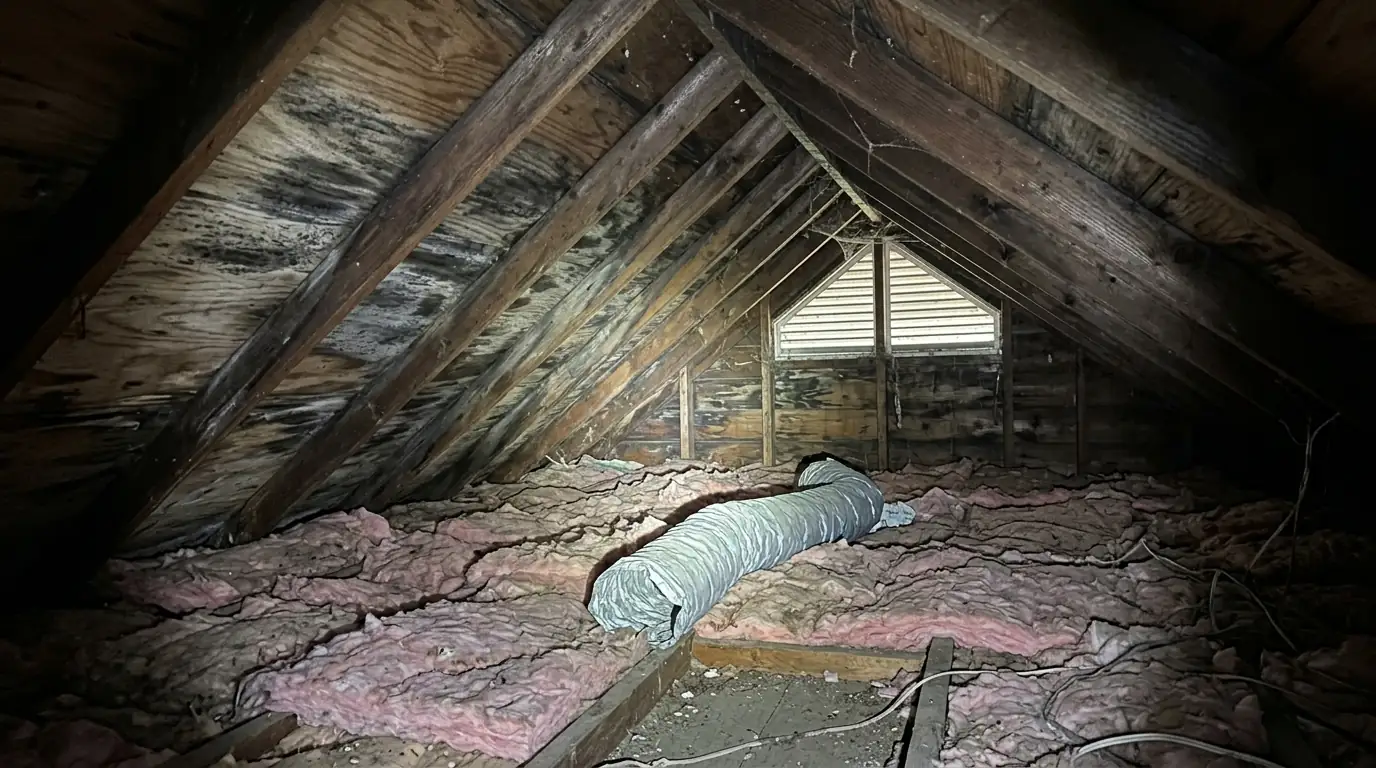
Dark staining on the underside of roof sheathing usually comes from warm, damp house air meeting a cold roof deck. We clean the wood, fix the airflow that caused it, and seal the gaps that let moisture up there.
Drying, air and detection equipment on our jobs comes from names like
- Dri-Eaz
- Phoenix
- B-Air
- Abatement Technologies
- Protimeter
- Delmhorst
- FLIR
- Benefect
- Concrobium
- Omnitec
- Sapphire Scientific
- Tramex
Attic mold removal cleans growth from roof sheathing, rafters and trusses, removes damaged insulation, and corrects the moisture source, which is usually household air leaking or being vented into the attic and condensing on cold wood in winter. It is needed when sheathing shows spreading dark staining, frost forms on nails, or the attic smells musty.
Why does mold grow on the underside of a roof that does not leak?
Most attic mold we see in the DMV has nothing to do with a roof leak. It forms during winter, when the roof deck is the coldest surface in the house. Warm indoor air carries moisture from showers, cooking and breathing, and it leaks into the attic through gaps around ceiling light fixtures, the attic hatch, plumbing vent stacks and the tops of interior walls. When that air touches sheathing below its dew point, the moisture condenses or even forms frost on the plywood and on the tips of roofing nails.
On a cold morning that frost is harmless. When the sun warms the roof, it melts and soaks into the wood, and the cycle repeats day after day from December through February. Plywood and OSB that stay damp for weeks grow mold, usually as a gray-black staining across the north-facing slope, where the sun does the least drying. You will often see it worst near the eaves and around nails that drip, which leave small rust or dark rings on the insulation below.
From the attic hatch to a dry roof deck: how the job runs
Attic work is about removal and airflow in equal parts.
Inspect sheathing, venting and air leaks
We check moisture in the sheathing, look at soffit, ridge and gable vents, trace every duct and find gaps in the ceiling below. A thermal camera helps locate warm air leaks in cold weather.
Protect the living space
The hatch or pull-down stair is sealed into containment, the path through the house is covered, and HEPA negative air pulls from the attic to the outdoors.
Remove insulation where needed
Contaminated or wet insulation is vacuumed or bagged out so the sheathing and top plates are reachable.
Clean the wood
Rafters and sheathing are sanded, wire-brushed or blasted, then HEPA vacuumed. An antimicrobial or encapsulating coating is applied where it helps.
Seal, vent and reinsulate
Bath fans are ducted outside, ceiling penetrations are air-sealed, venting is balanced and insulation is restored. We note any roof repair that should follow.
The bathroom fan that ends in the attic
The single most common cause we find is a bathroom exhaust fan with a duct that stops short of the outdoors. Sometimes the flexible duct is simply laid on top of the insulation, pointed vaguely toward a soffit or gable vent. Sometimes it was connected to a roof cap years ago and fell loose. Either way, every shower pushes warm, saturated air straight onto the rafters, and the sheathing above that spot grows a dark oval within a winter or two.
We reroute these fans with rigid or insulated duct to a dedicated roof or wall cap with a damper, sloped so condensation drains out rather than back to the fan. Kitchen range hoods and clothes dryers occasionally end in the attic too, and we check for both. It is also worth looking at how the fan is used. Running it for 20 minutes after a shower, on a timer switch, clears far more moisture than flipping it off as you leave the room. Our bathroom mold service covers growth that starts at the fan end.
What attic mold looks like when you lift the hatch
Many homeowners first hear about attic mold from a home inspector. These are the clues worth checking yourself with a flashlight.
Dark staining on the north slope
Gray or black discoloration spread across the sheathing on the shaded side of the roof, often heaviest near the eaves.
Rust rings around nail tips
Roofing nails poking through the deck with dark or rusty halos show repeated frost and melt.
Frost on sheathing on cold mornings
A white frost layer on the underside of the deck in January is condensation that will soon melt into the wood.
A duct lying on the insulation
A loose flexible duct from a bath fan that does not connect to a roof or wall cap.
Compressed or stained insulation
Matted fiberglass or wet cellulose below drips, often with dark spots in a line under the nails.
Musty odor in upstairs closets
Closets and knee walls that open toward the roof often pick up attic odor first.
How attic mold is removed: blasting, sanding and HEPA cleaning
Sheathing with surface growth is almost always cleaned, not replaced. Because the wood is structural and the growth sits on its surface, removal is mechanical. On small areas we use HEPA-attached sanders and wire brushes, followed by HEPA vacuuming and a damp wipe. On large attics, abrasive blasting is faster: soda blasting uses a fine sodium bicarbonate media, and dry-ice blasting uses pellets of frozen carbon dioxide that turn to gas on contact, leaving no media to clean up. Both strip the growth and the stain from the wood face in a controlled way, with the attic under containment and negative air.
Some staining may remain in the grain after cleaning. Stain inside the wood is not active growth, and an encapsulating primer can even out the look if you prefer. Sheathing that is soft, delaminated or rotted near a past leak gets replaced. Insulation with growth or contamination is removed and bagged. Afterward, we seal ceiling penetrations, and if you want confirmation we can test the indoor air in the rooms below.
How big is the mold patch?
Measure the visible growth and enter it in feet. The EPA uses about 10 square feet as the line between a homeowner cleanup and a job that needs containment.
Measure the visible growth, including any faint edges.
Growth inside walls, in ductwork or after sewage or floodwater needs professional cleanup at any size.
What attic mold removal costs in Washington, DC and nearby suburbs
Attic pricing follows the roof area to clean, the cleaning method and how much insulation has to come out and go back in.
| Localized area around a bath fan, plus duct reroute | $1,260-$2,780 |
|---|---|
| One roof slope sanded or brushed and HEPA cleaned | $2,950-$5,670 |
| Full attic, soda or dry-ice blasting | $4,780-$9,340 |
| Insulation removal and replacement, typical attic | $1,870-$4,420 |
These ranges are typical DC-area figures rather than quotes, and we price each attic after an on-site assessment. Compare ranges across all 40 services.
What moves the price
- Square footage of sheathing affected
- Hand cleaning versus blasting
- Insulation depth and type to remove
- Headroom and hatch access
- Ducting and air-sealing needed
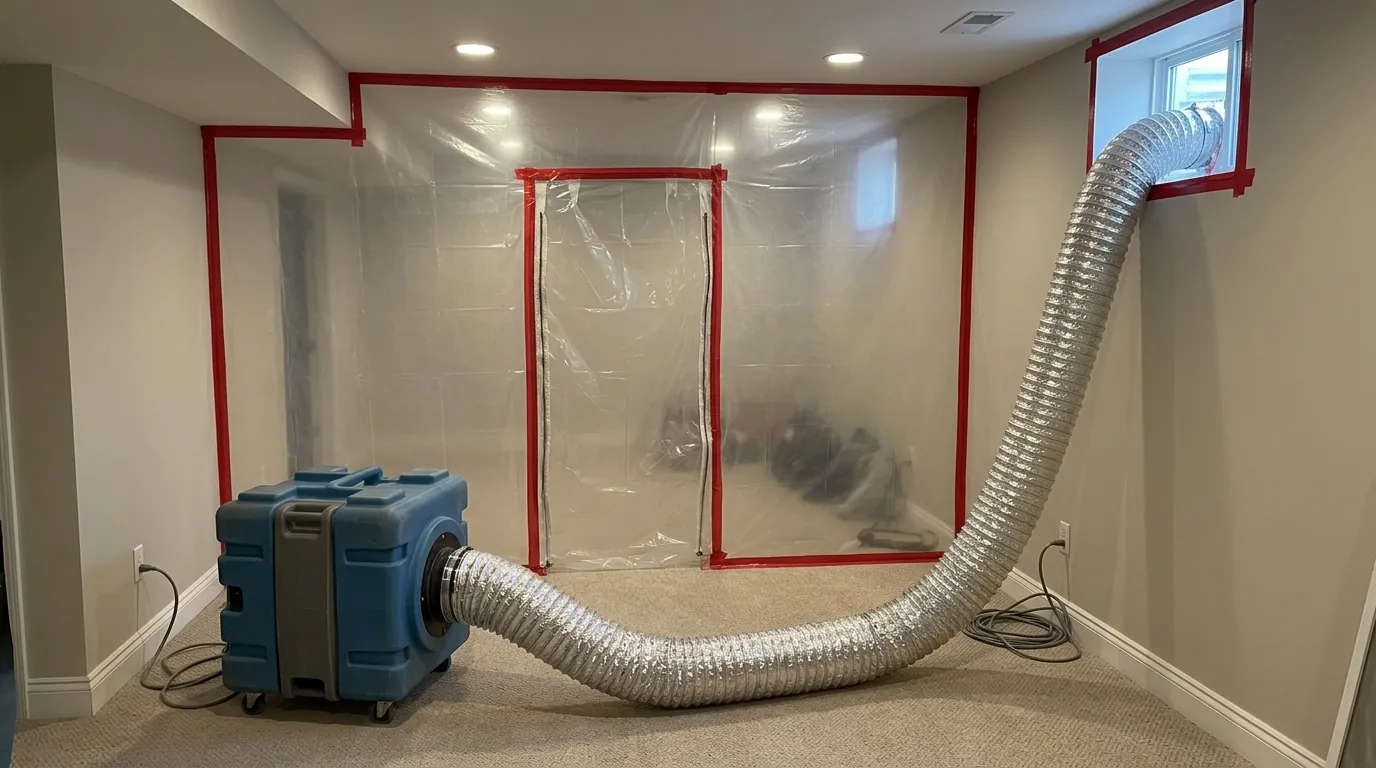
Sealed containment with HEPA filtration on a basement mold job
Where DC-area attics trap moisture: colonials, Cape Cods and rowhouse roof cavities
The detached houses of upper Northwest and the inner suburbs give us most of our attic calls. Colonials and Tudors in Chevy Chase DC, Cleveland Park and Bethesda often have bath fans added during kitchen and bath remodels, and the duct run to the roof was skipped. Cape Cods and bungalows in Brookland, Kensington and Hyattsville have finished half-story rooms with knee-wall attics and short rafter bays, where airflow from soffit to ridge is easily blocked by insulation stuffed to the eaves.
Rowhouses are different. Most have a flat or low-slope roof over a shallow cavity rather than a walk-in attic, so moisture there usually means a roof or parapet leak, and access is through a ceiling hatch or from the roof itself. Winter cold snaps in January create the frost pattern described above, then the heavy rain of spring and the humidity of summer slow the drying. If your attic problem started at a roof leak, our ceiling leak service handles the water side before we clean.
Where we do this work: Washington, DC and nearby Maryland and Virginia, including:
Related work we often do on the same job
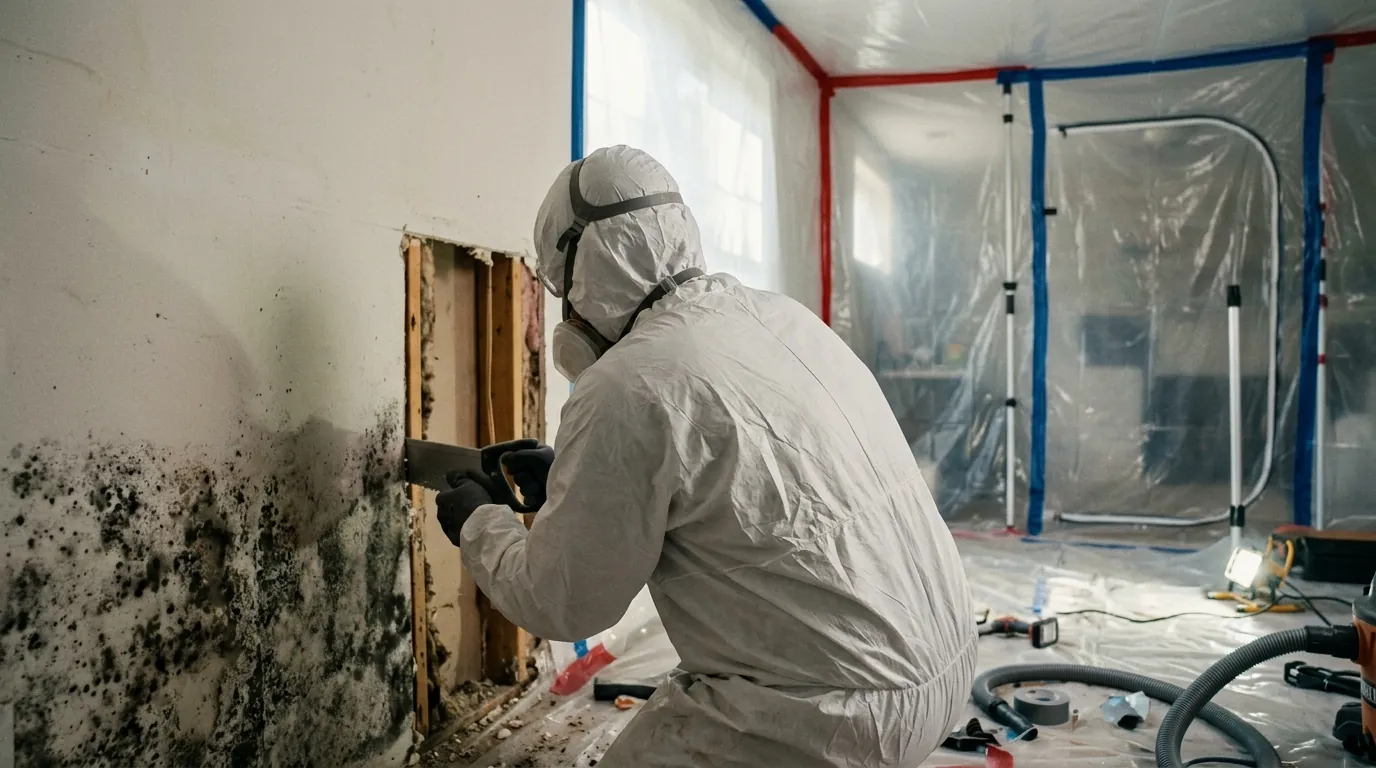
Mold Remediation
Mold remediation is the controlled removal of mold growth from a building.
How we handle it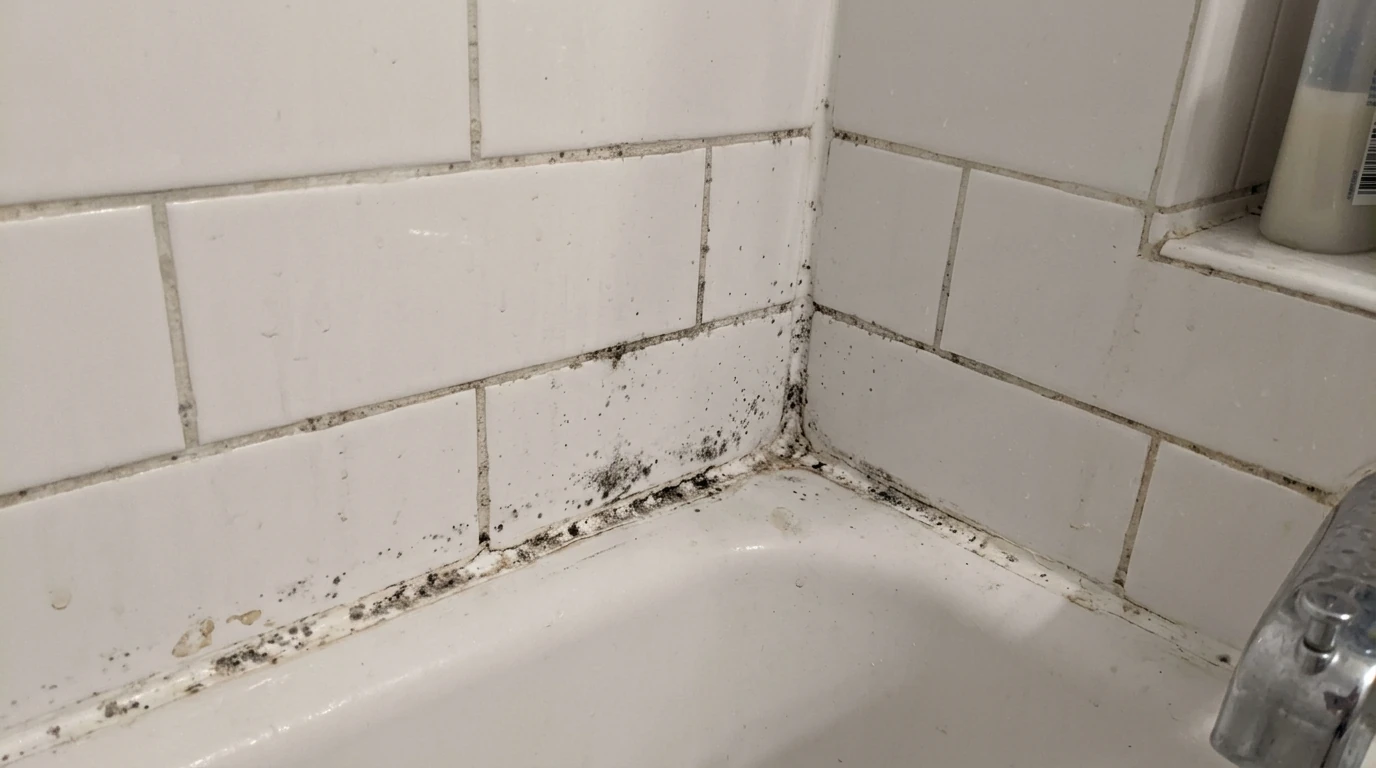
Bathroom Mold Removal
Bathroom mold removal ranges from cleaning surface growth on grout, caulk and painted ceilings to opening tile walls where a failed shower pan, valve or drain has wet the cavity.
How we handle it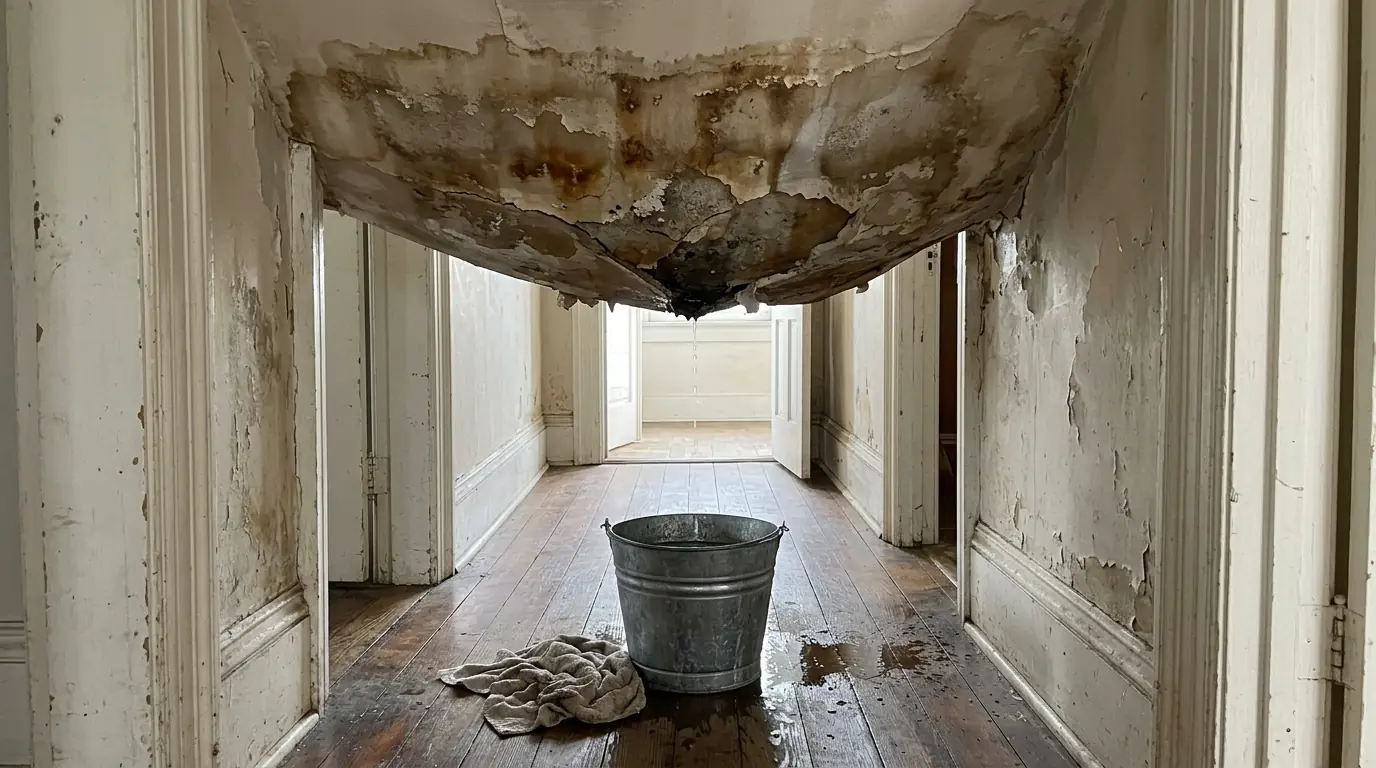
Ceiling Leak Damage
Ceiling leak damage work deals with water trapped above a ceiling from a roof, a bathroom, a radiator or an air conditioning line.
How we handle it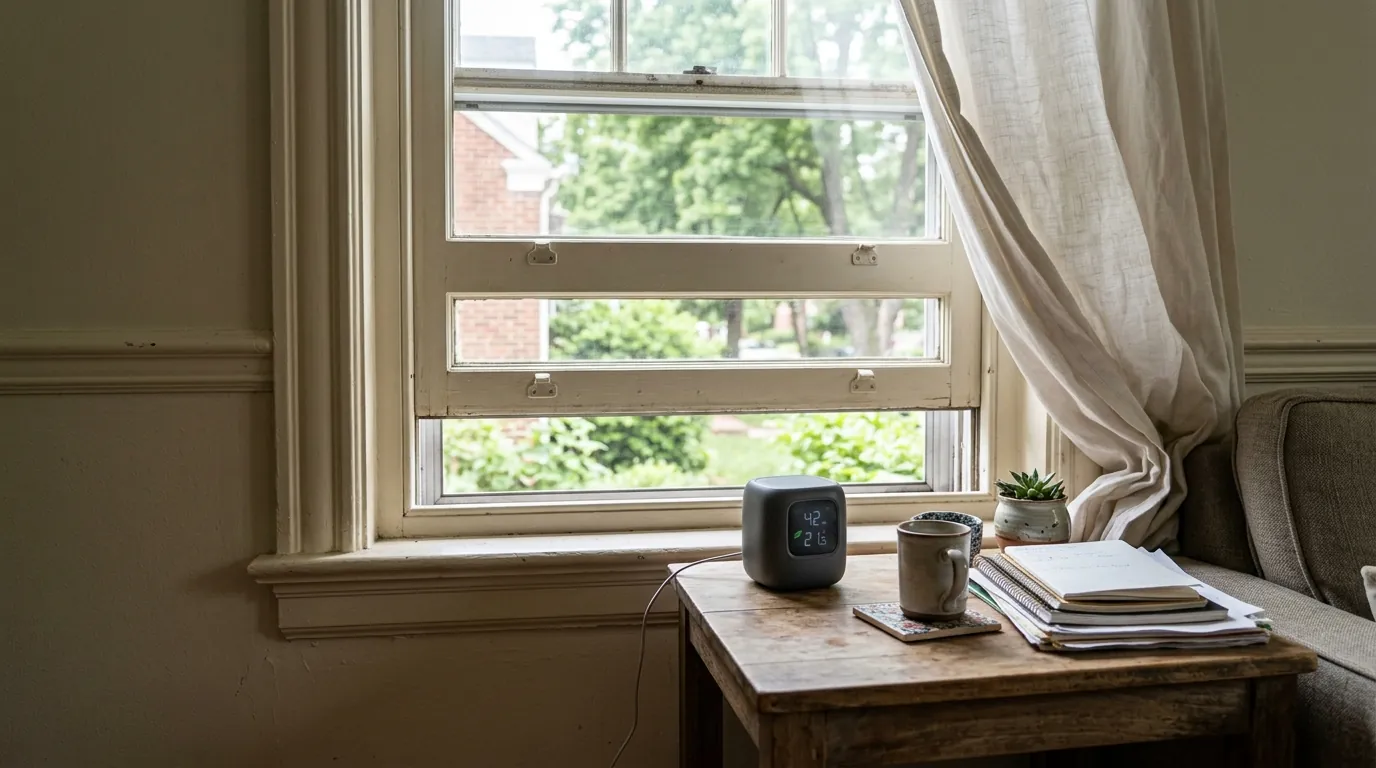
Indoor Air Quality Testing
Indoor air quality testing measures conditions in your home's air: relative humidity, temperature, fine particulates, volatile organic compounds and carbon dioxide, plus mold spores when a moisture problem is suspected.
How we handle itQuestions homeowners ask about attic mold removal
Does attic mold affect the air in my living space?
Air generally moves upward from the house into the attic in winter, which is how moisture gets there. In summer, and when duct systems run through the attic or the house is depressurized by exhaust fans, some attic air can move down through gaps. Sealing ceiling penetrations protects both directions, and it is part of every attic job we do.
Do I need a new roof if the attic sheathing has mold?
Usually not. Surface growth on sound plywood or OSB can be cleaned and the wood left in place. Replacement is only needed where sheathing is soft, delaminated or rotted, which is more common near an old roof leak than on a condensation-stained slope. If the roof is due for replacement anyway, the roofer can swap affected panels during that work.
Is soda blasting or dry-ice blasting safe for my house?
Both are widely used for attic mold. They are done with the attic under containment and negative air, so dust does not reach the rooms below. Soda media leaves a fine residue we vacuum up afterward. Dry ice sublimates into carbon dioxide gas, which is exhausted with the attic air, so we ventilate well and keep people out of the attic during blasting.
Will adding more attic vents fix the mold?
Not by itself. More ventilation helps carry moisture out, but the bigger lever is stopping humid house air from getting into the attic in the first place. Vents added without air-sealing the ceiling can even pull more house air upward. We balance soffit intake and ridge or gable exhaust after sealing the gaps and fixing any fans that dump into the attic.
Why is the mold only on one side of my attic?
The north-facing slope gets the least sun, so it stays coldest and dries most slowly after frost or condensation. Growth also concentrates above whatever is adding moisture, such as a bath fan duct, an open chase around a plumbing stack, or a gap above a top-floor bathroom. The location of the stain is a strong clue to the moisture source.
Water in the house or a musty room you can't explain?
Call JEC Restoration any time. We answer 24/7 and talk through what you are seeing before anyone touches a wall.